

Chickenpox Virus Vaccine — Explained by Medical Evidence, Not Myths

The chickenpox virus vaccine protects against varicella, the virus that causes chickenpox. It is routinely recommended in childhood and may also be advised for unvaccinated adolescents and adults.
Key Takeaways
- The chickenpox virus vaccine protects against varicella, the virus that causes chickenpox.
- It is routinely recommended in childhood and may also be advised for unvaccinated adolescents and adults.
- Most side effects are mild, such as soreness at the injection site, low fever, or a mild rash.
- People who are pregnant or severely immunocompromised usually should not receive this live vaccine.
- Vaccination lowers the risk of serious chickenpox complications and outbreaks in homes, schools, and healthcare settings.
The chickenpox virus vaccine is an effective way to prevent chickenpox, reduce the risk of severe illness, and limit complications such as skin infection, pneumonia, and dehydration. Medical evidence shows that it is safe for most people, though timing, age, pregnancy, and immune status all matter when deciding who should receive it.
What the chickenpox virus vaccine does
The chickenpox virus vaccine helps the immune system recognize and fight varicella-zoster virus, the virus that causes chickenpox. In practical terms, this means it greatly lowers the chance of getting chickenpox and makes illness milder if a vaccinated person is infected. This evidence-based benefit is why many national and international health authorities include it in routine immunization schedules.
Chickenpox is often remembered as a common childhood illness, but it is not always mild. It can lead to bacterial skin infections, dehydration, pneumonia, brain inflammation, and other complications, especially in newborns, adults, pregnant people, and those with weakened immune systems. Vaccination is intended not only to prevent the rash and fever but also to reduce these more serious outcomes.
The chickenpox virus vaccine is a live attenuated vaccine. That means it contains a weakened form of the virus that is strong enough to stimulate immunity but not strong enough to cause typical chickenpox in healthy people. This is also why it is not suitable for everyone, and why medical history should be reviewed before vaccination.
Who should get it and when

The vaccine is most commonly given in childhood as part of routine preventive care. Health authorities often recommend two doses, with the first in early childhood and the second later in childhood, because two doses provide stronger and longer-lasting protection than one. Exact timing can vary by country and immunization program, so families should follow their local schedule or their pediatrician’s advice.
Older children, teenagers, and adults who have never had chickenpox and were never vaccinated may also benefit from catch-up vaccination. This is particularly important for people who work in healthcare, childcare, education, or other settings where infections can spread quickly. Adults tend to have more severe chickenpox than children, so prevention can be especially valuable.
Some people need individual assessment before receiving the vaccine. These include pregnant people, those planning pregnancy soon, people with certain immune system conditions, and individuals taking treatments that suppress immunity. In children with complex medical needs, a pediatric specialist may help decide on the safest immunization plan. In that context, families may also discuss broader preventive care with specialists in pediatrics.
How well it works and why evidence supports it
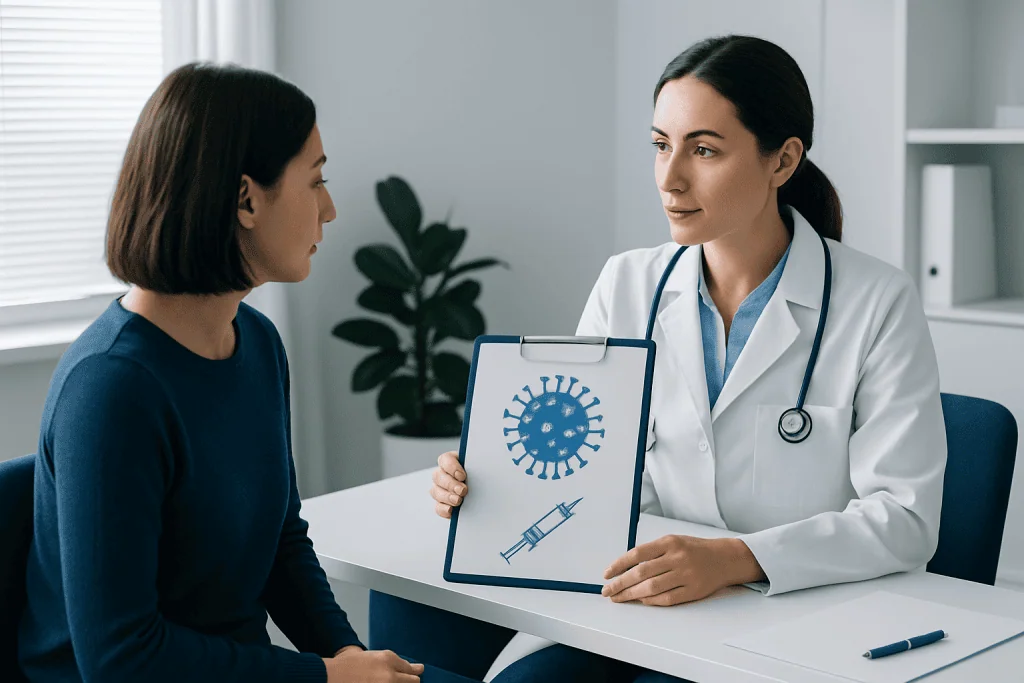
Medical evidence consistently shows that the chickenpox virus vaccine is effective. It reduces the chance of developing chickenpox and is even more effective at preventing moderate to severe disease. A vaccinated person who still gets chickenpox usually has fewer skin lesions, lower fever, and a shorter illness than someone who is unvaccinated.
Its benefits extend beyond the individual. When more people are protected, the virus has fewer chances to spread in families, schools, and communities. This is important for protecting infants who are too young to be fully vaccinated and for people who cannot receive the vaccine because of medical reasons.
Evidence-based guidance also separates the chickenpox vaccine from common myths. It does not overload the immune system, and it is not used because chickenpox is considered harmless. Rather, it is used because the risks of natural infection can be unpredictable, and vaccination offers a controlled, preventive way to build protection.
Some people ask whether the vaccine prevents every later effect of varicella-zoster virus. The same virus can reactivate years later as shingles, but the childhood chickenpox vaccine is different from the vaccine designed specifically to prevent shingles in older adults. For readers comparing these conditions, it may help to understand shingles as a later reactivation of the same virus family.
Possible side effects and who should avoid it
Most side effects of the chickenpox virus vaccine are mild and temporary. Common reactions include pain, redness, or swelling where the shot was given, a low fever, tiredness, or a mild rash. These usually resolve on their own without special treatment, although a doctor can advise on comfort measures if needed.
Serious reactions are uncommon, but they can happen with any vaccine or medicine. A severe allergic reaction is rare but requires urgent medical attention. People should tell their clinician about any previous severe vaccine reaction, known allergy to vaccine components, or history of immune system problems before vaccination.
Because this is a live vaccine, it is generally not given during pregnancy or to people with significant immune suppression unless a specialist advises otherwise. People receiving cancer treatment, high-dose steroids, or certain biologic drugs may need to delay vaccination. If there are concerns about frequent infections or immune status, evaluation by specialists in hematology or other relevant fields may be part of safe planning.
- Usually appropriate for healthy children and many unvaccinated adults
- Usually postponed in pregnancy
- May be unsuitable in severe immune suppression
- Requires review of allergies and current medicines
What to do after exposure to chickenpox
If someone has been exposed to chickenpox and is not fully protected, the next steps depend on age, health, pregnancy status, and immune function. In some cases, vaccination soon after exposure may help reduce the chance of illness or make it less severe. This should be discussed promptly with a doctor, especially if the exposed person is an infant, pregnant, or immunocompromised.
Not every rash after exposure is chickenpox. Doctors may consider other viral illnesses, allergic rashes, or skin conditions, particularly when the appearance is unusual. A clear diagnosis matters because infection-control advice, school attendance, and household precautions may all depend on the cause.
When symptoms such as a widespread itchy blistering rash, fever, or fatigue develop, assessment may include a review of exposure history and, in selected cases, laboratory testing. Related illnesses may also need to be distinguished, including measles when fever and rash are part of the picture, since prevention and public health recommendations are different.
Questions doctors consider before vaccination
Vaccination decisions are straightforward for most healthy children, but some situations benefit from a more individualized discussion. Doctors usually ask whether the person has already had chickenpox, has a reliable vaccination record, is pregnant or could be pregnant soon, has immune system disease, or is taking medicines that affect immunity. They may also ask about recent blood products or other live vaccines, because timing can matter.
For adults who do not know whether they had chickenpox in childhood, clinicians may use history, immunization records, or sometimes blood testing to look for immunity. This avoids unnecessary delay and helps ensure that people who are still susceptible receive protection. It can be especially relevant before pregnancy, before healthcare employment, or before travel to settings where access to care may be limited.
People living with chronic conditions can still often be vaccinated, but the decision should fit the overall care plan. If a patient has ongoing complex medical issues, care may involve collaboration across specialties. Acibadem International’s multidisciplinary specialists in JCI-accredited hospitals diagnose and manage vaccine-related questions and varicella care for international patients when individualized assessment is needed.
When to seek medical care
Medical advice should be sought if a person may need the chickenpox virus vaccine but is pregnant, has a weakened immune system, takes immunosuppressive medication, or has had a severe allergic reaction to a previous vaccine. A doctor should also be consulted after a known chickenpox exposure in newborns, pregnant people, adults without immunity, and people with chronic illness, because early guidance can change management.
Urgent medical attention is important if chickenpox symptoms are accompanied by breathing difficulty, confusion, severe headache, neck stiffness, persistent vomiting, dehydration, a rapidly worsening rash, or signs of skin infection such as increasing redness, warmth, swelling, or pus. These features do not always mean a serious complication is present, but they should not be ignored.
Parents should also contact a clinician if a child develops a rash after vaccination and there is uncertainty about whether it is vaccine-related or due to another infection. For families managing fever, rash, and possible dehydration, pediatric support may be useful, and some children with significant symptoms may need assessment through children's health services.
Frequently asked questions
Is the chickenpox virus vaccine the same as a shingles vaccine?
No. The chickenpox virus vaccine is designed to prevent primary varicella infection, which causes chickenpox. Shingles vaccines are intended for later-life protection against reactivation of the same virus and are used in different age groups.
Can someone still get chickenpox after vaccination?
Yes, but it is less likely, and the illness is usually much milder. Vaccinated people who develop chickenpox often have fewer spots, lower fever, and recover more quickly than unvaccinated people.
Is the chickenpox virus vaccine safe for adults?
For many adults who are not immune, yes. It is especially considered for adults at higher risk of exposure or complications, but pregnancy, severe immune suppression, and certain medicines may affect whether it is appropriate.
What are the most common side effects?
The most common side effects are soreness, redness, or swelling at the injection site, mild fever, and sometimes a small rash. These effects are usually short-lived and resolve without major treatment.
Should a person get vaccinated if they already had chickenpox?
Usually, people with confirmed prior chickenpox are already immune and may not need the vaccine. If there is uncertainty about past infection, a doctor can review the history and decide whether vaccination or testing is the better option.
Can the vaccine be given after exposure to chickenpox?
In some situations, yes. When given soon after exposure, it may reduce the chance of illness or lessen severity, but the best approach depends on the person's age, immune status, pregnancy status, and vaccination history.
References
- Centers for Disease Control and Prevention
- World Health Organization
- American Academy of Pediatrics
- National Health Service
- European Centre for Disease Prevention and Control
This article is for general information only and is not a substitute for professional medical advice. Please consult a qualified doctor about your individual situation.
Chickenpox in Turkey — costs, top hospitals & a free quote
JCI-accredited · board-certified surgeons · reply within 24h
Add us as a Preferred Source to see more of our trusted health content across Google Search, AI Overviews and Discover.

More from the Health Library

Kayser Fleischer Rings — Explained by Medical Evidence, Not Myths

Macular Degeneration: An Evidence-Based Guide for Patients

Rituximab: An Evidence-Based Guide for Patients

Jalapeno: A Complete Medical Overview

Half Life of Xanax: What Patients Need to Know

Jardiance: A Complete Medical Overview
Infectious Diseases & Clinical Microbiology Specialists at Acibadem

Dr. Fatma Erbay Apaydın
Infectious Diseases & Clinical Microbiology
Dr. Hakan Kutlu
Infectious Diseases & Clinical Microbiology
Dr. Hande Aygün
Infectious Diseases & Clinical Microbiology
Asst. Prof. Dr. Hülya Kuşoğlu
Infectious Diseases & Clinical Microbiology