Prefrontal Cortex: An Evidence-Based Guide for Patients

The prefrontal cortex supports executive functions such as planning, organizing, focus, and judgment. Changes in this brain region can affect behavior, emotions, motivation, memory, and social interactions.
Key Takeaways
- The prefrontal cortex supports executive functions such as planning, organizing, focus, and judgment.
- Changes in this brain region can affect behavior, emotions, motivation, memory, and social interactions.
- Symptoms may develop after head injury, stroke, neurodegenerative disease, or in some psychiatric conditions.
- Evaluation may include a neurological exam, cognitive testing, and brain imaging such as MRI or CT.
- Treatment depends on the cause and may involve rehabilitation, mental health care, medications, and lifestyle support.
- New or sudden changes in thinking, speech, weakness, or behavior need prompt medical assessment.
The prefrontal cortex is the front part of the brain involved in planning, attention, decision-making, emotional regulation, and social behavior. When it is affected by injury, stroke, disease, or mental health conditions, a person may notice changes in thinking, personality, impulse control, or daily functioning.
What the prefrontal cortex does
The prefrontal cortex is the front portion of the brain’s frontal lobes, just behind the forehead. It acts as a control center for many higher-level mental abilities that help a person manage daily life. These include planning ahead, staying focused, making decisions, controlling impulses, understanding consequences, adapting to change, and regulating emotions.
Rather than working alone, the prefrontal cortex communicates with many other brain areas. It helps integrate memory, emotions, sensory input, and motivation so that a person can respond appropriately to situations at home, school, work, and in relationships. This is why changes in this region can affect not only thinking, but also personality and behavior.
Different parts of the prefrontal cortex have slightly different roles. Some areas are more involved in attention and working memory, while others help with emotional control, social judgment, and goal-directed behavior. In simple terms, the prefrontal cortex helps a person pause, think, and choose a response rather than acting automatically.
How problems in the prefrontal cortex may appear
When the prefrontal cortex is not working as it should, symptoms can vary widely. Some people mainly notice thinking-related changes, such as trouble organizing tasks, making plans, following steps, concentrating, or switching attention. Others may seem forgetful, mentally slowed, or easily overwhelmed by decisions that used to feel routine.
Behavior and mood can also change. A person may become more impulsive, irritable, emotionally flat, apathetic, or socially inappropriate. Family members sometimes notice these changes before the person does, especially if judgment or self-awareness is affected. In some cases, the person may know what they want to do but struggle to start, sequence, or complete the task.
Possible signs and symptoms can include:
- Difficulty planning, organizing, or solving problems
- Trouble focusing or being easily distracted
- Poor judgment or risky decision-making
- Impulsivity or reduced self-control
- Reduced motivation or seeming unusually passive
- Emotional changes such as irritability, anxiety, or blunted affect
- Social behavior changes, including less awareness of boundaries
- Problems with working memory, such as holding information in mind briefly
These symptoms are not specific to one illness. They can occur with brain injuries, vascular problems, degenerative conditions, sleep problems, depression, anxiety, substance use, or other medical causes. A careful evaluation is therefore important.
Common causes and risk factors

Many different conditions can affect the prefrontal cortex. One important cause is traumatic brain injury, especially when the front of the head is struck or the brain moves suddenly inside the skull during a fall, accident, or sports injury. Because the frontal areas help control behavior and executive function, even a mild injury may lead to subtle but meaningful changes in concentration, mood, or judgment.
Stroke is another major cause, especially if blood flow is interrupted in the frontal regions of the brain. A person may develop sudden confusion, weakness, speech difficulty, or changes in behavior depending on the exact area involved. If stroke is suspected, urgent medical care is essential. Related conditions can be explored further in stroke and brain hemorrhage.
Neurodegenerative diseases can also affect prefrontal networks over time. Examples include forms of dementia in which behavior, decision-making, or language changes become more prominent. Tumors, infections, inflammation, seizures, and exposure to alcohol or certain drugs may also impair frontal lobe function. In some people, symptoms linked to the prefrontal cortex are part of mental health conditions such as depression, bipolar disorder, attention-deficit/hyperactivity disorder, or schizophrenia.
Risk factors depend on the underlying cause but may include older age, high blood pressure, diabetes, smoking, head trauma, poor sleep, uncontrolled vascular disease, heavy alcohol use, and a family history of neurological illness. Reducing these risks can support both brain health and overall health.
How doctors evaluate prefrontal cortex symptoms
Evaluation begins with a detailed medical history and examination. The doctor asks when symptoms began, whether they were sudden or gradual, and how they affect everyday life. Family members or close companions may be invited to share observations, because changes in judgment or self-awareness can make symptoms harder for the patient to recognize.
A neurological exam checks strength, sensation, balance, reflexes, speech, eye movements, and coordination. Cognitive screening or more formal neuropsychological testing may be used to assess attention, memory, language, problem-solving, processing speed, and executive function. These tests do not just look for memory loss; they help identify which thinking skills are affected and how severely.
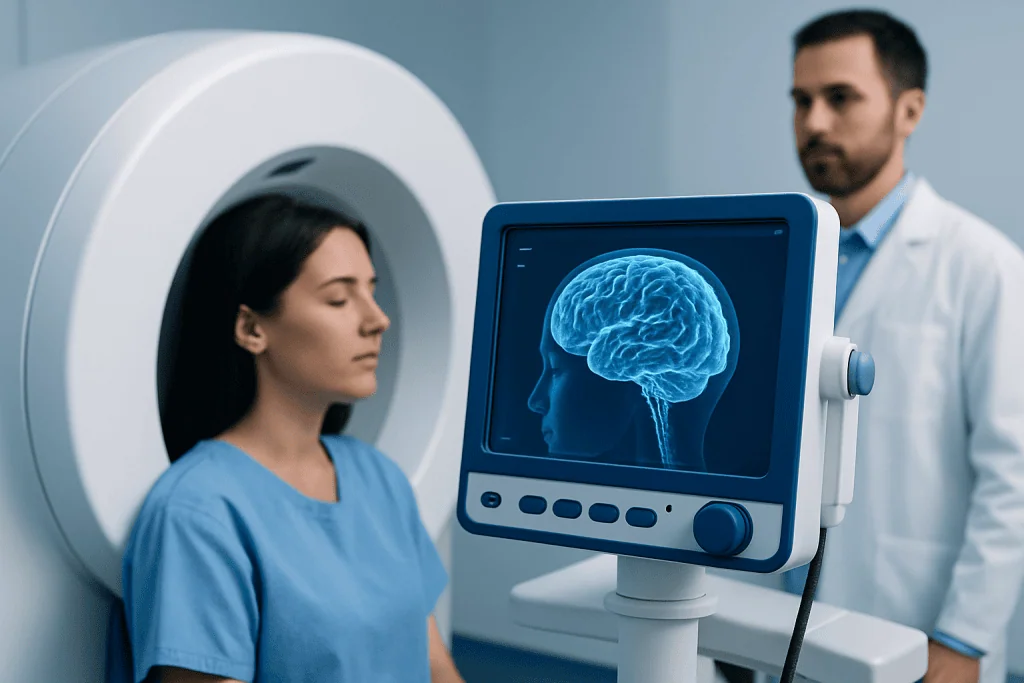
Brain imaging is often helpful when there are new, progressive, or unexplained symptoms. Depending on the situation, doctors may recommend MRI or CT scan to look for stroke, bleeding, tumor, injury, or structural changes. Blood tests may also be used to check for metabolic, infectious, hormonal, nutritional, or inflammatory causes that can affect brain function.
Because symptoms can overlap across neurology, psychiatry, and general medicine, diagnosis may involve more than one specialist. The goal is not only to label the problem, but also to identify treatable contributors and build a realistic care plan.
Treatment options and rehabilitation
There is no single treatment for the prefrontal cortex itself, because care depends on the reason it is affected. If symptoms are caused by stroke, head injury, tumor, infection, seizures, or another neurological condition, treatment focuses first on that underlying problem. For some patients, this means urgent care; for others, it means a stepwise outpatient evaluation and rehabilitation plan.
Rehabilitation is often a key part of recovery. Occupational therapy can help with daily routines, planning, and organization. Speech and language therapy may support communication and cognitive skills, and neuropsychological rehabilitation can teach strategies for attention, memory, problem-solving, and emotional regulation. When weakness, balance problems, or physical limitations are present, physical therapy and rehabilitation may also be recommended.
Mental health support can be equally important. Counseling or psychotherapy may help patients and families adjust to changes in behavior, motivation, mood, or relationships. In some situations, doctors may prescribe medication to manage symptoms such as depression, anxiety, agitation, sleep disturbance, or attention problems. Medication choices vary by diagnosis and should be individualized by a qualified clinician.
Care works best when it is practical and person-centered. Structured routines, written reminders, simple step-by-step tasks, reduced distractions, and caregiver education can make a meaningful difference in daily life. Near the end of the care journey, some patients benefit from coordinated assessment by neurologists, psychiatrists, rehabilitation specialists, and radiology teams; Acibadem International’s multidisciplinary specialists and JCI-accredited hospitals provide diagnosis and treatment for international patients when this level of care is needed.
Supporting brain health in everyday life
While not all causes of prefrontal cortex dysfunction can be prevented, general brain-healthy habits may reduce risk and support recovery. Good sleep is especially important because attention, emotional control, and executive function often worsen when sleep is poor. Regular physical activity, balanced nutrition, hydration, and staying socially and mentally engaged can also support overall cognitive health.
Managing vascular risk factors matters at every age. Keeping blood pressure, blood sugar, and cholesterol in a healthy range may lower the risk of stroke and other brain-related complications. Avoiding tobacco and limiting alcohol can also protect the brain. For those at risk of head injury, using seat belts, wearing helmets when appropriate, and preventing falls at home are practical safety steps.
Self-care strategies can help when symptoms are already present:
- Use calendars, phone reminders, and written checklists
- Break large tasks into smaller steps
- Create consistent daily routines
- Work in a quiet environment with fewer distractions
- Take breaks to avoid mental fatigue
- Ask family members or caregivers to help monitor changes
These measures do not replace medical treatment, but they can improve safety, independence, and confidence. If symptoms are worsening or interfering with work, school, driving, finances, or relationships, professional assessment is important.
When to seek medical care
Medical evaluation is recommended if a person develops new or unexplained problems with concentration, planning, memory, behavior, personality, or emotional control. This is especially true if symptoms interfere with daily functioning, appear after a head injury, or gradually worsen over time. Early assessment may help identify reversible causes and create a treatment plan before difficulties become more disruptive.
Emergency care is needed for sudden symptoms that could suggest stroke or bleeding in the brain. Warning signs include sudden weakness or numbness, facial drooping, trouble speaking, severe confusion, a sudden severe headache, seizures, or loss of consciousness. These symptoms should never be watched at home.
Family members should also seek help if they notice safety concerns such as reckless behavior, getting lost, inability to manage medications, severe mood changes, or thoughts of self-harm. When symptoms are subtle, keeping a timeline of changes can help the doctor understand what has been happening and how quickly it is progressing.
Frequently asked questions
What is the prefrontal cortex in simple terms?
The prefrontal cortex is the front part of the brain that helps a person think ahead, stay focused, make decisions, and control impulses. It also plays an important role in social behavior and emotional regulation.
Can prefrontal cortex problems change personality?
Yes, they can. Because this area helps regulate judgment, self-control, motivation, and social awareness, changes may sometimes look like personality changes to family or friends.
Does damage to the prefrontal cortex always show up on a scan?
Not always. CT or MRI can identify many structural problems such as stroke, bleeding, tumors, or some injuries, but milder or more functional changes may require cognitive testing and clinical assessment as well.
Can the prefrontal cortex recover after injury?
Recovery is possible in many cases, but it depends on the cause, severity, age, overall health, and how quickly treatment begins. Rehabilitation and structured support can help the brain adapt and improve function over time.
How is prefrontal cortex dysfunction diagnosed?
Doctors use a combination of medical history, neurological examination, cognitive testing, and sometimes brain imaging or blood tests. The goal is to understand both the symptoms and the underlying cause.
Are attention and executive function problems always caused by brain injury?
No. They can also occur with sleep deprivation, depression, anxiety, ADHD, substance use, metabolic problems, stroke, and neurodegenerative disease. That is why symptoms should be evaluated in context.
References
- National Institute of Neurological Disorders and Stroke
- National Institute of Mental Health
- MedlinePlus
- Mayo Clinic
- World Health Organization
This article is for general information only and is not a substitute for professional medical advice. Please consult a qualified doctor about your individual situation.
Explore treatments in Turkey — costs, top hospitals & a free quote
JCI-accredited · board-certified surgeons · reply within 24h
Add us as a Preferred Source to see more of our trusted health content across Google Search, AI Overviews and Discover.
Check your numbers in seconds
BMI, calories, due date, blood pressure and 30+ more clinical calculators — free, instant, doctor-reviewed ranges.

More from the Health Library



Related Specialists

Asst. Prof. Dr. Zeynep Tuğçe Sarıkaya
Intensive Care
Assoc. Prof. Dr. Özgür Timurkaynak
Dermatology
Fzt. Gönül Zervent
Physical Medicine & Rehabilitation
Assoc. Prof. Dr. Cevat Rıfat Cündübey
Gynecology & Obstetrics