Premenstrual Stress: A Complete Medical Overview

Premenstrual stress is not a formal diagnosis, but it can describe PMS-related emotional and physical changes before a period. Symptoms usually appear after ovulation and improve within a few days after menstrual bleeding begins.
Key Takeaways
- Premenstrual stress is not a formal diagnosis, but it can describe PMS-related emotional and physical changes before a period.
- Symptoms usually appear after ovulation and improve within a few days after menstrual bleeding begins.
- Tracking symptoms across at least two cycles can help distinguish PMS or PMDD from ongoing anxiety, depression, thyroid conditions, or other concerns.
- Regular sleep, movement, balanced meals, and stress-management techniques may reduce symptoms for some people.
- Medical care is important when symptoms disrupt daily life, relationships, work, school, or safety.
Premenstrual stress is a common term for stress, irritability, low mood, worry, and physical discomfort that occur in the days or weeks before a menstrual period. It is often related to premenstrual syndrome (PMS), but severe or disabling mood symptoms may indicate premenstrual dysphoric disorder (PMDD) or another health concern that deserves medical assessment.
Overview: What Is Premenstrual Stress?
Premenstrual stress refers to feelings such as tension, irritability, worry, emotional sensitivity, or being overwhelmed in the time before a menstrual period. It is not a separate medical diagnosis. Instead, it is a useful everyday description for symptoms that may occur as part of premenstrual syndrome (PMS), a pattern of emotional, behavioral, and physical symptoms linked to the menstrual cycle.
For many people, symptoms begin during the luteal phase, which is the period after ovulation and before bleeding starts. They commonly ease when the period begins or within a few days afterward. The timing matters: stress that is present at a similar level throughout the month may have another cause, although premenstrual hormonal changes can still make an existing mental health condition feel more difficult.
PMS can range from mild and manageable to symptoms that interfere with ordinary activities. A smaller number of people experience premenstrual dysphoric disorder (PMDD), a more severe condition marked mainly by substantial mood symptoms. Both are real health concerns, and effective support is available.
How Premenstrual Stress Can Feel
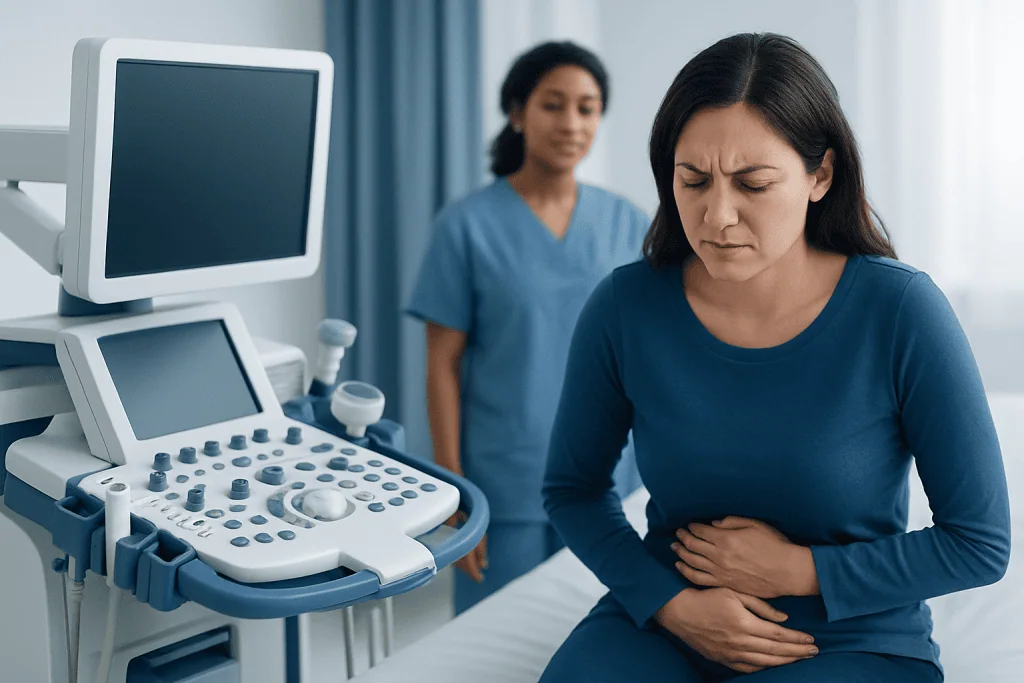
The emotional experience of PMS differs from person to person and can change over time. Some people mainly notice impatience, tearfulness, low mood, or a reduced ability to cope with everyday demands. Others describe feeling anxious, angry, restless, less focused, or unusually sensitive to conflict or rejection.
Physical symptoms often occur alongside emotional changes. These can include bloating, breast tenderness, headaches, fatigue, changes in sleep, food cravings, acne flares, constipation or diarrhea, and pelvic discomfort. These symptoms are not imagined or a sign of weakness; they reflect the way the body and brain can respond to cyclical hormone changes.
Symptoms may be more noticeable during busy, stressful, or sleep-deprived periods. They can also affect relationships, parenting, school, work, and self-confidence. Recording both mood and physical symptoms can make the pattern clearer and can help a clinician understand the impact on daily life.
- Common emotional symptoms include irritability, anxiety, sadness, mood swings, and difficulty concentrating.
- Common physical symptoms include tiredness, bloating, breast discomfort, headaches, and changes in appetite or sleep.
- A predictable pattern of symptoms before periods, followed by improvement after periods start, supports a premenstrual cause.
Why It Happens and Who May Be Affected
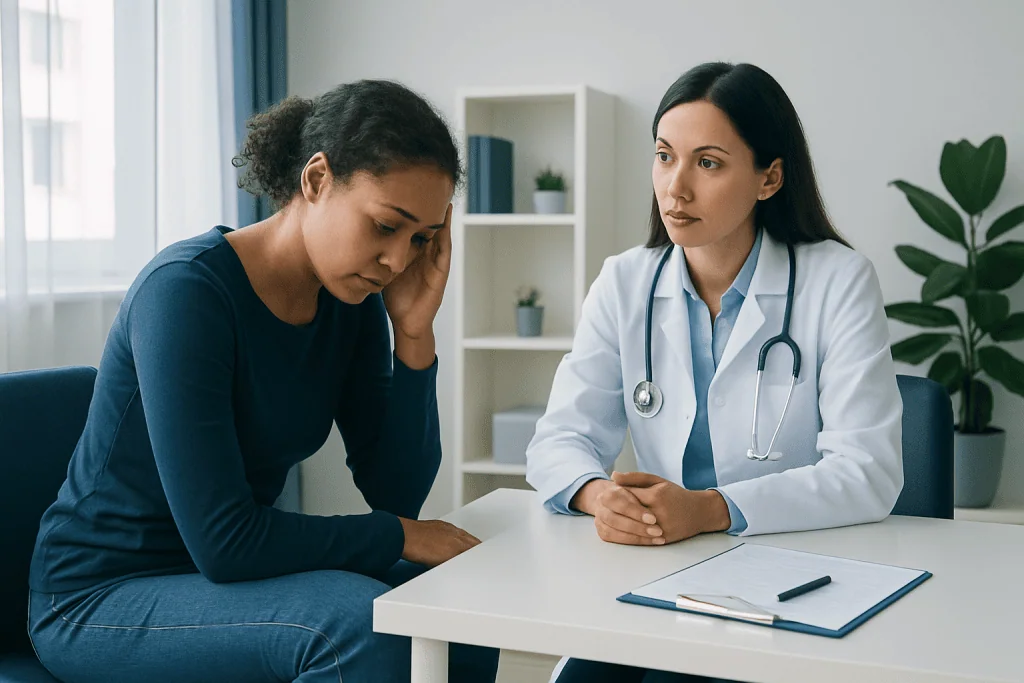
The exact cause of premenstrual stress is not fully understood. PMS and PMDD do not appear to result from simply having “too much” or “too little” of one hormone. Rather, some people may be more sensitive to the normal rise and fall of estrogen and progesterone after ovulation. These changes can influence brain chemical signaling, including systems involved in mood, sleep, and stress responses.
Personal and environmental factors can influence how strongly symptoms are felt. Ongoing stress, inconsistent sleep, limited physical activity, smoking, high alcohol intake, and a diet that does not provide regular nourishment may worsen symptoms for some people. These factors do not cause PMS on their own, and symptoms should not be dismissed as a lifestyle problem.
PMS can occur at any reproductive age after periods begin. Symptoms may change after pregnancy, when starting or stopping hormonal contraception, or during the years leading up to menopause. A personal or family history of depression, anxiety, trauma, or severe premenstrual symptoms may also be relevant, but it does not mean someone will definitely develop PMDD.
PMS, PMDD, and Other Conditions to Consider
PMS is generally used when premenstrual symptoms are bothersome but do not cause major impairment. PMDD is a more severe, clinically recognized disorder. It involves a clear cyclical pattern and significant distress or difficulty functioning. Core PMDD symptoms typically include marked mood swings, irritability or anger, depressed mood, anxiety, or tension, with additional emotional or physical symptoms also present.
A key feature of PMDD is that symptoms substantially improve soon after the period starts and there is a relatively symptom-free interval during the cycle. Because anxiety, depression, thyroid disorders, anemia, perimenopause, chronic pain, and medication effects can cause similar symptoms, self-diagnosis is not always reliable. Some people have premenstrual exacerbation, meaning an existing condition worsens before periods but does not fully disappear afterward.
A clinician may ask about cycle timing, medical history, medications, contraception, sleep, and mental health. Daily symptom ratings for at least two menstrual cycles are often the most useful tool for identifying PMS or PMDD. This record can include mood, physical symptoms, period dates, sleep, activities, and how symptoms affect functioning.
Assessment and Treatment Options
There is no single blood test that confirms PMS or PMDD. Assessment usually begins with a conversation and a symptom diary. Depending on symptoms and health history, a clinician may recommend tests to look for other causes, such as thyroid disease or anemia. A pelvic examination or other assessment may be appropriate if pelvic pain, very heavy bleeding, or other gynecological symptoms are present.
Treatment should be individualized according to symptom severity, personal preferences, medical history, and reproductive plans. For mild symptoms, education, symptom tracking, lifestyle changes, and psychological support may be enough. Cognitive behavioral therapy can help some people develop practical ways to manage stress, difficult thoughts, sleep disruption, and relationship strain.
For moderate to severe PMS or PMDD, clinicians may discuss medicines such as selective serotonin reuptake inhibitors (SSRIs), which are commonly used for significant mood symptoms. Hormonal treatments may also be considered for some individuals to reduce ovulation-related symptom changes. Pain relief for cramps or headaches and treatment for sleep or coexisting mood conditions may be part of a wider plan. A doctor should guide medicine choices, especially during pregnancy planning, pregnancy, breastfeeding, or when other health conditions are present.
Care is most effective when it addresses the whole pattern rather than one symptom alone. At Acibadem International, multidisciplinary specialists in women’s health and mental health can assess cyclical symptoms and discuss appropriate options for international patients at JCI-accredited hospitals.
Daily Strategies for Prevention and Self-Care
Premenstrual symptoms cannot always be prevented, but steady routines may reduce their intensity or make them easier to manage. The aim is not perfection. Small, sustainable changes across the month are often more helpful than trying to make major changes only when symptoms are at their worst.
Regular aerobic activity, such as walking, swimming, cycling, or another enjoyable form of movement, may support mood, sleep, and energy. Consistent sleep and wake times, a calming wind-down routine, and reducing late-day caffeine may help if sleep is disrupted. Relaxation practices, paced breathing, mindfulness, journaling, or talking with a trusted person can also provide useful support during more emotionally sensitive days.
Eating regular meals and snacks with a variety of vegetables, fruit, whole grains, protein-rich foods, and healthy fats may help maintain energy and reduce the effects of skipped meals. Limiting alcohol and avoiding smoking are also beneficial for overall health. Before taking vitamins, herbal products, or supplements for PMS, it is sensible to speak with a pharmacist or clinician, as “natural” products can have side effects or interact with medicines.
- Track symptoms, sleep, food, stress, and period dates in an app or paper diary.
- Plan demanding tasks and important conversations for times when symptoms are usually lighter, when possible.
- Build in rest, regular meals, hydration, and gentle movement during the premenstrual phase.
- Share the pattern with supportive family members, friends, or colleagues if this feels comfortable.
When to Seek Medical Care
Medical advice is recommended when premenstrual stress repeatedly affects work, education, relationships, sleep, or the ability to manage usual responsibilities. A doctor can help determine whether symptoms fit PMS, PMDD, another gynecological concern, or a mental or physical health condition that may need different treatment.
Prompt professional support is especially important for severe depression, panic, intense anger, hopelessness, or thoughts of self-harm or suicide. Anyone who may be at immediate risk of harming themselves should contact local emergency services or a crisis service, or seek urgent help from a trusted person and healthcare professional. These symptoms are treatable, and timely support matters.
It is also important to seek assessment for new symptoms after age 40, very heavy or irregular bleeding, severe pelvic pain, symptoms between periods, or a sudden major change in a familiar menstrual pattern. Bringing a symptom diary to the appointment can make the discussion more focused and help guide the next steps.
Frequently asked questions
Is premenstrual stress the same as PMS?
Premenstrual stress is an informal term that often describes the emotional symptoms of PMS, such as irritability, anxiety, tension, or low mood. PMS can also include physical symptoms, including bloating, fatigue, headaches, and breast tenderness. A clinician can help identify whether symptoms follow a premenstrual pattern.
How long does premenstrual stress usually last?
Symptoms often begin after ovulation, which may be one to two weeks before a period. They usually improve once bleeding begins or within a few days afterward. The exact timing varies with cycle length and from person to person.
Can stress make PMS symptoms worse?
Yes, ongoing life stress and poor sleep can make premenstrual symptoms feel more intense or harder to manage. However, stress does not mean the symptoms are “all in the mind.” Hormonal sensitivity, physical health, and emotional wellbeing can all contribute.
What is the difference between PMS and PMDD?
PMDD is a more severe form of cyclical premenstrual symptoms that causes significant distress or impairment in daily life. Severe mood changes, irritability, anxiety, or depression are often prominent. A daily symptom record over at least two cycles helps clinicians make an accurate assessment.
Should someone take supplements for premenstrual stress?
Some supplements are promoted for PMS, but their benefits and safety can vary, and quality may differ between products. It is best to discuss supplements with a doctor or pharmacist before using them, particularly if taking other medicines or if pregnant, breastfeeding, or trying to conceive. Lifestyle approaches and evidence-based treatments may also be appropriate.
Can hormonal contraception help premenstrual symptoms?
Hormonal contraception helps some people by reducing ovulation-related hormonal fluctuations, but it can affect mood differently from one person to another. The most suitable option depends on symptoms, health history, contraception needs, and personal preference. A clinician can explain the potential benefits and risks.
References
- American College of Obstetricians and Gynecologists
- National Institute of Mental Health
- Office on Women’s Health, U.S. Department of Health and Human Services
- Royal College of Obstetricians and Gynaecologists
- Mayo Clinic
This article is for general information only and is not a substitute for professional medical advice. Please consult a qualified doctor about your individual situation.
Explore treatments in Turkey — costs, top hospitals & a free quote
JCI-accredited · board-certified surgeons · reply within 24h
Add us as a Preferred Source to see more of our trusted health content across Google Search, AI Overviews and Discover.
Check your numbers in seconds
BMI, calories, due date, blood pressure and 30+ more clinical calculators — free, instant, doctor-reviewed ranges.