

Preparing for a PET-MRI Scan: What to Do Before Your Appointment
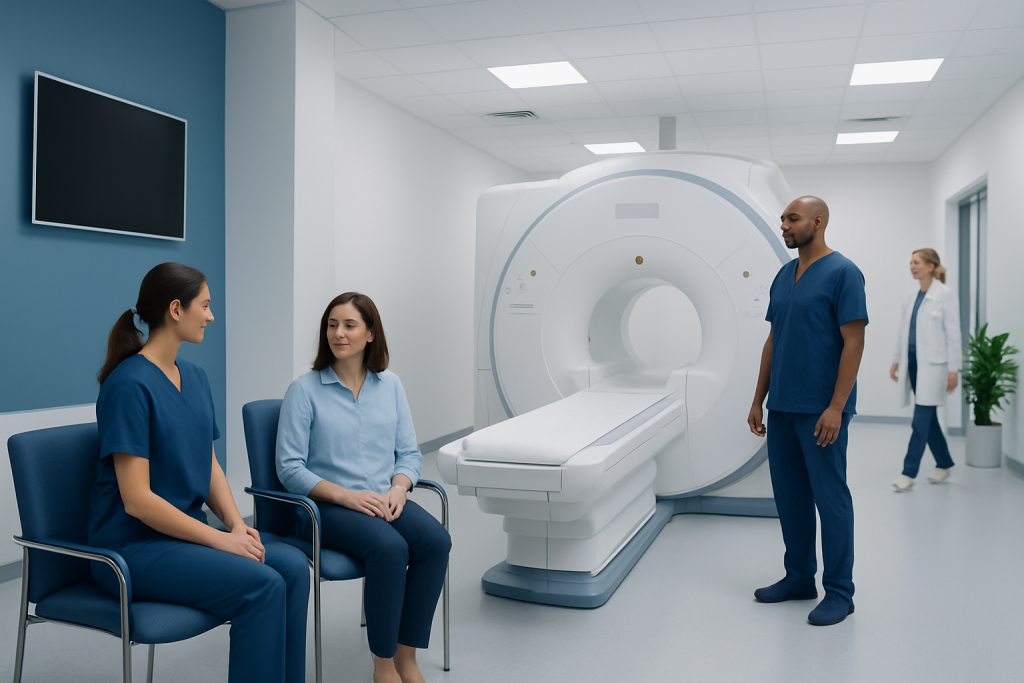
Preparation for a PET-MRI scan may include fasting, hydration, and avoiding strenuous activity, depending on the reason for the test. Patients should tell the care team about medicines, allergies, implants, kidney problems, pregnancy, breastfeeding, or claustrophobia before the appointment.
Key Takeaways
- Preparation for a PET-MRI scan may include fasting, hydration, and avoiding strenuous activity, depending on the reason for the test.
- Patients should tell the care team about medicines, allergies, implants, kidney problems, pregnancy, breastfeeding, or claustrophobia before the appointment.
- Metal objects must be removed for the MRI portion of the exam, and clothing without metal is usually recommended.
- The exact instructions can vary, so the imaging center’s guidance should always take priority over general advice.
- Arriving early with previous scan results and a medication list can help prevent delays.
PET-MRI scan preparation usually involves simple steps such as following eating instructions, reviewing medicines, and arriving with the right medical information. Knowing what to expect can help the appointment go more smoothly and make the experience less stressful.
Overview: What a PET-MRI Scan Is
A PET-MRI scan combines two imaging methods in one appointment. PET, or positron emission tomography, shows how tissues and organs are functioning by using a small amount of radiotracer. MRI, or magnetic resonance imaging, creates detailed images of soft tissues using a strong magnet and radio waves. Together, these technologies can provide both structural and functional information.
Doctors may request a PET-MRI scan for several reasons, including evaluating certain cancers, neurological conditions, inflammatory conditions, or complex findings that need more detailed imaging. In some cases, a combined study can reduce the need for separate appointments and help specialists compare information more precisely.
Preparation matters because both parts of the scan have specific requirements. For example, the PET portion may require fasting or limiting activity beforehand, while the MRI portion requires careful screening for metal implants and devices. Following instructions closely can improve image quality and reduce the chance of having to repeat part of the exam.
Why Preparation Is Important Before a PET-MRI
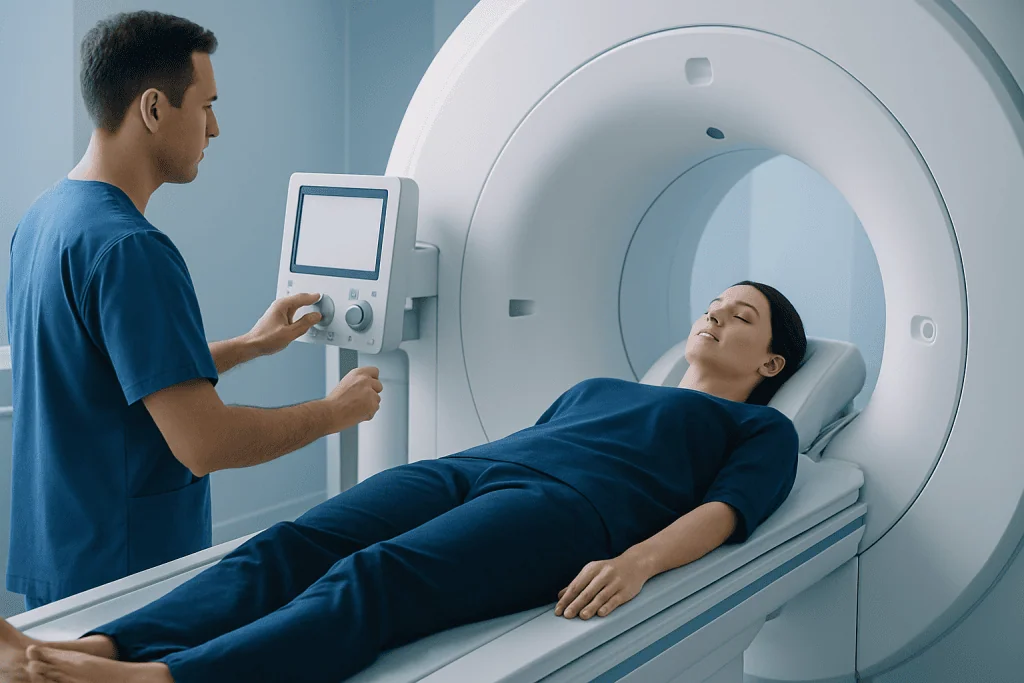
Good preparation helps the imaging team get the clearest, most useful pictures possible. Eating at the wrong time, exercising heavily before the scan, or wearing clothing with metal fasteners can affect the test or cause delays. Even small details can matter, especially when the scan is being used to guide diagnosis or treatment planning.
The radiotracer used in PET imaging behaves differently depending on the body’s metabolism and the reason for the test. That is why some patients are asked to fast, monitor blood sugar, or avoid certain activities before arriving. The MRI portion also depends on safety screening, because strong magnetic fields can interact with metal implants, fragments, or electronic devices.
Preparation is also about comfort. Patients who know what to expect often feel more at ease during the appointment. Understanding when to arrive, what to bring, what to wear, and how long the process may take can make the day more manageable.
What to Do in the Days Before the Appointment

In the days leading up to the scan, patients should carefully review the instructions given by the hospital or imaging center. These instructions may differ depending on why the PET-MRI has been ordered, the type of radiotracer being used, age, medical history, and whether contrast material is planned for the MRI part of the study.
It is important to inform the care team in advance about any implanted medical devices, prior surgeries, allergies, diabetes, kidney disease, asthma, pregnancy, breastfeeding, or fear of enclosed spaces. Patients should also mention if they have trouble lying still, because some centers may discuss ways to make the scan more comfortable.
Helpful steps in the days before the test may include gathering previous imaging reports, a current medication list, referral forms, and identification documents. If sedation is expected, the patient may need someone to accompany them home. Some people undergoing advanced imaging may also have had other tests such as MRI or PET scan before, and bringing relevant records can help the radiology team compare findings.
- Check the appointment time and arrival instructions.
- Confirm whether fasting is required and for how long.
- Ask whether usual medicines should be taken as normal.
- Tell the team about pacemakers, cochlear implants, aneurysm clips, insulin pumps, or metal fragments.
- Arrange transport if sedation or anti-anxiety medicine has been planned.
Eating, Drinking, Exercise, and Medicines
Many patients are asked not to eat for several hours before a PET-MRI scan, especially when the radiotracer is influenced by blood sugar or metabolic activity. In many cases, plain water is allowed and may even be encouraged, but the exact rules can vary. Sugary drinks, snacks, gum, or candy may need to be avoided because they can affect the PET images.
Strenuous exercise is often discouraged for about a day before the appointment. Heavy physical activity can change muscle uptake of the tracer and make images harder to interpret. Resting quietly before the scan may also be recommended after the tracer is given.
Medicine instructions should come directly from the medical team. Many routine medicines can still be taken, but this is not always the case. Patients with diabetes need especially careful guidance because fasting and blood sugar control both matter for PET imaging. If MRI contrast is being used, some people may also need a kidney function review beforehand. When needed as part of broader imaging planning, the care team may discuss related tests such as MRI imaging or PET-CT imaging for comparison.
What to Wear and What to Bring
For the MRI portion, metal safety is essential. Patients are usually asked to wear comfortable clothes without zippers, snaps, wires, or metallic decoration, or they may be asked to change into a hospital gown. Jewelry, watches, hairpins, hearing aids, removable dental work, eyeglasses, and credit cards usually need to be removed before the scan.
Bringing the right items can help the appointment run smoothly. This may include identification, insurance or administrative documents if relevant, referral paperwork, a list of medicines, and records of any implants or surgeries. If the patient has older scan reports or images on disc, these may also be useful.
Some people like to bring a light layer of clothing in case the imaging room feels cool. Others may want to bring a trusted person for support, if the center allows it. However, because MRI screening rules are strict, anyone accompanying the patient may also need to answer safety questions before entering the scanning area.
What Happens on the Day of the PET-MRI Scan
On arrival, the patient usually checks in and completes a screening questionnaire. The team may ask about medical history, implants, current symptoms, allergies, and whether the patient has followed the preparation instructions. In some cases, blood glucose may be checked before the PET portion of the study.
A small intravenous line may be placed to give the radiotracer and, if needed, MRI contrast material. After the tracer is administered, there is often a waiting period so it can circulate through the body. During this time, the patient may be asked to rest quietly and stay warm and relaxed.
During the scan itself, the patient lies still on the table while images are taken. The MRI part can be noisy, and ear protection is commonly provided. Depending on the area being studied, the full appointment may take a while, so staying still is important for image quality. Some centers may also use related imaging methods such as MR-guided focused ultrasound in other clinical settings, but the PET-MRI visit itself is a diagnostic exam rather than a treatment.
If a patient feels anxious or claustrophobic, they should mention this before the scan starts. The staff can often explain each step, offer reassurance, and discuss whether additional support is appropriate.
After the Scan and Self-Care Tips
After the PET-MRI scan, most patients can return to normal daily activities unless they were given sedation or specific instructions to do otherwise. Drinking fluids may be advised to help the body clear the radiotracer and, if used, contrast material. The imaging team will explain any immediate precautions that apply to the individual patient.
Results are usually reviewed by a radiologist or nuclear medicine specialist and then shared with the referring doctor. The timing can vary, so it is reasonable for patients to ask when and how they will receive their results. If follow-up imaging or treatment is needed, the next steps will depend on the reason the scan was ordered.
Patients should contact the medical team if they feel unwell after the scan, especially if they had contrast material or sedation. Although problems are uncommon, it is important to report concerning symptoms promptly. Near the end of the care journey, some international patients may choose centers such as Acibadem International, where multidisciplinary specialists and JCI-accredited hospitals diagnose and treat complex conditions using advanced imaging services.
When to Contact the Imaging Center or Doctor Beforehand
Patients should not wait until arrival if they are unsure about instructions. It is best to contact the imaging center ahead of time if there are questions about fasting, medicines, transportation, metal implants, or what to wear. Clarifying these details early can prevent rescheduling.
Special guidance is especially important for people who are pregnant, may be pregnant, are breastfeeding, have diabetes, kidney disease, severe allergies, or use implanted devices. Those with claustrophobia, chronic pain, or difficulty lying flat should also speak up in advance, since simple adjustments may make the scan easier.
Medical advice should always be individualized. General preparation tips are helpful, but the patient’s own doctor and radiology team know the clinical reason for the scan and can provide the safest instructions for that situation. When in doubt, following the imaging center’s instructions is the best approach.
Frequently asked questions
Do patients need to fast before a PET-MRI scan?
Many patients do need to fast for several hours before a PET-MRI scan, but the exact timing depends on the reason for the test and the type of tracer used. Plain water is often allowed, though patients should follow the instructions from their imaging center.
Can regular medicines be taken before a PET-MRI appointment?
Many regular medicines can be taken as usual, but this is not true for every situation. Patients should review all medicines, including insulin and supplements, with the imaging team ahead of time.
What should patients wear to a PET-MRI scan?
Comfortable clothing without metal parts is usually best. Because the MRI portion uses a strong magnet, jewelry, watches, hearing aids, and other metal items generally need to be removed.
Is a PET-MRI scan painful?
The scan itself is not painful, although placing an IV can cause brief discomfort. Some people find it tiring to lie still or feel uneasy in the scanner, so telling the staff about anxiety or claustrophobia can be helpful.
How long does a PET-MRI appointment usually take?
A PET-MRI appointment can take several hours because it may include check-in, preparation, tracer uptake time, and the scan itself. The exact duration depends on the area being examined and the protocol used.
Can someone drive home after a PET-MRI scan?
Most patients can drive home unless they have been given sedation or a medicine that causes drowsiness. If sedation is planned, the imaging center usually recommends arranging a companion and transport in advance.
References
- World Health Organization
- Radiological Society of North America
- American College of Radiology
- Society of Nuclear Medicine and Molecular Imaging
- National Cancer Institute
This article is for general information only and is not a substitute for professional medical advice. Please consult a qualified doctor about your individual situation.
Explore treatments in Turkey — costs, top hospitals & a free quote
JCI-accredited · board-certified surgeons · reply within 24h
Add us as a Preferred Source to see more of our trusted health content across Google Search, AI Overviews and Discover.

More from the Health Library



Related Specialists

Dr. Murat Sağlam
Emergency Service
Dyt. Esin Aydoğan
Nutrition & Diet
Prof. Dr. Şafak Kıziltaş
Gastroenterology
Prof. Dr. Ersin Erek
Cardiovascular Surgery