Pressure Ulcer Staging: What Patients Need to Know

Pressure ulcer staging classifies pressure injuries by depth and tissue damage. Stage 1 and Stage 2 ulcers involve more superficial skin injury, while Stage 3 and Stage 4 extend deeper.
Key Takeaways
- Pressure ulcer staging classifies pressure injuries by depth and tissue damage.
- Stage 1 and Stage 2 ulcers involve more superficial skin injury, while Stage 3 and Stage 4 extend deeper.
- Some wounds are called unstageable or deep tissue pressure injuries because the full depth cannot be seen right away.
- Treatment depends on the stage, infection risk, circulation, nutrition, and the person's overall health.
- Regular repositioning, skin checks, moisture control, and pressure-relieving surfaces can help prevent ulcers.
Pressure ulcer staging is a clinical way to describe how much skin and tissue damage a pressure injury has caused. Knowing the stage helps patients and caregivers understand what the wound looks like, why prompt care matters, and which treatments may support healing.
Overview: what pressure ulcer staging means
Pressure ulcer staging is the system clinicians use to describe how severe a pressure injury is. In simple terms, the stage tells how deeply the skin and underlying tissue have been damaged by prolonged pressure, friction, or shear. This matters because a shallow injury is managed differently from a wound that extends into fat, muscle, or bone.
Pressure ulcers are also called bedsores, pressure sores, or pressure injuries. They most often develop over bony areas such as the heels, hips, tailbone, elbows, and ankles, especially in people who spend long periods in bed or in a chair. Staging does not measure pain alone or the size of the wound; it mainly describes the depth and visible tissue involvement.
A helpful way to think about pressure ulcer staging is as a tool for communication. It helps doctors, nurses, wound specialists, patients, and caregivers discuss the wound clearly, choose treatment, monitor healing, and watch for complications. A wound should be assessed by a qualified clinician, because similar-looking skin problems may have different causes.
The stages of pressure ulcers
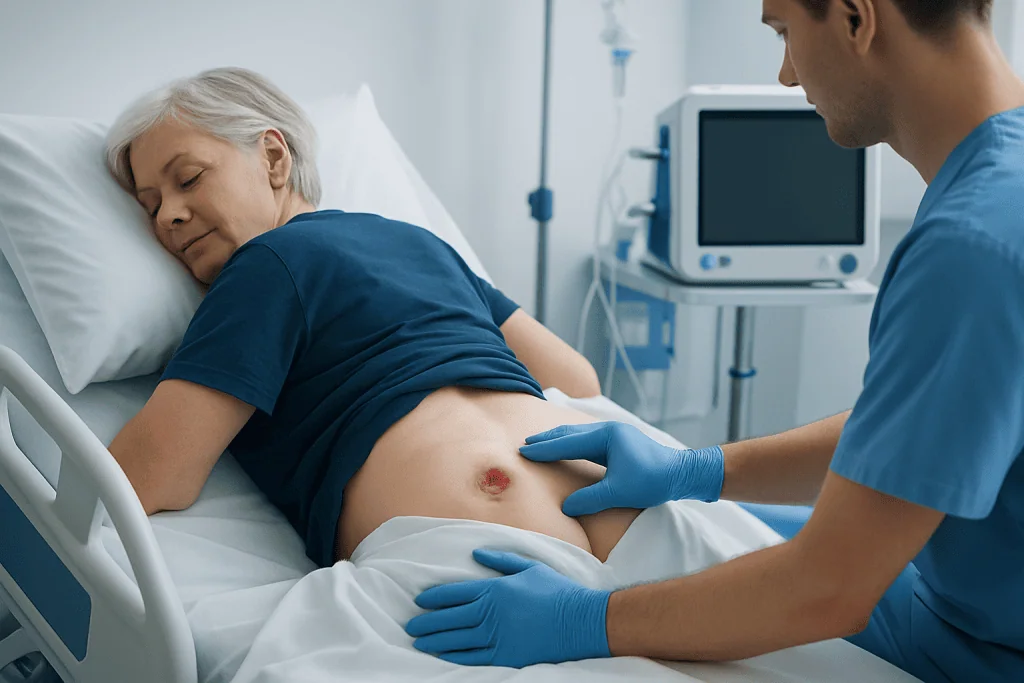
Stage 1 pressure ulcers affect intact skin. The area may look red, purple, or darker than nearby skin, depending on skin tone, and it may feel warmer, cooler, firmer, softer, or tender. In Stage 1, the skin is not broken, but the tissue is showing early signs of pressure-related injury.
Stage 2 pressure ulcers involve partial-thickness skin loss. The wound may look like a shallow open sore, a pink or red moist area, or a blister that is intact or broken. At this stage, the injury affects the outer skin and part of the deeper skin layer, but not fat, muscle, or bone.
Stage 3 pressure ulcers involve full-thickness skin loss. Fat tissue may be visible, and the wound is deeper than a Stage 2 ulcer. Tunneling or undermining can sometimes develop, meaning the tissue damage extends under the wound edges.
Stage 4 pressure ulcers are the deepest staged wounds. They involve full-thickness tissue loss with exposure of structures such as fascia, muscle, tendon, ligament, cartilage, or bone. These ulcers have a higher risk of infection and usually require more intensive wound care.
Two additional categories are also important:
- Unstageable pressure injury: the wound base is covered by slough or eschar, so the full depth cannot yet be determined.
- Deep tissue pressure injury: the skin may be intact or broken, but there is persistent deep red, maroon, or purple discoloration suggesting damage beneath the surface.
How symptoms can differ by stage

Early pressure injuries may begin with subtle changes rather than an obvious open wound. A patient or caregiver may notice discoloration that does not fade, localized warmth, swelling, firmness, itching, or discomfort when the area is touched. In people with reduced sensation, pain may be limited or absent, so visual skin checks become especially important.
As the ulcer worsens, symptoms may include broken skin, drainage, a crater-like wound, bad odor, and increasing tenderness around the area. Deeper wounds can collect dead tissue and may look larger beneath the surface than they appear from above. If infection develops, there may be redness spreading into the surrounding skin, pus, fever, or worsening pain.
It is also important to know that wound appearance can vary by skin tone and body location. On darker skin, early injury may appear as persistent purple, blue, or darker patches rather than bright redness. If there is any concern about a nonhealing sore, clinicians may also evaluate for related conditions such as diabetic foot problems or circulation issues that can affect recovery.
Why pressure ulcers happen and who is at risk
Pressure ulcers develop when sustained pressure reduces blood flow to the skin and underlying tissues. Without enough oxygen and nutrients, the tissue becomes damaged. Friction and shear can make this worse, such as when a person slides down in bed or is repositioned without enough support.
Anyone can develop a pressure ulcer, but risk is higher in people who have limited mobility. This includes patients after surgery, people recovering from stroke or injury, older adults, and those who use a wheelchair or stay in bed for long periods. Incontinence, sweating, and wound drainage can keep skin moist and more fragile, which increases the chance of breakdown.
Other important risk factors include poor nutrition, dehydration, diabetes, reduced circulation, smoking, low body weight, obesity, reduced sensation, and serious illness. Medical teams often assess these factors together because wound healing depends on more than the skin alone. For some patients, input from wound care, nutrition, rehabilitation, and physical therapy and rehabilitation specialists can be helpful in reducing ongoing pressure and improving function.
How pressure ulcers are diagnosed and assessed
Diagnosis starts with a physical examination. A clinician looks at the skin, measures the wound, checks the depth, examines the edges and surrounding tissue, and notes whether there is slough, eschar, tunneling, odor, or drainage. This bedside assessment is the main way pressure ulcer staging is determined.
Clinicians also ask when the wound appeared, how mobile the person is, whether there is incontinence, what support surfaces are being used, and whether pain is present. They may use a risk assessment tool in hospitals or long-term care settings to identify people who need prevention measures early.
Sometimes additional tests are needed. Blood tests may help assess infection, anemia, blood sugar control, or nutrition. If deep infection, poor blood flow, or bone involvement is suspected, imaging or specialist assessment may be recommended. Advanced wounds may be reviewed alongside wound care services, and in selected cases a person may need evaluation for vascular surgery if circulation problems are affecting healing.
Treatment options by stage and wound severity
The first goal of treatment is to remove pressure from the affected area. This is called pressure relief or offloading. Patients may need regular repositioning, special mattresses or cushions, heel protectors, and support with transfers to avoid friction and shear. These steps are important at every stage because even the best dressing will not work well if pressure continues.
Stage 1 and many Stage 2 ulcers are often treated with pressure relief, skin protection, moisture control, and dressings that keep the wound environment balanced. The care plan may also include gentle cleansing and close monitoring for signs of worsening. Clinicians choose dressings based on the wound’s location, drainage, and surrounding skin.
Stage 3, Stage 4, and some unstageable wounds usually need more intensive treatment. This can include debridement to remove dead tissue, treatment of infection when present, nutrition support, pain management, and careful management of underlying conditions. Some patients may benefit from advanced therapies or surgery, especially when wounds are large, deep, or slow to heal.
If a pressure ulcer becomes chronic or complicated, multidisciplinary care is often best. Near the end of the care pathway, some patients may be referred to surgical teams for closure or reconstruction, including plastic and reconstructive surgery when appropriate. Acibadem International’s multidisciplinary specialists in JCI-accredited hospitals also diagnose and treat pressure ulcers for international patients when coordinated care is needed.
Prevention and self-care for patients and caregivers
Prevention is one of the most effective parts of pressure ulcer care. People at risk should change position regularly, avoid staying on one pressure point for long periods, and use cushions or mattresses designed to distribute weight more evenly. Caregivers can help by following a turning schedule and checking common pressure areas every day.
Skin care also matters. The skin should be kept clean and dry, especially after sweating or incontinence episodes. Moisturizers may help protect dry skin, while barrier products can reduce damage from urine or stool. It is best to avoid vigorous rubbing over bony areas, since fragile skin can be injured more easily.
Good nutrition and hydration support healing and prevention. Adequate protein, calories, fluids, and management of medical conditions such as diabetes may improve the body’s ability to repair tissue. Smoking cessation, mobility exercises when possible, and early reporting of skin changes can also reduce risk.
Home care should be individualized. A patient with limited movement after surgery may need a different plan from someone with a neurological condition or long-term wheelchair use. Written instructions from a nurse or doctor can make care safer and more consistent.
When to seek medical care
Medical care should be sought promptly if a pressure ulcer is new, getting larger, becoming deeper, or not improving with basic pressure relief. A clinician should also assess any open sore in a person with diabetes, poor circulation, reduced immunity, or significant mobility limits, because complications can develop more easily in these situations.
Urgent assessment is important if there are signs of infection or tissue damage below the surface. Warning signs include fever, pus, foul odor, increasing redness around the wound, severe pain, blackened tissue, or a wound that exposes deeper structures. Care is also needed if the person becomes generally unwell, confused, or unable to eat and drink normally.
Even early-stage pressure injuries deserve professional attention if there is uncertainty about the cause. Not every skin wound over a bony area is a pressure ulcer, and similar lesions can come from friction, vascular disease, or other skin conditions. Early evaluation can help confirm the diagnosis, stage the injury accurately, and start the most appropriate care plan.
Frequently asked questions
What is the difference between a pressure ulcer and a pressure injury?
The terms are closely related and are often used interchangeably in patient education. "Pressure injury" is a broader term that includes damage to intact skin as well as open ulcers, while "pressure ulcer" often refers to wounds with skin breakdown.
Can a Stage 1 pressure ulcer heal?
Yes, a Stage 1 pressure ulcer can often improve if pressure is relieved early and the skin is protected. Quick action is important, because ongoing pressure can allow the injury to progress to deeper stages.
Does a healing pressure ulcer move backward through the stages?
No. A Stage 4 ulcer that heals does not become Stage 3, then Stage 2, then Stage 1. Instead, clinicians describe it as a healing Stage 4 pressure ulcer because the original depth remains part of the wound history.
Are pressure ulcers always painful?
Not always. Some people feel pain, burning, or tenderness, but others may have little or no discomfort, especially if they have reduced sensation from nerve damage or illness. This is why regular skin inspection is so important.
Who is most likely to develop pressure ulcers?
People with limited mobility are at highest risk, including those who spend long periods in bed or seated. Risk also rises with older age, poor nutrition, incontinence, diabetes, reduced circulation, and serious illness.
Can pressure ulcers be prevented at home?
Many can be reduced or prevented with regular repositioning, pressure-relieving cushions or mattresses, daily skin checks, and good moisture control. Home prevention works best when patients and caregivers receive clear guidance from a healthcare professional.
References
- National Pressure Injury Advisory Panel
- World Health Organization
- National Institute on Aging
- MedlinePlus
- American Academy of Dermatology
This article is for general information only and is not a substitute for professional medical advice. Please consult a qualified doctor about your individual situation.
Persistent digestive symptoms? Get evaluated in Turkey
JCI-accredited · board-certified surgeons · reply within 24h
Add us as a Preferred Source to see more of our trusted health content across Google Search, AI Overviews and Discover.

More from the Health Library



Related Specialists

Psk. Duygu Gökyıldırım Uslu
Psychology
Dr. Mustafa Kartal
Pediatrics
Asst. Prof. Dr. Altuğ Özagar
Otorhinolaryngology
Assoc. Prof. Dr. İlke Özer Aslan
Gynecology & Obstetrics