Primary Hyperaldosteronism: What Patients Need to Know

Primary hyperaldosteronism happens when the adrenal glands produce too much aldosterone. It can lead to high blood pressure, low potassium, muscle weakness, headaches, and increased urination, but some people have no clear symptoms.
Key Takeaways
- Primary hyperaldosteronism happens when the adrenal glands produce too much aldosterone.
- It can lead to high blood pressure, low potassium, muscle weakness, headaches, and increased urination, but some people have no clear symptoms.
- Diagnosis usually involves blood tests, confirmatory testing, and imaging, with some patients needing adrenal vein sampling.
- Treatment depends on the cause and may include medication or surgery.
- Early diagnosis can help protect the heart, kidneys, and blood vessels from long-term complications.
Primary hyperaldosteronism is a condition in which one or both adrenal glands make too much aldosterone, a hormone that helps control blood pressure and potassium balance. It is an important and often treatable cause of high blood pressure, especially when blood pressure is hard to control or potassium levels are low.
Overview: what primary hyperaldosteronism means
Primary hyperaldosteronism is a hormone disorder in which the adrenal glands release too much aldosterone. Aldosterone helps the body manage sodium, potassium, and fluid balance. When too much of this hormone is present, the body tends to retain sodium and water while losing potassium, which can raise blood pressure.
This condition is also called primary aldosteronism or Conn syndrome in some situations. It is one of the more common causes of secondary hypertension, meaning high blood pressure caused by an identifiable medical problem. Because many people with the condition simply appear to have routine hypertension, it may go unrecognized for some time.
Understanding primary hyperaldosteronism matters because it is often treatable. In some people, the problem comes from one adrenal gland and may be improved with surgery. In others, both glands are overactive and treatment usually focuses on medicines that block aldosterone’s effects.
Symptoms and how it can affect daily life
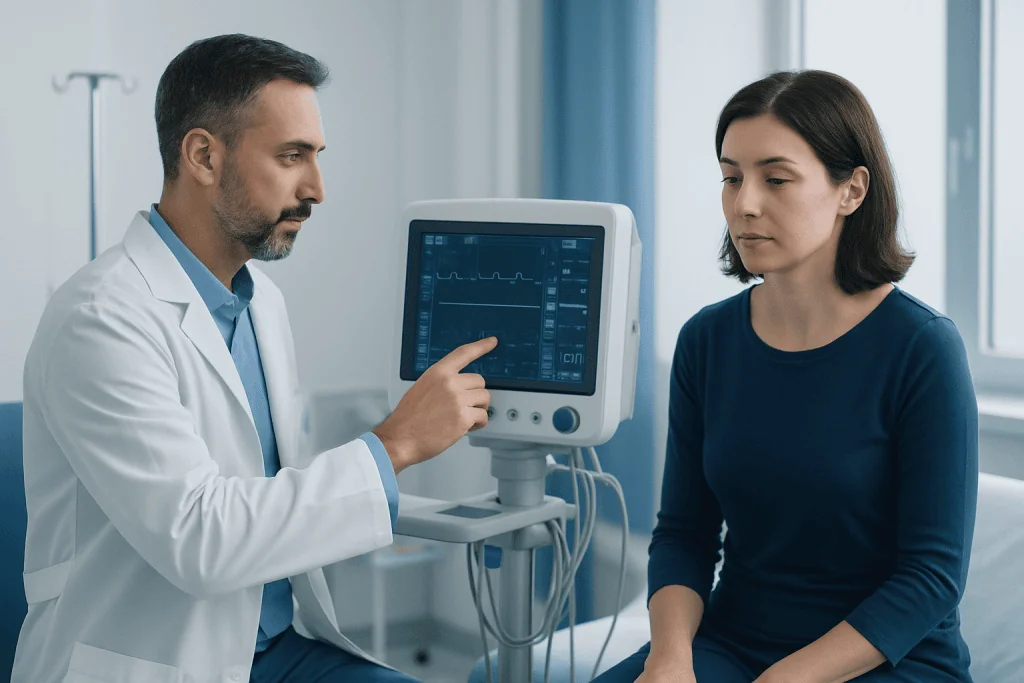
The most common sign of primary hyperaldosteronism is high blood pressure. Blood pressure may be persistently elevated, may require several medicines to control, or may begin at a younger age than expected. Some people also develop low potassium, although potassium levels can be normal in many cases.
When potassium drops, symptoms may include muscle cramps, weakness, fatigue, tingling, constipation, increased thirst, and frequent urination. Headaches and palpitations can also occur. These symptoms are not specific to this disorder, which is one reason diagnosis can be delayed.
Some people feel completely well and learn about the condition only after tests for resistant hypertension or an adrenal nodule. Even without obvious symptoms, untreated primary hyperaldosteronism can place extra strain on the heart, blood vessels, and kidneys over time.
- High blood pressure that is difficult to control
- Low potassium on blood tests
- Muscle weakness or cramping
- Frequent urination or increased thirst
- Headaches or fatigue
Why it happens: causes and risk factors

Primary hyperaldosteronism develops when the adrenal glands themselves make too much aldosterone. The most common causes are an aldosterone-producing adenoma, which is a noncancerous tumor in one adrenal gland, and bilateral adrenal hyperplasia, in which both adrenal glands are overactive. Less commonly, inherited forms or rarer adrenal conditions may be involved.
Doctors may suspect the condition in people who have resistant hypertension, low potassium without another clear explanation, or high blood pressure together with an adrenal mass found on imaging. It may also be considered in people with sleep apnea, a family history of early hypertension or stroke, or blood pressure that starts at a young age.
Primary hyperaldosteronism differs from other hormone-related causes of hypertension because the adrenal gland is producing excess aldosterone relatively independently. For some patients, the evaluation overlaps with workups for related adrenal disorders such as Cushing syndrome when symptoms suggest a broader hormone imbalance.
How doctors diagnose primary hyperaldosteronism
Diagnosis usually begins with screening blood tests. A doctor may measure aldosterone and renin, then calculate the aldosterone-to-renin ratio. This helps identify whether aldosterone is inappropriately high compared with renin. Certain blood pressure medicines can affect results, so the healthcare team may adjust medications before testing when it is safe to do so.
If screening suggests primary hyperaldosteronism, confirmatory testing is often recommended. This may involve carefully supervised salt-loading or suppression tests to show that aldosterone remains high when it should normally decrease. Blood potassium is also checked and corrected if low, because potassium levels can influence hormone results.
Imaging such as MRI or CT can help look at the adrenal glands, but scans alone usually cannot determine whether one gland or both glands are causing the problem. In many adults considering surgery, adrenal vein sampling is the key next step. This specialized procedure compares hormone levels from each adrenal gland and helps guide treatment decisions.
Because high blood pressure can also affect the heart and kidneys, doctors may recommend additional evaluation. Depending on the person’s health needs, this can include blood and urine tests, kidney assessment, and tests such as echocardiography to look for effects of long-standing hypertension on the heart.
Treatment options and what to expect
Treatment depends on the underlying cause. If one adrenal gland is producing too much aldosterone, surgery to remove that gland may be recommended. This is usually considered when testing shows unilateral disease and the person is healthy enough for an operation. Surgery can improve blood pressure control and may reduce the need for medication, although some patients still need ongoing treatment for hypertension.
If both adrenal glands are overproducing aldosterone, or if surgery is not the best choice, doctors usually prescribe mineralocorticoid receptor blockers. These medicines reduce the harmful effects of aldosterone and can help control blood pressure while correcting potassium levels. Regular follow-up is important to monitor blood pressure, kidney function, and electrolytes.
When an operation is planned, evaluation may include endocrine review, imaging, and preparation for adrenalectomy when appropriate. The aim is not only to lower blood pressure but also to reduce long-term risks to the cardiovascular system. Treatment plans are individualized, especially for older adults, people with kidney disease, or those taking multiple blood pressure medicines.
For international patients, Acibadem International’s multidisciplinary specialists and JCI-accredited hospitals diagnose and treat adrenal and blood pressure disorders with coordinated endocrine, radiology, and surgical care when needed.
Living well with the condition: self-care and long-term monitoring
Even when treatment is effective, ongoing monitoring remains important. Blood pressure should be checked regularly, and follow-up blood tests help confirm that potassium and kidney function remain stable. Many people benefit from tracking home blood pressure readings and bringing them to clinic visits.
Healthy lifestyle habits still matter. Reducing excess sodium intake, staying physically active, maintaining a weight that supports overall health, limiting alcohol, and avoiding tobacco can all support better blood pressure control. These steps do not replace medical treatment, but they can improve overall cardiovascular health.
People should take medicines exactly as prescribed and should not stop blood pressure medicines on their own. If side effects occur, a doctor can often adjust treatment. Ongoing care may also involve reviewing other causes of high blood pressure such as hypertension more broadly, especially if blood pressure remains elevated after treatment begins.
When to seek medical care
A person should speak with a doctor if blood pressure is repeatedly high, especially if it remains elevated despite treatment with several medicines. Medical review is also important if routine blood tests show low potassium or if there are symptoms such as unexplained muscle weakness, frequent urination, or excessive thirst.
Prompt medical attention is needed for symptoms that could suggest a hypertensive emergency or serious potassium imbalance. These include chest pain, shortness of breath, severe headache, confusion, fainting, severe weakness, or an irregular heartbeat. These symptoms are not specific to primary hyperaldosteronism, but they should never be ignored.
Because the condition can be overlooked, patients may wish to ask whether testing is appropriate if they have resistant hypertension, an adrenal nodule, or a family history of early-onset high blood pressure or stroke. A qualified clinician can decide which tests are suitable and how to interpret them safely.
Frequently asked questions
Is primary hyperaldosteronism the same as regular high blood pressure?
No. Primary hyperaldosteronism is a specific cause of high blood pressure related to excess aldosterone production by the adrenal glands. It is a form of secondary hypertension, which means there is an underlying medical reason for the elevated blood pressure.
Can primary hyperaldosteronism happen if potassium levels are normal?
Yes. Although low potassium is a classic clue, many people with primary hyperaldosteronism have potassium levels within the normal range. This is why doctors may still test for the condition in people with difficult-to-control hypertension.
Is primary hyperaldosteronism curable?
Some cases can be effectively treated with surgery, especially when one adrenal gland is clearly responsible. Other cases are managed long term with medication, which can still provide good blood pressure and potassium control.
What tests are usually needed?
Most people start with blood tests that measure aldosterone and renin. If those results suggest the diagnosis, doctors may recommend confirmatory testing, adrenal imaging, and sometimes adrenal vein sampling to decide on the best treatment.
Does everyone with this condition need surgery?
No. Surgery is usually considered when one adrenal gland is the clear source of excess aldosterone. If both glands are involved, or if surgery is not suitable, medication is commonly the preferred treatment.
Why is early diagnosis important?
Early diagnosis may help prevent ongoing damage from excess aldosterone and uncontrolled blood pressure. Timely treatment can support better heart, kidney, and blood vessel health over the long term.
This article is for general information only and is not a substitute for professional medical advice. Please consult a qualified doctor about your individual situation.
Explore treatments in Turkey — costs, top hospitals & a free quote
JCI-accredited · board-certified surgeons · reply within 24h
Add us as a Preferred Source to see more of our trusted health content across Google Search, AI Overviews and Discover.
Check your numbers in seconds
BMI, calories, due date, blood pressure and 30+ more clinical calculators — free, instant, doctor-reviewed ranges.

More from the Health Library

Pandas — Explained by Medical Evidence, Not Myths

Small vessel disease: Symptoms, Causes, and Treatment — Complete Patient Guide

Nattokinase — Explained by Medical Evidence, Not Myths

Shiatsu Massage: An Evidence-Based Guide for Patients

Labia: An Evidence-Based Guide for Patients