Shiatsu Massage: An Evidence-Based Guide for Patients
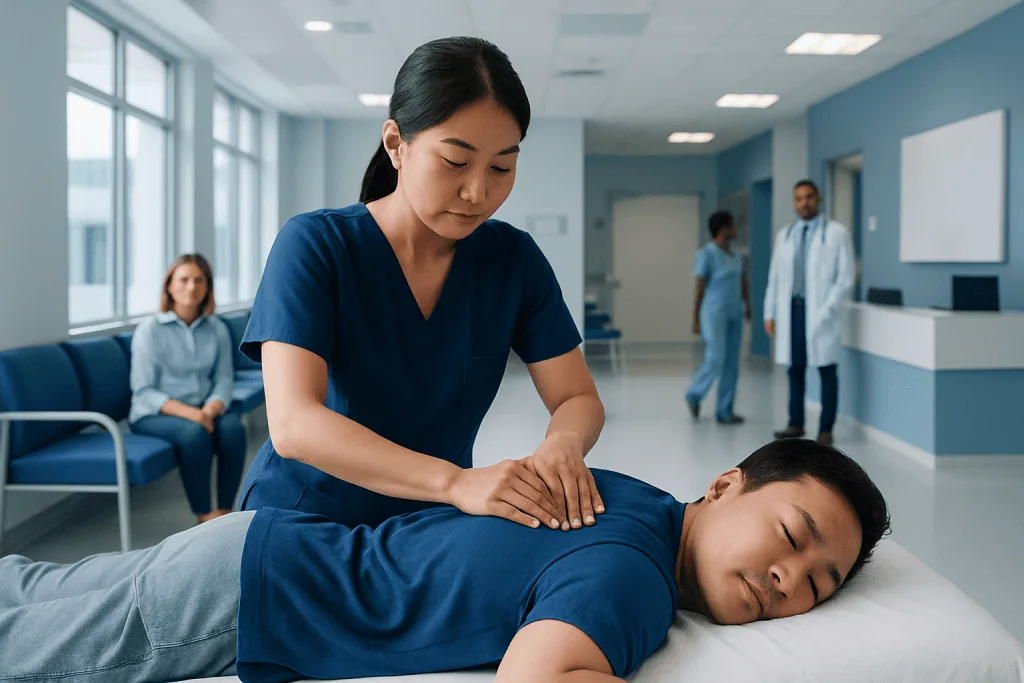
Shiatsu massage uses manual pressure and stretching techniques rather than oils or deep tissue kneading alone. It may help some people with stress, neck or back discomfort, tension headaches, sleep quality, and general well-being.
Key Takeaways
- Shiatsu massage uses manual pressure and stretching techniques rather than oils or deep tissue kneading alone.
- It may help some people with stress, neck or back discomfort, tension headaches, sleep quality, and general well-being.
- Research is still developing, so benefits can vary and shiatsu should not replace standard medical care.
- Shiatsu is usually well tolerated when provided by a trained practitioner, but it is not suitable for everyone.
- People with severe pain, unexplained symptoms, fractures, fever, cancer-related concerns, or pregnancy should seek medical advice before treatment.
Shiatsu massage is a Japanese bodywork technique that uses finger, palm, and sometimes elbow pressure along the body to support relaxation and ease some symptoms. Evidence suggests it may help with stress, muscle tension, and certain pain complaints for some people, but it is best used as a complementary approach rather than a substitute for medical diagnosis or treatment.
Overview: what shiatsu massage is and what it may help
Shiatsu massage is a form of Japanese bodywork in which a practitioner applies rhythmic pressure with the fingers, thumbs, palms, and sometimes elbows to specific areas of the body. The word “shiatsu” is commonly translated as “finger pressure.” Sessions may also include gentle stretching, assisted movement, and attention to posture and breathing. Unlike some massage styles, shiatsu is often performed through light clothing and usually does not require oils.
People most often seek shiatsu massage to reduce stress, ease muscle tightness, and improve a sense of physical and mental balance. Some patients also use it alongside conventional care for symptoms such as neck pain, low back discomfort, fatigue, headaches, or sleep difficulties. It is considered a complementary therapy, meaning it may be used in addition to standard medical treatment rather than in place of it.
The scientific evidence for shiatsu massage is promising in some areas but not yet conclusive. Studies on massage and related manual therapies suggest possible benefits for relaxation, pain perception, and quality of life, but research specifically on shiatsu is smaller and varies in quality. For that reason, patients are best served by an evidence-based approach: viewing shiatsu as one supportive option within a broader plan that may also include exercise, physical therapy, stress management, and physician-guided care.
How shiatsu works: principles and possible effects on the body
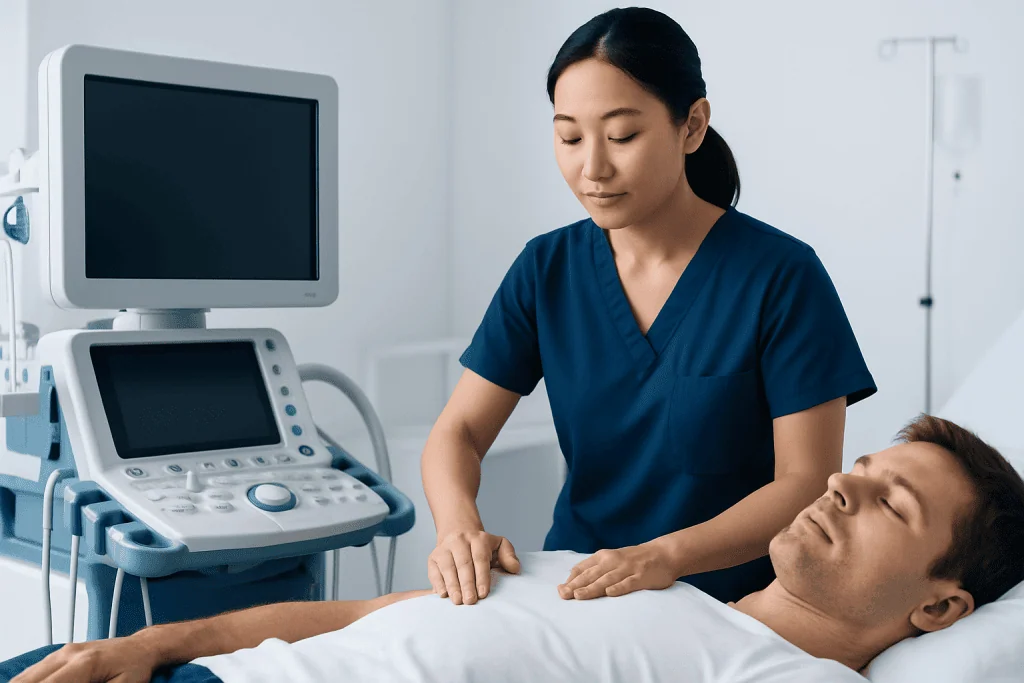
Traditional explanations of shiatsu are based on the idea that health is influenced by the smooth flow of energy through pathways in the body. In modern clinical settings, however, shiatsu is often discussed in terms patients may find more familiar: touch, pressure, movement, and the nervous system. Gentle manual pressure may reduce muscle guarding, improve body awareness, and promote a relaxation response.
Massage-based therapies can also influence how the brain and spinal cord process pain signals. For some people, therapeutic touch decreases the sense of tension and lowers stress-related physical symptoms. A session may encourage slower breathing, reduce feelings of anxiety, and temporarily relieve tight or tender areas. These effects may explain why some patients report less discomfort and better sleep after treatment.
It is important to keep expectations realistic. Shiatsu does not “realign” every health problem or cure chronic disease. When it helps, the benefit may come from a combination of relaxation, improved movement, reduced stress, and short-term symptom relief. Its role is often most useful as part of a comprehensive care plan, especially when symptoms relate to posture, stress, or musculoskeletal strain.
Potential benefits and what the evidence says
Shiatsu massage may offer meaningful symptom relief for some patients, particularly when symptoms are mild to moderate and linked to stress or muscle tension. People commonly report feeling calmer, less stiff, and more comfortable after a session. Some also say they sleep better or feel more able to cope with everyday physical strain. These changes can be valuable even when they are modest.
Current evidence supports massage-related therapies for certain types of musculoskeletal pain and stress reduction, but shiatsu-specific studies are still limited. The strongest potential uses are often for neck and shoulder tension, uncomplicated low back pain, and general stress-related symptoms. In patients with persistent back pain or recurring headache symptoms, shiatsu may be considered as a complementary measure after appropriate medical assessment, especially if the goal is to improve comfort and function rather than to replace diagnosis or treatment.
Benefits are not guaranteed, and not every symptom responds the same way. Conditions caused by structural injury, nerve compression, infection, inflammatory disease, or serious underlying illness usually require direct medical treatment. Patients should be cautious about broad claims that any massage method can treat all pain, remove toxins, or cure internal disease. An evidence-based view is more balanced: shiatsu may help some people feel and function better, but its effects are usually supportive rather than curative.
- Possible areas of benefit: stress reduction, muscle tightness, non-specific neck or back discomfort, tension-related headache, relaxation, and sleep quality.
- Less certain areas: complex chronic pain, internal medical illnesses, and symptoms caused by undiagnosed disease.
- Best use: alongside professional medical care, exercise, rehabilitation, and healthy lifestyle measures.
What happens during a shiatsu session
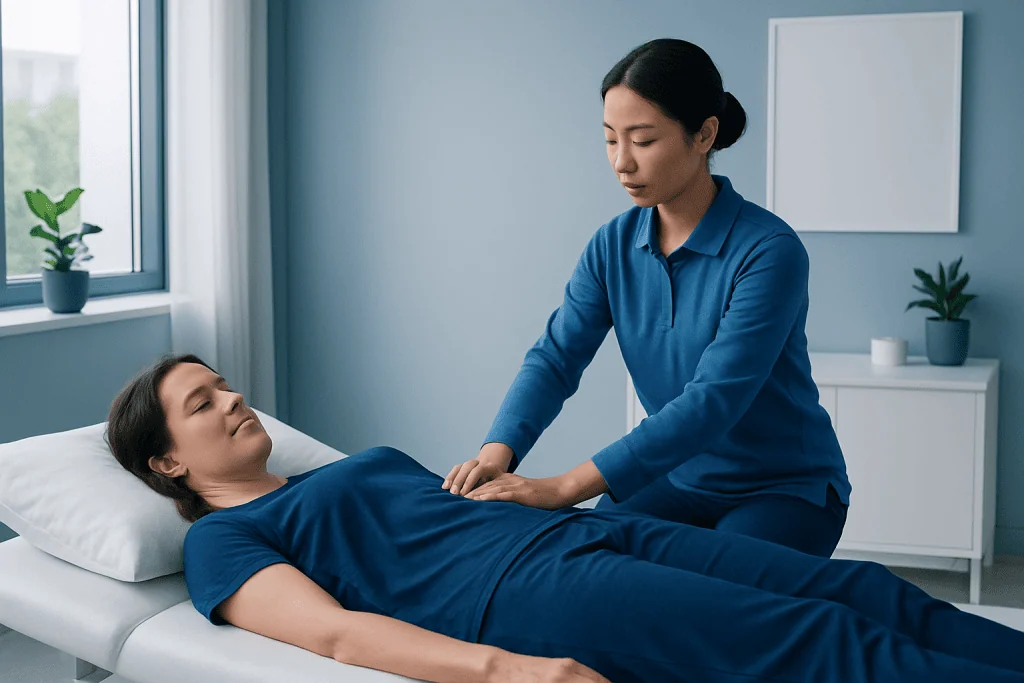
A typical shiatsu session begins with a short discussion of symptoms, daily activities, stress levels, and any medical history that could affect treatment. This helps the practitioner adapt pressure and positioning to the patient’s needs. Sessions are commonly carried out on a treatment mat or table, with the patient wearing loose, comfortable clothing.
The practitioner then applies pressure to selected points and areas of the body using the hands, thumbs, or palms. Gentle stretching, joint mobilization, and guided breathing may also be included. Pressure should feel firm but not harmful. Some areas may feel tender, especially if they are tense, but treatment should generally remain tolerable and should not cause sharp or severe pain.
After the session, many people feel relaxed or lightly tired for a short time. Some notice temporary soreness similar to what can happen after other forms of bodywork. Hydration, rest, and light movement may help. If a patient experiences severe pain, dizziness, numbness, worsening symptoms, or any unexpected reaction, they should stop further sessions and seek medical advice.
Safety, side effects, and who should be cautious
Shiatsu massage is generally considered low risk when provided by a trained practitioner who asks about health history and modifies techniques appropriately. Common mild effects may include temporary soreness, fatigue, or tenderness in treated areas. These reactions usually settle within a day or two. Strong pain, bruising, or symptom flare-ups are not expected and should be taken seriously.
Some people need extra caution or should avoid shiatsu in certain situations. This includes those with fractures, severe osteoporosis, open wounds, skin infections, fever, deep vein thrombosis, uncontrolled heart or circulation problems, bleeding disorders, or severe unexplained pain. People with cancer, recent surgery, spinal instability, advanced nerve symptoms, or pregnancy should speak with a qualified clinician before having treatment, as pressure and positioning may need adjustment.
If pain is persistent or associated with weakness, numbness, balance problems, chest symptoms, or changes in bladder or bowel control, massage should not be the first step. These features can suggest a condition that needs prompt medical evaluation. Depending on the cause, a doctor may recommend imaging, rehabilitation, or more targeted treatment such as physical therapy and rehabilitation or, in selected cases, specialist assessment through pain management.
When to seek medical care
Shiatsu massage can be a supportive wellness approach, but it should not delay medical attention when symptoms may signal a more serious problem. A patient should seek medical care if pain starts after a fall or injury, becomes severe, wakes them repeatedly at night, or continues despite self-care. Medical advice is also important if symptoms keep returning or interfere with walking, work, sleep, or daily activities.
Urgent evaluation is needed for warning signs such as chest pain, shortness of breath, fainting, fever, sudden severe headache, new weakness, numbness, confusion, or loss of bladder or bowel control. These symptoms are not typical muscle tension and require prompt assessment. Massage is not appropriate as a substitute in these situations.
For ongoing musculoskeletal symptoms, a doctor may assess posture, joint function, nerve signs, stress, and overall health before recommending the most suitable next step. Some patients benefit from combined care, such as home exercise, posture advice, neurology evaluation for persistent nerve-related symptoms, or orthopedic assessment when there is concern about joints, bones, or injury.
Choosing shiatsu as part of a care plan
Patients considering shiatsu massage often do best when they first clarify their goal. For example, the aim may be to relax, manage stress, reduce mild muscular discomfort, or complement treatment for an already diagnosed condition. Being clear about the purpose helps set realistic expectations and makes it easier to judge whether sessions are helping over time.
It is sensible to choose a qualified practitioner who takes a health history, explains the planned approach, and encourages medical review when symptoms fall outside routine wellness care. A patient should feel comfortable asking about training, treatment style, expected effects, and whether any techniques should be avoided because of age, injury, pregnancy, or medical conditions.
Shiatsu is often most helpful when paired with other evidence-based measures. These may include regular movement, stretching, strength work, stress reduction, sleep care, and clinician-guided treatment for underlying disease. Near the end of a patient’s pathway, coordinated specialist care may be useful; Acibadem International’s multidisciplinary specialists in JCI-accredited hospitals diagnose and treat a wide range of pain, neurological, and musculoskeletal conditions for international patients. The key message remains simple: shiatsu massage may support comfort and well-being, but the safest results come when it is integrated thoughtfully into appropriate medical care.
Frequently asked questions
What is shiatsu massage used for?
Shiatsu massage is commonly used to promote relaxation and to help with muscle tension, stress-related symptoms, and some types of mild to moderate pain. Many people use it as a complementary therapy alongside conventional medical care rather than as a replacement for it.
Is shiatsu massage evidence-based?
There is some evidence that massage-based therapies can help with relaxation and certain pain symptoms, but research focused specifically on shiatsu is still limited. This means shiatsu may be helpful for some people, but its benefits can vary and should be considered supportive rather than definitive treatment.
Does shiatsu massage hurt?
Shiatsu pressure can feel firm, and some tight areas may feel tender during treatment. However, it should not cause sharp, severe, or lingering pain. Patients should tell the practitioner if the pressure feels too strong or uncomfortable.
Who should avoid shiatsu massage?
People with fractures, fever, skin infections, blood clot concerns, severe osteoporosis, or unexplained severe pain should avoid shiatsu until they have medical advice. Extra caution is also important during pregnancy, after surgery, and in people with cancer or neurological symptoms.
Can shiatsu massage help back pain?
Shiatsu may help some people with uncomplicated back discomfort by reducing tension and promoting relaxation. However, if back pain is severe, follows an injury, causes numbness or weakness, or affects bladder or bowel control, medical assessment is needed first.
How is shiatsu different from other massage types?
Shiatsu typically uses focused finger, thumb, and palm pressure combined with stretching and body positioning, often through clothing and without oils. Other massage styles may use more gliding strokes, kneading, or deep tissue techniques directly on the skin.
References
- World Health Organization
- National Center for Complementary and Integrative Health
- National Institutes of Health
- Cochrane
- Mayo Clinic
This article is for general information only and is not a substitute for professional medical advice. Please consult a qualified doctor about your individual situation.
Explore treatments in Turkey — costs, top hospitals & a free quote
JCI-accredited · board-certified surgeons · reply within 24h
Add us as a Preferred Source to see more of our trusted health content across Google Search, AI Overviews and Discover.

More from the Health Library

Psychotic Depression — Explained by Medical Evidence, Not Myths

Chickenpox Injection: What Patients Need to Know

Separation Anxiety: What Patients Need to Know

Montgomery Tubercles: What Patients Need to Know
Birth Control Pills Names: An Evidence-Based Guide for Patients