Glimepiride — Explained by Medical Evidence, Not Myths

Glimepiride is an oral sulfonylurea medicine used for type 2 diabetes, not type 1 diabetes. Its main risk is hypoglycemia, or blood sugar that drops too low.
Key Takeaways
- Glimepiride is an oral sulfonylurea medicine used for type 2 diabetes, not type 1 diabetes.
- Its main risk is hypoglycemia, or blood sugar that drops too low.
- Glimepiride often works best alongside nutrition, exercise, and regular glucose monitoring.
- Some people may gain weight or need dose adjustments based on age, kidney function, or other medicines.
- Patients should seek medical advice promptly for severe low blood sugar, allergic reactions, or symptoms of very high blood sugar.
Glimepiride is a prescription medicine used to help lower blood sugar in adults with type 2 diabetes. It can be effective when paired with food, activity, and medical follow-up, but its benefits and risks are best understood through evidence rather than common myths.
What glimepiride is and how it works
Glimepiride is an oral prescription medicine used to treat type 2 diabetes. It belongs to a group of drugs called sulfonylureas, which help the pancreas release more insulin. In practical terms, this means it can lower blood sugar levels when the body still makes some insulin but does not use it effectively.
Medical evidence shows that glimepiride can improve blood sugar control, especially when it is combined with healthy eating, physical activity, and regular follow-up. It is not a cure for diabetes, and it does not replace lifestyle measures. Instead, it is one tool within a broader diabetes care plan.
Glimepiride is generally used for adults with type 2 diabetes. It is not suitable for people with type 1 diabetes or diabetic ketoacidosis, because those conditions require different treatment approaches. A doctor decides whether glimepiride is appropriate based on a person’s health history, blood sugar patterns, and other medicines.
Common uses and what glimepiride can and cannot do
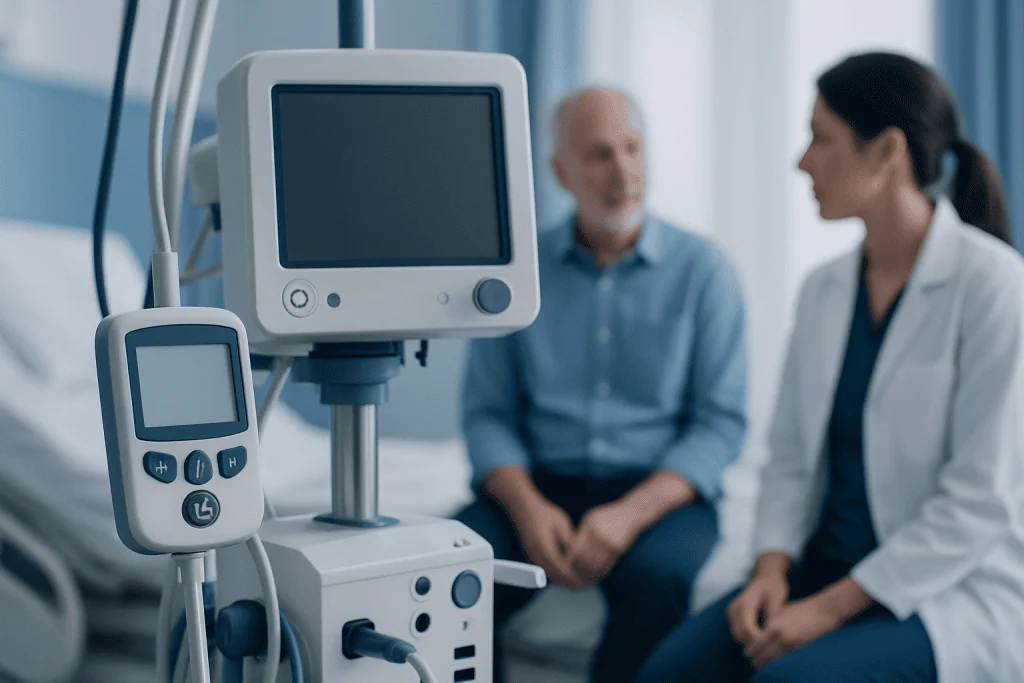
The main approved use of glimepiride is to help lower blood glucose in adults with type 2 diabetes when lifestyle measures alone are not enough. It may be prescribed by itself or together with other diabetes medicines, depending on treatment goals and response over time.
One common myth is that a tablet like glimepiride can “fix” diabetes on its own. Evidence does not support that idea. Blood sugar control is usually best when medication is combined with meal planning, regular movement, sleep, and follow-up testing such as HbA1c.
Another misunderstanding is that stronger blood sugar lowering is always better. In reality, treatment is individualized. A medicine that lowers glucose effectively but causes frequent low blood sugar may not be the right choice for every patient, especially older adults or people with kidney problems.
For some patients, glimepiride may be used within a broader diabetes treatment plan that can also include diabetes treatment strategies such as education, nutrition support, and adjustment of other medicines over time.
Possible side effects and safety considerations

The most important side effect of glimepiride is hypoglycemia, also called low blood sugar. This can happen if a person skips meals, exercises more than usual, drinks alcohol without eating enough, takes too much medicine, or combines glimepiride with certain other glucose-lowering drugs. Symptoms may include sweating, shakiness, hunger, dizziness, confusion, headache, a fast heartbeat, or blurred vision.
Some people may also notice weight gain while taking glimepiride. Other possible side effects can include nausea, mild stomach upset, or skin reactions, although many patients tolerate the medicine reasonably well when it is prescribed carefully.
Rare but important safety concerns include severe allergic reactions, severe low blood sugar, and liver-related or blood-related problems. These are uncommon, but patients should know that any new rash, yellowing of the skin or eyes, unusual bruising, or extreme weakness should be discussed with a doctor promptly.
Glimepiride safety also depends on the whole person, not only the medication itself. Age, kidney and liver function, eating habits, and other prescriptions all affect how safely it can be used. That is why medication reviews and follow-up are important.
Who may need extra caution
Glimepiride is not equally suitable for everyone. Older adults may be more vulnerable to low blood sugar, especially if appetite is poor, meals are irregular, or other illnesses are present. Patients with kidney or liver impairment may also need extra caution, because the medicine’s effects can become harder to predict.
People who take multiple medicines should tell their doctor and pharmacist about all prescriptions, over-the-counter products, and supplements. Some drugs can raise or lower blood sugar or change how strongly glimepiride works. Even short-term treatments, such as certain antibiotics or steroids, may affect diabetes control.
Pregnancy, breastfeeding, and major surgery require individualized planning. In these situations, doctors may adjust treatment or recommend a different approach. Patients should not start, stop, or change glimepiride without medical advice.
Anyone with symptoms suggesting very unstable diabetes may need a broader review for related concerns such as diabetes complications or a need to reconsider the current treatment plan.
How doctors monitor glimepiride treatment
Glimepiride treatment is usually monitored with a combination of home blood glucose checks, HbA1c testing, and routine clinical review. These tools help a doctor understand whether the medicine is improving overall blood sugar control without causing frequent low readings.
Follow-up visits may also include discussion of meal timing, exercise habits, weight changes, and episodes of dizziness or sweating that could suggest hypoglycemia. In many cases, what looks like a “medicine problem” is actually related to missed meals, changing routines, illness, or interactions with other drugs.
Doctors may also order tests to assess kidney function, liver function, and general health. This is especially helpful in older adults and in people who have several chronic conditions. Monitoring is not just a formality; it is part of using glimepiride safely and effectively.
If blood sugar remains above target despite treatment, a clinician may adjust the dose or consider other options, including broader endocrinology and metabolic diseases treatment support for more tailored care.
Daily use, self-care, and reducing the risk of low blood sugar
Glimepiride works best when taken exactly as prescribed. Patients should follow their doctor’s instructions closely, including when to take the medicine in relation to meals. Because low blood sugar is the main concern, regular eating patterns are important unless a doctor has advised a specific plan.
Self-care while using glimepiride often includes:
- Eating meals at regular times and not skipping food
- Checking blood glucose as recommended
- Learning the early signs of low blood sugar
- Carrying a fast-acting source of glucose if advised
- Discussing alcohol use with a healthcare professional
- Reviewing all medicines and supplements for interactions
Exercise remains a key part of diabetes care, but activity can sometimes lower blood sugar more than expected. Patients may need guidance on timing meals, snacks, or glucose checks around physical activity. This does not mean exercise should be avoided; it means it should be planned safely.
Long-term self-care also includes attention to sleep, foot care, blood pressure, and routine diabetes screening. Glimepiride addresses blood sugar, but overall health in diabetes depends on much more than a single medication.
When to seek medical care
Medical care should be sought promptly if a person taking glimepiride has symptoms of severe low blood sugar, such as fainting, seizures, inability to swallow, severe confusion, or unusual behavior. These situations need urgent attention, especially if the person cannot safely take sugar by mouth.
A doctor should also be contacted if blood sugar remains consistently high, if there is repeated low blood sugar despite following instructions, or if new symptoms appear such as rash, jaundice, persistent vomiting, chest pain, or shortness of breath. These problems do not always mean glimepiride is the cause, but they should not be ignored.
Patients should also arrange medical review during illness, before surgery, or when major changes in eating, activity, or other medicines occur. Treatment often needs temporary adjustment in these settings. Early communication can help prevent complications.
Near the end of a patient’s evaluation or treatment journey, multidisciplinary care may be helpful. Acibadem International’s specialists in JCI-accredited hospitals diagnose and treat diabetes-related conditions for international patients, including cases that need coordinated endocrine assessment and check-up planning.
Frequently asked questions
What is glimepiride used for?
Glimepiride is used to help lower blood sugar in adults with type 2 diabetes. It is usually prescribed when lifestyle measures alone are not enough and may be used alone or with other diabetes medicines.
Can glimepiride cause low blood sugar?
Yes. Low blood sugar is one of the best-known risks of glimepiride, particularly if meals are skipped, alcohol is used without enough food, or the medicine is combined with certain other treatments. Patients should learn the signs of hypoglycemia and discuss prevention strategies with their doctor.
Does glimepiride cause weight gain?
It can. Some people gain weight while taking glimepiride, although the amount varies and not everyone experiences this effect. A doctor may review eating patterns, exercise, and alternative treatment options if weight changes become a concern.
Is glimepiride the same as insulin?
No. Glimepiride is an oral medicine that helps the pancreas release more insulin, while insulin is a hormone given as a separate treatment. They work differently, and some patients may need insulin instead of or in addition to tablets.
Who should be careful when taking glimepiride?
Older adults, people with kidney or liver problems, and those taking multiple medicines may need closer monitoring. Anyone with frequent low blood sugar, irregular meals, or changing health conditions should speak with a healthcare professional about safe use.
What should a patient do if glimepiride does not seem to be working?
They should not change the dose on their own. Blood sugar can be affected by infection, stress, diet, exercise, and other medicines, so a doctor may need to review the overall treatment plan and decide whether monitoring, dose adjustment, or a different medicine is needed.
References
- American Diabetes Association
- National Institute of Diabetes and Digestive and Kidney Diseases
- MedlinePlus
- Mayo Clinic
- National Health Service
This article is for general information only and is not a substitute for professional medical advice. Please consult a qualified doctor about your individual situation.
Explore treatments in Turkey — costs, top hospitals & a free quote
JCI-accredited · board-certified surgeons · reply within 24h
Add us as a Preferred Source to see more of our trusted health content across Google Search, AI Overviews and Discover.