Proactive — Explained by Medical Evidence, Not Myths

Proactive health means preventing problems when possible and responding early when concerns appear. Being proactive is not the same as constant testing; it focuses on evidence-based care that matches age, risk, and symptoms.
Key Takeaways
- Proactive health means preventing problems when possible and responding early when concerns appear.
- Being proactive is not the same as constant testing; it focuses on evidence-based care that matches age, risk, and symptoms.
- Vaccines, screening, lifestyle measures, and regular checkups are central parts of proactive care.
- Early medical attention for warning signs can improve diagnosis and treatment options.
- A proactive plan should be personalized with a qualified healthcare professional.
In health, proactive means acting early to prevent illness, lower risk, and address symptoms before they become more serious. A proactive approach is based on medical evidence, not myths, and usually includes healthy habits, screening, vaccination, and timely medical evaluation.
Overview: What “proactive” means in health
In everyday language, proactive means taking action in advance rather than waiting for a problem to grow. In healthcare, a proactive approach means using proven steps to protect health, reduce risk, and identify concerns early. This often includes regular checkups, age-appropriate screening, vaccinations, healthy lifestyle choices, and paying attention to changes in the body.
Medical evidence supports prevention and early detection for many conditions. However, being proactive does not mean pursuing every possible test or worrying about every symptom. The most effective approach is balanced and personalized, focusing on measures that are known to help based on a person’s age, medical history, family history, and risk factors.
This evidence-based meaning is important because the word “proactive” is sometimes used loosely online. Some myths suggest that proactive health means frequent scans, unproven supplements, or self-diagnosis. In reality, proactive care is grounded in sound medical guidance and shared decision-making with a qualified clinician.
What proactive healthcare looks like in real life
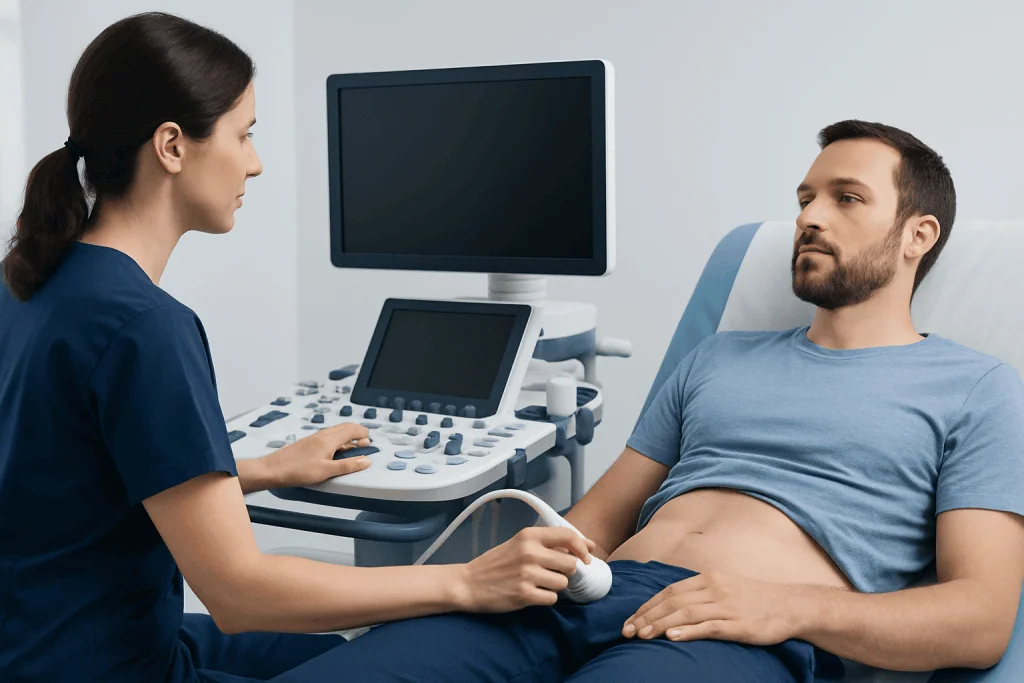
A proactive health plan usually starts with routine care. This may include an annual checkup or periodic visits, review of medications, blood pressure measurement, and discussion of sleep, nutrition, exercise, stress, and family history. For many people, proactive care also involves keeping vaccinations up to date and managing chronic conditions consistently rather than waiting for flare-ups.
It also includes recommended screening tests. Depending on age and individual risk, these may involve blood tests, cancer screening, bone health assessment, or imaging studies when clinically appropriate. Screening is proactive because it can detect disease before symptoms appear, but it should be used thoughtfully. The right test at the right time is more useful than broad, unnecessary testing.
Another practical part of being proactive is noticing patterns and acting on them early. Examples include seeking help for persistent fatigue, unexplained weight changes, changes in bowel habits, chest discomfort, or a lump that does not go away. Timely evaluation may lead to earlier diagnosis of conditions such as diabetes or high blood pressure, both of which often develop gradually.
- Keeping preventive appointments
- Following age-appropriate screening advice
- Choosing healthy daily habits
- Seeking medical advice for ongoing or unusual symptoms
- Managing existing conditions before complications develop
Why proactive care matters: benefits and limits

The main benefit of proactive healthcare is that it may reduce the chance of preventable illness and improve outcomes when disease does occur. For example, controlling blood pressure can lower the risk of stroke and heart disease. Vaccines help prevent infections or reduce their severity. Early recognition of suspicious symptoms may allow treatment to begin sooner, often when options are broader and less invasive.
Proactive care can also improve quality of life. Better sleep, physical activity, stress management, and treatment adherence often help energy, mood, mobility, and daily functioning. For people living with chronic disease, being proactive may mean fewer complications and better long-term control.
At the same time, proactive care has limits. Not every disease can be prevented, and no test can guarantee perfect health. Over-testing can lead to false alarms, unnecessary anxiety, and procedures that are not needed. That is why proactive medicine works best when it is evidence-based, individualized, and guided by a healthcare professional rather than by myths or trends.
Evidence-based ways to be proactive about health
Proactive health is most useful when it focuses on strategies that are supported by strong evidence. Vaccination is one of the clearest examples. Immunizations protect individuals and communities against serious infectious diseases and are recommended according to age, health status, occupation, travel, and other risk factors. Regular review with a clinician can help ensure vaccines remain current.
Screening and early evaluation are another major area. Appropriate use of tests such as blood pressure checks, cholesterol testing, cervical screening, mammography, colon cancer screening, and diabetes assessment can help detect problems earlier. In some cases, physicians may recommend advanced imaging or laboratory evaluation through services such as comprehensive health check-up programs when they are suitable for the individual.
Lifestyle choices also play a major role. A proactive plan often includes regular physical activity, a balanced eating pattern, avoiding tobacco, moderating alcohol use, maintaining a healthy weight, protecting sleep, and caring for mental wellbeing. When symptoms point to a possible underlying issue, clinicians may use targeted diagnostic tools such as MRI or CT scan to clarify what is happening rather than relying on guesswork.
- Stay up to date with routine and risk-based vaccinations
- Discuss personal and family history with a clinician
- Follow screening advice matched to age and risk
- Adopt sustainable lifestyle habits, not extreme short-term changes
- Use diagnostic tests when medically indicated
Common myths about being proactive
One common myth is that proactive people need many tests, even when they feel well and have no risk factors. In reality, more testing is not always better. Some tests can find harmless abnormalities that lead to extra procedures without improving health. Good proactive care aims for appropriate prevention and careful interpretation, not maximum testing.
Another myth is that supplements or wellness trends can replace medical care. While nutrition matters, supplements are not a substitute for screening, vaccination, prescribed treatment, or evaluation of symptoms. Many products marketed as “preventive” have limited evidence, and some can interact with medications or worsen medical conditions.
A third myth is that being proactive means never getting sick. Even people who follow strong preventive habits can develop illness. A proactive mindset is not about control over every outcome; it is about making informed choices, lowering avoidable risks, and seeking early care when needed. That balanced perspective can be reassuring rather than overwhelming.
How to build a proactive health plan
A practical proactive plan begins with a clear starting point. This includes current symptoms, existing diagnoses, medications, allergies, family history, and lifestyle habits. From there, a clinician can help identify priorities such as weight management, blood pressure control, smoking cessation, stress reduction, or screening tests that are due.
Goals are usually most effective when they are specific and realistic. Examples include walking a set number of days each week, improving sleep routines, scheduling a preventive exam, or following up on abnormal lab results. For people with long-term conditions, proactive care may mean regular monitoring and timely adjustment of treatment rather than waiting until symptoms worsen.
It is also useful to know when specialist care may be needed. Persistent digestive symptoms may require endoscopy or a gastroenterology review, while neurological symptoms, chest pain, or significant weight loss deserve direct medical evaluation. Near the end of the care pathway, some patients may choose assessment at centers such as Acibadem International, where multidisciplinary specialists in JCI-accredited hospitals diagnose and treat a wide range of conditions for international patients.
When to seek medical care
Being proactive includes knowing when self-care is not enough. Medical care should be sought promptly for symptoms that are severe, sudden, or persistent. Examples include chest pain, shortness of breath, fainting, weakness on one side, new confusion, heavy bleeding, severe abdominal pain, a seizure, or signs of a serious allergic reaction. These symptoms require urgent assessment.
Non-emergency symptoms also deserve medical attention if they do not improve or if they interfere with daily life. This includes ongoing fatigue, unexplained fever, a changing mole, a new lump, persistent cough, blood in the stool or urine, unintentional weight loss, or recurring headaches. It is especially important to seek care early if there is a strong family history of cancer, heart disease, stroke, or inherited disorders.
In children, older adults, pregnant people, and those with chronic illnesses or weakened immune systems, earlier evaluation is often wise. A clinician can decide whether symptoms can be monitored, treated conservatively, or investigated further. Prompt advice helps proactive care stay safe, measured, and evidence-based.
Frequently asked questions
What does proactive mean in health?
In health, proactive means taking sensible action before a problem becomes more serious. This includes prevention, screening, healthy habits, and early medical advice when symptoms appear.
Is proactive healthcare the same as preventive care?
They are closely related, but not exactly the same. Preventive care focuses on avoiding disease, while proactive healthcare also includes early recognition, regular monitoring, and timely action when a concern starts to develop.
Does being proactive mean having lots of medical tests?
No. A proactive approach is not about doing every possible test. It means using evidence-based tests and checkups that fit a person’s age, symptoms, and risk factors, while avoiding unnecessary investigations.
Can a proactive lifestyle prevent all disease?
No lifestyle or screening plan can prevent every illness. However, healthy habits and timely medical care can lower risk, support early diagnosis, and improve outcomes for many common conditions.
How can someone start being more proactive about health?
A good first step is to schedule a routine medical review and discuss personal risk factors, family history, and any symptoms. From there, a doctor can help create a realistic plan for screening, lifestyle changes, and follow-up.
When should someone stop self-monitoring and see a doctor?
A doctor should be consulted when symptoms are severe, sudden, or ongoing, or when they affect daily activities. Urgent medical care is needed for warning signs such as chest pain, breathing difficulty, fainting, weakness, severe pain, or heavy bleeding.
References
- World Health Organization
- Centers for Disease Control and Prevention
- U.S. Preventive Services Task Force
- National Institutes of Health
- American Heart Association
This article is for general information only and is not a substitute for professional medical advice. Please consult a qualified doctor about your individual situation.
Explore treatments in Turkey — costs, top hospitals & a free quote
JCI-accredited · board-certified surgeons · reply within 24h
Add us as a Preferred Source to see more of our trusted health content across Google Search, AI Overviews and Discover.
Check your numbers in seconds
BMI, calories, due date, blood pressure and 30+ more clinical calculators — free, instant, doctor-reviewed ranges.