Procedure Code 43239: An Evidence-Based Patient Guide
CPT code 43239 generally describes an upper endoscopy with biopsy of the upper digestive tract. A biopsy is a small tissue sample examined by a pathologist; it does not by itself mean cancer is suspected or diagnosed.
Key Takeaways
- CPT code 43239 generally describes an upper endoscopy with biopsy of the upper digestive tract.
- A biopsy is a small tissue sample examined by a pathologist; it does not by itself mean cancer is suspected or diagnosed.
- Fasting instructions vary, but many patients may be allowed clear liquids up to two hours before sedation; the endoscopy team’s instructions take priority.
- Most people return home the same day after sedation and need an adult to accompany them.
- Coverage, including Medicare coverage, depends on medical necessity, setting, plan rules and whether the clinician accepts the insurance assignment.
Procedure code 43239 is the billing and documentation code commonly used for an upper gastrointestinal endoscopy in which a clinician takes one or more biopsies. It helps explain that the procedure involved both viewing the esophagus, stomach and first part of the small intestine and collecting tissue for laboratory analysis.
Overview: what procedure code 43239 means
Procedure code 43239 is a Current Procedural Terminology (CPT) code used in the United States for an upper gastrointestinal endoscopy with biopsy. In practical terms, it means a gastroenterologist used a flexible camera to inspect the upper digestive tract and removed small tissue samples for laboratory examination.
The procedure is also called esophagogastroduodenoscopy, or EGD. It allows the clinician to view the esophagus, stomach and duodenum, which is the first part of the small intestine. The procedure code 43239 description focuses on the added biopsy service, rather than only the visual examination.
Biopsies may be taken from tissue that looks normal as well as tissue that appears inflamed, irritated or otherwise changed. This is common because some conditions can only be identified under a microscope. A biopsy is a diagnostic step and does not automatically indicate a serious condition.
Upper endoscopy may help evaluate symptoms such as persistent heartburn, difficulty swallowing, upper abdominal pain, nausea, vomiting, unexplained anemia or gastrointestinal bleeding. It may also be used to monitor known digestive conditions.
What is CPT code 43239 used for?
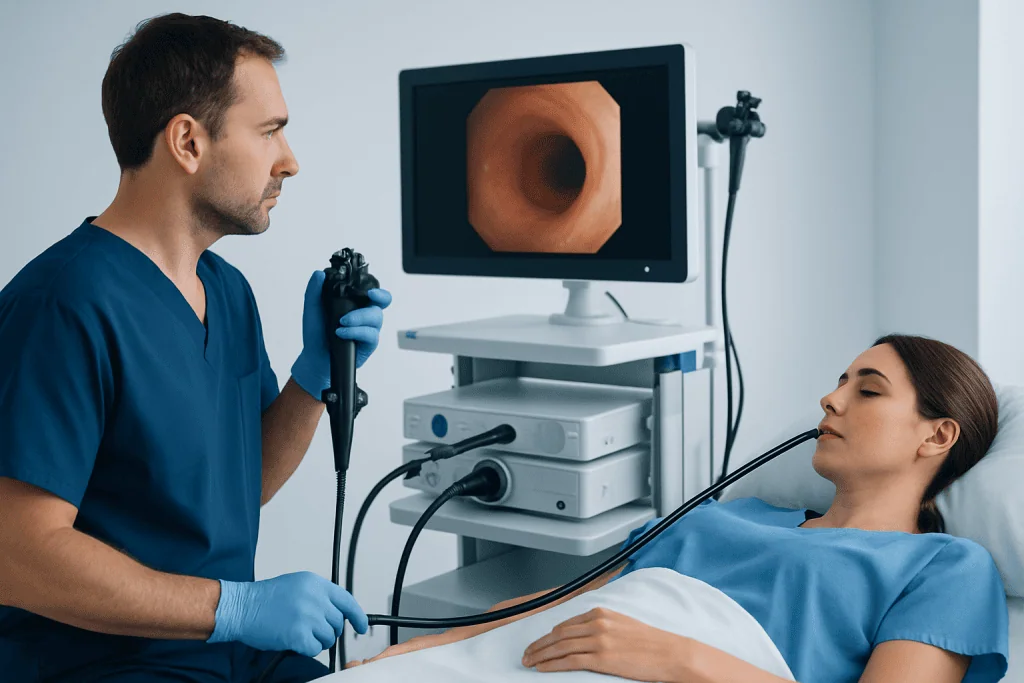
CPT code 43239 is used to document and bill for a diagnostic upper endoscopy in which the clinician obtains tissue by biopsy. During procedure 43239, an endoscope is passed through the mouth and gently guided into the upper digestive tract while the patient is monitored and usually sedated.
The tissue samples can help identify or assess inflammation, infection, ulcers, celiac disease, changes related to reflux, and infection with Helicobacter pylori, a bacterium associated with gastritis and peptic ulcers. Biopsies can also help clarify whether abnormal tissue changes need further evaluation.
An endoscopy with biopsy may be recommended when symptoms do not improve with initial care, when test results suggest a digestive condition, or when a person has warning signs such as anemia, bleeding or progressive swallowing difficulty. The exact reason for the examination should be discussed with the referring clinician or gastroenterologist.
When an upper endoscopy is needed, a gastroenterology team can explain the test, sedation plan and possible findings in advance. Upper gastrointestinal endoscopy is tailored to the person’s symptoms, medical history and safety needs.
Is CPT 43239 a biopsy?
Yes. CPT 43239 includes an upper gastrointestinal endoscopy with biopsy. The endoscopy portion allows direct viewing of the lining of the esophagus, stomach and duodenum, while the biopsy portion means that one or more small samples are removed using instruments passed through the endoscope.
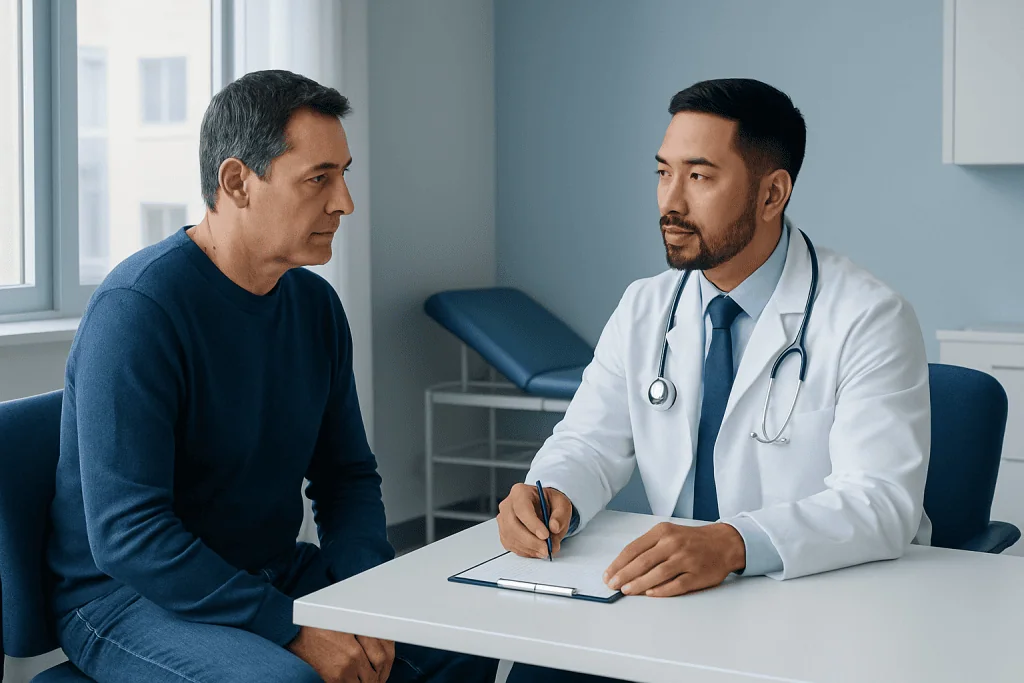
The samples are sent to a pathology laboratory, where a specialist examines them under a microscope. Results may be available within several days, although timing varies by laboratory and by the type of testing required. The endoscopist may discuss what was seen during the procedure, but final biopsy results often require a separate follow-up discussion.
Small biopsies generally do not cause pain because the digestive tract lining does not sense cutting in the same way as skin. Minor oozing at a biopsy site is usually controlled naturally or during the procedure. Taking samples from more than one location may be appropriate when a condition can affect the digestive tract in a patchy pattern.
A biopsy differs from removal of a polyp, dilation of a narrowing or treatment of bleeding. These can involve other procedural services or codes, depending on what is performed. Patients should ask their care team which interventions, if any, are planned or became necessary during their examination.
Candidacy, preparation and how the procedure works
A clinician may consider an EGD with biopsy for people with ongoing or unexplained upper digestive symptoms, abnormal imaging or blood tests, a history of certain gastrointestinal disorders, or signs that require prompt evaluation. Before recommending the test, the clinician reviews symptoms, medicines, allergies, heart and lung conditions, pregnancy status when relevant, and previous reactions to sedation.
Preparation usually includes avoiding solid food for a specified period before the appointment so the stomach is empty. Medication instructions are individualized, especially for blood thinners, diabetes medicines, weight-loss medicines and drugs that affect stomach emptying. Patients should not stop prescribed medicines unless the prescribing clinician or endoscopy team specifically advises it.
At the appointment, staff check vital signs, review consent and place an intravenous line if sedation is planned. A mouth guard protects the teeth and scope. The clinician then advances the thin flexible endoscope through the mouth, inspects the lining and takes any needed biopsies. The procedure itself often takes a relatively short time, although preparation and recovery take longer.
Most patients receive sedation that makes the examination more comfortable and may limit recall of the procedure. Some may have a topical throat anesthetic or another sedation approach based on individual health needs. Continuous monitoring is used throughout the examination.
Can I drink water 2 hours before an endoscopy?
Many endoscopy centers allow clear liquids, including plain water, until two hours before an upper endoscopy performed with sedation. However, instructions can differ according to the planned anesthesia, medical conditions, medications and the individual center’s policy. The instructions provided by the endoscopy team should always be followed, even if they are more restrictive.
Clear liquids generally mean liquids that can be seen through, such as water, clear broth, some clear juices without pulp and certain sports drinks. Milk, creamy drinks, alcohol and beverages containing pulp are not clear liquids. Patients should ask the team if they are uncertain about a particular drink.
Eating or drinking too close to sedation may increase the risk that stomach contents enter the lungs. For this reason, it is important to disclose if a person has eaten, drunk something other than permitted liquids, or is unable to complete the preparation instructions. The team may adjust the plan or, in some circumstances, reschedule the procedure for safety.
People with diabetes, kidney disease, delayed stomach emptying, swallowing problems, pregnancy, or a history of aspiration may need personalized fasting guidance. They should contact the endoscopy service well before the appointment rather than making changes independently.
Benefits, risks and recovery timeline
The main benefit of procedure 43239 is that it combines direct visualization with tissue testing. This can help make a diagnosis, rule out particular conditions, guide treatment and determine whether follow-up is needed. For many upper digestive concerns, biopsy results provide information that cannot be obtained through symptoms alone.
Upper endoscopy with biopsy is generally considered a low-risk procedure, but no invasive test is entirely risk-free. Possible short-term effects include a sore throat, bloating, nausea or drowsiness from sedation. Less common complications include bleeding, a reaction to sedation, infection, aspiration and a tear or perforation in the digestive tract; the risk varies with the person’s health and any treatment performed during endoscopy.
After an uncomplicated procedure, patients usually spend time in a recovery area while sedation wears off and go home the same day. A responsible adult should drive them home and stay available as advised. Driving, operating machinery, drinking alcohol, signing important documents and making major decisions should be avoided for the period specified by the clinical team, often until the following day.
Many people can resume eating once swallowing feels normal, starting with fluids or a light meal if recommended. The clinician will explain when to restart medicines and when to expect pathology results. Any individualized discharge instructions should take precedence over general guidance.
Does Medicare cover CPT code 43239?
Medicare may cover CPT code 43239 when an upper endoscopy with biopsy is medically necessary and performed by an eligible clinician in an appropriate setting. Medical necessity may be supported by symptoms, findings, known conditions or a need to investigate an abnormal test. Coverage decisions are not based on the code alone.
Original Medicare Part B commonly covers medically necessary outpatient diagnostic procedures, but the person may still have deductibles, coinsurance or other out-of-pocket responsibilities. A supplemental plan, Medicare Advantage plan, facility type, network status and prior authorization requirements may affect costs and coverage rules.
Patients can ask the ordering clinician’s office for the diagnosis being used to support the procedure and confirm whether the endoscopist, anesthesia service, facility and pathology laboratory participate in their plan. It is also useful to contact Medicare or the Medicare Advantage plan directly before the appointment for plan-specific information.
Coverage details can change and may differ by region or plan. An insurance representative can explain benefits, but cannot replace the clinical discussion about whether the procedure is appropriate for a person’s symptoms and health history.
When to seek medical care
Anyone with persistent or worsening upper digestive symptoms should arrange medical assessment, particularly if symptoms affect eating, sleep, daily activities or quality of life. A doctor can decide whether lifestyle measures, medication, laboratory testing, imaging or endoscopy may be helpful. Conditions such as gastritis and reflux-related problems can have overlapping symptoms, so self-diagnosis is not reliable.
Urgent medical evaluation is important for vomiting blood, black or tar-like stools, severe or rapidly worsening abdominal or chest pain, fainting, trouble breathing, repeated vomiting, or signs of dehydration. New or progressive difficulty swallowing, unintentional weight loss, persistent vomiting or unexplained iron-deficiency anemia also deserve timely medical review.
After an upper endoscopy, patients should contact the care team promptly for severe chest or abdominal pain, fever, difficulty breathing, persistent vomiting, vomiting blood, black stools, or symptoms that are worsening rather than improving. These symptoms are uncommon but should not be ignored.
Acibadem International’s multidisciplinary specialists and JCI-accredited hospitals diagnose and treat digestive conditions for international patients, with care plans based on clinical assessment and appropriate testing.
Frequently asked questions
What does procedure code 43239 mean?
Procedure code 43239 usually refers to an upper gastrointestinal endoscopy with biopsy. A clinician examines the esophagus, stomach and duodenum with a flexible camera and removes small tissue samples for laboratory testing.
Why would biopsies be taken if the endoscopy looks normal?
Some digestive conditions cause microscopic changes that cannot be seen during the examination. Samples from normal-appearing areas can help test for inflammation, infection, celiac disease and other conditions.
How long does an endoscopy with biopsy take?
The endoscopy itself often takes a short time, but preparation, sedation and recovery add to the total visit. The care team can provide a more accurate estimate based on the planned procedure and health needs.
Will I feel the biopsy during CPT 43239?
Most people do not feel the biopsy itself, particularly when sedation is used. They may have a mild sore throat, bloating or drowsiness afterward, which usually improves within a short period.
When will biopsy results be ready?
Results often take several days, but timing depends on the pathology laboratory and whether special testing is needed. The endoscopy team will explain how and when results will be communicated.
Can I return to work after procedure 43239?
Because sedation can affect alertness and judgment, most patients should not return to work, drive or make important decisions on the day of the procedure. Many can resume usual activities the next day if they feel well and their clinician has not given different instructions.
References
- American Society for Gastrointestinal Endoscopy
- American Gastroenterological Association
- Centers for Medicare & Medicaid Services
- National Institute of Diabetes and Digestive and Kidney Diseases
- MedlinePlus, U.S. National Library of Medicine
This article is for general information only and is not a substitute for professional medical advice. Please consult a qualified doctor about your individual situation.
Persistent digestive symptoms? Get evaluated in Turkey
JCI-accredited · board-certified surgeons · reply within 24h
Add us as a Preferred Source to see more of our trusted health content across Google Search, AI Overviews and Discover.