

Procedure Code Endoscopy: Preparation, Procedure and Results
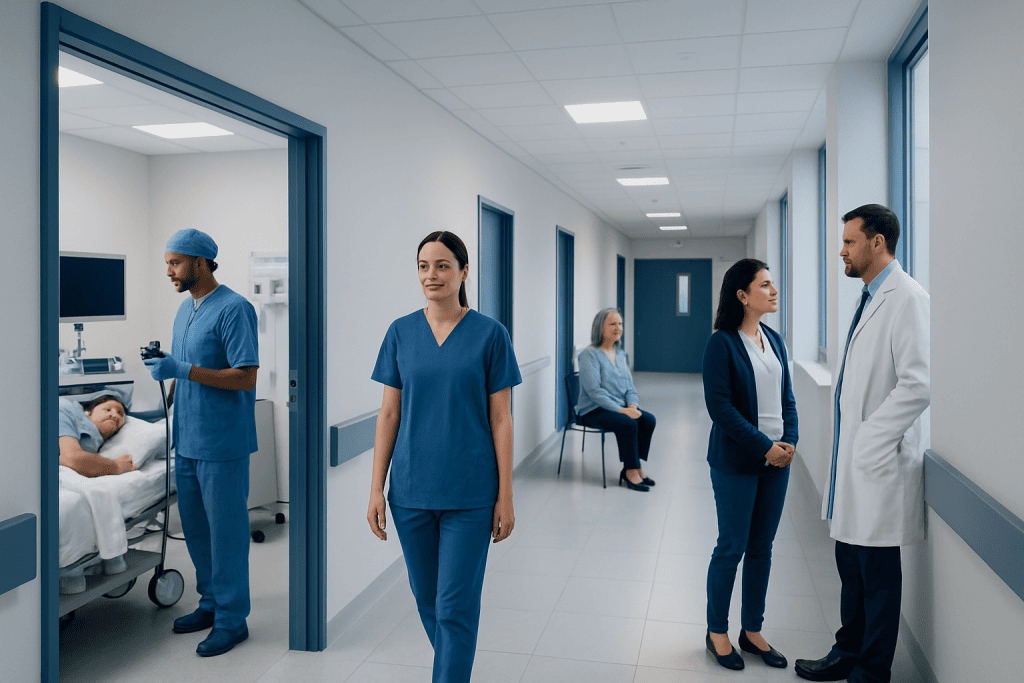
Endoscopy is a medical procedure that allows a clinician to inspect the digestive tract with a thin, flexible camera. There is no single procedure code for every endoscopy; codes vary by examination type and any added intervention.
Key Takeaways
- Endoscopy is a medical procedure that allows a clinician to inspect the digestive tract with a thin, flexible camera.
- There is no single procedure code for every endoscopy; codes vary by examination type and any added intervention.
- Preparation commonly includes fasting and medication review, with individualized instructions from the care team.
- Most upper endoscopies are outpatient procedures performed with sedation and take less than an hour.
- Results may be available immediately for visual findings, while biopsy results usually take longer.
- Serious complications are uncommon, but persistent pain, bleeding, fever or breathing problems need urgent medical assessment.
Procedure code endoscopy refers to the coding used to document and bill an endoscopic examination, but the exact code depends on the body area examined and whether biopsies or treatment are performed. An upper endoscopy is a common diagnostic procedure that uses a flexible camera to view the esophagus, stomach and first part of the small intestine.
Overview: what procedure code endoscopy means
Procedure code endoscopy usually means the medical billing or documentation code assigned to an endoscopic examination. There is not one universal code for every endoscopy. The correct code depends on whether the test is an upper endoscopy, colonoscopy, bronchoscopy, cystoscopy or another type of scope examination, as well as whether the clinician takes biopsies, removes tissue or treats a finding during the procedure.
In digestive care, “endoscopy” often refers to upper gastrointestinal endoscopy, also called esophagogastroduodenoscopy (EGD). It allows a gastroenterologist to examine the lining of the esophagus, stomach and duodenum using a flexible tube with a light and camera. It can help investigate symptoms and, when needed, obtain tissue samples or provide treatment.
Patients do not usually need to identify a billing code themselves. The hospital, clinician and payer use coding systems that may differ by country and insurance arrangement. The most useful step for a patient is to confirm the exact planned examination and ask the provider or insurer for the code if it is needed for authorization, estimates or records.
What is the procedure code for an endoscopy?
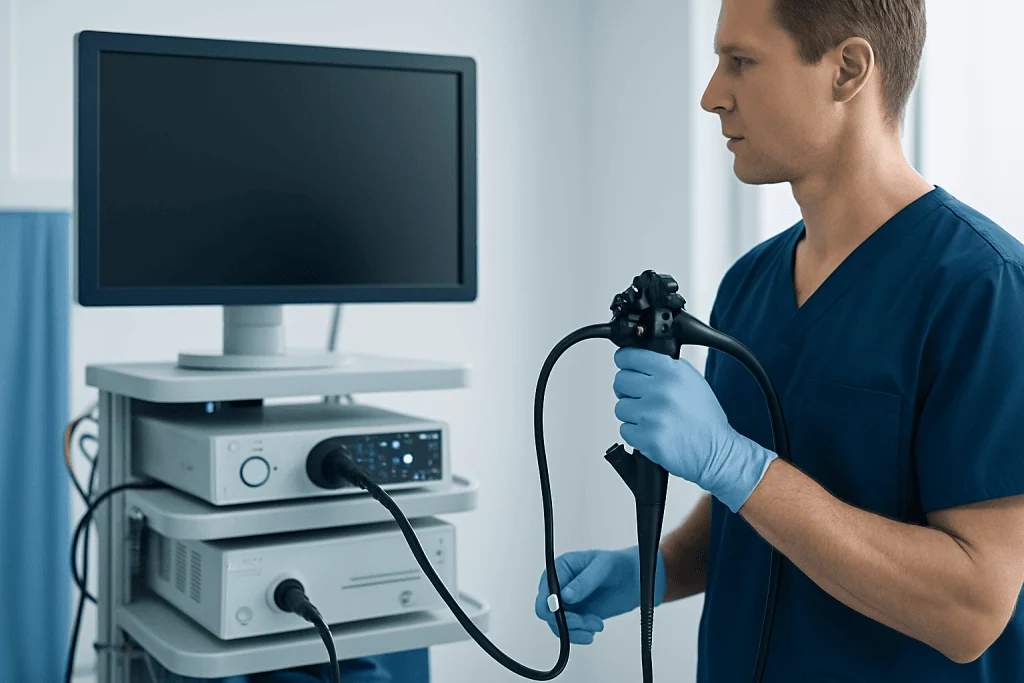
The procedure code for an endoscopy is not always the same because “endoscopy” describes a group of procedures rather than one test. In the United States, procedural billing commonly uses Current Procedural Terminology (CPT) codes, while diagnosis information may be recorded with ICD codes. Other countries and health systems use different coding standards.
For example, an upper endoscopy performed only for visual examination may be coded differently from an upper endoscopy with a biopsy, dilation of a narrowed area, bleeding control or removal of a lesion. A colonoscopy, capsule endoscopy and endoscopic ultrasound also have their own code families. The final code reflects what was actually performed, not only what was planned.
Anyone who needs a code for insurance approval or administrative purposes should ask the endoscopy unit, billing team or referring clinician for the anticipated procedure description and applicable local code. If the procedure changes because treatment is needed during the examination, the final documentation may differ from the initial estimate.
How endoscopy works and who may need it
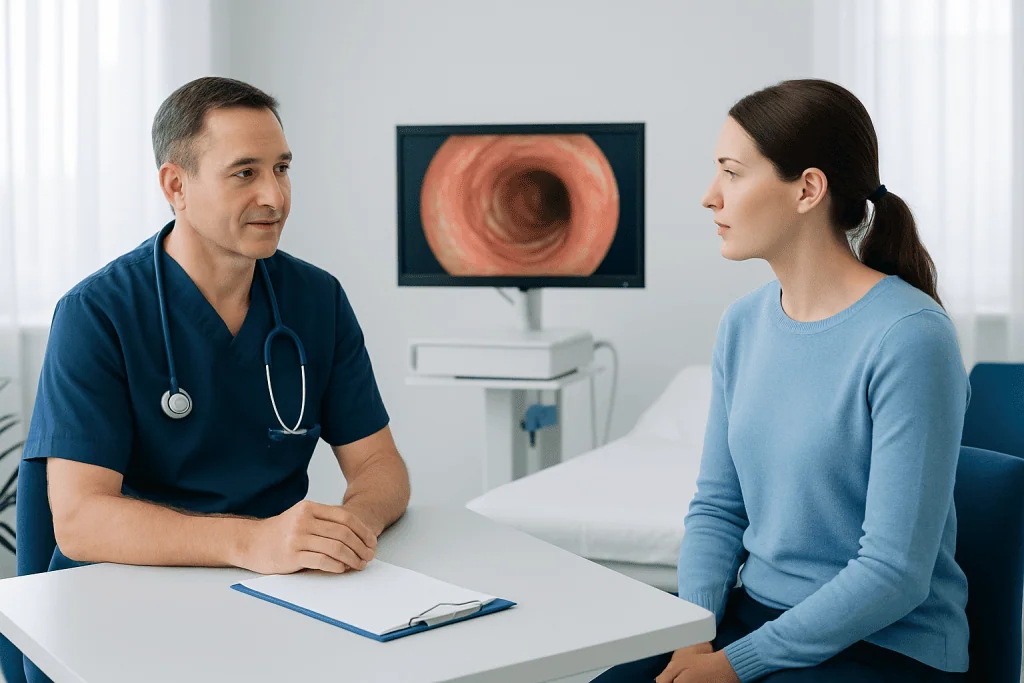
During upper endoscopy, the clinician gently passes an endoscope through the mouth and throat into the upper digestive tract. A camera transmits images to a monitor, allowing close inspection of the lining. Air or carbon dioxide may be introduced briefly to expand the area and improve visibility.
An endoscopy may be recommended for ongoing swallowing difficulty, persistent upper abdominal pain, unexplained nausea or vomiting, heartburn that does not respond as expected to treatment, anemia, gastrointestinal bleeding or unintentional weight loss. It may also be used to monitor known conditions, including gastritis, peptic ulcers or changes in the esophagus related to chronic reflux.
Not every digestive symptom requires an endoscopy. A clinician considers a person’s symptoms, medical history, age, examination findings, laboratory tests and previous imaging before recommending it. The test is generally suitable for many adults, but the team may need to adjust the plan for pregnancy, significant heart or lung disease, bleeding disorders, sleep apnea, allergies or complex medication use.
- Diagnostic uses: identifying inflammation, ulcers, narrowing, bleeding, infection or suspicious tissue changes.
- Therapeutic uses: collecting biopsies, stopping selected sources of bleeding, widening strictures or removing certain growths.
- Follow-up uses: monitoring healing or assessing conditions already diagnosed.
Would you call an endoscopy a procedure?
Yes. An endoscopy is a medical procedure because it involves placing a specialized instrument into the body to examine an organ or body passage. It may be purely diagnostic, meaning it is used to look for the cause of symptoms, or therapeutic, meaning the clinician performs an intervention at the same time.
Upper endoscopy is usually an outpatient procedure rather than major surgery. It does not require an incision in routine cases, and most people return home the same day after observation. Sedation is commonly used to improve comfort, although the exact approach depends on the examination, local practice and the person’s health needs.
Because it can include interventions such as biopsy or bleeding treatment, informed consent is important. Before the examination, the clinician explains why it is recommended, potential alternatives, sedation plans and the risks that are relevant to the individual.
How long does endoscopy prep take?
For an upper endoscopy, the key preparation period is usually fasting. Many people are asked to stop solid foods for several hours before the procedure and may be allowed clear liquids until a shorter cutoff time. The precise schedule varies by hospital, sedation plan and individual medical factors, so the endoscopy unit’s written instructions should always take priority.
The appointment itself often includes time for registration, a nursing assessment, consent, intravenous access if sedation is planned and recovery observation afterward. Although the scope examination may be relatively brief, patients should generally allow several hours for the full visit. If sedation is used, a responsible adult is usually needed to take the patient home.
Preparation may take longer for people who use medicines that affect blood clotting, diabetes medicines, injectable weight-management medicines or drugs that slow stomach emptying. These medicines should not be stopped without advice. The prescribing clinician and endoscopy team can provide a safe, individualized plan.
What prep do I have to do before an endoscopy?
Preparation instructions should be provided before the appointment and may differ according to the type of endoscopy. For an upper endoscopy, fasting is important because food or liquid in the stomach can obscure the view and increase the risk of aspiration during sedation. Patients should follow the exact instructions about when to stop eating, drinking, smoking and chewing gum.
It is important to tell the care team about all prescription medicines, over-the-counter products, vitamins, herbal supplements and allergies. In particular, they need to know about anticoagulants, antiplatelet medicines, insulin and other diabetes treatments, as well as medicines that may affect gastric emptying. The clinician will advise whether any changes are needed; patients should not make medication changes independently.
Practical preparation usually includes arranging transport home if sedatives are planned, bringing a current medication list and leaving valuables at home. Dentures, glasses or contact lenses may need to be removed shortly before the procedure. Colonoscopy preparation is different and generally involves a bowel-cleansing plan, so patients should not use upper-endoscopy instructions for a colonoscopy.
For people undergoing a digestive investigation, related evaluation and management may include gastroenterology care tailored to the symptom and findings. The appropriate next step is based on the reason for the examination, rather than the endoscopy alone.
Step-by-step procedure, results and recovery
On arrival, a nurse reviews medical history, fasting status, allergies and vital signs. The patient meets the clinician and, when applicable, the sedation team. A mouth guard may be placed to protect the teeth and endoscope. A local throat spray and intravenous sedation may be used, depending on the plan.
During the examination, the patient usually lies on the left side. The endoscope is passed gently through the mouth while the clinician examines the upper digestive tract. Patients are monitored throughout. If the clinician sees an area that needs closer evaluation, a small biopsy may be taken; biopsies are often painless because the digestive lining has limited pain sensation.
Afterward, patients rest in a recovery area until alert and medically stable. Mild throat soreness, bloating or gas can occur temporarily. If sedation was given, driving, operating machinery, drinking alcohol and making important decisions should be avoided for the period specified by the care team, often for the remainder of the day.
Visual findings may be discussed before discharge, but biopsy or laboratory results commonly take several days or longer. The clinician explains what the findings mean, whether treatment is needed and whether follow-up testing is appropriate. Depending on the result, care may include treatment for reflux, ulcer disease, inflammation or other digestive conditions.
Benefits, risks and when to seek medical care
Endoscopy can provide direct information that blood tests and imaging may not show. It can help clarify the cause of symptoms, enable biopsy testing and sometimes allow treatment in the same session. These benefits must be weighed against individual health factors and the reason the test is being considered.
Complications are uncommon, but can include a reaction to sedation, bleeding after a biopsy or intervention, infection, aspiration, dental injury or a tear (perforation) in the digestive tract. The risk may be higher when more complex treatment is performed or when a person has certain medical conditions. The endoscopy team discusses relevant risks before consent.
When to seek medical care: after an endoscopy, urgent medical assessment is needed for severe or worsening chest or abdominal pain, vomiting blood, black stools, heavy rectal bleeding, fever, shortness of breath, fainting, persistent vomiting or difficulty swallowing that is getting worse. For less urgent concerns such as a sore throat or mild bloating that does not improve as expected, patients should contact the endoscopy team or their clinician.
Acibadem International’s multidisciplinary specialists and JCI-accredited hospitals can assess digestive symptoms and provide endoscopic evaluation and follow-up care for international patients. A qualified clinician can help determine whether endoscopy is appropriate and explain the expected preparation and recovery for the individual.
Frequently asked questions
Is an endoscopy painful?
Most people receive sedation or other comfort measures and do not feel pain during an upper endoscopy. Some may notice brief pressure in the throat or temporary bloating from air used during the examination. Mild throat irritation afterward is common and usually settles quickly.
Can I drink water before an upper endoscopy?
The answer depends on the timing of the procedure and the instructions from the endoscopy unit. Clear liquids may be permitted until a specified time, while solid food is stopped earlier. Patients should follow their own pre-procedure instructions because fasting rules can vary.
Can an endoscopy detect cancer?
Endoscopy can identify abnormal areas that may need further assessment, including ulcers, growths or changes in the lining of the digestive tract. It cannot confirm cancer by appearance alone in every case. A biopsy examined by a laboratory is often needed to make a diagnosis.
How soon can I eat after an endoscopy?
Many people can resume eating and drinking after they are fully awake and able to swallow safely, following advice from the care team. A light meal may be more comfortable initially if the throat feels sore. Dietary instructions can differ when a treatment has been performed during the procedure.
Do I need someone to take me home after endoscopy?
If sedation or anesthesia is used, patients generally need a responsible adult to take them home and should not drive themselves. Sedation can temporarily affect alertness, coordination and judgment even when a person feels well. The endoscopy unit will provide specific discharge instructions.
What happens if a biopsy is taken during endoscopy?
A biopsy is a small tissue sample collected for laboratory examination. It is a common part of endoscopy and usually does not cause pain. Results may take several days or longer, and the clinician will explain the next steps once the report is available.
References
- American Society for Gastrointestinal Endoscopy
- National Institute of Diabetes and Digestive and Kidney Diseases
- National Health Service
- World Gastroenterology Organisation
This article is for general information only and is not a substitute for professional medical advice. Please consult a qualified doctor about your individual situation.
Persistent digestive symptoms? Get evaluated in Turkey
JCI-accredited · board-certified surgeons · reply within 24h
Add us as a Preferred Source to see more of our trusted health content across Google Search, AI Overviews and Discover.

More from the Health Library

Related Specialists

Dr. Mahmut Özyilmaz
Aesthetic Plastic & Reconstructive Surgery
Dr. Emel Eskitaşçıoğlu
Anesthesiology
Prof. Dr. Ece Aydoğ
Physical Medicine & Rehabilitation
Assoc. Prof. Dr. Ertuğrul Emre Güntürk
Cardiology