Proctitis: Symptoms, Causes, and Treatment Options

Proctitis means inflammation in the rectum and may be short-term or chronic. Common symptoms include rectal pain, bleeding, mucus discharge, diarrhea, and urgency.
Key Takeaways
- Proctitis means inflammation in the rectum and may be short-term or chronic.
- Common symptoms include rectal pain, bleeding, mucus discharge, diarrhea, and urgency.
- Causes include inflammatory bowel disease, infections, radiation therapy, and less commonly injury or medication-related irritation.
- Diagnosis often involves a medical history, stool tests, blood tests, and endoscopic examination of the rectum or colon.
- Treatment may include antibiotics, antivirals, anti-inflammatory medicines, or supportive care depending on the cause.
- Persistent bleeding, severe pain, fever, or dehydration should be assessed by a doctor promptly.
Proctitis is inflammation of the lining of the rectum, the last part of the large intestine before the anus. It can cause rectal pain, bleeding, mucus, and a frequent urge to pass stool, and treatment is guided by the underlying cause.
What proctitis is and why it happens
Proctitis is inflammation of the rectal lining. The rectum is the final section of the large bowel that stores stool before a bowel movement. When this lining becomes inflamed, it can become sensitive, swollen, and more likely to bleed or produce mucus. This explains why symptoms often include pain, urgency, and a feeling of incomplete emptying.
Proctitis is not a single disease. It is a clinical problem with several possible causes, including inflammatory bowel disease, infections, radiation treatment to the pelvis, and occasionally local trauma or irritation. Some people develop symptoms suddenly over days, while others have a more gradual or recurring pattern.
Understanding the cause is important because treatment differs widely. For example, inflammation linked to ulcerative colitis is treated differently from an infection or radiation-related irritation. A careful evaluation helps guide the right plan and can also rule out other conditions that may cause similar symptoms.
Symptoms of proctitis
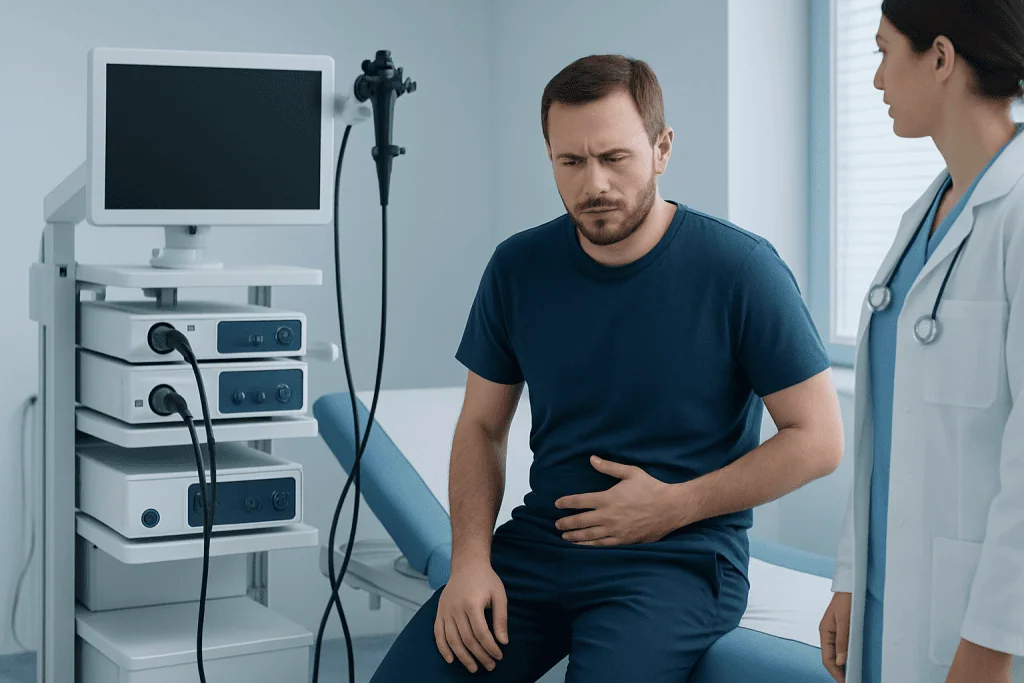
Symptoms can vary from mild to more troublesome. Some people notice only small streaks of blood or mucus, while others have pain, diarrhea, or a constant urge to use the toilet. Symptoms may occur on their own or alongside broader bowel symptoms if more of the colon is involved.
Common symptoms include:
- Rectal pain, soreness, or pressure
- Bleeding from the rectum
- Mucus discharge
- A frequent urge to pass stool
- A feeling of incomplete emptying after a bowel movement
- Diarrhea or loose stools
- Pain during bowel movements
- Lower abdominal discomfort
If proctitis is caused by an infection, there may also be fever, fatigue, or symptoms involving the genital or urinary area. When inflammation is part of a chronic bowel condition, symptoms may come and go over time. Because many rectal symptoms overlap with hemorrhoids, fissures, or infections, self-diagnosis can be misleading.
Causes and risk factors

Inflammatory bowel disease is one of the best-known causes of proctitis. In ulcerative colitis, inflammation often begins in the rectum, and in some people it stays limited to this area, sometimes called ulcerative proctitis. Crohn’s disease can also affect the rectum, although its pattern of inflammation is often different.
Infections are another important cause. These may include sexually transmitted infections that affect the rectum, as well as certain bacterial, viral, or parasitic infections. Risk can be higher in people with new sexual partners, receptive anal sex, weakened immune systems, or recent exposure to contaminated food or water, depending on the specific infection.
Pelvic radiation therapy, especially treatment given for cancers near the rectum, can irritate the rectal lining and lead to radiation proctitis. This may happen during treatment or appear months later. Less common causes include trauma, chemical irritation, and in some cases medicines that affect the bowel lining.
Conditions affecting the nearby digestive tract can overlap or be confused with proctitis. For example, doctors may also consider Crohn's disease or other causes of lower bowel bleeding and urgency during evaluation.
How doctors diagnose proctitis
Diagnosis starts with a detailed medical history and physical examination. A doctor will usually ask about the pattern of symptoms, bowel habits, bleeding, pain, recent travel, medications, radiation exposure, sexual history when relevant, and any history of inflammatory bowel disease. This information helps narrow the likely causes and guides testing.
Testing may include stool studies to look for infection, blood tests to assess inflammation or anemia, and swabs or specific laboratory tests if a sexually transmitted infection is suspected. These tests are chosen based on symptoms and risk factors rather than used in exactly the same way for every patient.
The most useful direct tests often involve looking at the rectum and colon with a scope. A doctor may recommend sigmoidoscopy or colonoscopy to examine the lining and take small tissue samples called biopsies. Biopsies can help distinguish inflammatory bowel disease, infection, radiation injury, and other causes. In some situations, imaging may also be used if complications are suspected or symptoms suggest a broader digestive problem.
Treatment options for proctitis
Proctitis treatment depends on the cause, severity, and whether symptoms are confined to the rectum or involve a larger part of the bowel. The main goals are to reduce inflammation, control pain and bleeding, treat any infection, and prevent recurrence where possible. Many people improve with targeted treatment once the cause is clearly identified.
If infection is responsible, treatment may include antibiotics, antiviral medicines, or other anti-infective therapy based on the organism involved. When proctitis is linked to inflammatory bowel disease, doctors may use rectal medicines such as suppositories, foams, or enemas, as well as oral anti-inflammatory medicines. In some cases, broader gastroenterology care is needed to manage an ongoing bowel condition and monitor long-term control.
Radiation proctitis may be managed with supportive treatments, medicines to reduce inflammation or bleeding, and sometimes endoscopic procedures if bleeding is persistent. If symptoms are severe, recurrent, or difficult to diagnose, a doctor may refer the patient for specialist assessment and follow-up. In selected situations, care may involve collaboration with general surgery or other specialties, although surgery is not a routine treatment for uncomplicated proctitis.
Treatment should not be started blindly whenever possible, especially if infection is a concern. Using the wrong medicine can delay the correct diagnosis or worsen certain infections. A clinician can help tailor treatment safely and monitor response.
Self-care, prevention, and living with proctitis
Self-care does not replace medical treatment, but it can support recovery. Drinking enough fluids is important, especially if diarrhea is present. Some people find that temporarily avoiding foods that worsen symptoms, such as very spicy meals, alcohol, or highly irritating foods, makes bowel movements more comfortable. Gentle hygiene and avoiding straining may also reduce irritation.
Prevention depends on the cause. If proctitis is infection-related, safer sexual practices, prompt testing when symptoms occur, and treatment of partners when advised can reduce the chance of recurrence. If inflammatory bowel disease is the cause, taking prescribed medicines regularly and attending follow-up appointments may help maintain remission and reduce flare-ups.
People who have had pelvic radiation should report new bleeding, pain, or urgency rather than assuming symptoms are expected. Ongoing symptoms deserve review because there may be effective treatments available. Keeping a symptom diary can help identify triggers, monitor response to treatment, and provide useful information during appointments.
For international patients who need coordinated evaluation, Acibadem International’s multidisciplinary specialists in JCI-accredited hospitals diagnose and treat digestive conditions including proctitis with individualized care plans.
When to seek medical care
Medical advice is appropriate if rectal bleeding, mucus, pain, or bowel urgency lasts more than a short time or keeps returning. Even mild symptoms should be assessed if they are new, unexplained, or associated with weight loss, fatigue, or ongoing diarrhea. Prompt diagnosis can help relieve symptoms sooner and identify whether the cause is inflammatory, infectious, or related to another condition.
Urgent medical attention is important if there is heavy bleeding, severe abdominal or rectal pain, high fever, signs of dehydration, fainting, or inability to keep fluids down. People with weakened immune systems, recent radiation therapy, or known inflammatory bowel disease should have a lower threshold for contacting a doctor when symptoms change.
Because symptoms of proctitis can resemble hemorrhoids, anal fissures, infections, or more extensive bowel disease, it is sensible not to ignore persistent rectal symptoms. A qualified clinician can assess the cause and decide whether testing, medicine, or specialist referral is needed.
Frequently asked questions
Can proctitis go away on its own?
Sometimes mild irritation may improve, but proctitis often needs medical evaluation because treatment depends on the cause. If symptoms are due to infection, inflammatory bowel disease, or radiation injury, they usually need targeted care rather than waiting alone.
Is proctitis the same as hemorrhoids?
No. Hemorrhoids are swollen veins around the anus or lower rectum, while proctitis is inflammation of the rectal lining. Both can cause bleeding or discomfort, which is why an accurate diagnosis is important.
What does proctitis pain feel like?
People often describe it as rectal soreness, pressure, burning, cramping, or pain during bowel movements. Some also feel a constant urge to pass stool, even when little comes out.
Can sexually transmitted infections cause proctitis?
Yes. Certain sexually transmitted infections can inflame the rectum and cause pain, discharge, bleeding, or urgency. Testing is important because the right treatment depends on identifying the specific infection.
How long does proctitis last?
The duration varies widely. Infectious proctitis may improve once properly treated, while inflammation related to chronic bowel disease can flare and settle over time. A doctor can give a better estimate after identifying the cause.
Is proctitis serious?
Many cases are treatable and improve with the right care, but persistent symptoms should not be ignored. Ongoing bleeding, severe pain, fever, or dehydration may signal a need for urgent assessment.
References
- National Institute of Diabetes and Digestive and Kidney Diseases
- American College of Gastroenterology
- National Health Service
- Crohn's & Colitis Foundation
- Merck Manual Consumer Version
This article is for general information only and is not a substitute for professional medical advice. Please consult a qualified doctor about your individual situation.
Persistent digestive symptoms? Get evaluated in Turkey
JCI-accredited · board-certified surgeons · reply within 24h
Add us as a Preferred Source to see more of our trusted health content across Google Search, AI Overviews and Discover.

More from the Health Library



Related Specialists

Dt. Alen Palancıoğlu
Oral Dental & Maxillofacial Surgery
Dr. Hasan Tuncer
Emergency Service
Dr. Serdar Korkmaz
Anesthesiology
Asst. Prof. Dr. Özlem Apti Şengkioun
Dermatology