Progressive Muscle Relaxation: What Patients Need to Know
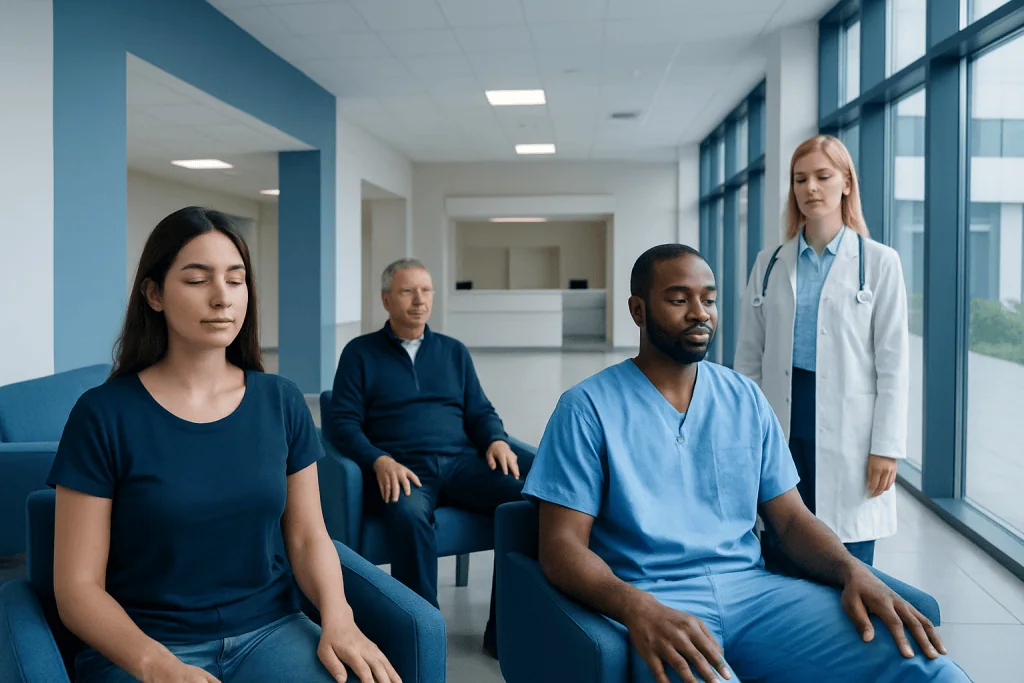
Progressive muscle relaxation involves briefly tensing and then releasing different muscle groups in a set order. It may help lower stress, improve body awareness, and support better sleep and coping with anxiety.
Key Takeaways
- Progressive muscle relaxation involves briefly tensing and then releasing different muscle groups in a set order.
- It may help lower stress, improve body awareness, and support better sleep and coping with anxiety.
- The technique is generally safe, but people with injuries, severe pain, or certain medical conditions may need tailored guidance.
- Regular practice often works better than occasional use, even if sessions are short.
- It is a supportive self-care tool and not a substitute for diagnosis or treatment of ongoing symptoms.
Progressive muscle relaxation is a simple mind-body technique that helps reduce physical tension by gently tensing and then relaxing muscle groups one at a time. Many people use it to support stress management, sleep, pain coping, and general emotional well-being alongside medical care when needed.
What progressive muscle relaxation is
Progressive muscle relaxation is a structured relaxation method that reduces muscle tension by asking a person to gently tighten and then release one muscle group at a time. The goal is not to build strength or flexibility, but to help the body notice the difference between tension and relaxation. This increased awareness can make it easier to let go of unconscious tightening linked to stress, worry, fatigue, or pain.
The technique is often practiced in a quiet place while sitting or lying comfortably. A person usually starts with slow breathing, then moves through the body in a sequence such as feet, legs, abdomen, hands, arms, shoulders, neck, and face. Each muscle group is tightened for a few seconds and then relaxed for longer, allowing the sensation of release to become more noticeable.
Progressive muscle relaxation is used in many clinical and wellness settings because it is low-cost, easy to learn, and can be adapted to different ages and health needs. It is commonly included in stress reduction programs, sleep support, rehabilitation, and psychological care. For some people, it works best as part of a broader plan that may also include exercise, counseling, and treatment for related conditions such as anxiety disorders or sleep problems.
How it may help the body and mind
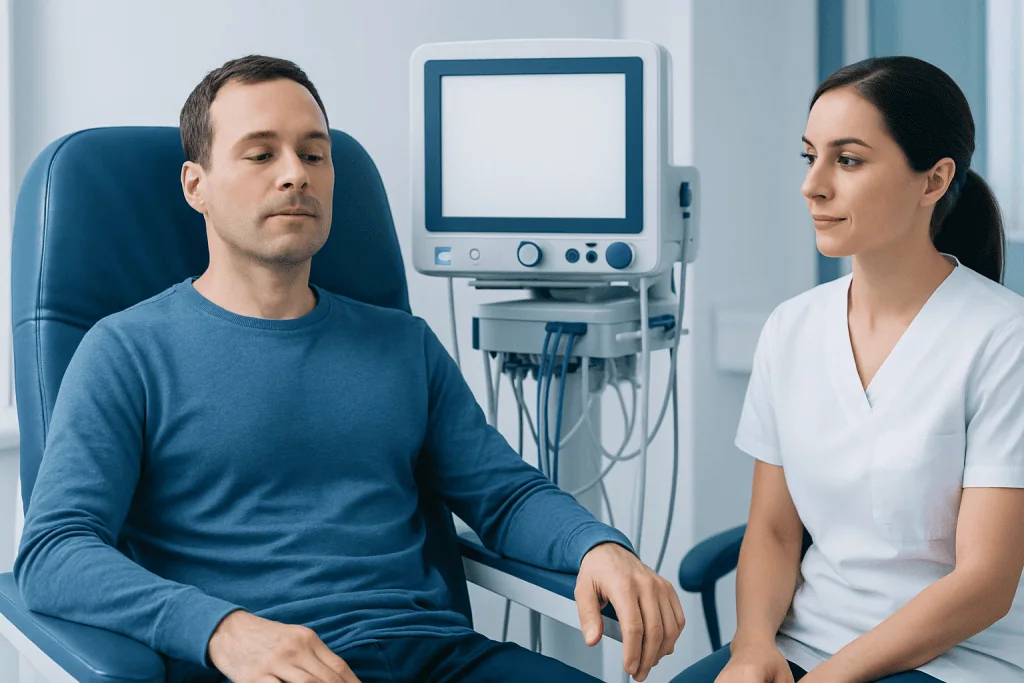
Stress often shows up physically before a person fully recognizes it emotionally. Jaw clenching, tight shoulders, shallow breathing, headaches, stomach discomfort, and restless sleep can all be linked to increased muscle tension. Progressive muscle relaxation may help interrupt this pattern by encouraging the nervous system to shift away from a constant state of alertness.
People often report feeling calmer, looser, and more focused after a session. The technique may support emotional regulation because physical relaxation can make stress symptoms feel less intense. It may also improve body awareness, helping a person notice early signs of tension before they become more uncomfortable.
Research supports relaxation practices as helpful tools for managing stress, and some people find them useful for coping with anxiety, occasional insomnia, tension headaches, and chronic pain. However, results vary from person to person. Progressive muscle relaxation is best understood as a supportive strategy rather than a cure, especially when symptoms are severe, recurrent, or linked to an underlying medical condition.
- May reduce feelings of stress and nervousness
- May support falling asleep more easily
- May help decrease awareness of muscle tightness
- May improve concentration and sense of control
- May complement treatment for pain or rehabilitation needs
Who may benefit most
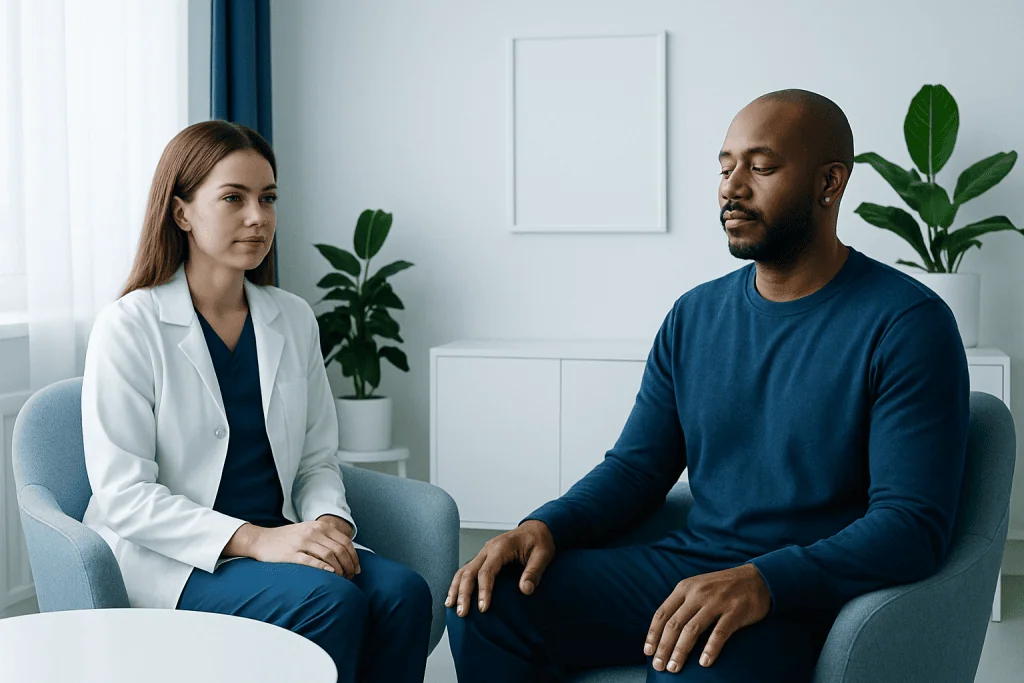
Progressive muscle relaxation can be useful for many adults and older children who experience stress-related muscle tightness or find it hard to switch off mentally at the end of the day. It is often recommended for people with demanding work schedules, caregiving responsibilities, exam stress, or recovery periods that involve emotional strain.
It may also be helpful for people living with conditions in which tension can make symptoms feel worse. Examples include some forms of chronic pain, tension-type headache, jaw clenching, and sleep difficulty. In these situations, relaxation practice may be one part of care together with medical assessment, physical therapy, behavioral support, or treatment of contributing conditions such as insomnia.
Not everyone will enjoy this method immediately. Some people prefer breathing exercises, meditation, guided imagery, or gentle movement. Others may find that focusing on the body initially increases discomfort or emotional awareness. If that happens, shorter sessions, a slower pace, or guidance from a qualified professional can make the technique more comfortable and effective.
How to practice progressive muscle relaxation safely
A typical session begins by finding a comfortable position and taking a few slow breaths. The person then gently tightens one muscle group, usually for a brief period, without straining or holding the breath. After that, the muscles are released and attention is placed on the feeling of softening for several seconds before moving to the next area.
The pressure used should stay gentle. Progressive muscle relaxation should not cause pain, cramping, shaking, or breath-holding. If a body area is injured, inflamed, healing after surgery, or affected by significant pain, it is usually better to skip that area or ask a clinician for adapted instructions. People recovering through physical therapy and rehabilitation may be taught modified relaxation techniques that fit their condition.
Many people practice in the same order each time so the routine becomes familiar. It can be done in about 10 to 20 minutes, although even shorter sessions may be helpful. Some choose an audio guide, while others prefer to memorize a simple sequence. Regular practice, such as once daily or several times a week, often matters more than session length.
- Choose a quiet, comfortable setting
- Wear loose clothing if possible
- Breathe normally throughout the exercise
- Use gentle muscle tightening, not forceful contraction
- Stop and adjust if pain or dizziness occurs
Common mistakes and practical tips for success
One common mistake is using too much effort. Progressive muscle relaxation is meant to highlight contrast between tension and release, not to create exertion. Over-tensing may lead to discomfort, especially in the neck, jaw, or lower back. A mild contraction is usually enough for the technique to work.
Another mistake is expecting immediate results every time. Some sessions feel deeply calming, while others simply feel neutral. This does not mean the practice is failing. Like many self-care techniques, its benefits often build over time as the body learns the routine and the mind becomes more familiar with the process.
It may help to pair the exercise with an existing habit, such as winding down before bed, taking a short afternoon break, or practicing after a shower. People who struggle with racing thoughts may find it useful to combine muscle relaxation with steady breathing or a guided recording. If stress is persistent or overwhelming, supportive care such as psychological counseling may be appropriate alongside relaxation training.
When progressive muscle relaxation may not be enough
Although progressive muscle relaxation can be very helpful, it does not replace medical evaluation for symptoms that are new, severe, or ongoing. Muscle tightness can sometimes be related to pain disorders, medication effects, neurological conditions, sleep problems, mood disorders, or physical strain that needs specific treatment. Relaxation may ease symptoms, but it cannot identify their cause.
If worry, panic, low mood, or poor sleep is affecting daily life, a clinician can help assess whether a health condition is contributing. Treatment may involve lifestyle changes, therapy, medication, rehabilitation, or further testing depending on the person’s symptoms. For some people with chronic pain, a broader plan including pain management and rehabilitation may be more effective than self-care alone.
People who experience trauma-related symptoms may find body-focused exercises uncomfortable at first. In that situation, a trauma-informed mental health professional can suggest adaptations or alternative calming techniques. Personalized guidance is especially important when stress is closely linked to mental health symptoms, persistent pain, or recovery after illness.
When to seek medical care
Medical care is appropriate if muscle tension, stress symptoms, or sleep problems are frequent, worsening, or interfering with work, school, relationships, or daily functioning. A person should also speak with a doctor if they are unsure whether their symptoms are related to stress or if home techniques are not helping enough.
Urgent medical assessment is important for symptoms such as chest pain, shortness of breath, sudden weakness, severe headache, fainting, new confusion, or significant pain after an injury. These symptoms should not be assumed to be caused by stress or muscle tension.
If anxiety, panic, depressed mood, or insomnia continues despite self-care, professional support can be beneficial. Near the end of a care pathway, some people seek assessment in centers such as Acibadem International, where multidisciplinary specialists in JCI-accredited hospitals evaluate stress-related symptoms and related conditions for international patients.
Frequently asked questions
What is progressive muscle relaxation used for?
Progressive muscle relaxation is commonly used to reduce physical tension and support stress management. Many people also use it to help with sleep, coping with anxiety, and awareness of where they hold tension in the body.
How long does progressive muscle relaxation take?
A full session often takes about 10 to 20 minutes, depending on how many muscle groups are included. Shorter versions can still be useful, especially when practiced regularly.
Can progressive muscle relaxation help with anxiety?
It may help some people by reducing muscle tension and promoting a calmer physical state. It is usually most helpful as part of a broader approach, especially if anxiety is persistent or severe.
Is progressive muscle relaxation safe for everyone?
It is generally safe when done gently, but people with injuries, recent surgery, severe pain, or certain medical conditions may need modifications. If any movement or tightening causes pain, it is best to stop and ask a healthcare professional for advice.
What is the difference between deep breathing and progressive muscle relaxation?
Deep breathing focuses mainly on the breath, while progressive muscle relaxation focuses on gently tensing and releasing muscles in sequence. Many people combine the two techniques because they can work well together.
How often should someone practice progressive muscle relaxation?
Regular practice is usually more helpful than occasional use. Many people start with daily practice or several sessions per week, then adjust based on comfort, schedule, and symptoms.
This article is for general information only and is not a substitute for professional medical advice. Please consult a qualified doctor about your individual situation.
Explore treatments in Turkey — costs, top hospitals & a free quote
JCI-accredited · board-certified surgeons · reply within 24h
Add us as a Preferred Source to see more of our trusted health content across Google Search, AI Overviews and Discover.

More from the Health Library
Confabulation: A Complete Medical Overview
Mindbodygreen: An Evidence-Based Guide for Patients
Straight Leg Raises: What Patients Need to Know

Dysphagia: An Evidence-Based Guide for Patients
Spider Veins — Explained by Medical Evidence, Not Myths
Acrophobia: What Patients Need to Know
Orthopedic Surgery & Traumatology Specialists at Acibadem

Dr. Berhan Bayram
Orthopedic Surgery & Traumatology
Assoc. Prof. Dr. Berkin Toker
Orthopedic Surgery & Traumatology
Assoc. Prof. Dr. Bertan Cengiz
Orthopedic Surgery & Traumatology
Dr. Betül Toygar
Physical Medicine & Rehabilitation