Proliferative Endometrium — Explained by Medical Evidence, Not Myths

Proliferative endometrium is a pathology description, not a diagnosis of cancer. It usually reflects normal estrogen-related growth of the uterine lining before ovulation.
Key Takeaways
- Proliferative endometrium is a pathology description, not a diagnosis of cancer.
- It usually reflects normal estrogen-related growth of the uterine lining before ovulation.
- The finding may need further assessment when it occurs with abnormal bleeding, after menopause, or with risk factors for prolonged estrogen exposure.
- It is different from endometrial hyperplasia, which involves an abnormal increase in gland growth and may require monitoring or treatment.
- A gynecologist can explain what the result means in the context of symptoms, menstrual status and the reason for biopsy.
Proliferative endometrium describes a phase of growth in the uterine lining, usually driven by estrogen during the first half of a menstrual cycle. It is commonly a normal biopsy finding in people who still ovulate, although clinicians interpret it alongside bleeding patterns, age, hormone exposure and imaging results.
What does proliferative endometrium mean?
Proliferative endometrium means that the endometrium, the tissue lining the inside of the uterus, is in a growth phase. Estrogen stimulates this growth after a menstrual period and before ovulation. Therefore, when this phrase appears on a pathology report from an endometrial biopsy or curettage, it often describes a normal hormonal pattern rather than a disease.
The wording can sound concerning because it includes the term “proliferative,” meaning cells are multiplying. In this setting, however, cell growth is expected: the lining is rebuilding to prepare for the possibility of pregnancy. The significance depends on the person’s age, whether periods are still occurring, the timing of the cycle, symptoms such as unusual bleeding, and whether the pathologist identified any additional changes.
The endometrium changes throughout the menstrual cycle. During the proliferative phase it becomes thicker; after ovulation, progesterone normally changes it into a “secretory” lining. If pregnancy does not occur, hormone levels fall and the lining is shed during menstruation. A biopsy captures only one point in this ongoing cycle.
The menstrual cycle context: why the lining grows
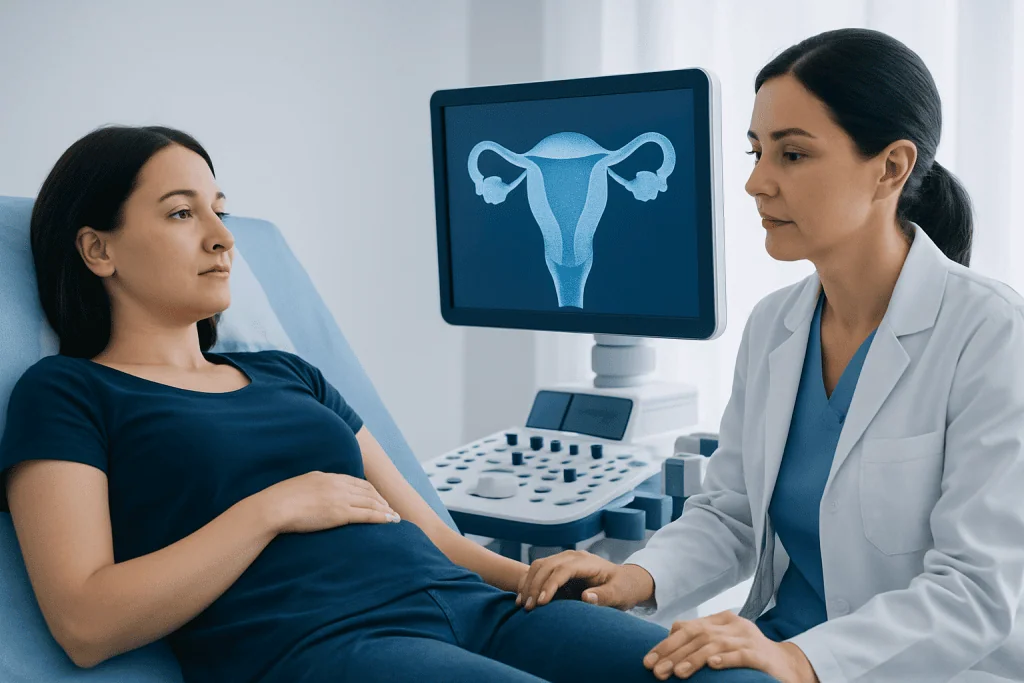
In a typical ovulatory cycle, the first day of menstrual bleeding is considered day one. Following the period, estrogen produced by developing ovarian follicles prompts the endometrial glands and supporting tissue to regrow. This is called the proliferative phase. On ultrasound, the lining may also appear to thicken gradually during this part of the cycle.
After ovulation, the ovary produces progesterone. Progesterone stabilizes and matures the estrogen-primed lining, creating the secretory phase. If no pregnancy develops, progesterone falls and menstruation begins. For this reason, a proliferative pattern can be entirely expected in a person who has a regular cycle and whose tissue sample was taken before ovulation.
Cycles do not always follow a predictable timetable. Puberty, perimenopause, stress, major weight changes, some medical conditions and certain medicines can affect ovulation. When ovulation does not occur regularly, estrogen may continue stimulating the lining without the usual progesterone phase. This can lead to irregular or prolonged bleeding and may influence how a biopsy result is interpreted.
Is proliferative endometrium cancer or hyperplasia?

No. Proliferative endometrium alone is not cancer, and it does not automatically mean that cancer is developing. It describes an endometrial appearance that can be normal. A pathology report generally states separately if there are concerning features, such as endometrial hyperplasia, atypia, a polyp, infection, precancerous changes or cancer.
Endometrial hyperplasia is different from a normal proliferative pattern. Hyperplasia occurs when the glands of the uterine lining become excessively crowded or grow in an abnormal way, often because of prolonged estrogen stimulation without enough progesterone. Some forms, especially those with atypia, need careful gynecologic evaluation because they can be associated with a higher risk of endometrial cancer.
A person should avoid trying to interpret a single pathology phrase in isolation. The clinician who ordered the biopsy can match the report to the reason it was performed. This may include heavy periods, bleeding between periods, infertility evaluation, a thickened lining seen on imaging, or bleeding after menopause.
Symptoms and situations that may lead to testing
Proliferative endometrium itself does not cause a specific set of symptoms. It is a microscopic finding, usually discovered after tissue is collected for another reason. Many people with this result have regular periods and no health problem related to the lining.
Evaluation may be recommended for abnormal uterine bleeding. This can include periods that are unusually heavy or prolonged, cycles that are very irregular, bleeding between periods, or any vaginal bleeding after menopause. Depending on the individual situation, a clinician may use a pelvic examination, pregnancy testing when relevant, blood tests, transvaginal ultrasound, hysteroscopy or endometrial sampling.
People may also undergo endometrial assessment when they have difficulty conceiving, use particular hormone treatments, or have imaging findings that need clarification. Ultrasound can provide useful information about the uterus and ovaries, but it cannot by itself determine the microscopic pattern of the lining. A biopsy allows a pathologist to examine the tissue directly.
Causes and factors that influence the result
The most common explanation for proliferative endometrium is normal estrogen activity before ovulation. In people with regular menstrual cycles, the biopsy may simply have been taken during the expected proliferative portion of the cycle. The report is not generally interpreted as a problem when the clinical picture and tissue findings are otherwise reassuring.
In some circumstances, ongoing estrogen stimulation is more relevant. Irregular ovulation is common during the years around the first period and during perimenopause. It can also occur with polycystic ovary syndrome, substantial changes in body weight, thyroid disorders, elevated prolactin levels, intense physical stress or other health factors. A clinician may investigate these possibilities when bleeding is irregular.
Hormone medicines can also affect the endometrium. Estrogen-containing treatment, tamoxifen and some fertility-related therapies may alter bleeding or lining appearance, while progesterone-containing treatments are often used in selected situations to counterbalance estrogen’s effects. Medication decisions should be individualized; a person should not start, stop or adjust hormones based only on a biopsy phrase.
How clinicians interpret and manage the finding
Management is guided by the whole clinical picture, not by the words “proliferative endometrium” alone. If the person is premenopausal, has regular cycles and the biopsy shows no abnormal cells, reassurance may be all that is needed. The clinician may explain where the result fits in the menstrual cycle and advise follow-up only if symptoms change.
If bleeding is persistent, heavy or unpredictable, the next step may be to identify why ovulation is irregular or whether a structural uterine cause is present. Fibroids, polyps, adenomyosis and pregnancy-related conditions can all contribute to abnormal bleeding. Further testing may be recommended if symptoms continue, if the sample was insufficient, or if ultrasound and pathology results do not provide a clear explanation.
For people with prolonged periods of infrequent ovulation, clinicians may discuss strategies to protect the endometrium, such as cycle regulation or progesterone-based treatment when medically appropriate. The goal is to manage symptoms and reduce sustained unopposed estrogen exposure. Treatment choices depend on reproductive plans, medical history, contraindications and personal preferences.
After menopause, the expected endometrium is usually inactive rather than proliferative because ovarian estrogen production declines. A proliferative result in a postmenopausal person, particularly one with bleeding, deserves individualized gynecologic review. This does not establish cancer, but the clinician may consider hormone use, imaging findings and whether repeat sampling or hysteroscopy is appropriate.
When to seek medical care
Medical advice should be sought for bleeding after menopause, bleeding during pregnancy, very heavy bleeding that affects daily activities, periods lasting much longer than usual, or bleeding between periods. Prompt assessment is also important if bleeding is accompanied by fainting, marked weakness, shortness of breath, severe pelvic pain, fever or a possible pregnancy complication.
A non-urgent gynecology appointment is appropriate for new cycle irregularity, increasingly heavy periods, or a pathology report that is unclear. Bringing the full biopsy report, medication list and details about menstrual timing can help make the consultation more useful. Acibadem International’s multidisciplinary specialists and JCI-accredited hospitals evaluate gynecologic symptoms and endometrial conditions for international patients.
Questions to discuss after an endometrial biopsy
A helpful first question is whether the report showed only proliferative endometrium or included any other finding. People may ask whether the sample was adequate, whether the result fits their menstrual stage, and whether their bleeding pattern requires additional testing. Understanding the exact wording can reduce unnecessary worry.
It can also be useful to ask whether hormone exposure, irregular ovulation or another condition could be contributing. For people nearing menopause or who have stopped having periods, it is reasonable to ask whether follow-up imaging, repeat sampling or hysteroscopy is recommended and why.
Keeping a simple record of bleeding days, flow changes, pain and missed periods can support accurate evaluation. This information is particularly valuable when symptoms are intermittent. Any plan for observation, hormonal treatment or further testing should be made with a qualified gynecologist who knows the person’s individual history.
Frequently asked questions
Is proliferative endometrium normal?
Yes, it is often normal in people who are still menstruating. It usually indicates that estrogen is stimulating the uterine lining during the first part of the menstrual cycle. Its meaning depends on the timing of the biopsy and the reason testing was performed.
Does proliferative endometrium mean cancer?
No. Proliferative endometrium is not a diagnosis of cancer. A pathology report would usually identify cancerous or precancerous changes separately, although any unusual bleeding still deserves appropriate medical evaluation.
Can proliferative endometrium cause heavy bleeding?
The pattern itself is not a specific cause of heavy bleeding, but it may occur when ovulation is irregular and estrogen stimulation continues for longer than usual. The lining can then become unstable and shed unpredictably. A clinician can assess other possible causes of heavy bleeding as well.
What is the difference between proliferative endometrium and secretory endometrium?
Proliferative endometrium develops before ovulation under the influence of estrogen. Secretory endometrium develops after ovulation under the influence of progesterone and is prepared to support an early pregnancy. Both can be normal patterns at different points in a menstrual cycle.
What does proliferative endometrium mean after menopause?
After menopause, a proliferative pattern is less expected and should be reviewed by a gynecologist, especially if there is vaginal bleeding. The clinician may consider hormone exposure, imaging findings and whether further assessment is needed. It does not by itself confirm a serious condition.
Will proliferative endometrium require treatment?
Not necessarily. If it is a normal cycle-related finding and there are no concerning symptoms or additional pathology changes, treatment may not be needed. Treatment is considered when there is ongoing abnormal bleeding, irregular ovulation, hormone-related risk or another identified uterine condition.
References
- American College of Obstetricians and Gynecologists
- National Cancer Institute
- Merck Manual Professional Edition
- Royal College of Obstetricians and Gynaecologists
This article is for general information only and is not a substitute for professional medical advice. Please consult a qualified doctor about your individual situation.
Oncology care in Turkey — second opinion and treatment plan
JCI-accredited · board-certified surgeons · reply within 24h
Add us as a Preferred Source to see more of our trusted health content across Google Search, AI Overviews and Discover.
Check your numbers in seconds
BMI, calories, due date, blood pressure and 30+ more clinical calculators — free, instant, doctor-reviewed ranges.