Protein Rich Food for Hair Growth: Benefits, Risks, and Safe Use

Adequate protein intake supports normal hair growth because hair shafts are made mainly of keratin. Protein-rich foods are most helpful when hair shedding is linked to low overall protein intake or poor nutrition.
Key Takeaways
- Adequate protein intake supports normal hair growth because hair shafts are made mainly of keratin.
- Protein-rich foods are most helpful when hair shedding is linked to low overall protein intake or poor nutrition.
- Extra protein does not reliably reverse genetic, autoimmune, hormonal, or scarring hair loss.
- Balanced eating matters more than a single “hair food,” including iron, zinc, vitamin D, and other nutrients.
- Very high-protein diets or supplements may not be appropriate for people with kidney, liver, or certain metabolic conditions.
- Persistent or sudden hair loss should be evaluated by a qualified doctor rather than self-treated for long periods.
Protein rich food for hair growth may help support normal hair structure and reduce shedding caused by inadequate nutrition, because hair is largely made of the protein keratin. However, more protein is not always better, and diet alone cannot treat every type of hair loss.
Overview: Can protein-rich food help hair growth?
Protein rich food for hair growth can be helpful when a person is not getting enough protein to support normal body functions, including hair production. Hair fibers are made mostly of keratin, a structural protein, so the body needs a steady supply of dietary protein to build and maintain healthy hair shafts.
That said, protein is supportive rather than magical. Eating more eggs, fish, dairy, beans, or other high-protein foods does not automatically make hair grow faster, thicker, or indefinitely stronger if protein intake is already adequate. Hair growth is influenced by many factors, including genetics, hormones, age, illness, stress, medications, and deficiencies of nutrients other than protein.
Clinical evidence supports correcting protein deficiency and overall malnutrition when they are contributing to hair shedding. Evidence does not support the idea that large amounts of extra protein alone can treat every form of hair loss. For people with ongoing or noticeable hair thinning, it is often important to assess other causes, including hair loss related to hormonal changes, thyroid disease, iron deficiency, or inflammatory scalp conditions.
How protein supports healthy hair

Hair grows from follicles in the scalp during a repeating cycle of active growth, transition, rest, and shedding. Because the body prioritizes essential organs over hair, inadequate nutrition may shift more follicles into a resting phase, leading to increased shedding weeks or months later. Protein adequacy helps support this cycle, but it is only one part of the process.
Dietary protein is broken down into amino acids, which the body uses to build many tissues, including hair. If intake is too low for a prolonged period, the body may conserve resources by slowing hair production. This is one reason severe dieting, eating disorders, chronic illness, or restrictive eating patterns can be associated with diffuse hair shedding.
Protein also works alongside other nutrients important for hair health. Iron helps carry oxygen to tissues, zinc supports cell growth and repair, vitamin D influences follicle cycling, and several B vitamins support energy metabolism. A balanced pattern of eating is therefore more clinically meaningful than focusing on one nutrient alone.
- Animal sources: eggs, fish, poultry, lean meat, yogurt, milk, and cheese
- Plant sources: beans, lentils, soy foods, peas, nuts, seeds, and whole grains
- Mixed meals can improve overall nutrition and help meet protein needs more consistently
What evidence supports—and does not support
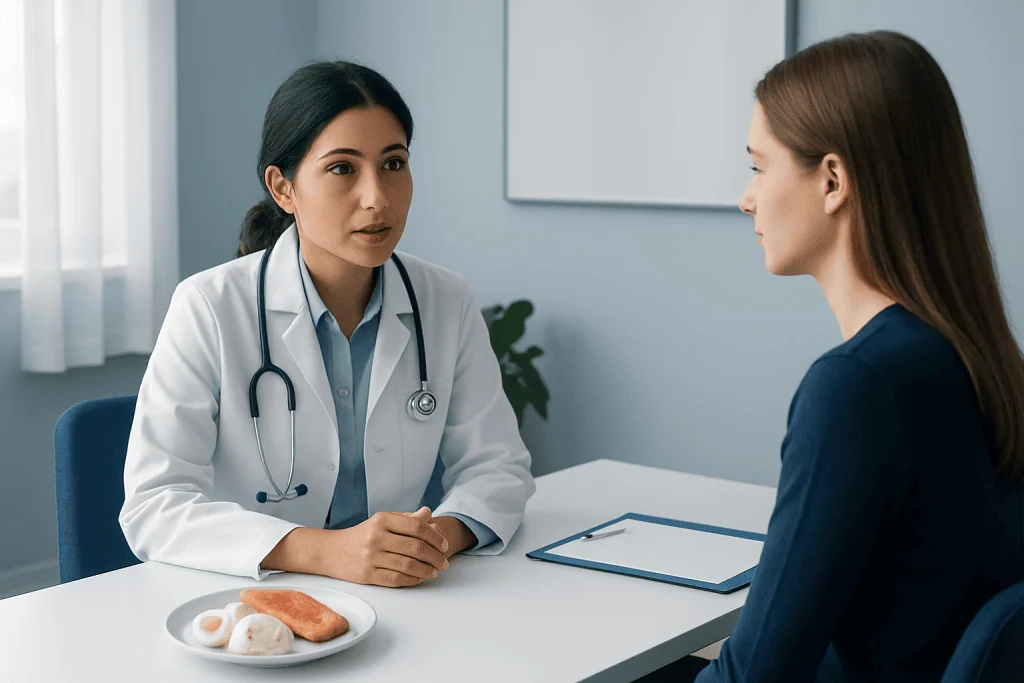
Evidence most strongly supports protein-rich foods when hair changes occur in the setting of low protein intake, undernutrition, or broader nutrient deficiency. In these cases, restoring adequate nutrition may improve shedding over time, although visible improvement can take months because hair grows slowly and the follicle cycle does not reset immediately.
Evidence is much weaker for the idea that simply adding extra protein helps people who already meet their nutritional needs. For example, common forms of hair thinning such as androgenetic hair loss are driven mainly by genetics and hormones, not by a lack of dietary protein. Likewise, autoimmune forms such as alopecia areata are not corrected by protein intake alone.
Protein-rich foods are still part of healthy eating, but they should not delay evaluation when hair loss is patchy, sudden, scarring, or associated with other symptoms. In some cases, treatment may involve dermatologic evaluation, blood tests, or targeted medical therapy. Depending on the cause, clinicians may discuss scalp assessment or options such as hair transplant for selected patients after proper diagnosis.
Best food sources and practical ways to use them
For most people, the safest and most useful approach is to obtain protein from ordinary foods rather than relying on powders or high-dose supplements. Whole foods provide additional nutrients that may support general health and hair, and they reduce the chance of overuse compared with concentrated products.
Meals do not need to be complicated. A person might include eggs or yogurt at breakfast, beans or lentils at lunch, and fish, chicken, tofu, or another protein source at dinner. Spreading protein intake across the day may be easier than trying to consume a large amount in one sitting.
Some examples of practical choices include:
- Eggs with vegetables and whole-grain toast
- Greek yogurt with seeds and fruit
- Lentil soup with salad
- Grilled fish with beans or quinoa
- Tofu or tempeh with vegetables and brown rice
- Nuts or hummus as part of a snack, especially when meals are light
People following vegetarian or vegan diets can still meet protein needs through well-planned eating patterns. Combining legumes, soy foods, nuts, seeds, and grains across the day usually provides adequate amino acids without needing extreme dietary changes.
Risks, side effects, and who should be cautious
Protein-rich foods are generally safe as part of a balanced diet, but there are important exceptions. Very high-protein diets or frequent use of protein supplements may not be appropriate for people with kidney disease, some liver conditions, certain metabolic disorders, or those advised to limit protein for medical reasons. These individuals should follow personalized guidance from their doctor or dietitian.
Some foods promoted for hair may also carry downsides. Processed meats can be high in salt and saturated fat. Excessive intake of certain fish may be a concern in pregnancy because of mercury exposure. Protein powders and “hair supplements” may contain sweeteners, herbs, or added vitamins in amounts that are unnecessary or occasionally harmful.
It is also possible to miss the real problem by focusing too heavily on protein. Hair shedding can be linked to thyroid disorders, iron deficiency, hormonal shifts after pregnancy, chronic stress, rapid weight loss, medication effects, or scalp disease. If the scalp is inflamed, itchy, painful, or scarred, a skin specialist may look for conditions such as seborrheic dermatitis or other inflammatory causes rather than a nutrition problem alone.
Allergies and intolerances also matter. Dairy, soy, eggs, nuts, and fish are common foods that some people cannot tolerate. In these cases, safe alternatives can usually be found without compromising protein intake.
Safe use in real life: how to approach hair concerns nutritionally
The safest nutritional approach is to aim for adequacy, not excess. People worried about hair health may benefit from reviewing whether they are eating enough total calories, enough protein, and a varied diet with iron-rich foods, zinc-containing foods, fruits, vegetables, and healthy fats. Restrictive eating plans can affect hair even when protein intake appears high on paper.
If hair changes began after illness, surgery, childbirth, significant emotional stress, or rapid weight loss, the shedding may reflect a temporary shift in the hair cycle rather than a simple lack of protein. In these situations, supportive nutrition is sensible, but medical review may still be helpful to confirm the cause and rule out deficiencies or hormone-related issues.
Testing may be appropriate when hair loss is persistent or unexplained. Doctors may check for iron status, thyroid function, vitamin D, or other factors based on symptoms and exam findings. Treatment then depends on the underlying cause and can sometimes include medical therapies such as mesotherapy or other dermatologist-led options when clinically suitable, rather than nutrition changes alone.
When to seek medical care
A person should seek medical care if hair loss is sudden, severe, patchy, painful, or associated with scalp redness, scaling, pustules, or scarring. Medical advice is also important when thinning is accompanied by fatigue, weight change, menstrual changes, symptoms of thyroid disease, signs of anemia, or a recent major illness.
Professional evaluation is especially helpful if a person has already improved their diet but the problem continues, or if they are considering supplements because of ongoing shedding. A doctor can help distinguish nutritional causes from hormonal, autoimmune, infectious, or dermatologic conditions and recommend evidence-based treatment.
Near the end of the care pathway, selected patients may need specialist assessment from dermatology, endocrinology, or nutrition teams. Acibadem International’s multidisciplinary specialists in JCI-accredited hospitals evaluate and treat hair and scalp concerns for international patients when diagnostic clarification or coordinated care is needed.
Frequently asked questions
Does eating more protein make hair grow faster?
Not usually. If protein intake is already adequate, eating more does not reliably make hair grow faster or much thicker. Protein helps support normal hair production, but growth rate is influenced by genetics, hormones, age, health conditions, and the hair cycle.
Which protein-rich foods are best for hair growth?
There is no single best food for everyone. Helpful options include eggs, fish, poultry, yogurt, beans, lentils, tofu, nuts, and seeds because they provide protein along with other nutrients. A varied, balanced diet is generally more useful than relying on one “superfood.”
Can protein deficiency cause hair loss?
Yes, low protein intake can contribute to diffuse hair shedding, especially when it occurs with overall undernutrition or restrictive dieting. This tends to affect the normal hair cycle rather than causing a specific pattern of baldness. A doctor or dietitian can help determine whether diet is part of the cause.
Are protein shakes good for hair?
They can help only if they fill a real nutritional gap. For many people, ordinary foods are a better first choice because they provide a broader mix of nutrients and are less likely to lead to excess intake. Some protein products also contain unnecessary additives or high levels of vitamins and sweeteners.
Can too much protein be harmful?
It can be, especially for people with kidney disease, some liver conditions, or those advised to limit protein for medical reasons. Very high-protein diets may also crowd out other important foods and nutrients. It is safest to aim for balanced intake rather than excessive amounts.
How long does it take for dietary changes to help hair?
Hair responds slowly. Even when nutrition is a contributing factor, it may take several months to notice less shedding or visible improvement because hair grows in cycles. Persistent, worsening, or unexplained hair loss should be medically assessed rather than managed with diet alone for long periods.
This article is for general information only and is not a substitute for professional medical advice. Please consult a qualified doctor about your individual situation.
Hair transplant in Turkey — costs, graft counts & a free assessment
JCI-accredited · board-certified surgeons · reply within 24h
Add us as a Preferred Source to see more of our trusted health content across Google Search, AI Overviews and Discover.
Check your numbers in seconds
BMI, calories, due date, blood pressure and 30+ more clinical calculators — free, instant, doctor-reviewed ranges.

More from the Health Library

Hydration and Health: Signs of Dehydration and How Much Water You Need

Anti Inflammatory Foods: What the Clinical Research Actually Says

Avocado Toast Calories: What the Clinical Research Actually Says

Vitamin a D and E: Evidence-Based Benefits, Risks, and Practical Guidance

How to Read Nutrition Labels Correctly