

Proton Therapy Knoxville Tn: How It Works, Results and What to Expect

Proton therapy delivers most of its energy at a planned depth, which may reduce radiation reaching healthy tissue behind a tumor. It is not automatically better than standard radiation; the potential benefit depends on cancer type, location, treatment goals and anatomy.
Key Takeaways
- Proton therapy delivers most of its energy at a planned depth, which may reduce radiation reaching healthy tissue behind a tumor.
- It is not automatically better than standard radiation; the potential benefit depends on cancer type, location, treatment goals and anatomy.
- Treatment planning and daily positioning are highly precise, while the actual proton beam is usually delivered over minutes.
- Side effects vary by the body area treated and may appear during therapy or gradually afterward.
- Cancer control outcomes are often similar to high-quality photon radiation for many cancers, but proton therapy may lower selected treatment-related risks.
Proton therapy is an advanced form of radiation treatment that uses positively charged particles to target cancer while reducing radiation exposure beyond the tumor. For people searching for proton therapy in Knoxville, TN, the most important step is an individualized review by a radiation oncology team to determine whether it offers a meaningful advantage over modern photon radiation.
Overview: Proton Therapy in Knoxville, TN
Proton therapy is a type of external-beam radiation therapy used to treat certain cancers. Instead of using X-rays, also called photons, it uses protons: positively charged particles that can be directed into a tumor with carefully planned energy and depth. The goal is the same as with other radiation treatments—to damage cancer-cell DNA so the cells can no longer divide—while protecting as much healthy tissue as possible.
The phrase “proton therapy Knoxville TN” often reflects a search for local access, referral options or a second opinion. Availability can vary by region, and some patients travel to a proton center for planning and treatment. Whether travel is worthwhile should be discussed with a radiation oncologist, who can compare proton plans with advanced photon techniques such as intensity-modulated radiation therapy (IMRT).
Proton treatment is one part of comprehensive cancer care. It may be used alone or combined with surgery, chemotherapy, immunotherapy or other treatments, depending on the cancer diagnosis, stage and the person’s overall health.
How Proton Therapy Works
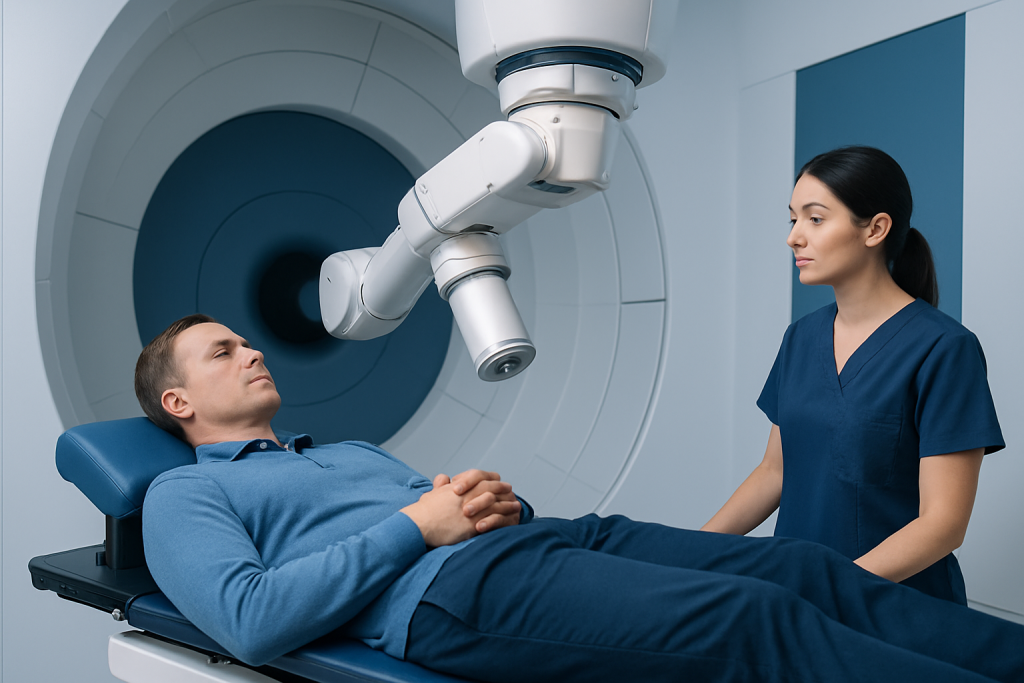
Both photon and proton radiation can treat cancer effectively. Their key physical difference is how they deposit energy. Photon radiation continues through the body and releases some dose as it exits. Protons slow down as they travel and release most of their energy at a planned depth, called the Bragg peak, after which the dose falls sharply.
This dose pattern can be valuable when a tumor is close to sensitive structures, such as the brain, spinal cord, eyes, heart, lungs, bowel or salivary glands. A proton plan may lower the radiation dose to these nearby organs. However, the potential reduction in dose does not always translate into a meaningful clinical advantage for every patient.
Before recommending proton therapy, the clinical team evaluates imaging, tumor location, prior treatments and the expected radiation dose to normal tissues. In many cases, a comparative planning process helps determine whether protons offer a practical benefit over the best available photon-based plan.
Candidacy: What Cancers Respond Best to Proton Therapy?

Proton therapy can be considered for cancers where limiting radiation to healthy tissue is especially important. This includes some tumors in the brain and central nervous system, head and neck, eye, spine, lung, liver, pancreas, prostate, pelvis and certain sarcomas. It may also be particularly relevant for children, because developing tissues can be more sensitive to radiation exposure.
Some cancers that may be evaluated for proton treatment include brain tumors, head and neck cancers, prostate cancer and tumors near the spine. Proton therapy may also be considered when radiation is needed again in an area that has already received radiation, although re-irradiation requires careful specialist assessment.
The cancers that “respond best” are not defined by one universal list. Cancer response depends on tumor biology, stage, size, whether it has spread, and whether radiation is being given to cure disease, reduce recurrence risk or relieve symptoms. A tumor board or multidisciplinary team can help match treatment to the individual situation.
- Location close to critical organs or tissues
- Need to reduce radiation exposure in a child or young adult
- Complex tumors requiring high-dose, highly conformal radiation
- Previous radiation treatment in the same body region
- A proton plan that clearly improves normal-tissue protection compared with a photon plan
Step by Step: What Happens During Proton Therapy?
The process begins with a consultation with a radiation oncologist. The clinician reviews pathology reports, scans, previous treatments and general health. If proton therapy may be appropriate, the patient has a planning session, often called simulation. This typically includes a CT scan in the exact position used for treatment and may include MRI or PET imaging for added detail.
Custom positioning devices, such as a molded mask for head and neck treatment or body supports for chest and abdominal treatment, help maintain the same position each day. The radiation oncology team creates a detailed plan that defines the tumor target, nearby organs and the safest beam angles. Planning is individualized and can take days to complete.
During each visit, the patient lies on a treatment table while therapists use imaging and alignment checks to verify positioning. The patient does not feel the proton beam itself. The full appointment may take 30 to 60 minutes, though beam delivery is usually shorter. Treatment is commonly given Monday through Friday over several weeks, but schedules vary widely according to the diagnosis and treatment plan.
For patients considering care abroad, proton therapy treatment is planned through a coordinated review of radiation, medical and surgical oncology needs. Acibadem International’s multidisciplinary specialists and JCI-accredited hospitals can assess and treat appropriate international patients.
Benefits, Risks and What Is the Downside of Proton Therapy?
The main potential benefit of proton therapy is reduced radiation dose to certain healthy tissues. This may lower the likelihood of some short- or long-term side effects, especially when the target sits beside sensitive organs. It can be important for selected pediatric cancers and tumors in anatomically complex areas.
However, proton therapy has downsides and limitations. It is not available everywhere, and travel or temporary relocation may be needed. Planning can be complex, and anatomical changes during treatment—such as weight loss, tumor shrinkage or changes in bowel filling—can affect how the proton dose is distributed. The team may need repeat imaging or adjustments to the plan.
Side effects can still occur because normal tissue near or within the treatment area receives radiation. Common effects may include fatigue, temporary skin redness or irritation, hair loss only in the treated area, and symptoms related to the body site being treated. For example, throat treatment may cause swallowing discomfort, while pelvic treatment may cause bowel or urinary changes.
Rare but important late effects depend on the treatment site and total dose. These can include tissue scarring, hormonal changes, nerve effects, fertility concerns or a small risk of a later radiation-associated cancer. The treating team should explain expected benefits, alternatives and possible harms before treatment begins.
What Is the Success Rate of Proton Therapy?
There is no single success rate for proton therapy. Outcomes depend primarily on the specific cancer, its stage and biology, whether cancer has spread, the treatment intent and the other treatments used. For many cancers, proton therapy is expected to provide cancer control comparable to well-delivered modern photon radiation, because both treatments use radiation to damage cancer cells.
Its possible advantage is often a lower dose to nearby normal tissue rather than a universally higher cure rate. In selected situations, lowering normal-tissue dose may make it easier to deliver an effective radiation dose, reduce certain complications or support safer treatment after prior radiation. Research continues to compare outcomes across cancer types.
Patients should ask their radiation oncologist about outcomes for their exact diagnosis rather than relying on general figures. A useful discussion includes the goal of treatment, likely tumor control, expected side effects, alternative radiation methods and whether a comparative proton-versus-photon plan has been reviewed.
How Long Does It Take to Recover From Proton Radiation?
Most people do not need a recovery stay after each proton treatment and can return home the same day. Fatigue often builds gradually during the course of treatment and may continue for several weeks after it ends. The timing and intensity of other effects depend on the body area treated and whether chemotherapy or surgery is also part of care.
Skin reactions and irritation of nearby tissues may peak near the end of treatment or in the first one to two weeks afterward, then gradually improve. Some symptoms, such as bowel, bladder, swallowing or mouth changes, can take weeks to months to settle. The oncology team provides site-specific guidance for nutrition, skin care, activity and symptom relief.
Long-term follow-up remains important even after short-term symptoms improve. Follow-up visits and imaging help assess tumor response, identify late effects and support rehabilitation when needed. Patients should report new or worsening symptoms rather than assuming they are a normal part of recovery.
When to Seek Medical Care
Anyone diagnosed with cancer should seek timely evaluation from a qualified oncology team to discuss all appropriate treatment options. A radiation oncology consultation is especially useful when a tumor is close to important organs, when radiation has been recommended for a child, or when previous radiation treatment may affect future choices.
During or after proton therapy, patients should contact their treatment team promptly for a fever, severe or rapidly worsening pain, shortness of breath, chest pain, uncontrolled vomiting, inability to drink fluids, new confusion, sudden weakness, heavy bleeding, or a significant new change in bladder or bowel function. Urgent symptoms should be assessed without delay.
For non-urgent concerns, patients should still inform the care team about increasing fatigue, skin changes, swallowing problems, persistent diarrhea, urinary discomfort, appetite changes or emotional distress. Early supportive care can often improve comfort and help people continue treatment safely.
Frequently asked questions
Is proton therapy available in Knoxville, TN?
Local availability and referral pathways can change over time. A radiation oncologist in Knoxville can advise whether proton therapy is accessible nearby, whether travel to a proton center is needed, and whether it is likely to offer an advantage for the individual cancer.
Is proton therapy painful?
The proton beam itself is painless and cannot be felt. Some patients may find the positioning equipment uncomfortable, particularly if they must remain still in a molded mask or support device, but the treatment team can help with comfort and anxiety.
What is the downside of proton therapy?
Potential downsides include limited availability, possible travel, complex planning and the fact that side effects can still occur. It may not offer a meaningful benefit over advanced photon radiation for every cancer, so individualized comparison is important.
What is the success rate of proton therapy?
There is no single success rate because prognosis varies greatly by cancer type, stage and treatment goal. Proton therapy often aims to achieve cancer control similar to other modern radiation methods while reducing radiation exposure to selected healthy tissues.
How long does it take to recover from proton radiation?
There is usually no immediate recovery period after each session, and most people go home the same day. Fatigue and site-specific effects can continue for several weeks after treatment, while some tissues may take months to recover fully.
What cancers respond best to proton therapy?
Proton therapy is commonly considered for tumors near sensitive structures, including selected brain, head and neck, eye, spine, lung, liver, pancreatic, prostate and pediatric cancers. The best candidates are identified through review of the individual tumor and a comparison of treatment plans.
References
- National Cancer Institute
- American Society for Radiation Oncology
- American Cancer Society
- National Comprehensive Cancer Network
- Particle Therapy Co-Operative Group
This article is for general information only and is not a substitute for professional medical advice. Please consult a qualified doctor about your individual situation.
Oncology care in Turkey — second opinion and treatment plan
JCI-accredited · board-certified surgeons · reply within 24h
Add us as a Preferred Source to see more of our trusted health content across Google Search, AI Overviews and Discover.

More from the Health Library



Related Specialists

Prof. Dr. K. Fehmi Narter
Urology
Assoc. Prof. Dr. Emre Bozkurt
General Surgery
Assoc. Prof. Dr. Barış Görgün
Orthopedic Surgery & Traumatology
Dr. Eralp Yurtsever
Emergency Service