PRP for Joint Pain: Who May Benefit and What Results Are Realistic?

PRP for joint pain may help reduce symptoms in some people, but results are not immediate or guaranteed. It is most often considered for mild to moderate joint degeneration, especially in the knee, rather than severe end-stage arthritis.
Key Takeaways
- PRP for joint pain may help reduce symptoms in some people, but results are not immediate or guaranteed.
- It is most often considered for mild to moderate joint degeneration, especially in the knee, rather than severe end-stage arthritis.
- PRP is made from the patient’s own blood and is injected into the affected joint after preparation.
- Benefits, if they occur, usually develop gradually over weeks rather than days.
- A specialist should assess whether PRP is appropriate and whether other treatments may be better suited.
PRP for joint pain uses a person’s own blood platelets to deliver growth factors into a painful joint. It may reduce pain and improve function in selected patients, especially some people with mild to moderate osteoarthritis or overuse-related joint problems, but expectations should remain realistic.
Overview: What Is PRP for Joint Pain?
PRP stands for platelet-rich plasma. In this treatment, a small sample of the patient’s blood is taken and processed to concentrate platelets, which are blood components involved in healing. The prepared plasma is then injected into the painful joint with the aim of supporting the body’s repair response and reducing inflammation-related symptoms.
PRP for joint pain is commonly discussed for osteoarthritis, particularly in the knee, and for some joint-related soft tissue problems. It is not a surgical procedure, and it is different from steroid injections or hyaluronic acid injections. Because PRP uses the patient’s own blood, the risk of allergic reaction is generally low, though other risks such as temporary pain or swelling can still occur.
Interest in PRP has grown because some patients want options that may help relieve pain and improve function without surgery. However, PRP is not a cure for every joint condition. It does not reliably restore severely worn cartilage, and not everyone experiences meaningful improvement. Its role is best understood as one possible part of a broader treatment plan.
Who May Benefit Most?
The people most likely to be considered for PRP are those with mild to moderate joint degeneration, especially early or mid-stage knee osteoarthritis. In these cases, the joint still has some remaining structure, and symptoms may be driven partly by inflammation and gradual tissue wear rather than advanced joint destruction. Some patients with activity-related joint pain who are trying to stay active may also be evaluated for PRP.
PRP may be considered when standard non-surgical measures have not provided enough relief. These can include exercise-based rehabilitation, weight management, activity modification, pain-relieving medicines, and other injections. For a patient who wants to delay surgery, PRP may be one option to discuss with an orthopedic or sports medicine specialist.
It may be less helpful in severe, end-stage arthritis where there is major cartilage loss, marked joint deformity, or bone-on-bone damage. In those situations, symptoms often come from structural changes that PRP cannot reverse. People with certain blood disorders, active infection, uncontrolled medical conditions, or those taking some medications may also be poor candidates until a doctor reviews their overall health.
Because joint pain can have different causes, proper diagnosis matters. For example, pain may come from osteoarthritis, inflammatory arthritis, tendon problems, or a meniscus injury rather than the joint surface itself. A specialist may evaluate whether a condition such as knee osteoarthritis is the main driver of symptoms before recommending PRP.
What Results Are Realistic?
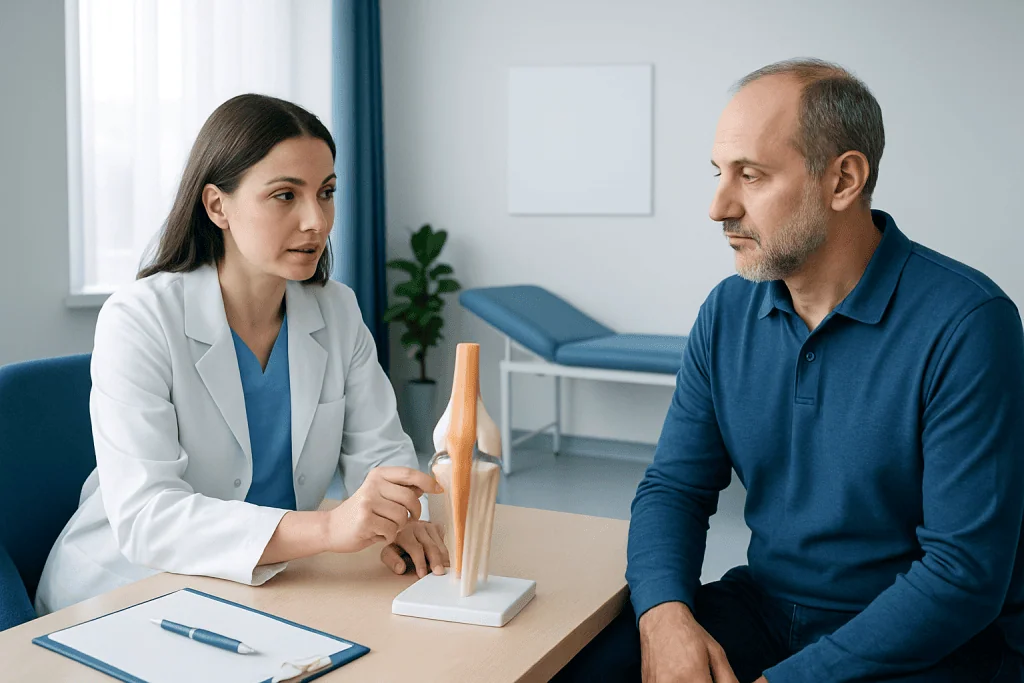
Realistic expectations are important. PRP may help reduce pain and improve joint function in some patients, but the response is variable. Some people notice clear benefit, others notice only mild improvement, and some do not improve at all. In general, benefit tends to be more likely in carefully selected patients with less advanced disease.
Results are usually gradual, not immediate. It is common for symptoms to remain similar for a short time after the injection, and some people have a temporary flare of soreness or stiffness. When PRP helps, improvement often becomes more noticeable over several weeks and may continue over the following months.
PRP should not be viewed as a way to regrow a severely damaged joint or eliminate the need for every other treatment. Many patients still need physical therapy, strengthening, weight management, supportive footwear, or changes in sports and exercise. If arthritis continues to progress, other options may eventually be needed, including procedures such as knee replacement in appropriate cases.
Doctors also explain that study findings are mixed. Some research suggests PRP can outperform certain other injections for selected patients with knee osteoarthritis, while other studies show more modest benefits. Differences in preparation methods, injection schedules, joint condition, and follow-up time all affect outcomes.
How PRP Is Performed
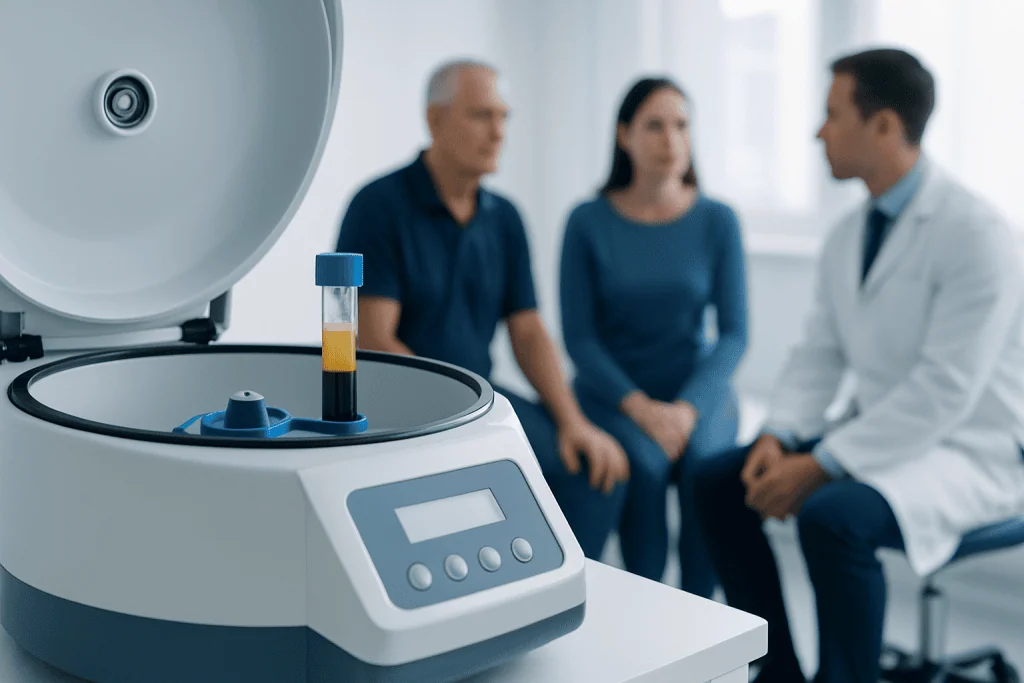
A PRP treatment session usually begins with a blood draw. The blood is placed in a machine that separates its components so that the platelet-rich portion can be collected. That concentrated plasma is then prepared for injection into the painful joint.
The injection area is cleaned carefully, and the doctor may use ultrasound or another imaging method to guide needle placement, depending on the joint and the clinical situation. Guidance can help improve accuracy, especially in smaller or more complex joints. The procedure is usually done as an outpatient treatment.
After the injection, many patients go home the same day. Mild discomfort, fullness, or swelling in the joint can occur for a short time. The care team may advise temporary rest from heavy activity, followed by a gradual return to exercise and a structured rehabilitation plan if needed. Some treatment plans involve a single injection, while others may include more than one, based on the doctor’s judgment and the patient’s response.
Diagnosis and Evaluation Before PRP
Before recommending PRP, a doctor usually confirms the source of joint pain through a medical history, physical examination, and sometimes imaging such as X-rays or MRI. This helps determine whether the problem is degenerative arthritis, a soft tissue injury, inflammation, or another condition. The severity of joint damage strongly affects whether PRP is likely to help.
The doctor may also review previous treatments and how well they worked. If a patient has not yet tried exercise therapy, weight reduction when appropriate, or other non-surgical options, these may be discussed first. A balanced plan often produces better results than relying on a single injection alone.
Medication use and general health also matter. Blood-thinning medicines, active infection, certain blood conditions, and autoimmune or inflammatory diseases may affect decision-making. In some situations, joint pain may eventually require a more structural solution, such as hip replacement or another orthopedic procedure, rather than biologic injection therapy.
Benefits, Risks, and Limitations
The main possible benefits of PRP are symptom relief and improved daily function. Some patients report less pain during walking, climbing stairs, exercise, or standing for long periods. Because PRP comes from the patient’s own blood, there is generally a low risk of immune reaction compared with treatments that use foreign substances.
Still, PRP is a medical procedure and has limitations. Short-term pain, swelling, bruising, and stiffness at the injection site can happen. Infection, bleeding, or injury to nearby structures is uncommon but possible with any joint injection. The quality and composition of PRP may differ between clinics and preparation systems, which is one reason results are not identical from one patient to another.
Another limitation is that PRP is not equally supported for all joints and all diagnoses. Most discussion and evidence focus on knee osteoarthritis, while evidence for hip, shoulder, ankle, or smaller joints is less uniform. PRP may also be considered in some related musculoskeletal conditions, but it should be matched to a clear diagnosis, such as osteoarthritis, rather than offered as a universal answer for every pain problem.
- PRP may work best for selected patients with early to moderate degeneration.
- It is less likely to help advanced joint collapse or severe deformity.
- Benefits are often gradual and may not be permanent.
- It is usually one part of a broader musculoskeletal care plan.
Self-Care, Recovery, and When to See a Doctor
After PRP, doctors often recommend a short period of relative rest followed by progressive return to normal activity. Heavy exercise may be limited temporarily, but complete inactivity is usually not the goal. In many cases, guided rehabilitation helps protect the joint, improve strength, and support long-term function.
General joint-friendly habits remain important whether or not PRP is used. These include maintaining a healthy body weight, building muscle strength around the joint, improving flexibility, using proper footwear, and choosing lower-impact activities when needed. These measures can reduce stress on painful joints and may improve the overall effect of treatment.
A patient should contact a doctor if pain becomes severe, swelling rapidly worsens, fever develops, or the joint becomes increasingly red or difficult to move after an injection. Medical review is also important when joint pain persists despite conservative treatment, interferes with sleep or daily life, or limits walking and exercise. In some cases, a specialist may discuss advanced options such as robotic knee replacement surgery when non-surgical measures no longer provide enough relief.
For people seeking international care, Acibadem International’s multidisciplinary specialists and JCI-accredited hospitals evaluate joint pain and offer individualized treatment plans for appropriate patients.
Frequently asked questions
Is PRP for joint pain the same as stem cell therapy?
No. PRP uses a concentrated portion of the patient’s own blood that is rich in platelets and growth factors. Stem cell-based treatments are different and involve other cell types, different regulations, and different evidence.
How long does it take to notice results from PRP?
PRP does not usually provide instant relief. If it helps, improvement often appears gradually over several weeks and may continue over the following months. Some patients notice only modest change, and some do not respond.
Can PRP cure arthritis?
PRP is not considered a cure for arthritis. It may reduce pain and improve function in selected people, especially with mild to moderate osteoarthritis, but it does not reliably reverse advanced joint damage.
Which joints are most commonly treated with PRP?
The knee is one of the most commonly treated joints, especially for osteoarthritis. PRP may also be used in selected cases involving the hip, shoulder, ankle, or other joints, but the strength of evidence varies by location and diagnosis.
Is PRP painful?
A blood draw and injection can cause some discomfort, and the joint may feel sore or swollen for a short time afterward. Most patients tolerate the procedure well, but the experience varies depending on the joint being treated and the person’s pain sensitivity.
Who should avoid PRP or discuss it carefully with a doctor?
People with active infection, some blood or bleeding disorders, certain serious medical conditions, or those taking specific medications may not be good candidates without careful review. A doctor should also evaluate whether the pain source is suitable for PRP in the first place.
References
- American Academy of Orthopaedic Surgeons
- National Institute for Health and Care Excellence
- Arthritis Foundation
- OrthoInfo
- U.S. Food and Drug Administration
This article is for general information only and is not a substitute for professional medical advice. Please consult a qualified doctor about your individual situation.
Joint and spine care in Turkey — expert assessment & treatment
JCI-accredited · board-certified surgeons · reply within 24h
Add us as a Preferred Source to see more of our trusted health content across Google Search, AI Overviews and Discover.