Pseudobulbar Affect — Explained by Medical Evidence, Not Myths

Pseudobulbar affect causes involuntary laughing or crying that is out of proportion to the situation or a person’s actual mood. It is not simply depression, anxiety, or a personality change, although it can occur alongside those conditions.
Key Takeaways
- Pseudobulbar affect causes involuntary laughing or crying that is out of proportion to the situation or a person’s actual mood.
- It is not simply depression, anxiety, or a personality change, although it can occur alongside those conditions.
- Pseudobulbar affect is most often associated with neurological diseases or brain injury, such as stroke, multiple sclerosis, ALS, dementia, or traumatic brain injury.
- Diagnosis is based on medical history, symptom patterns, and evaluation of the underlying neurological condition.
- Treatment may include prescription medication, support strategies, and care for the underlying brain or nerve disorder.
Pseudobulbar affect is a neurological condition that causes sudden, hard-to-control episodes of laughing or crying that do not match a person’s true feelings. It is usually linked to an underlying brain or nervous system disorder, and effective evaluation and treatment can help reduce distress and improve daily life.
Overview: what pseudobulbar affect really means
Pseudobulbar affect is a disorder of emotional expression, not simply emotion itself. It causes sudden episodes of laughing or crying that are difficult to control and may seem unrelated to what a person is actually feeling. In many cases, the reaction is stronger, longer, or less appropriate to the situation than expected.
This condition happens when the brain pathways that help regulate emotional expression are affected by neurological disease or injury. A person may know that the reaction does not fit the moment, yet still be unable to stop it. That loss of control can feel confusing, frustrating, or embarrassing for both the patient and family members.
Medical evidence shows that pseudobulbar affect is linked to disrupted communication between areas of the brain involved in emotion, movement, and behavioral control. For that reason, it is most often seen in people with conditions such as stroke, multiple sclerosis, amyotrophic lateral sclerosis, dementia, Parkinsonian disorders, or traumatic brain injury.
Clear diagnosis matters because pseudobulbar affect is often mistaken for depression or another mental health condition. While mood disorders and pseudobulbar affect can occur together, they are not the same problem and may need different treatment approaches.
How episodes feel and what symptoms look like
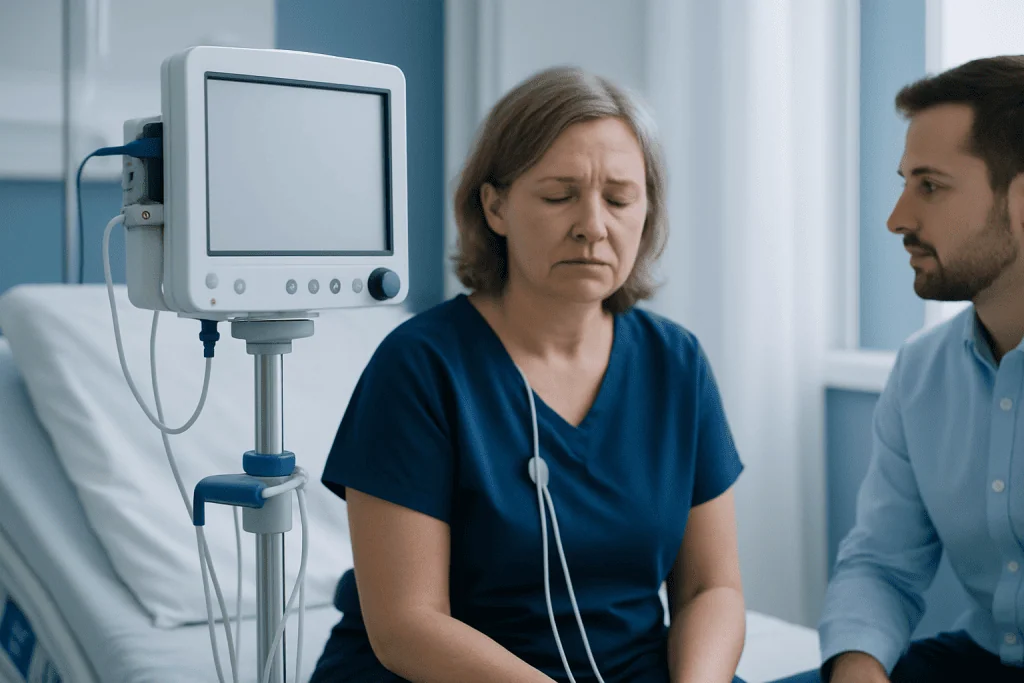
The hallmark symptom of pseudobulbar affect is sudden, involuntary crying or laughing. These episodes can begin quickly, last from seconds to several minutes, and may be difficult to predict. Some people cry when they are only mildly sad or not sad at all, while others laugh in situations that are not truly funny.
A key feature is the mismatch between outward expression and inner emotion. For example, a person may feel only a little touched by a story but begin crying intensely, or may feel neutral but burst into laughter. After the episode passes, the person often returns to their previous emotional state relatively quickly.
Symptoms vary from person to person, but common patterns include:
- Episodes of crying or laughing that are hard to stop
- Reactions that are stronger than expected for the situation
- Emotional expression that does not match the person’s actual feelings
- Frequent episodes that interfere with work, social life, or caregiving
- Embarrassment, withdrawal, or anxiety about future episodes
Because the episodes may happen in public or during conversation, some people begin avoiding social situations. This can reduce quality of life even when the underlying neurological disease is otherwise stable. Recognizing the pattern is the first step toward helpful care.
Why it happens: causes and risk factors

Pseudobulbar affect develops when disease or injury disrupts the brain networks that coordinate emotional expression. These networks involve the frontal lobes, brainstem, cerebellum, and the pathways connecting them. When signaling in these circuits is altered, laughing and crying can be triggered too easily or released without normal control.
The condition is not caused by weak willpower or attention-seeking behavior. It is a neurological symptom associated with structural or functional changes in the brain. For many patients, it appears after a diagnosis that already affects the central nervous system.
Common associated conditions include stroke, multiple sclerosis, amyotrophic lateral sclerosis, Alzheimer’s disease and other dementias, traumatic brain injury, Parkinsonian syndromes, and some brain tumors. It may also occur after other forms of neurological damage. In people recovering from brain injury or a serious neurological illness, careful follow-up can help identify these episodes early.
Risk is generally higher in people who have a known neurological disorder, especially when the condition affects thinking, movement, speech, or brain connectivity. However, severity of the underlying disease does not always predict how noticeable pseudobulbar affect will be. Even relatively brief episodes can still have a meaningful emotional and social impact.
How doctors distinguish pseudobulbar affect from depression or other conditions
One of the most important parts of evaluation is separating pseudobulbar affect from mood disorders. Depression usually causes a persistent low mood, loss of interest, changes in sleep or appetite, low energy, and symptoms lasting for days or weeks. By contrast, pseudobulbar affect causes brief episodes of crying or laughing that may occur even when the person’s underlying mood is stable.
Doctors also consider other possible explanations, including anxiety, medication effects, seizures, delirium, and behavioral changes related to dementia. The person’s medical history, family observations, and timing of the episodes can all provide useful clues. A caregiver’s description is often especially helpful when the patient has trouble explaining symptoms.
During assessment, the doctor may ask whether the emotional episodes are sudden, how long they last, whether they match the person’s real feelings, and how often they occur. Standardized screening questionnaires may be used to support diagnosis, but they do not replace clinical judgment. The broader goal is to understand both the symptom itself and the neurological condition behind it.
If there is concern about a structural brain problem or progression of a known neurological illness, the care team may recommend neurological examination and, when appropriate, imaging or other tests. In some patients, evaluation of related conditions such as Alzheimer’s disease or movement disorders may be part of the diagnostic process.
Diagnosis and the role of neurological assessment
There is no single laboratory test that confirms pseudobulbar affect. Diagnosis is usually made by identifying a characteristic symptom pattern in someone with a brain or nervous system disorder. The clinician looks for brief, involuntary episodes of laughing or crying that are exaggerated or disconnected from the person’s true emotional state.
A neurological assessment helps place those symptoms in context. This may include review of past stroke or brain injury, current medications, memory and thinking changes, speech or swallowing problems, and any other signs of neurological disease. When needed, imaging studies such as MRI or CT may help clarify the underlying condition rather than diagnose pseudobulbar affect itself.
In some situations, specialist input is useful, especially if symptoms are new, progressing, or difficult to distinguish from psychiatric conditions. Patients may benefit from evaluation in a neurology setting, and some people also need input from psychiatry, rehabilitation, speech therapy, or geriatric medicine depending on the broader clinical picture.
For patients with complex neurological needs, assessment may be coordinated with services such as neurology evaluation or brain MRI when a doctor believes these are appropriate. A careful diagnosis can reduce misunderstanding and guide treatment more effectively.
Treatment options and practical support
Treatment for pseudobulbar affect usually combines management of the emotional episodes with care for the underlying neurological condition. Prescription medication may help reduce how often episodes happen and how severe they are. The best choice depends on the patient’s medical history, other medications, age, and the neurological diagnosis involved.
Doctors may use medications specifically approved or commonly used for this condition, depending on local practice and the individual patient’s needs. Treatment decisions should always be made by a qualified physician, because side effects, drug interactions, and other health conditions need to be considered carefully.
Non-drug strategies can also make daily life easier. Patients and caregivers may benefit from learning to recognize triggers, pausing conversation when an episode begins, using reassurance rather than correction, and letting teachers, employers, or friends know that the reaction is neurological rather than intentional. Emotional support is important, because the social burden of the condition can be significant even when episodes are brief.
When pseudobulbar affect occurs alongside diseases such as ALS, dementia, or stroke recovery, comprehensive care may include rehabilitation, speech and language support, counseling, and review of swallowing or communication issues. In selected cases, care may also overlap with physical therapy and rehabilitation as part of a broader neurological recovery plan.
Prevention, self-care, and living well with the condition
There is no guaranteed way to prevent pseudobulbar affect once a neurological disease or brain injury has occurred, but good management of the underlying condition may help overall functioning. Following treatment plans for stroke prevention, neurological follow-up, rehabilitation, and medication review can support brain health more broadly.
Self-care focuses less on stopping episodes by willpower and more on reducing their impact. Many people feel better when they understand that the episodes are a recognized medical symptom rather than a personal failure. Education can help patients explain the condition to family, friends, and caregivers in a calm and confident way.
Helpful everyday strategies may include:
- Keeping a simple diary of when episodes happen and possible triggers
- Practicing slow breathing or changing posture when an episode begins
- Taking a short break from stimulating or emotional conversations
- Asking family or coworkers to respond supportively and without embarrassment
- Attending regular follow-up for the underlying neurological condition
Near the end of the care journey, some patients seek coordinated international neurological assessment. Acibadem International’s multidisciplinary specialists and JCI-accredited hospitals diagnose and treat neurological conditions associated with pseudobulbar affect for international patients when further evaluation is needed.
When to seek medical care
Medical advice should be sought if a person develops repeated episodes of laughing or crying that seem involuntary, out of proportion, or unrelated to their actual mood. Evaluation is especially important when the person has had a stroke, head injury, dementia, multiple sclerosis, ALS, or another neurological condition.
Prompt assessment is also important if symptoms are new, worsening, or causing social withdrawal, distress, or difficulty with caregiving. A doctor should also review symptoms if there are signs of depression, thoughts of self-harm, major behavior change, confusion, seizures, or sudden new neurological symptoms such as weakness, speech trouble, or facial drooping.
Urgent medical care is needed for any possible signs of acute stroke or serious neurological decline. Even when the episodes themselves are not dangerous, they can be a clue that a broader neurological evaluation is needed.
Frequently asked questions
Is pseudobulbar affect a mental illness?
Pseudobulbar affect is considered a neurological symptom rather than a primary mental illness. It results from changes in brain pathways that control emotional expression. However, it can exist alongside depression, anxiety, or other mental health conditions.
What is the difference between pseudobulbar affect and depression?
Depression usually involves a persistent low mood and other symptoms that last for days to weeks, such as poor sleep, loss of interest, or low energy. Pseudobulbar affect causes brief, sudden episodes of crying or laughing that may not match the person’s true feelings. A person can have one condition or both at the same time.
Can pseudobulbar affect happen after a stroke?
Yes. Stroke is one of the well-recognized neurological conditions associated with pseudobulbar affect. Damage to brain circuits that regulate emotional expression can make laughing or crying harder to control.
Does pseudobulbar affect mean dementia is getting worse?
Not necessarily. Pseudobulbar affect can occur in people with dementia, but its presence alone does not prove that the disease is rapidly progressing. A doctor can help determine whether new symptoms reflect pseudobulbar affect, mood changes, or progression of the underlying condition.
Can pseudobulbar affect be treated?
Yes, many patients improve with appropriate treatment. Care may include prescription medication, education, and management of the underlying neurological condition. Treatment should be individualized by a qualified clinician.
Should family members respond differently during an episode?
Supportive, calm responses are usually most helpful. Arguing, correcting, or showing embarrassment may increase distress. Family members can reassure the person, give the episode time to pass, and share symptom details with the medical team.
This article is for general information only and is not a substitute for professional medical advice. Please consult a qualified doctor about your individual situation.
Explore treatments in Turkey — costs, top hospitals & a free quote
JCI-accredited · board-certified surgeons · reply within 24h
Add us as a Preferred Source to see more of our trusted health content across Google Search, AI Overviews and Discover.

More from the Health Library

Paranoia: What Patients Need to Know

Steam Room: An Evidence-Based Guide for Patients

Sunchoke — Explained by Medical Evidence, Not Myths

HDL: What Patients Need to Know

Trisomy 18: A Complete Medical Overview