Psychoactive Drugs: A Complete Medical Overview

Psychoactive drugs act on the brain and nervous system, changing mood, perception, thinking, or behavior. Some psychoactive drugs are prescribed for medical reasons, while others are used recreationally or in harmful ways.
Key Takeaways
- Psychoactive drugs act on the brain and nervous system, changing mood, perception, thinking, or behavior.
- Some psychoactive drugs are prescribed for medical reasons, while others are used recreationally or in harmful ways.
- Effects can be short-term or long-term and may range from mild drowsiness to dependence, overdose, or mental health complications.
- Risk depends on the substance, dose, age, medical history, other medications, and whether multiple substances are used together.
- Early medical support can help with intoxication, withdrawal, problematic use, and coexisting mental health conditions.
Psychoactive drugs are substances that change brain function and can affect mood, alertness, perception, behavior, and thinking. They include prescribed medications, alcohol, nicotine, caffeine, and illegal drugs, so understanding their effects depends on why they are used, how they are taken, and whether they are used safely.
Overview
Psychoactive drugs are substances that influence the way the brain works. They can change mood, attention, energy, sleep, perception, memory, and behavior. This broad group includes common legal substances such as caffeine, nicotine, and alcohol, as well as prescription medications and illegal drugs.
Not all psychoactive drugs are harmful when used as directed. Many are important in medical care and may be prescribed to treat pain, anxiety, depression, sleep problems, or attention disorders. However, the same brain effects that make a drug medically useful can also lead to misuse, side effects, dependence, or dangerous interactions.
A practical way to understand psychoactive drugs is to focus on three questions: what type of substance it is, why it is being used, and how it affects day-to-day functioning. A prescribed medicine taken correctly under medical supervision is very different from nonmedical use, mixing substances, or taking large amounts without guidance.
How psychoactive drugs affect the brain and body
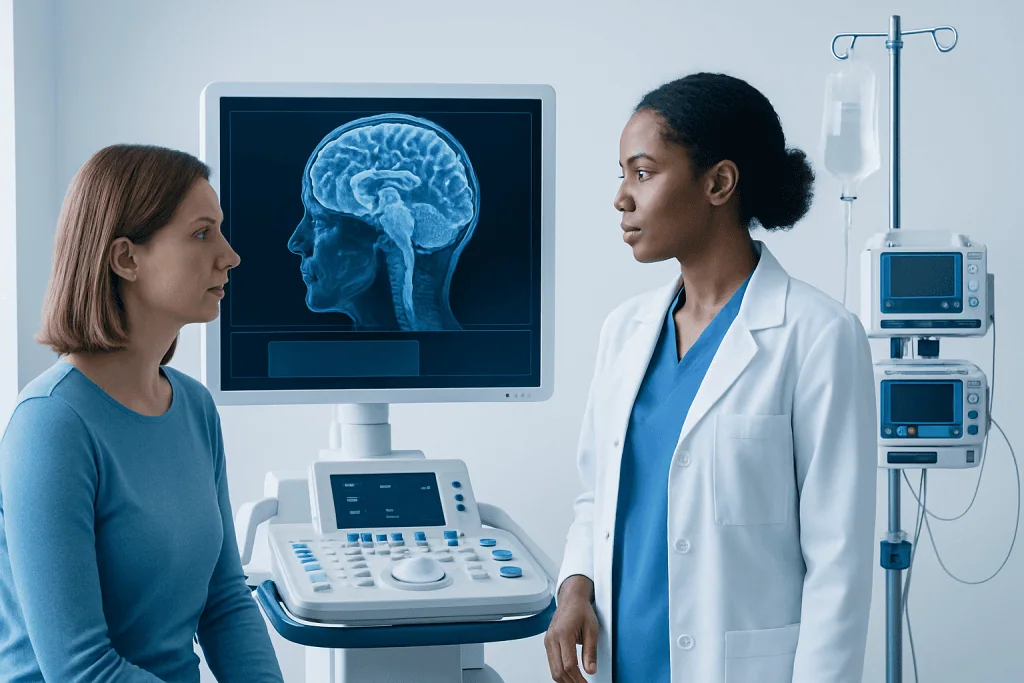
Psychoactive drugs work by changing communication between nerve cells in the brain. They may influence neurotransmitters such as dopamine, serotonin, gamma-aminobutyric acid (GABA), norepinephrine, or glutamate. These chemical systems help regulate pleasure, motivation, sleep, fear, memory, attention, and movement.
Because different substances act on different pathways, their effects vary widely. Some slow brain activity and cause relaxation or sleepiness. Others increase alertness and energy. Some alter sensory perception and the way a person experiences time, sound, or emotions. Effects may begin quickly or gradually, and they may last from minutes to many hours depending on the drug and how it is taken.
Psychoactive drugs can also affect the rest of the body. Changes in heart rate, blood pressure, breathing, body temperature, appetite, coordination, and reflexes are common. This is why substances that seem to act mainly on mood or thinking can still lead to medical emergencies, especially when combined with alcohol or other drugs.
Main types of psychoactive drugs

There are several broad categories of psychoactive drugs. Depressants slow activity in the central nervous system and may cause calmness, reduced anxiety, or drowsiness. This group includes alcohol, some sleep medications, and sedatives. Stimulants increase alertness, energy, and attention; examples include caffeine, nicotine, amphetamines, and cocaine.
Other groups include opioids, which are often used for pain control but can also cause euphoria, slowed breathing, and dependence; hallucinogens, which may alter perception and thought patterns; and cannabis-related products, which can affect mood, memory, coordination, and appetite. Some medications used in psychiatry, such as antidepressants and antipsychotics, are also psychoactive because they affect brain signaling.
These categories are helpful, but they are not perfect. Some substances have mixed effects or behave differently at different doses. For example, a drug may be calming in one setting and disorienting in another, or therapeutic in a medical context but risky when used without supervision.
- Depressants: alcohol, benzodiazepines, some sleeping pills
- Stimulants: caffeine, nicotine, prescription stimulants, cocaine
- Opioids: morphine, oxycodone, fentanyl, heroin
- Hallucinogens: LSD, psilocybin, PCP
- Cannabis-related substances: marijuana, THC-containing products
- Therapeutic psychiatric medicines: antidepressants, antipsychotics, mood stabilizers
Common effects, side effects, and risks
The effects of psychoactive drugs depend on the substance, dose, frequency of use, route of use, and the person’s overall health. Short-term effects may include relaxation, improved focus, pain relief, reduced anxiety, increased sociability, or sleepiness. Unwanted effects can include impaired judgment, slowed reaction time, confusion, agitation, nausea, dizziness, panic, or risky behavior.
Long-term risks may include tolerance, dependence, withdrawal symptoms, memory and concentration problems, mood changes, sleep disruption, and social or work difficulties. Some substances can worsen depression, anxiety, or psychosis, particularly in people who are already vulnerable. Others may increase the risk of accidents, self-harm, or overdose.
Mixing substances is especially risky. Combining opioids, alcohol, or sedatives can dangerously slow breathing. Using stimulants together can strain the heart and raise blood pressure. Even prescribed medications can become unsafe if they are taken differently than directed or mixed with supplements, alcohol, or street drugs. In some cases, problematic use may develop into substance use disorder, which can benefit from structured medical and psychological care.
Special caution is needed during pregnancy, in older adults, in adolescents, and in people with liver disease, kidney disease, epilepsy, heart disease, or a history of mental health conditions. These groups may be more sensitive to side effects or more likely to experience complications.
Why people use psychoactive drugs and who is at higher risk of harm
People use psychoactive drugs for many reasons. Some use them medically for pain, anxiety, insomnia, attention symptoms, or mental health treatment. Others may use them socially, to feel more energized, to relax, to improve performance, or to cope with stress, trauma, loneliness, or emotional distress.
Risk of harm increases when use begins at a young age, when doses escalate over time, or when a person uses drugs to manage difficult emotions without support. Family history, previous addiction, untreated depression or anxiety, chronic pain, social isolation, and easy access to substances can all play a role. Stressful life events and unstable routines may also increase vulnerability.
Problematic use is not a sign of weak character. It is usually a health issue shaped by biology, mental health, environment, and life circumstances. Recognizing early warning signs, such as loss of control, cravings, withdrawal symptoms, secrecy, or ongoing use despite harm, can make treatment more effective and recovery more manageable.
Diagnosis and medical evaluation
When concerns arise about psychoactive drugs, doctors begin with a careful medical history. They ask about the substance used, the amount, timing, frequency, other medications, alcohol intake, symptoms, and any underlying physical or mental health conditions. This conversation helps distinguish side effects, intoxication, withdrawal, accidental interactions, and longer-term substance-related problems.
A physical examination may check breathing, heart rate, blood pressure, temperature, pupil size, hydration, coordination, and mental status. Depending on the situation, tests may include blood work, urine toxicology, liver and kidney function tests, or heart monitoring. In urgent cases, brain imaging or other studies may be needed to rule out stroke, trauma, infection, or other conditions that can mimic drug-related symptoms.
Mental health assessment is also important because psychoactive drug use and psychiatric symptoms often overlap. A person may need evaluation for anxiety, depression, panic attacks, sleep disorders, or psychotic disorders. Some patients are referred for psychiatric evaluation and treatment or neurology assessment when symptoms such as seizures, confusion, severe headaches, or changes in consciousness need further review.
Treatment and support options
Treatment depends on the substance involved and the problem being addressed. Acute intoxication may require monitoring, oxygen support, intravenous fluids, symptom control, or emergency care if breathing, heart rhythm, or consciousness is affected. Withdrawal can range from uncomfortable to dangerous, so some people need supervised medical detoxification, especially after heavy use of alcohol, benzodiazepines, or opioids.
Longer-term care may include counseling, behavioral therapies, family support, relapse prevention planning, and treatment for related medical or mental health conditions. In some cases, medications are used to reduce cravings, stabilize mood, improve sleep, or support recovery from opioid or alcohol dependence. If a prescribed psychoactive medicine is causing side effects, a doctor may adjust the dose, change the drug, or stop it gradually to avoid withdrawal.
Treatment is often most effective when it addresses the whole person rather than only the substance. This may include help for pain, trauma, depression, anxiety, sleep difficulties, and social stressors. Patients with severe agitation, suicidal thoughts, hallucinations, or major behavioral changes may need urgent specialist care, including psychological support alongside medical treatment.
Near the end of the care pathway, follow-up matters. Recovery often involves repeated review, practical coping strategies, and support from clinicians, family, and community resources. Acibadem International’s multidisciplinary specialists and JCI-accredited hospitals diagnose and treat substance-related and mental health concerns for international patients when advanced evaluation is needed.
Prevention, safer use, and when to seek medical care
Prevention begins with informed, careful use of any psychoactive substance. Prescription medicines should be taken exactly as directed and never shared. Alcohol or recreational drugs should not be mixed with prescription sedatives, opioids, or other substances. People should avoid driving, swimming, working at heights, or operating machinery if a substance affects alertness, coordination, or judgment.
Good self-care can also lower risk. Keeping regular sleep routines, managing stress, treating mental health symptoms early, and discussing all medications and supplements with a doctor can help prevent unsafe use and harmful interactions. Parents and caregivers can reduce risk by storing medications securely and having age-appropriate conversations about substances.
Medical care should be sought urgently if someone has trouble breathing, blue lips, chest pain, seizures, severe agitation, extreme confusion, loss of consciousness, suicidal thoughts, or suspected overdose. A person should also arrange non-urgent medical review if they notice cravings, escalating use, withdrawal symptoms, repeated blackouts, worsening anxiety or depression, or difficulty controlling use despite negative consequences.
Early medical advice is often the safest step. Even when symptoms seem mild, a qualified doctor can help identify interactions, adjust medications, and decide whether monitoring, counseling, or specialist support is needed.
Frequently asked questions
What are psychoactive drugs in simple terms?
Psychoactive drugs are substances that affect how the brain works. They can change mood, awareness, energy, perception, sleep, thinking, or behavior. Some are prescribed medicines, while others are used recreationally or illegally.
Are all psychoactive drugs dangerous?
No. Many psychoactive drugs are medically useful when prescribed and monitored appropriately. The main concerns are side effects, incorrect use, mixing substances, taking more than directed, or using them without medical supervision.
Can psychoactive drugs cause addiction?
Some can, but not all do so in the same way or at the same rate. Addiction risk depends on the substance, dose, frequency of use, personal and family history, and mental health factors. A doctor can help assess risk and suggest safer alternatives when needed.
What is the difference between dependence and addiction?
Dependence usually means the body has adapted to a substance, so stopping it may cause withdrawal symptoms. Addiction, often called substance use disorder, involves compulsive use despite harm and difficulty controlling intake. A person can have dependence without addiction, but the two can also occur together.
When should someone get emergency help for psychoactive drug use?
Emergency help is needed for breathing problems, collapse, seizures, chest pain, severe confusion, unresponsiveness, or suspected overdose. Immediate care is also important if the person is highly agitated, hallucinating, or talking about self-harm. In these situations, waiting at home can be unsafe.
Can prescribed psychoactive medications be stopped suddenly?
Often, no. Some psychoactive medications should be reduced gradually because stopping suddenly can cause withdrawal symptoms or a return of the original condition. A doctor or pharmacist should guide any change in dose.
This article is for general information only and is not a substitute for professional medical advice. Please consult a qualified doctor about your individual situation.
Explore treatments in Turkey — costs, top hospitals & a free quote
JCI-accredited · board-certified surgeons · reply within 24h
Add us as a Preferred Source to see more of our trusted health content across Google Search, AI Overviews and Discover.
Check your numbers in seconds
BMI, calories, due date, blood pressure and 30+ more clinical calculators — free, instant, doctor-reviewed ranges.

More from the Health Library

Witch Hazel for Acne: A Complete Medical Overview
Gtc Seizure: An Evidence-Based Guide for Patients

Atnr Reflex: An Evidence-Based Guide for Patients

Entresto: An Evidence-Based Guide for Patients
Bad Back Inversion Table: What Patients Need to Know