

Psychosis: Symptoms, Causes, and Treatment Options

Psychosis is a symptom cluster, not a single diagnosis. Common features include hallucinations, delusions, confused thinking, and reduced insight.
Key Takeaways
- Psychosis is a symptom cluster, not a single diagnosis.
- Common features include hallucinations, delusions, confused thinking, and reduced insight.
- Causes can include mental health disorders, substance use, neurological illness, sleep loss, or medical conditions.
- Early assessment and treatment can improve safety, symptom control, and long-term recovery.
- Treatment often combines medication, psychological support, family education, and care for the underlying cause.
Psychosis is a condition in which a person has difficulty distinguishing what is real from what is not. It can involve hallucinations, delusions, disorganized thinking, and changes in behavior, and it should be assessed promptly because many different medical and mental health conditions can cause it.
Overview: What Psychosis Means
Psychosis is a condition in which a person’s sense of reality becomes disrupted. Someone with psychosis may hear, see, or strongly believe things that others do not, or may have trouble organizing thoughts clearly. Psychosis is not a diagnosis by itself; rather, it is a group of symptoms that can happen in several mental, neurological, or medical conditions.
A person experiencing psychosis may not recognize that their experiences are part of an illness. This loss of insight is common and is one reason timely evaluation matters. Psychosis can appear suddenly or develop gradually, and it may be brief, recurrent, or part of a longer-term condition.
Although psychosis can be frightening for the person and for loved ones, effective treatment is available. The first step is to understand what is causing the symptoms, since care depends on whether psychosis is related to a psychiatric disorder, substance use, a brain condition, or another medical issue.
How Psychosis Can Appear in Daily Life
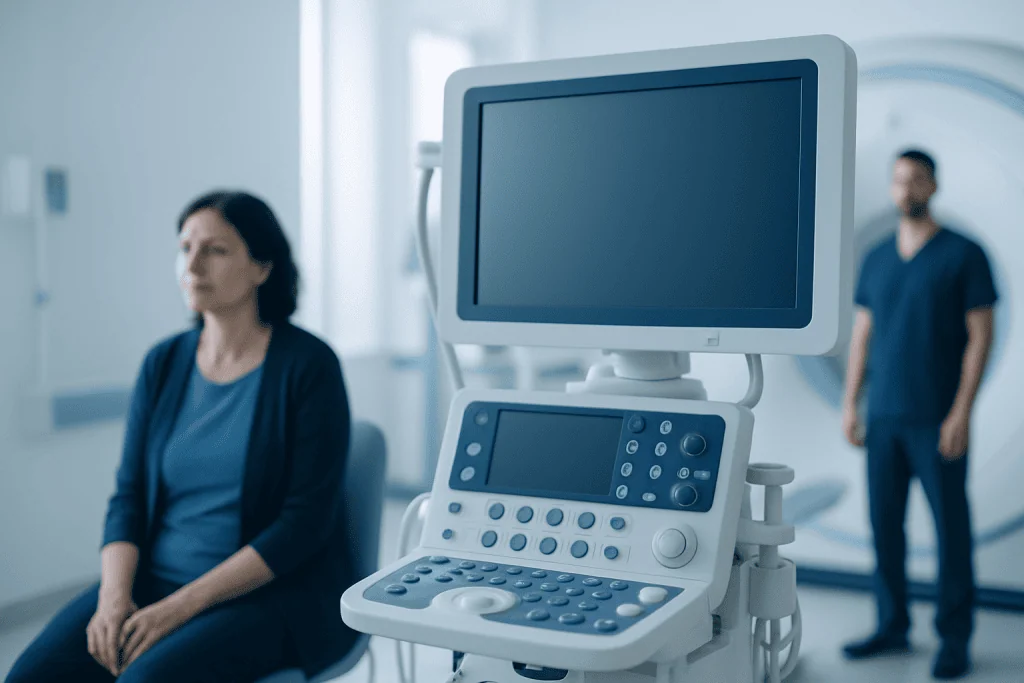
Psychosis is often described using medical terms such as hallucinations and delusions, but in everyday life it may look like a noticeable change in how a person thinks, speaks, behaves, or relates to others. Family members may observe that the person seems unusually suspicious, withdrawn, preoccupied, or confused.
Hallucinations are sensory experiences without an outside source. Hearing voices is one of the best-known examples, but hallucinations can also involve seeing images, smelling odors, feeling sensations on the skin, or tasting things that are not present. Delusions are fixed beliefs that remain strong even when clear evidence suggests otherwise, such as believing one is being watched, harmed, or given special messages.
Thinking and speech may also become disorganized. A person may jump rapidly between topics, give answers that seem unrelated to the question, or have difficulty following a conversation. Along with these symptoms, emotions may seem flattened, fearful, agitated, or out of proportion to the situation.
- Hearing, seeing, or sensing things others do not
- Strong false beliefs that are hard to question
- Confused or disorganized speech and thoughts
- Social withdrawal or marked change in behavior
- Reduced motivation, self-care, or emotional expression
Causes and Risk Factors

Psychosis has many possible causes, and a careful evaluation looks beyond symptoms alone. Mental health conditions linked with psychosis include schizophrenia spectrum disorders, severe depression with psychotic features, and bipolar disorder during manic or depressive episodes. In some people, psychosis may be the first sign of a condition that develops over time, such as schizophrenia.
Substance use is another important cause. Alcohol, cannabis, stimulants, hallucinogens, and some prescription medications can trigger psychotic symptoms in certain people. Psychosis may also occur during intoxication, withdrawal, or after long periods of sleep deprivation. Even when symptoms appear to be substance-related, medical review is still important because the pattern can be complex.
Medical and neurological problems can also lead to psychosis. These may include seizure disorders, head injury, infections affecting the brain, autoimmune conditions, endocrine or metabolic disturbances, dementia, and other disorders of the brain and nervous system. A family history of psychotic illness, major stress, trauma, and adolescence or young adulthood can increase risk in some individuals, but psychosis can occur at any age depending on the cause.
Diagnosis and Assessment
Diagnosing psychosis starts with a detailed history from the patient and, when possible, from family or close contacts. Clinicians ask about the timing of symptoms, recent stress, sleep patterns, substance use, current medications, previous mental health problems, and any neurological or medical symptoms. The goal is to understand both the symptoms themselves and their likely cause.
A mental status examination helps assess thinking, perception, mood, memory, orientation, and insight. Physical and neurological examinations may also be needed, especially if symptoms are new, came on suddenly, or are accompanied by fever, headache, confusion, seizures, or other warning signs. Depending on the situation, tests may include blood work, toxicology screening, and brain imaging such as MRI when clinicians need to look for neurological causes.
Doctors also consider how psychosis fits within related conditions such as mood disorders, substance-induced symptoms, delirium, or bipolar disorder. In complex cases, coordinated assessment by psychiatry, neurology, and internal medicine may be helpful. The most important point for patients and families is that diagnosis is a process of careful exclusion and confirmation, not a single checklist.
Treatment Options
Treatment for psychosis depends on the underlying cause, the severity of symptoms, and the person’s immediate safety. In many cases, antipsychotic medication is used to reduce hallucinations, delusions, agitation, and disorganized thinking. Choice of medicine is individualized, and doctors monitor benefits and possible side effects closely. If psychosis is related to another condition, treatment also targets that cause, such as a mood disorder, substance use problem, infection, or neurological illness.
Supportive care is an important part of recovery. This may include a calm environment, regular sleep, reduction of alcohol or drug exposure, psychotherapy, family education, and practical help with school, work, or daily functioning. When psychosis is part of a broader mental health condition, treatment may involve a structured psychiatric care plan and, when needed, psychiatric evaluation and follow-up.
Some situations require urgent or inpatient care, especially if a person is at risk of harming themselves or others, cannot care for basic needs, or is severely confused. For selected patients, additional therapies may be considered depending on the diagnosis, response to treatment, and coexisting symptoms. Because psychosis can overlap with mood and neurological disorders, a multidisciplinary approach often provides the clearest path to recovery.
Near the end of treatment planning, patients may benefit from specialized services that combine psychiatry, neurology, imaging, and rehabilitation. Acibadem International’s multidisciplinary specialists and JCI-accredited hospitals diagnose and treat psychosis and related conditions for international patients when advanced assessment is needed.
Prevention, Self-care, and Family Support
Not every case of psychosis can be prevented, but some steps may lower risk or help reduce relapse. Good sleep, avoidance of recreational drugs, moderation or avoidance of alcohol, and adherence to prescribed treatment plans can all support stability. Managing stress and treating coexisting depression, anxiety, or substance use disorders may also help.
For someone recovering from psychosis, routine matters. Regular meals, sleep schedules, follow-up appointments, and a quiet, supportive environment can reduce overwhelm. It can also help to watch for early warning signs such as growing suspiciousness, social withdrawal, rapid mood change, increasing confusion, or trouble sleeping.
Families play a valuable role when they respond calmly and avoid arguing directly about delusional beliefs. It is usually more helpful to focus on the person’s distress and encourage professional care. If psychosis is linked to a brain or nerve condition, additional neurological support such as neurology evaluation may be part of ongoing management.
When to Seek Medical Care
Medical care should be sought promptly if a person develops hallucinations, delusions, severe confusion, or a sudden change in behavior or thinking. New psychotic symptoms always deserve professional assessment because they can be caused by psychiatric illness, substance use, or urgent medical problems.
Emergency help is especially important if the person talks about self-harm, threatens others, becomes unable to eat or drink safely, cannot care for themselves, or seems severely disoriented. Urgent assessment is also needed if psychosis occurs with fever, seizure, head injury, severe headache, chest pain, weakness, or sudden neurological changes.
If the person is frightened or suspicious, loved ones should keep communication simple, calm, and non-confrontational. In many cases, the safest step is to contact emergency services or bring the person to an emergency department for immediate evaluation.
Frequently asked questions
Is psychosis the same as schizophrenia?
No. Psychosis refers to a group of symptoms, such as hallucinations or delusions, while schizophrenia is one possible diagnosis that can include psychosis. Psychosis can also occur in bipolar disorder, severe depression, substance-related conditions, and some medical or neurological illnesses.
What are the first signs of psychosis?
Early signs may include suspiciousness, social withdrawal, unusual beliefs, trouble concentrating, sleep disruption, and changes in speech or behavior. In some people, these changes develop gradually before more obvious hallucinations or delusions appear.
Can psychosis go away with treatment?
Yes, many people improve significantly with appropriate treatment, especially when care starts early. Recovery depends on the cause, how quickly treatment begins, and whether the person can continue follow-up care and support.
Can stress cause psychosis?
Severe stress alone is not the most common cause, but it can contribute in vulnerable individuals and may worsen existing symptoms. Stress may also interact with sleep loss, trauma, substance use, or an underlying mental health condition.
Should a person with psychosis be hospitalized?
Not always. Some people can be treated as outpatients, but hospitalization may be needed if symptoms are severe, safety is a concern, or the cause is unclear and urgent testing is required. The decision depends on the person’s condition and support system.
How can family members help someone experiencing psychosis?
Families can help by staying calm, listening without confrontation, encouraging medical evaluation, and supporting treatment follow-up. It is usually best not to argue about whether unusual beliefs are true, but instead to focus on safety and the person’s distress.
References
- World Health Organization
- National Institute of Mental Health
- National Health Service
- American Psychiatric Association
- National Institute for Health and Care Excellence
This article is for general information only and is not a substitute for professional medical advice. Please consult a qualified doctor about your individual situation.
Explore treatments in Turkey — costs, top hospitals & a free quote
JCI-accredited · board-certified surgeons · reply within 24h
Add us as a Preferred Source to see more of our trusted health content across Google Search, AI Overviews and Discover.

More from the Health Library



Related Specialists

Dr. Çiğdem Kurt Yavrucu
Pediatrics
Assoc. Prof. Dr. İsmail Yüce
Neurosurgery
Dt. Nuri Deveci
Dentistry
Prof. Dr. Selçuk Palaoğlu
Neurosurgery