Ptsd Following Cancer Treatment: How It Works, Results and What to Expect

Cancer-related PTSD is not a sign of weakness; it is a treatable response to overwhelming experiences. Symptoms can include intrusive memories, avoidance, hypervigilance, sleep disruption and strong distress around follow-up care.
Key Takeaways
- Cancer-related PTSD is not a sign of weakness; it is a treatable response to overwhelming experiences.
- Symptoms can include intrusive memories, avoidance, hypervigilance, sleep disruption and strong distress around follow-up care.
- Not everyone who feels anxious after cancer has PTSD, but persistent or worsening symptoms deserve professional support.
- Trauma-focused psychological therapies are commonly recommended and may be combined with medication when appropriate.
- New or concerning physical symptoms should be discussed with the oncology team rather than assumed to be anxiety.
PTSD following cancer treatment is a possible response to the stress of diagnosis, treatment and follow-up care. It can affect emotions, sleep, relationships and medical appointments, but timely assessment and tailored psychological support can help people regain a sense of safety and control.
PTSD following cancer treatment: an overview
PTSD following cancer treatment refers to post-traumatic stress disorder symptoms that develop after the frightening, uncertain or physically demanding experiences connected with cancer diagnosis, treatment or survivorship. For some people, the threat can feel ongoing because scans, appointments, symptoms and the possibility of recurrence remain part of life after active treatment ends.
Many people experience worry, sadness or temporary sleep changes after cancer treatment. PTSD is more specific: symptoms are persistent, distressing and interfere with daily life. They may include unwanted memories or nightmares, avoidance of reminders, feeling constantly on guard, emotional numbness, and changes in mood or concentration.
Cancer-related distress may begin during treatment, soon afterward, or much later. It can be linked to surgery, chemotherapy, radiotherapy, intensive care, treatment complications, isolation, loss of function, or a difficult diagnostic experience. Support is available, and speaking with the oncology team is an appropriate first step.
How cancer-related PTSD works and who may be affected
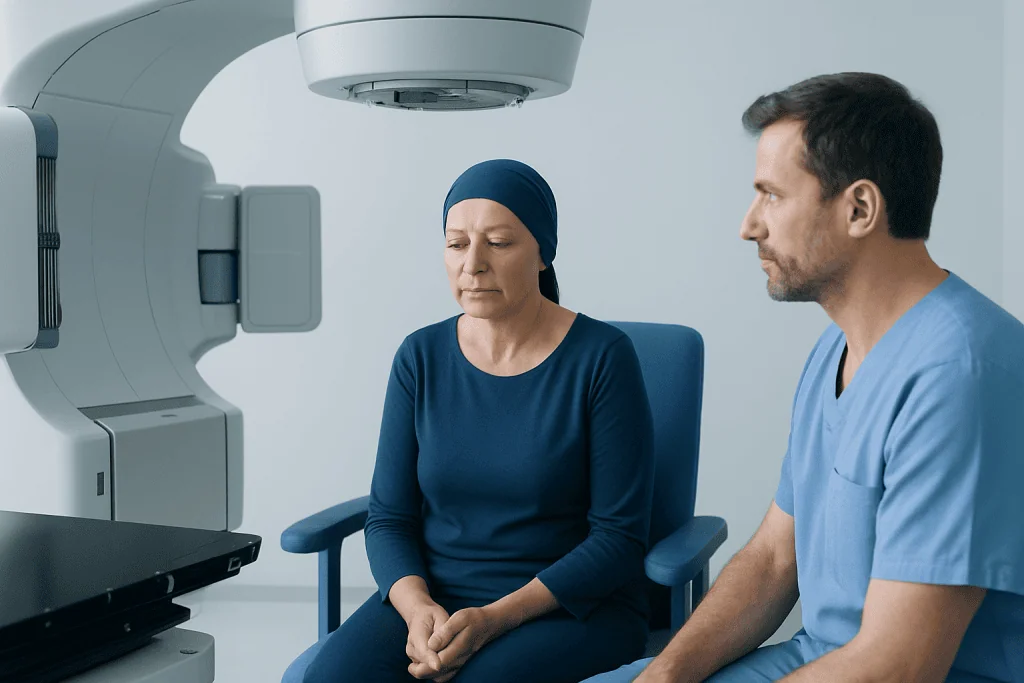
PTSD develops when the brain and body continue responding as though danger is present after a threatening event has passed. Cancer can involve repeated stressors rather than one event: tests, procedures, side effects, uncertain results and changes in family or work roles. These experiences can leave a person highly alert to bodily sensations or medical reminders.
Anyone affected by cancer can experience traumatic stress, including patients, survivors and sometimes family caregivers. A previous history of trauma, anxiety, depression, severe treatment side effects, limited support, financial strain, or feeling poorly informed during care may increase vulnerability. However, PTSD can also occur without these factors.
Children and adults can express distress differently. Some people become tearful or fearful, while others feel irritable, detached or unusually busy in an effort to avoid difficult feelings. Cultural background, personal coping style and the meaning a person gives to cancer can also shape the experience.
- Symptoms may be triggered by scan dates, hospital smells, medication, scars or anniversaries.
- Follow-up appointments can cause temporary anxiety, sometimes called scan-related anxiety.
- A clinical assessment helps distinguish PTSD from depression, generalized anxiety, adjustment difficulties or physical treatment effects.
Symptoms and assessment: what clinicians look for
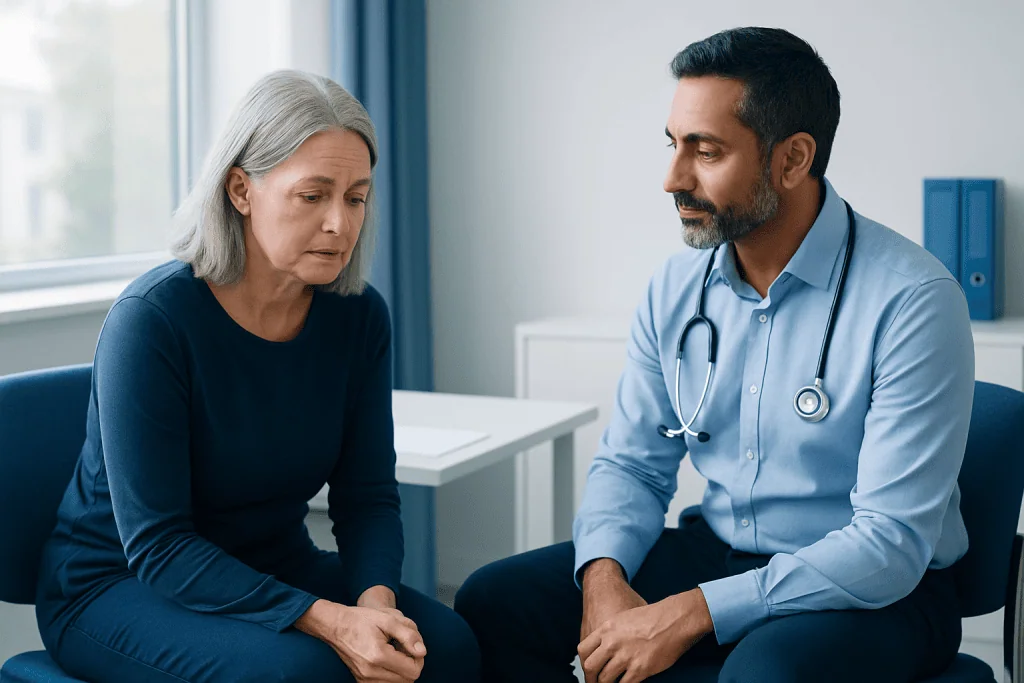
Common symptoms include intrusive thoughts, upsetting memories, nightmares or strong emotional and physical reactions to reminders of cancer. A person may avoid conversations, places, people or appointments associated with treatment. They may also feel tense, easily startled, irritable, watchful for signs of illness, or unable to sleep well.
Changes in thinking and mood can include guilt, hopelessness, emotional numbness, difficulty feeling close to others, and persistent beliefs that the body is unsafe. Concentration problems and fatigue may occur as well. Some symptoms overlap with menopause, pain, medication effects, thyroid disorders or other medical conditions, so a full review is important.
Diagnosis is made by a qualified mental health professional or clinician using a careful conversation about symptoms, their duration and their impact. They will also ask about safety, mood, substance use, prior mental health history and current medical concerns. Screening questionnaires can support assessment, but they do not replace an individual evaluation.
It is important not to dismiss new physical symptoms as stress alone. The oncology team can determine whether symptoms need examination, laboratory tests or imaging, while also addressing the emotional impact of uncertainty.
How treatment works: options, candidacy and expected benefits
Treatment aims to reduce trauma symptoms, restore daily functioning and help the person feel able to engage with needed medical follow-up. Most people with persistent trauma-related symptoms are candidates for support, especially when symptoms affect sleep, relationships, work, self-care or attendance at appointments. Care is individualized around cancer history, current health, preferences and access to support.
Trauma-focused psychotherapy is often central to treatment. Approaches may include trauma-focused cognitive behavioral therapy, cognitive processing therapy, prolonged exposure therapy, eye movement desensitization and reprocessing (EMDR), or other evidence-based therapies. These treatments help people process memories safely, reduce avoidance and develop practical skills for managing triggers.
Medication may be considered when symptoms are moderate to severe, when depression or anxiety occurs alongside PTSD, or when therapy alone has not provided enough relief. A psychiatrist or prescribing clinician can review benefits, possible side effects and interactions with cancer medicines. Medication decisions should be coordinated with the oncology team when possible.
Supportive care may also include sleep strategies, pain management, rehabilitation, social work support, peer groups and family counseling. The expected benefit is gradual improvement rather than immediate erasure of difficult memories. Many people find that symptoms become more manageable and less controlling with consistent care.
What to expect step by step and during recovery
The first step is usually a conversation with an oncologist, primary care clinician, nurse specialist or mental health professional. They can check for urgent concerns, review physical symptoms and arrange a referral to psycho-oncology, psychology or psychiatry. Bringing a trusted relative or writing down symptoms before the appointment may make this discussion easier.
At an initial mental health assessment, the clinician will ask about cancer experiences, current triggers, sleep, mood, daily functioning and coping resources. Together, the patient and clinician set goals, such as sleeping more consistently, attending surveillance appointments with less fear, returning to work, or reconnecting socially.
During therapy, sessions commonly include education about trauma responses, calming techniques, identifying unhelpful patterns and gradual work with distressing memories or avoided situations. Trauma-focused work is paced carefully. A patient should be encouraged to say if sessions feel overwhelming, if cancer treatment resumes, or if physical symptoms limit participation.
Recovery timelines vary. Some people notice early gains in coping skills within weeks, while deeper improvement often develops over months. Symptoms may temporarily intensify around scans, anniversaries or new health concerns. This does not necessarily mean treatment has failed; it can be a reason to review the plan and strengthen support.
How long does cancer PTSD last?
There is no single timeline for cancer-related PTSD. For some people, stress reactions ease as treatment ends and daily routines return. For others, symptoms persist for months or years, particularly if medical follow-up, ongoing side effects or fear of recurrence continue to trigger a sense of threat.
PTSD is generally diagnosed when a characteristic group of symptoms has lasted longer than one month and causes meaningful distress or difficulty functioning. The duration does not predict whether someone can improve. Evidence-based therapy, appropriate medication when needed and supportive cancer care can help at any stage of survivorship.
Persistent symptoms should not be managed alone. A clinician can help identify the most suitable care pathway and adjust it if circumstances change.
Are you ever the same after chemo?
Many people ask this because chemotherapy can change the body, routines, energy levels and sense of identity. Some effects improve steadily after treatment, while others may take longer or require ongoing management. Emotional adjustment can also continue after the final cycle, when external support may become less frequent.
Being “the same” is not always a realistic or helpful measure of recovery. Many survivors develop a new sense of normal that includes practical adaptations, different priorities and greater awareness of health. This can coexist with grief for what has changed, and neither response is wrong.
Ongoing fatigue, cognitive changes, neuropathy, anxiety or low mood should be discussed with the care team. Rehabilitation, symptom management, counseling and survivorship support can address both physical and emotional recovery.
Is it normal to feel anxious after chemotherapy?
Yes. Anxiety after chemotherapy is common, especially while waiting for results, attending follow-up visits, managing lingering side effects or adjusting to life after active treatment. It may come and go and does not automatically mean a person has PTSD or that cancer has returned.
Helpful first steps can include regular sleep and activity routines as tolerated, limiting repeated online symptom checking, using relaxation or grounding exercises, and sharing concerns with trusted people. Some people benefit from counseling even if symptoms do not meet criteria for a mental health diagnosis.
Anxiety deserves professional attention when it is persistent, escalating, causing panic, disrupting sleep or appetite, leading to avoidance of essential appointments, or making daily life difficult. The oncology team can connect the patient with appropriate psychological and medical support.
What are the signs that cancer has returned?
Possible signs of recurrence depend on the original cancer type, its location and the treatments received. New or persistent symptoms such as unexplained pain, a new lump, unusual bleeding, persistent cough, changes in bowel or bladder habits, unexplained weight loss, worsening shortness of breath or marked fatigue should be reported to the oncology team.
Most symptoms do not mean cancer has returned. Infections, treatment after-effects, other health conditions and normal changes in the body can cause similar concerns. Follow-up plans are designed to monitor for recurrence using examinations, appropriate tests and imaging when clinically indicated.
For someone living with PTSD or high anxiety, the uncertainty of symptoms can be especially difficult. Reporting a concern promptly and asking what to watch for can prevent both unnecessary self-blame and delayed medical review. The oncology team can address the physical question while mental health support helps manage the emotional burden.
When to seek medical care
Contact a doctor, oncology nurse or mental health professional if intrusive memories, nightmares, fear, avoidance, low mood or sleep problems continue for several weeks or interfere with everyday life. Earlier support can be particularly useful if fear is causing someone to postpone recommended surveillance or treatment appointments.
Urgent help is needed if a person has thoughts of self-harm or suicide, feels unable to stay safe, experiences severe confusion, or has panic and distress that cannot be managed. They should contact local emergency services, a crisis service or go to the nearest emergency department. A trusted person should be involved whenever possible.
New or worsening physical symptoms should also be discussed with the cancer care team. Acibadem International’s multidisciplinary specialists and JCI-accredited hospitals support international patients with coordinated oncology and mental health care, including assessment of both physical symptoms and cancer-related distress.
Frequently asked questions
Can cancer treatment cause PTSD?
Cancer diagnosis and treatment can be experienced as traumatic by some people, particularly when there is intense fear, pain, uncertainty or a prolonged course of care. PTSD is not inevitable, but it can occur during treatment, after treatment or later in survivorship. A mental health assessment can clarify whether symptoms fit PTSD or another treatable form of distress.
What is the difference between fear of recurrence and PTSD?
Fear of recurrence is concern that cancer may come back and is common after treatment. PTSD involves a broader pattern of intrusive memories, avoidance, heightened alertness and changes in mood or thinking that persist and interfere with life. Both experiences can benefit from support.
Can PTSD symptoms return before a scan?
Yes. Scan appointments, blood tests, hospital environments and anniversaries can trigger strong memories and anticipatory anxiety. Planning support before and after appointments, using grounding skills and discussing scan-related anxiety with the care team can help.
Can therapy be started while cancer treatment is still ongoing?
Yes. Psychological support can often be provided during chemotherapy, radiotherapy, surgery recovery or other cancer treatment. The approach may be adapted to energy levels, symptoms, appointments and medical needs.
Will medication for PTSD interfere with cancer treatment?
Some medicines may have interactions or side effects that need consideration alongside cancer treatments. A prescribing clinician and oncology team can review the full medication list and select or adjust treatment safely. Medication is not the only option, and therapy may be useful with or without it.
How can family members help someone with cancer-related PTSD?
Family members can listen without pressuring the person to "move on," encourage medical and mental health follow-up, and offer practical support around appointments. They should also recognize their own stress and seek support if caregiving affects their wellbeing.
References
- American Psychiatric Association
- National Cancer Institute
- American Cancer Society
- National Comprehensive Cancer Network
- World Health Organization
This article is for general information only and is not a substitute for professional medical advice. Please consult a qualified doctor about your individual situation.
Oncology care in Turkey — second opinion and treatment plan
JCI-accredited · board-certified surgeons · reply within 24h
Add us as a Preferred Source to see more of our trusted health content across Google Search, AI Overviews and Discover.