Public Health: What Patients Need to Know

Public health aims to prevent illness and promote health across populations. It includes vaccination, screening, sanitation, health education, and emergency preparedness.
Key Takeaways
- Public health aims to prevent illness and promote health across populations.
- It includes vaccination, screening, sanitation, health education, and emergency preparedness.
- Public health and clinical medicine work together but serve different roles.
- Many major health risks can be reduced through policy, healthy environments, and lifestyle support.
- Patients benefit from public health through safer communities, earlier diagnosis, and better access to trusted information.
Public health is the branch of health that protects and improves the well-being of whole communities, not just individual patients. It focuses on prevention, early detection, education, safer environments, and fair access to care so more people can stay healthy.
Overview: what public health means
Public health is the organized effort to protect and improve the health of groups of people, from neighborhoods and cities to entire countries. Instead of focusing only on treating one person after illness begins, public health works to prevent disease, reduce risks, and create conditions that help people stay well. This includes clean water, vaccination programs, safer food, health education, screening services, and planning for emergencies.
For patients, public health matters in everyday life even when it is not obvious. Air quality rules, infection control in hospitals, cancer screening reminders, tobacco regulation, and maternal-child health services are all examples of public health in action. These measures can reduce illness before it starts and help people get care earlier, when treatment is often simpler and more effective.
Public health is not separate from personal medical care. It works alongside doctors, nurses, laboratories, schools, local governments, and community organizations. Together, these systems support both individual treatment and broader prevention, helping communities become healthier over time.
How public health differs from medical care
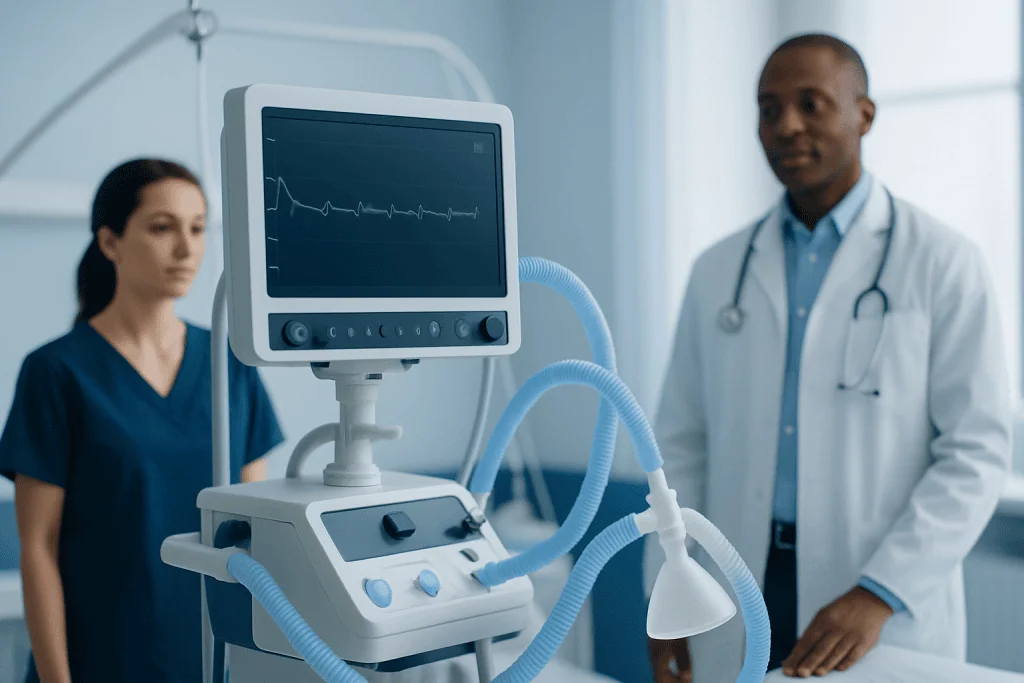
Medical care usually centers on an individual patient. A clinician listens to symptoms, makes a diagnosis, and recommends treatment. Public health takes a wider view. It looks at patterns across groups of people and asks why illness is happening, who is most affected, and what practical steps could lower risk for everyone.
For example, if one person develops high blood pressure, a doctor may recommend monitoring, diet changes, and medication when needed. A public health approach also asks whether a community has access to healthy foods, safe places to exercise, blood pressure screening, and clear information about heart health. In this way, public health supports prevention while clinical care supports diagnosis and treatment. Patients with ongoing concerns such as high blood pressure often benefit from both approaches.
Public health also helps guide decisions during outbreaks, environmental hazards, and chronic disease trends. It uses data, surveillance, and research to identify needs and shape responses. The goal is not only to help those already ill, but also to reduce the chance that others become sick in the first place.
What public health includes in daily life
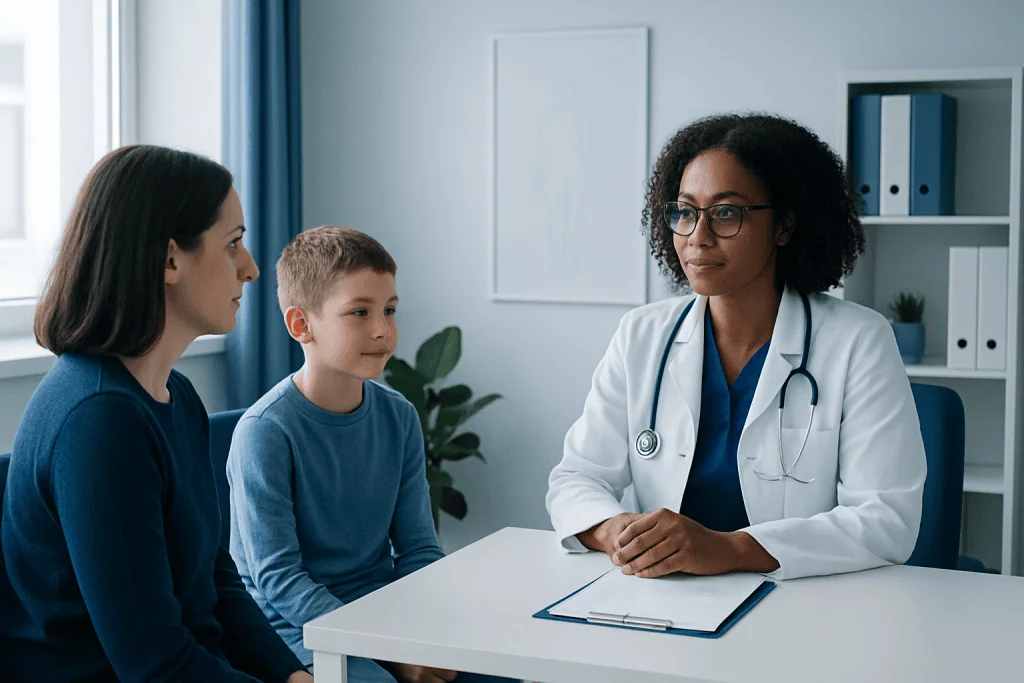
Many people associate public health mainly with infectious disease, but its scope is much broader. It addresses health promotion, prevention, early detection, mental well-being, injury reduction, and social factors that influence health. These can include housing, education, work conditions, transportation, nutrition, and access to healthcare.
Common public health activities include:
- Immunization programs for children and adults
- Screening for cancers, diabetes, and cardiovascular risk
- Health education on nutrition, exercise, sleep, and smoking cessation
- Food safety inspection and clean water protection
- Maternal, newborn, and child health services
- Preparedness for outbreaks, disasters, and extreme weather
- Road safety, fall prevention, and workplace health measures
Public health also supports earlier recognition of serious conditions. Awareness campaigns can help people notice warning signs and seek testing sooner. For example, stroke education may encourage urgent evaluation if facial drooping, arm weakness, or speech difficulty appears, and broader prevention efforts can reduce stroke risk through blood pressure control and smoking reduction. When specialized care is needed, evaluation may include stroke treatment or related emergency services.
Major public health priorities today
Public health priorities change over time, but many current concerns are shared across countries. Chronic diseases such as heart disease, cancer, diabetes, and chronic lung disease remain major challenges. These conditions are influenced by tobacco use, physical inactivity, unhealthy diet, alcohol use, sleep problems, stress, and limited access to preventive care. Public health tries to address these risks both at the individual level and at the community level.
Infectious diseases are still important as well. Vaccination, infection prevention, clean sanitation, and timely reporting remain essential. Public health teams also monitor emerging infections and help health systems prepare for seasonal surges and unexpected outbreaks. During these events, clear communication is especially important so patients know when to isolate, test, or seek care.
Mental health is another growing public health priority. Anxiety, depression, substance use, loneliness, and burnout can affect school, work, relationships, and physical health. Public health responses may include education, stigma reduction, suicide prevention, early support services, and better links between community resources and medical care. Other important priorities include healthy aging, reproductive health, climate-related risks, and reducing health inequities between groups.
Why prevention is central to public health
Prevention is one of the clearest ways public health improves lives. Some prevention happens before disease starts, such as vaccination, smoke-free policies, and healthy school meals. Some happens through early detection, such as blood pressure checks, cervical screening, mammography, or colorectal cancer screening. Other measures aim to reduce complications in people who already have a condition, such as foot care in diabetes or cardiac rehabilitation after a heart event.
These efforts can support better long-term outcomes because health problems are often easier to manage when found early. Screening and risk assessment do not replace diagnosis by a doctor, but they can help identify who may need further evaluation. For example, community education may encourage prompt assessment of chest symptoms, while a physician may recommend testing and, when appropriate, cardiology care for heart-related concerns.
Prevention also depends on trusted information. Public health messaging is most useful when it is clear, practical, and evidence-based. Patients may see conflicting advice online, so it is wise to rely on qualified clinicians and authoritative health organizations rather than social media trends or unverified claims.
How patients can support their own health within a public health framework
Although public health works at the community level, patients still play an important role. Small, consistent habits can lower risk for many common conditions. These habits include staying physically active, choosing a balanced diet, limiting tobacco and alcohol, sleeping well, managing stress, and attending recommended checkups and screenings. Following vaccination guidance and basic hygiene measures also helps protect both the individual and others around them.
It is also helpful for patients to know their personal risk factors. Family history, age, occupation, pregnancy, travel, chronic disease, and medication use can all influence which preventive measures are most relevant. A primary care clinician can help interpret these factors and recommend age-appropriate screening, lifestyle changes, or referrals.
For people already living with chronic disease, public health principles still apply. Good disease control, medication adherence, rehabilitation, and regular follow-up can reduce complications and support quality of life. Conditions such as diabetes often benefit from coordinated care that combines self-management education, nutrition guidance, and specialist input when needed.
International patients may also seek coordinated support for prevention and treatment planning. Near the end of the care pathway, Acibadem International’s multidisciplinary specialists and JCI-accredited hospitals diagnose and treat a wide range of conditions for international patients, including services such as preventive check-up programs and oncology care when clinically appropriate.
When to seek medical care
Public health advice can help people understand risk, but it does not replace individual medical assessment. A person should seek medical care if symptoms are severe, persistent, worsening, or unusual for them. Examples include chest pain, shortness of breath, sudden weakness, confusion, high fever that does not improve, severe dehydration, major injury, or signs of an allergic reaction.
Urgent evaluation is also important for possible stroke symptoms, fainting, heavy bleeding, seizures, severe abdominal pain, or thoughts of self-harm. Parents should contact a clinician promptly if an infant or child seems difficult to wake, is struggling to breathe, is not feeding well, or appears seriously unwell.
Even without emergencies, it is sensible to book a routine appointment for ongoing fatigue, persistent cough, unexplained weight change, a new lump, changes in bowel habits, low mood, or concerns about blood pressure, blood sugar, or medication side effects. Early medical review can clarify whether symptoms are linked to a minor issue, a chronic condition, or something that needs more timely treatment.
Frequently asked questions
What is public health in simple terms?
Public health is the effort to keep communities healthy and prevent disease before it starts. It includes things like vaccination, screening, clean water, health education, and planning for emergencies.
How is public health different from healthcare?
Healthcare usually focuses on diagnosing and treating one patient at a time. Public health looks at the bigger picture and works to reduce health risks across groups of people through prevention, policy, education, and safer environments.
Why is public health important for patients?
Patients benefit from public health through earlier detection, disease prevention, and safer daily living conditions. It can improve access to trusted information, reduce exposure to health risks, and support better long-term outcomes.
What are examples of public health services?
Examples include immunization programs, cancer screening, infection control, food safety, maternal and child health services, and smoking cessation support. Public health also includes disaster preparedness, mental health promotion, and chronic disease prevention.
Can public health help prevent chronic diseases?
Yes. Public health can lower chronic disease risk by promoting healthy eating, physical activity, tobacco control, blood pressure checks, and regular screening. These measures support earlier action and may reduce complications over time.
When should someone see a doctor instead of relying on general health advice?
General health advice is useful for prevention, but it cannot diagnose individual symptoms. A doctor should be consulted for severe, persistent, worsening, or unexplained symptoms, and urgent care is needed for warning signs like chest pain, breathing difficulty, stroke symptoms, or heavy bleeding.
References
- World Health Organization
- Centers for Disease Control and Prevention
- American Public Health Association
- National Institutes of Health
- European Centre for Disease Prevention and Control
This article is for general information only and is not a substitute for professional medical advice. Please consult a qualified doctor about your individual situation.
Explore treatments in Turkey — costs, top hospitals & a free quote
JCI-accredited · board-certified surgeons · reply within 24h
Add us as a Preferred Source to see more of our trusted health content across Google Search, AI Overviews and Discover.
Check your numbers in seconds
BMI, calories, due date, blood pressure and 30+ more clinical calculators — free, instant, doctor-reviewed ranges.

More from the Health Library

Raw Pumpkin Seeds: An Evidence-Based Guide for Patients
Dextrocardia: A Complete Medical Overview
Lcl Injury — Explained by Medical Evidence, Not Myths

Pilar Cyst: A Complete Medical Overview
Pessary: What Patients Need to Know