Puffy Vagina — Explained by Medical Evidence, Not Myths
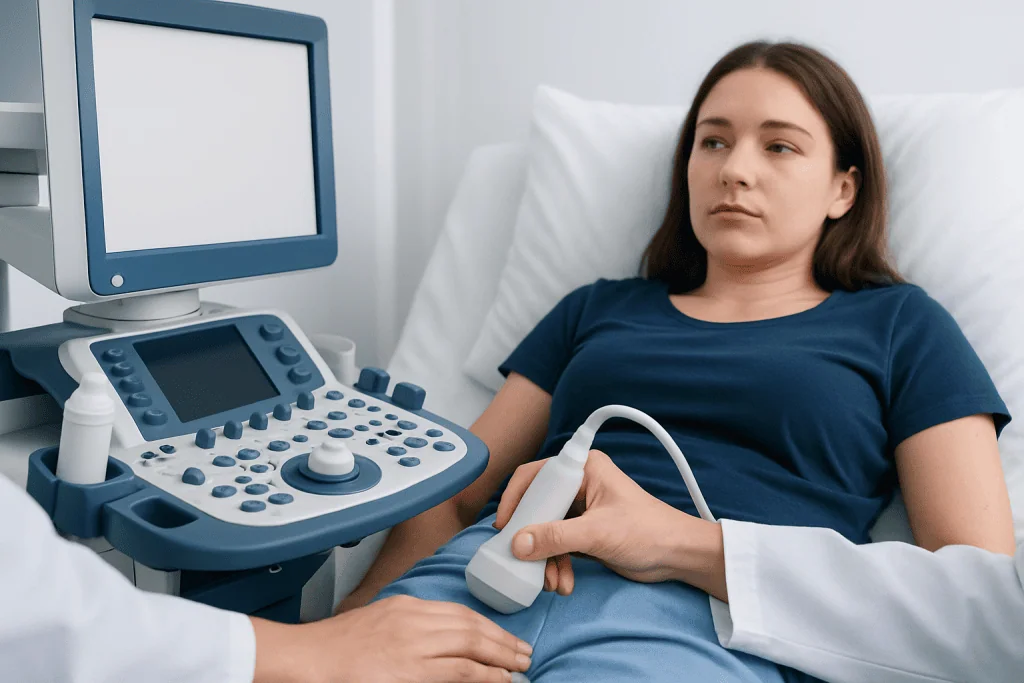
A “puffy vagina” most often means swelling of the vulva or vaginal opening, not the entire vagina. Common causes include irritation, friction, allergy, hormonal changes, infection, cysts, and minor injury.
Key Takeaways
- A “puffy vagina” most often means swelling of the vulva or vaginal opening, not the entire vagina.
- Common causes include irritation, friction, allergy, hormonal changes, infection, cysts, and minor injury.
- Symptoms such as fever, strong odor, pus, severe pain, or a new lump need medical evaluation.
- Self-care may help mild swelling, but treatment depends on the underlying cause.
- Good hygiene, avoiding irritants, and safer sexual practices can reduce the risk of recurrence.
A puffy vagina usually refers to swelling in the vulva, vaginal opening, or surrounding tissues rather than the internal vagina itself. In many cases, the cause is temporary and treatable, but persistent swelling, severe pain, fever, or unusual discharge should be assessed by a doctor.
What a Puffy Vagina Usually Means
A puffy vagina usually means swelling in the outer genital tissues, especially the vulva, labia, or vaginal opening. Although many people use the word “vagina” for the whole genital area, the vagina is the internal canal, while puffiness is more commonly noticed in the tissues outside it. This distinction matters because swelling can have many different causes, and some involve the skin, glands, or nearby tissues rather than the vaginal canal itself.
In everyday life, the area may look enlarged, feel heavy, tender, itchy, warm, or sore. Some people notice puffiness after sex, exercise, shaving, prolonged sitting, or using new hygiene products. Others may also have discharge, burning with urination, or a small lump, which can point to a specific cause.
Many cases are linked to irritation, friction, hormonal changes, or mild inflammation and improve with simple care. However, swelling can also be related to infections, cysts, allergic reactions, or skin conditions. A careful medical assessment is the best way to identify the cause when symptoms do not settle quickly or when they are accompanied by pain, fever, or unusual discharge.
Common Symptoms That May Occur With Swelling
The main symptom is visible or felt puffiness in one or both sides of the vulva, around the labia, or near the vaginal opening. The area may seem fuller than usual or asymmetrical, especially if swelling is centered on one side. Depending on the cause, the skin may look normal, red, shiny, or irritated.
Other symptoms can help suggest what is happening. Itching often points toward irritation, allergy, or certain infections. Burning may occur with urine contact, inflammation, or inflamed skin. Pain can range from mild tenderness to significant discomfort, especially if a cyst, abscess, or injury is present.
Some people also notice changes in vaginal discharge, such as a thicker texture, unusual color, or stronger odor. A new lump near the vaginal opening may suggest a gland blockage, while sores, cracked skin, or rash can raise concern for dermatitis or infection. Symptoms may appear suddenly or develop more gradually over several days.
- Swelling or fullness in the vulva or labia
- Itching, burning, or tenderness
- Pain during walking, sitting, sex, or urination
- Redness, warmth, or skin irritation
- Discharge, odor, or a localized lump
Causes and Risk Factors
A puffy vaginal area can develop for many reasons, and not all are infections. One common group of causes is irritation. Scented soaps, bubble baths, wipes, sanitary products, lubricants, latex, detergents, and tight clothing can all trigger local inflammation. Friction from exercise, cycling, sexual activity, or shaving may also lead to temporary swelling.
Hormonal changes are another factor. During pregnancy, increased blood flow and fluid retention can make the vulva feel heavier or more swollen. Around menstruation, some people notice mild swelling due to hormonal shifts. Reduced estrogen after menopause can also change the tissues, making them more sensitive and prone to irritation.
Infections can cause swelling too, but they are not the only explanation. Yeast infections may lead to itching, redness, and puffiness. Bacterial infections, sexually transmitted infections, and skin infections can produce tenderness, discharge, or sores. Conditions such as vaginitis may involve inflammation from infection or imbalance, while localized gland problems can produce a distinct lump.
A blocked Bartholin gland is another important cause. These glands sit near the vaginal opening and help with lubrication. If one becomes blocked, a fluid-filled cyst can form; if it becomes infected, it may turn into a painful abscess. Less commonly, swelling can result from injury, allergic reaction, underlying skin disorders such as eczema, or fluid backup in nearby tissues.
How Doctors Diagnose the Cause
Diagnosis starts with a discussion of symptoms, timing, and possible triggers. A doctor may ask when the swelling began, whether it affects one side or both, and whether there is pain, itching, discharge, fever, or urinary symptoms. Questions about menstrual cycle changes, pregnancy, sexual activity, new personal care products, recent antibiotic use, and shaving or exercise habits can also be helpful.
A physical examination is often the most direct way to understand the problem. The doctor looks for skin irritation, lumps, signs of infection, tenderness, or lesions. If discharge is present, a sample may be taken to check for yeast, bacterial imbalance, or sexually transmitted infections. Urine testing may be used if burning or bladder symptoms are also present.
When a lump is found, the clinician considers whether it may be a cyst, abscess, or another localized problem. In select cases, imaging or referral to a gynecologist may be advised, especially if the swelling is recurrent, unusual, or does not improve as expected. The goal is to identify the cause accurately rather than guessing based on symptoms alone.
Treatment Options Based on the Underlying Cause
Treatment for a puffy vagina depends on what is causing the swelling. If the problem comes from irritation or friction, the main approach is to stop the trigger and allow the skin to calm down. This may include avoiding scented products, wearing loose cotton underwear, pausing shaving, and using a gentle cleansing routine with lukewarm water. A clinician may recommend a soothing topical treatment if the skin is inflamed.
If infection is the cause, treatment may include antifungal, antibiotic, or other prescription medicines depending on the diagnosis. It is important not to self-treat repeatedly without knowing the cause, because different infections and inflammatory conditions can look similar. If symptoms are part of a Bartholin cyst, care depends on whether the cyst is painless, inflamed, or infected.
Some cysts or abscesses need minor procedures rather than medication alone. For example, persistent or infected gland swellings may require drainage, which is often handled under gynecologic care. If swelling is related to pelvic floor symptoms, structural changes, or ongoing pain, further evaluation through obstetrics and gynecology may be appropriate.
When symptoms are recurring, severe, or unclear, specialist assessment helps avoid delayed diagnosis. Near the end of the care pathway, patients may be reassured to know that Acibadem International’s multidisciplinary specialists and JCI-accredited hospitals evaluate and treat gynecologic and vulvovaginal conditions for international patients.
Self-Care, Prevention, and What Not to Do
Mild swelling often improves with simple self-care. Rest, avoiding friction, and using breathable clothing can reduce irritation. After exercise or sweating, changing out of damp clothing promptly may help. During recovery, it is often best to avoid sex if it worsens pain or rubbing.
Good vulvar care is usually simple rather than elaborate. The area does not need perfumes, douches, or harsh cleansers. Washing gently with water or a mild, unscented cleanser on the outside only is usually enough. For people with recurrent irritation, paying attention to pantyliners, pads, detergent, fabric softeners, and hair removal methods can be very useful.
Prevention also includes safer sexual practices and not sharing products that may spread infection. If there is a history of recurrent infection, a doctor can help identify patterns and guide more targeted prevention. Avoid applying over-the-counter creams, steroid products, or home remedies without medical advice, especially if the diagnosis is uncertain, because these can sometimes worsen irritation or delay proper treatment.
- Choose unscented soaps, detergents, and menstrual products
- Wear loose-fitting, breathable underwear and clothing
- Avoid douching and internal cleansing products
- Reduce friction from shaving, exercise, or intercourse when symptoms flare
- Seek medical advice if swelling keeps returning
When to Seek Medical Care
A doctor should assess swelling that is severe, painful, one-sided, or lasting more than a few days without improvement. Medical care is also important if there is fever, spreading redness, a firm or growing lump, pus, sores, bleeding not related to menstruation, or foul-smelling discharge. These signs can suggest infection, a cyst or abscess, or another condition that needs treatment.
Urgent care may be needed if swelling appears suddenly with hives, trouble breathing, or signs of a serious allergic reaction. Pregnant patients should contact their clinician if swelling is new, painful, or associated with discharge, bleeding, or pressure. People with diabetes, immune system conditions, or recurrent infections should also seek early advice, as infections may worsen more quickly.
Persistent vulvar discomfort should not be dismissed as something that must simply be tolerated. Although many causes are minor, a proper diagnosis helps relieve symptoms and prevents unnecessary worry. If swelling comes with ongoing pelvic pain or broader gynecologic concerns, clinicians may coordinate further assessment through services such as women’s health support.
Frequently asked questions
Is a puffy vagina always a sign of infection?
No. Swelling in the vaginal area is often caused by irritation, friction, allergy, hormonal changes, or a blocked gland rather than infection. Infection is one possibility, especially if there is discharge, odor, fever, or significant pain.
Can sex cause vaginal swelling?
Yes. Friction during sex can temporarily irritate the vulva or vaginal opening, leading to short-term puffiness or soreness. If swelling is severe, lasts more than a day or two, or is accompanied by discharge or pain, medical advice is a good idea.
What is the difference between the vulva and the vagina?
The vulva is the outside genital area, including the labia and tissues around the vaginal opening. The vagina is the internal canal. Most “puffy vagina” symptoms actually involve the vulva, which is why an accurate exam can be helpful.
Can pregnancy make the vaginal area look swollen?
Yes. Pregnancy increases blood flow and may cause fluid retention, which can make the vulva feel fuller or heavier. Even so, new pain, redness, discharge, or a lump during pregnancy should be checked by a clinician.
How long should vaginal swelling last?
Minor swelling from friction or mild irritation may improve within a day or two once the trigger is removed. If symptoms persist, worsen, or keep coming back, a doctor should evaluate the cause.
Should someone use over-the-counter yeast treatment for a puffy vagina?
Not without being reasonably sure yeast is the cause. Many conditions can look similar, including irritation, bacterial imbalance, cysts, or skin disorders. Repeated self-treatment can delay the right diagnosis and treatment.
References
- American College of Obstetricians and Gynecologists
- Centers for Disease Control and Prevention
- National Health Service
- Mayo Clinic
- Merck Manual Consumer Version
This article is for general information only and is not a substitute for professional medical advice. Please consult a qualified doctor about your individual situation.
Explore treatments in Turkey — costs, top hospitals & a free quote
JCI-accredited · board-certified surgeons · reply within 24h
Add us as a Preferred Source to see more of our trusted health content across Google Search, AI Overviews and Discover.

More from the Health Library

Body Temperature: An Evidence-Based Guide for Patients

Melinin: A Complete Medical Overview

Herbal Medicine: What Patients Need to Know

Medulla Oblongata: A Complete Medical Overview

Blisters on Feet: What Patients Need to Know

Bone Island: A Complete Medical Overview
Gynecology & Obstetrics Specialists at Acibadem

Assoc. Prof. Dr. Elif Ganime Aygün
Gynecology & Obstetrics
Dr. Elif Külahçı Aslan
Gynecology & Obstetrics
Assoc. Prof. Dr. Elif Meşeci
Gynecology & Obstetrics
Assoc. Prof. Dr. Emine Karabük
Gynecology & Obstetrics