Pulmonary Embolism Recovery: Blood Thinners, Activity, and Follow-Up Care
Recovery after pulmonary embolism often includes several months of blood thinner treatment. A gradual return to walking and daily activity is usually encouraged once a doctor says it is safe.
Key Takeaways
- Recovery after pulmonary embolism often includes several months of blood thinner treatment.
- A gradual return to walking and daily activity is usually encouraged once a doctor says it is safe.
- Follow-up care helps monitor healing, medication safety, and the risk of future blood clots.
- Warning signs such as worsening shortness of breath, chest pain, or bleeding need prompt medical attention.
- Compression stockings, hydration, and movement may be recommended for some people to help reduce clot-related problems.
Pulmonary embolism recovery focuses on preventing another clot, helping the body heal, and safely returning to daily life. Most people need blood thinners, regular follow-up, and a gradual approach to activity based on their doctor’s advice.
Overview of pulmonary embolism recovery
Pulmonary embolism recovery begins after a blood clot blocks one or more arteries in the lungs and urgent treatment has started. A pulmonary embolism, often linked to a clot that travels from the leg, can range from mild to life-threatening. Recovery is not only about feeling better in the short term. It also involves lowering the chance of another clot, watching for complications, and helping the lungs and heart return to normal function as much as possible.
For many people, the mainstay of recovery is treatment with blood thinners, also called anticoagulants. These medicines do not dissolve an existing clot instantly, but they help prevent the clot from getting larger and reduce the risk of new clots. Over time, the body gradually breaks down the clot on its own. Some patients may need additional treatment in hospital depending on how large the clot was and how stable they were at diagnosis.
Recovery can feel different from person to person. Some individuals improve steadily over a few weeks, while others notice fatigue, reduced exercise tolerance, or anxiety for longer. A careful plan that includes medication use, activity guidance, and scheduled follow-up gives the best chance of a safe recovery. It is also important to understand the underlying condition itself, including pulmonary embolism.
What to expect during healing
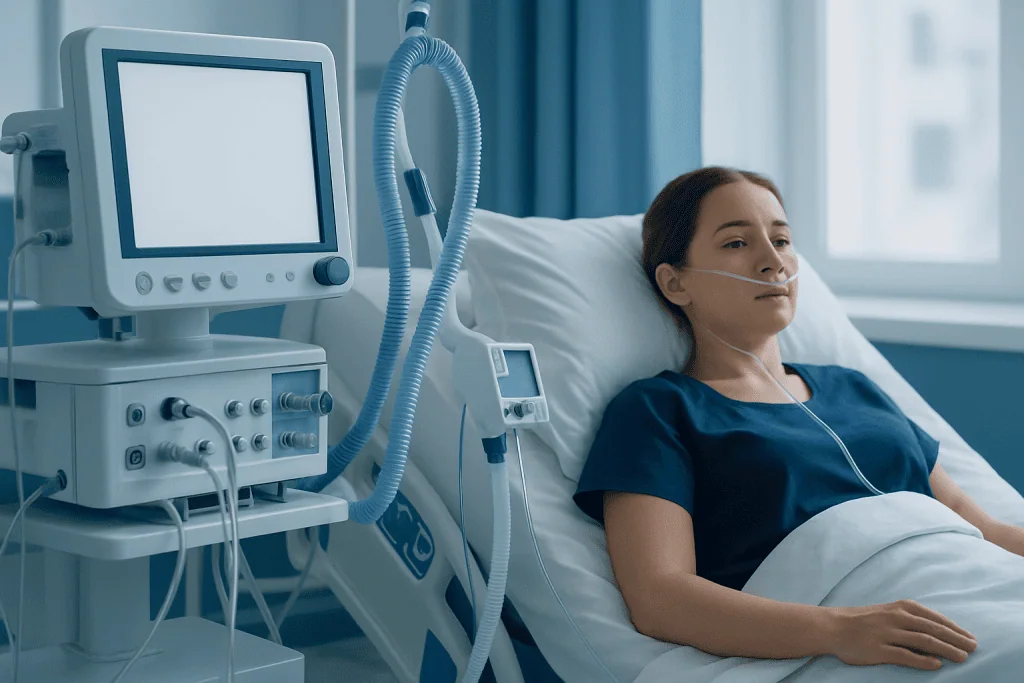
In the first days to weeks after a pulmonary embolism, common symptoms may include tiredness, mild shortness of breath with exertion, chest discomfort when taking a deep breath, or a sense of reduced stamina. These symptoms often improve gradually. It is reassuring for many patients to know that recovery is usually not immediate, even when treatment is working well.
Healing depends on several factors, such as the size and location of the clot, whether there was strain on the heart, the person’s age, and any other lung or heart conditions. Some people also recover from a deep vein clot in the leg at the same time. If a person had deep vein thrombosis, leg swelling, soreness, or heaviness may continue for a while and may need separate management.
Emotional recovery matters too. After a sudden diagnosis, it is common to feel worried about breathing, travel, exercise, or the risk of recurrence. Follow-up appointments are a good time to ask practical questions and review progress. Persistent or worsening symptoms should not be ignored, because they may signal another clot, bleeding from medication, or less commonly a long-term complication affecting the lungs or heart.
- Shortness of breath may improve over weeks rather than days.
- Energy levels can take time to return.
- Leg symptoms from an associated clot may last longer than expected.
- Most people benefit from a clear recovery plan and regular check-ins.
Blood thinners and other treatment options
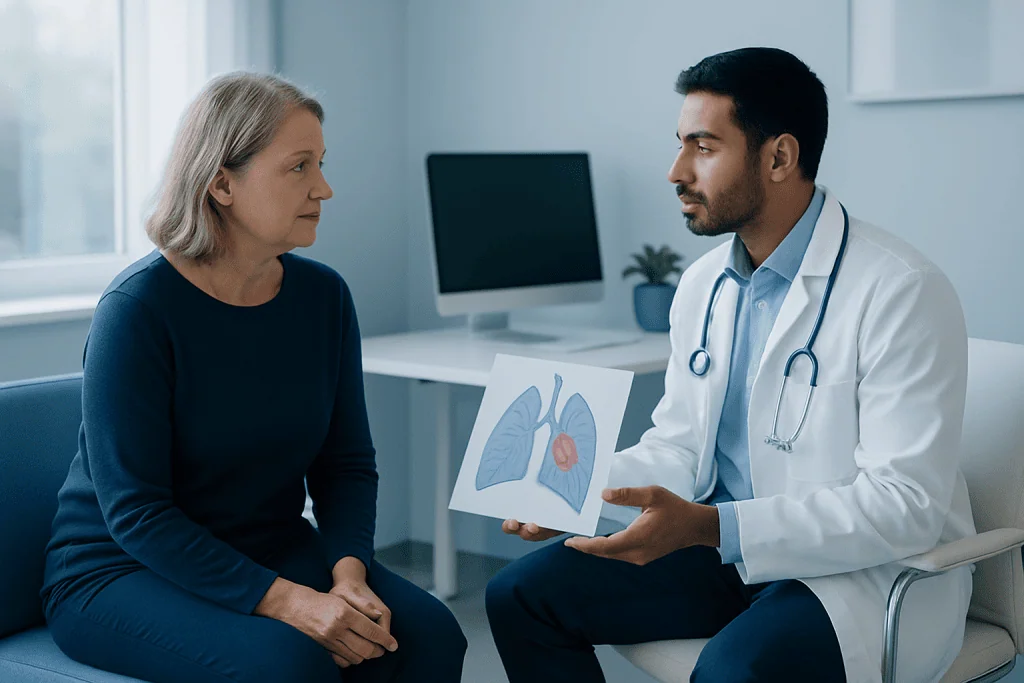
Blood thinners are the most common treatment during pulmonary embolism recovery. A doctor chooses the medicine based on the patient’s overall health, kidney function, clot history, pregnancy status, other medications, and bleeding risk. Some people start with injections and then switch to tablets, while others begin with an oral anticoagulant. Treatment length varies, but it is often at least three months and may be longer if the clot was unprovoked or if risk factors remain.
Taking anticoagulants safely is an important part of recovery. Patients are usually advised to take the medicine exactly as prescribed, avoid stopping it without medical guidance, and tell clinicians and dentists that they are using a blood thinner. Depending on the specific drug, follow-up may include blood tests, medication reviews, and advice about interactions with supplements or other prescriptions. If bleeding side effects appear, a doctor should be contacted promptly.
Not every pulmonary embolism is managed in exactly the same way. In more severe cases, doctors may use clot-dissolving drugs or procedures to remove or break up the clot. This may involve catheter-based treatment in selected situations. Some patients may also need oxygen, hospital monitoring, or treatment for an underlying cause. For broader treatment planning, patients may hear about thrombectomy or vein-related treatment when clot risk factors are being assessed.
Activity, exercise, and daily routines
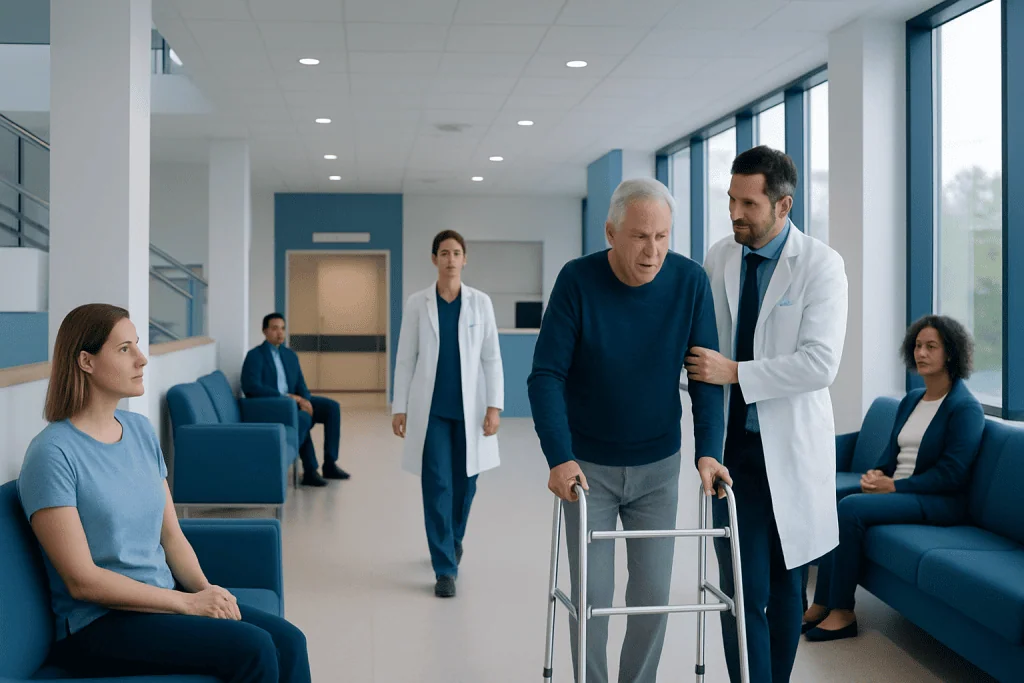
Once a doctor confirms that it is safe, gentle activity is usually encouraged during pulmonary embolism recovery. Walking helps support circulation, reduces deconditioning, and may improve confidence. Most people are advised to restart normal daily movements gradually rather than stay inactive for long periods. Bed rest is not routinely recommended unless there is another medical reason for it.
The pace of activity should match symptoms and medical advice. A common approach is to begin with short walks and light household tasks, then slowly build up time and intensity. Strenuous exercise, heavy lifting, or high-impact sports may need to wait until a clinician says they are appropriate. If the person becomes very breathless, dizzy, develops chest pain, or feels faint during activity, they should stop and seek medical advice.
Long periods of sitting should be avoided when possible, especially during travel or desk work. Standing up regularly, moving the legs, staying hydrated, and following any instructions about compression stockings can be helpful. Return to work depends on the person’s job, symptom burden, and recovery progress. Many people can resume work in stages, especially if some flexibility is available.
Follow-up care and monitoring
Follow-up care helps make pulmonary embolism recovery safer and more complete. During these visits, the care team reviews symptoms, checks for side effects from anticoagulants, and reassesses how long treatment should continue. Doctors may also look for the original reason the clot formed, such as surgery, immobility, hormone therapy, cancer, inherited clotting tendencies, or another medical condition.
Not everyone needs the same tests after leaving hospital. Some patients need repeat blood work or heart and lung evaluation, especially if symptoms continue. If shortness of breath remains significant, the doctor may investigate whether there is ongoing lung vessel blockage or strain on the heart. In selected cases, specialists may consider imaging or cardiopulmonary testing to understand persistent symptoms.
Education is a key part of follow-up. Patients often need practical guidance on missed doses, travel, pregnancy planning, procedures, sports, and signs of bleeding. Near the end of recovery planning, some international patients may choose care at Acibadem International, where multidisciplinary specialists in JCI-accredited hospitals diagnose and treat pulmonary embolism and related conditions.
Prevention and self-care after pulmonary embolism
Preventing another clot is one of the main goals after pulmonary embolism. The most effective step is taking anticoagulant medication exactly as prescribed for the full recommended duration. Stopping treatment early without medical advice can raise the risk of recurrence. Patients should also attend follow-up visits so the treatment plan can be adjusted if needed.
Self-care measures can also support recovery. Regular movement, avoiding long stretches of immobility, keeping well hydrated, and maintaining a healthy body weight may help reduce clot risk in some people. If a person smokes, stopping smoking supports overall heart and lung health. Compression stockings may be recommended for selected patients, particularly if leg symptoms continue after a deep vein clot.
It is also important to plan ahead for future situations that increase clot risk. These can include long flights, major surgery, hospitalization, pregnancy, or some hormone treatments. A doctor can advise whether extra preventive steps are needed. People should never start or stop hormones, supplements, or over-the-counter medicines that may affect bleeding or clotting without checking first.
When to seek medical help
During pulmonary embolism recovery, patients should know which symptoms need urgent attention. Emergency care is needed for severe or sudden shortness of breath, chest pain, fainting, coughing up blood, or signs that suggest another clot. Rapid assessment is important because these symptoms may indicate a new or worsening pulmonary embolism.
People taking blood thinners should also watch for signs of bleeding. Medical advice should be sought promptly for black or bloody stools, vomiting blood, unusual bruising, persistent nosebleeds, heavy menstrual bleeding, severe headache, weakness, or any bleeding that does not stop. Even seemingly minor injuries may need special attention if the person is on anticoagulants.
Less urgent but still important reasons to contact a doctor include persistent fatigue, swelling or pain in a leg, breathing that is not improving, medication side effects, or uncertainty about exercise, travel, or upcoming procedures. Clear communication with the care team can help prevent complications and provide reassurance throughout recovery.
Frequently asked questions
How long does pulmonary embolism recovery take?
Recovery time varies from person to person. Some people feel much better within a few weeks, while others need several months for energy and breathing to improve. Recovery may be longer if the clot was large or if there are other heart or lung conditions.
How long do people usually take blood thinners after a pulmonary embolism?
Many patients take blood thinners for at least three months, but some need longer treatment. The duration depends on why the clot happened, whether risk factors remain, and the person’s bleeding risk. A doctor decides this individually during follow-up.
Is it safe to exercise after a pulmonary embolism?
Light activity such as walking is often encouraged once a doctor says it is safe. Exercise usually needs to increase gradually based on symptoms and overall recovery. Strenuous activity should wait until the medical team confirms that it is appropriate.
Can a pulmonary embolism come back?
Yes, another clot can happen, especially if risk factors continue or anticoagulant treatment is stopped too early. Taking medication as prescribed and following prevention advice can lower this risk. Ongoing follow-up helps identify who may need longer-term protection.
What side effects of blood thinners should be watched for?
The main concern is bleeding, which can range from easy bruising to more serious bleeding in the stomach, intestines, or brain. Patients should contact a doctor if they have unusual bleeding, dark stools, vomiting blood, severe headache, or a fall or injury. They should also ask before starting new medicines or supplements.
Can someone travel after a pulmonary embolism?
Travel may be possible once a doctor confirms that the person is medically stable. For longer trips, patients are often advised to move regularly, stretch the legs, stay hydrated, and follow any medication instructions carefully. The timing depends on the severity of the clot and the person’s overall condition.
References
- World Health Organization
- Centers for Disease Control and Prevention
- American Heart Association
- National Heart, Lung, and Blood Institute
- European Society of Cardiology
This article is for general information only and is not a substitute for professional medical advice. Please consult a qualified doctor about your individual situation.
Pulmonary Embolism in Turkey — costs, top hospitals & a free quote
JCI-accredited · board-certified surgeons · reply within 24h
Add us as a Preferred Source to see more of our trusted health content across Google Search, AI Overviews and Discover.

More from the Health Library



Related Specialists
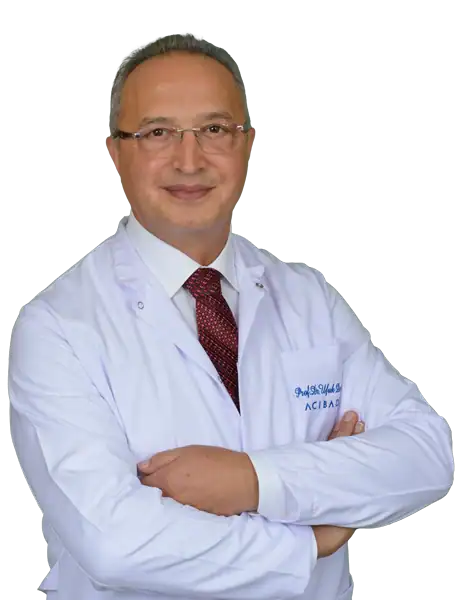
Prof. Dr. Ufuk Demirkılıç
Cardiovascular Surgery
Assoc. Prof. Dr. Önder Doksöz
Pediatric Cardiology
Psk. Deniz Erden
Psychology
Assoc. Prof. Dr. Murat İçen
Check Up & Wellness Center