

Purple Crying — Explained by Medical Evidence, Not Myths
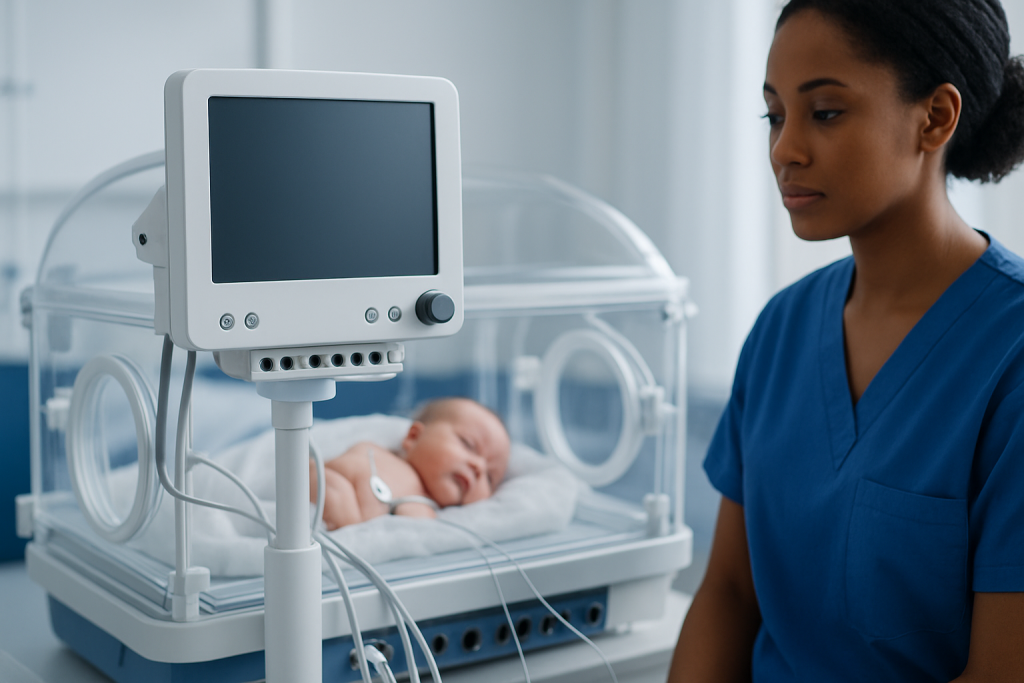
Purple crying describes a common early infancy pattern of increased crying, not a disease. It usually begins in the first weeks, peaks around the second month, and improves by 3 to 5 months.
Key Takeaways
- Purple crying describes a common early infancy pattern of increased crying, not a disease.
- It usually begins in the first weeks, peaks around the second month, and improves by 3 to 5 months.
- Babies may cry even when fed, changed, and otherwise healthy, and soothing may not always work immediately.
- Safe coping strategies for caregivers matter because prolonged crying can be stressful and exhausting.
- Warning signs such as fever, poor feeding, breathing problems, vomiting, or unusual sleepiness need medical assessment.
Purple crying is a normal developmental phase in which some babies cry more intensely or for longer periods, especially in the first weeks to months of life. It does not mean a baby is spoiled or that a parent is doing something wrong, but it is important to know how to soothe a baby safely and when crying may signal illness.
What purple crying means
Purple crying is a term used to describe a normal phase of early infant development in which a baby may cry more often, for longer stretches, or in a way that feels difficult to soothe. The phrase does not mean the baby turns purple, and it does not mean the baby is harmed by crying itself. Instead, it helps explain a pattern that many families notice in the first months of life.
The idea is based on medical observation that crying often increases after birth, reaches a peak in early infancy, and then gradually decreases. Some babies have brief crying spells, while others have longer evening episodes that can seem intense despite feeding, changing, burping, and cuddling. This pattern can be upsetting for caregivers, but it is usually a developmental stage rather than a sign of poor parenting.
The word PURPLE is commonly used as a memory aid for features of this crying pattern, such as crying that may peak, appear unexpected, resist soothing, seem pain-like, last a long time, and happen more in the late afternoon or evening. Not every baby shows every feature, and babies can still be healthy and growing well during this phase.
How long it lasts and what is considered typical
Purple crying usually starts within the first few weeks of life. In many babies, crying becomes more noticeable around 2 to 3 weeks, increases over time, and reaches its highest point around 6 to 8 weeks. After that, it generally improves gradually and often settles by about 3 to 5 months of age.
There is a wide range of normal. Some infants cry only a little more than expected, while others may cry for several hours on some days. Crying often happens in clusters and may be more common in the late afternoon or evening, even when the baby seems well during the rest of the day.
What matters most is the overall picture. A baby who feeds adequately, wets diapers regularly, gains weight, breathes comfortably, and has no concerning symptoms may still go through a very difficult crying phase. If parents are unsure whether the pattern is normal, a pediatrician can help review growth, feeding, and general health.
Why it happens and what myths get wrong

There is no single proven cause of purple crying. Experts believe it is related to normal neurological and behavioral development as babies adjust to life outside the womb. Young infants have immature systems for self-soothing, sleep regulation, and sensory processing, so they may respond strongly to tiredness, stimulation, hunger cues, or internal discomfort even when no illness is present.
Several myths can make this stage harder for families. Purple crying is not evidence that a baby is manipulative, spoiled, or intentionally demanding attention. Newborns do not cry to control adults. It also does not automatically mean breast milk, formula, or parenting style is the problem, although feeding issues, reflux, allergy, or illness can sometimes contribute and may need evaluation.
Another important myth is that caregivers should simply endure without support. Persistent crying can create severe stress and sleep deprivation. Asking for help from a partner, family member, or health professional is appropriate and protective. If a baby has symptoms that suggest another condition, a doctor may assess for problems such as infant colic or other causes of distress rather than assuming all crying is developmental.
Purple crying, colic, and other causes of infant crying
Purple crying and colic are related ideas, but they are not exactly the same. Colic is a medical term often used when an otherwise healthy infant cries for prolonged periods without a clear cause. Purple crying is more of an educational framework that explains that increased crying in early infancy can be normal, can vary from baby to baby, and usually improves with time.
Many ordinary needs can also trigger crying. A baby may be hungry, overtired, too hot, too cold, gassy, uncomfortable in a diaper, overstimulated by noise or light, or simply in need of closeness. Sometimes the crying reflects a build-up of normal infant tension near the end of the day rather than a medical problem.
Still, crying should not always be dismissed. Doctors may look for other causes if the history suggests illness or injury. Possible concerns can include feeding difficulties, infection, constipation, reflux, milk protein intolerance, a blocked nose, ear discomfort, or less common conditions that cause pain. Evaluation becomes especially important if crying changes suddenly, sounds weak or unusual, or is paired with vomiting, poor feeding, fever, rash, or low energy.
How parents can soothe a baby safely
Soothing may help, but it may not stop the crying every time. That does not mean the caregiver is failing. The goal is to respond calmly, check basic needs, and use safe comfort measures while understanding that some episodes pass only with time.
Helpful steps may include:
- Feed the baby if hunger cues are present.
- Burp during and after feeds.
- Check for a wet or soiled diaper.
- Hold the baby skin-to-skin or in an upright cuddle.
- Use gentle rocking, walking, or rhythmic motion.
- Reduce stimulation by dimming lights and lowering noise.
- Offer a pacifier if the baby usually accepts one.
- Try swaddling only if appropriate for the baby’s age and with safe sleep guidance in mind.
Some families find that a warm bath, a stroller walk, or quiet white noise is calming. If feeding seems difficult, a pediatric review may help identify latching problems, formula tolerance issues, or reflux. In selected cases, doctors may recommend further assessment with child-focused specialties or tests, including diagnostic imaging if symptoms suggest a medical problem unrelated to routine crying.
Safe sleep remains essential. Even if a baby falls asleep in a car seat, swing, or on an adult’s chest, routine sleep should be on the back on a firm, flat sleep surface without loose bedding. Caregivers should never shake a baby, as shaking can cause serious brain injury. If frustration builds, it is safer to place the baby on their back in the crib and step away briefly to regain control.
Caring for the caregiver during this phase
Purple crying affects the whole household. Long crying spells can leave parents feeling helpless, guilty, or overwhelmed, especially when sleep is already limited. These feelings are common and do not mean a parent is inadequate. Understanding that this phase is often temporary can reduce some of the emotional burden.
Practical support is important. Caregivers can take turns, plan short breaks, rest when possible, and ask trusted family or friends for help with meals, laundry, or holding the baby while they shower or sleep. A few minutes of relief can make coping safer and more realistic.
It is also helpful to prepare a simple plan for difficult moments. For example, a parent might check feeding and diaper needs, try two or three soothing methods, and then place the baby safely in the crib for a short pause if the crying continues. If stress, sadness, panic, or anger become frequent, speaking with a doctor is important because parental mental health matters for both caregiver and baby.
When to seek medical care
Although purple crying is usually normal, certain signs need prompt medical attention. A baby should be assessed urgently if crying is accompanied by fever, trouble breathing, bluish color, poor feeding, repeated vomiting, a swollen abdomen, blood in the stool, a new rash, seizures, limpness, unusual sleepiness, or fewer wet diapers than expected.
Medical advice is also important if the baby cries in a sharply different way than usual, cannot be comforted at all, seems to be in pain when touched or moved, or has had a fall or possible injury. Crying in a very young infant can sometimes be the earliest sign of infection or another illness, so it is reasonable to call a healthcare professional when something does not feel right.
Routine pediatric follow-up can help families distinguish normal developmental crying from a condition that needs treatment. If symptoms suggest digestive, neurologic, or other underlying problems, the care team may coordinate further evaluation and supportive treatment. When clinically appropriate, this may include pediatric review for related concerns such as digestive assessment in children or general pediatric evaluation. Acibadem International’s multidisciplinary specialists at JCI-accredited hospitals also diagnose and treat infant health concerns for international patients.
Frequently asked questions
Is purple crying normal?
Yes. Purple crying is generally considered a normal developmental phase in early infancy, when babies may cry more and be harder to soothe. Even so, parents should contact a doctor if the crying is paired with warning signs such as fever, poor feeding, breathing trouble, or unusual sleepiness.
At what age does purple crying start and stop?
It often begins in the first few weeks of life, becomes more noticeable around 2 to 3 weeks, and tends to peak around 6 to 8 weeks. In most babies it improves gradually and is largely resolved by 3 to 5 months.
Does purple crying mean my baby has colic?
Not necessarily. The terms are related, but purple crying is a broader way to explain a common pattern of increased crying in early infancy. Colic is a medical label sometimes used for prolonged crying in an otherwise healthy baby without an obvious cause.
Can feeding changes stop purple crying?
Sometimes feeding adjustments help if crying is linked to hunger, swallowing air, latching difficulty, reflux, or formula intolerance. However, many babies with purple crying continue to cry at times even when feeding is going well. Any major feeding change should be discussed with a pediatrician.
What should a parent do if they feel overwhelmed by the crying?
The safest step is to place the baby on their back in a crib or other safe sleep space and take a brief break. Calling a partner, relative, friend, or healthcare professional for support can help prevent exhaustion and unsafe reactions. A parent should never shake a baby.
Can purple crying cause harm to the baby?
The crying phase itself is not usually harmful if the baby is otherwise healthy and receives normal care. The main risk is caregiver stress, which is why support, rest, and safe coping strategies are so important. If the baby appears sick or injured, medical assessment is needed.
This article is for general information only and is not a substitute for professional medical advice. Please consult a qualified doctor about your individual situation.
Explore treatments in Turkey — costs, top hospitals & a free quote
JCI-accredited · board-certified surgeons · reply within 24h
Add us as a Preferred Source to see more of our trusted health content across Google Search, AI Overviews and Discover.

More from the Health Library

Jumpy Legs Magnesium: What Patients Need to Know

Constipation: An Evidence-Based Guide for Patients

Bench Press — Explained by Medical Evidence, Not Myths

Anomic Aphasia: What Patients Need to Know

Spironolactone: An Evidence-Based Guide for Patients
