Quervain’s: What Patients Need to Know

Quervain's affects the tendons that move the thumb near the wrist. Common symptoms include pain, swelling, and difficulty gripping or lifting.
Key Takeaways
- Quervain's affects the tendons that move the thumb near the wrist.
- Common symptoms include pain, swelling, and difficulty gripping or lifting.
- Repetitive hand use, new caregiving tasks, and inflammatory conditions can increase risk.
- Diagnosis is usually based on symptoms and a physical examination.
- Treatment often starts with rest, splinting, and anti-inflammatory measures, with procedures or surgery used when symptoms persist.
Quervain's is a painful condition affecting the tendons on the thumb side of the wrist. It commonly causes discomfort with gripping, lifting, or twisting, and many people improve with activity changes, splinting, and timely medical treatment.
Overview: what quervain's is
Quervain’s, also called de Quervain’s tenosynovitis, is a condition that causes pain on the thumb side of the wrist. It happens when the tendons that help move the thumb become irritated as they pass through a narrow tunnel-like sheath near the wrist. This irritation can make simple tasks such as lifting a child, opening a jar, or turning a key uncomfortable.
Although the term sounds technical, the condition is usually manageable. For many patients, symptoms improve with a combination of rest, a thumb-spica splint, reducing strain on the hand, and targeted medical treatment. Early evaluation can help prevent symptoms from becoming more persistent and can also rule out other causes of wrist pain, such as carpal tunnel syndrome or arthritis.
Quervain’s is not usually dangerous, but it can interfere with daily life. Because thumb movement is involved in gripping and pinching, discomfort may affect work, household tasks, sports, and caring for a baby. Understanding the pattern of symptoms is often the first step toward finding relief.
Symptoms and how it may feel day to day
The main symptom of quervain’s is pain at the base of the thumb and along the wrist on the thumb side. The pain may begin gradually or come on after a period of repetitive use. Some people notice a sharp twinge with certain movements, while others describe a dull ache that worsens throughout the day.
Common symptoms can include:
- Pain when gripping, pinching, or twisting the wrist
- Tenderness over the thumb-side wrist
- Swelling or a feeling of fullness near the base of the thumb
- Pain when lifting objects, especially with the thumb spread
- A catching, snapping, or creaking sensation with thumb movement
- Reduced hand strength because movement becomes painful
Symptoms often become more noticeable during tasks such as texting, gardening, carrying shopping bags, wringing a cloth, or lifting a child from under the arms. In some cases, pain can travel up the forearm. If patients continue the same triggering motions despite pain, the irritation may become harder to settle.
Not every pain at the thumb side of the wrist is quervain’s. Conditions such as thumb base osteoarthritis, tendon injuries, and nerve compression can feel similar. That is why persistent or unclear symptoms should be evaluated by a qualified doctor.
Causes and risk factors

Quervain’s develops when the tendon sheath around two thumb tendons becomes irritated and narrowed. The tendons then do not glide smoothly, and motion creates more friction and pain. This is why symptoms often increase during repeated thumb and wrist use.
A clear single cause is not always found, but several factors can contribute. Repetitive hand activities are a common trigger, especially movements that combine gripping with wrist deviation. Examples include prolonged phone use, lifting, manual work, racquet sports, some musical activities, and frequent twisting motions.
Risk may also be higher during periods of increased hand use, such as caring for a newborn or toddler. Some patients develop symptoms after an injury to the wrist, which may lead to local swelling and reduced tendon space. Inflammatory conditions can also increase the likelihood of tendon sheath irritation, and sometimes the diagnosis overlaps with broader hand or wrist problems such as arthritis.
Quervain’s can affect many adults, and it is often associated with overuse patterns rather than a major structural injury. Identifying which movements are aggravating the wrist is important, because treatment is more effective when triggers are reduced as well as symptoms treated.
How doctors diagnose quervain's
Diagnosis usually begins with a discussion of symptoms, daily activities, and when the pain started. A doctor will examine the wrist and thumb, looking for tenderness, swelling, and pain with specific movements. The location of the pain and the pattern of movement-related symptoms are often very helpful clues.
One common part of the examination is a maneuver that gently stretches the involved tendons to see whether it reproduces pain on the thumb side of the wrist. Doctors also check thumb strength, range of motion, and whether there may be another explanation for symptoms, such as a joint problem or nerve compression. Imaging is not always needed for straightforward cases.
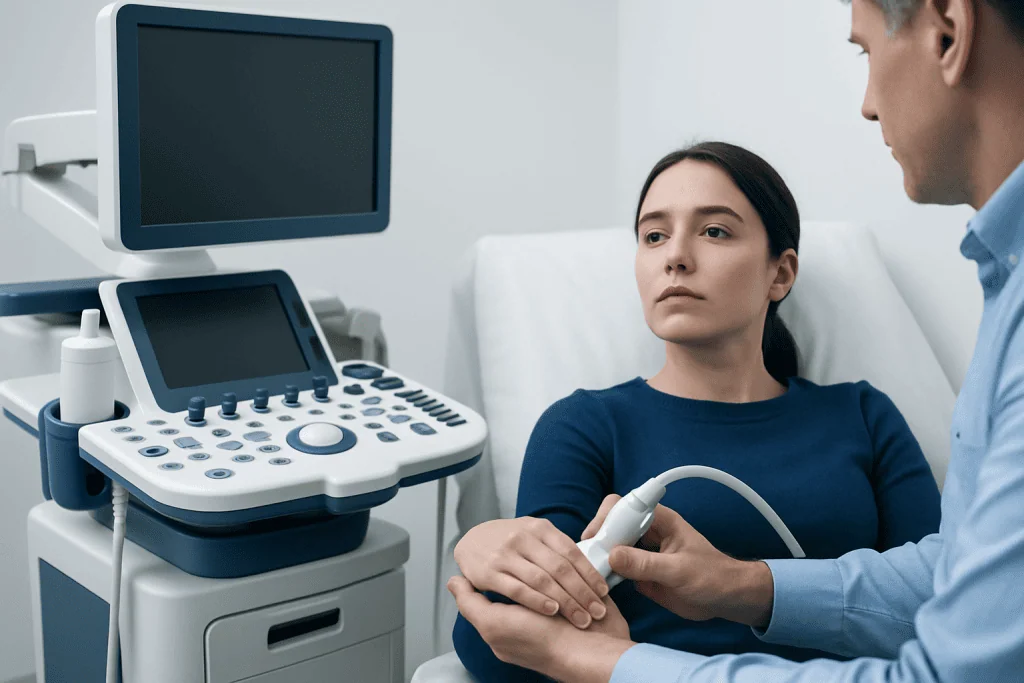
However, ultrasound, X-ray, or other tests may be used when the diagnosis is uncertain or when another condition is suspected. For example, an X-ray may help identify arthritis at the base of the thumb, while ultrasound can show tendon thickening or fluid around the tendon sheath. In selected cases, a wider hand or wrist evaluation may be helpful, sometimes alongside assessment in services such as orthopedics and traumatology.
Treatment options and recovery
Treatment for quervain’s usually starts with conservative measures. The main goals are to reduce irritation, allow the tendons to glide more freely, and help patients return to daily activities with less pain. This often means temporarily avoiding repetitive thumb and wrist motions, especially lifting or twisting movements that trigger symptoms.
Doctors may recommend a thumb-spica splint to rest the wrist and thumb, along with ice and short-term anti-inflammatory treatment when appropriate for the individual. Hand therapy can also be useful. A therapist may guide patients on gentle exercises, ergonomics, safer lifting techniques, and ways to reduce strain during work or childcare tasks. In some cases, broader support from physical therapy and rehabilitation helps improve function and movement patterns.
If symptoms continue despite these measures, an injection around the tendon sheath may be considered to reduce inflammation. Many patients improve with this approach, particularly when it is combined with activity modification and splinting. For persistent or severe cases that do not respond to non-surgical treatment, surgery may be advised to release the tight sheath and create more space for the tendons. Surgical planning may involve hand surgery expertise when available.
Recovery time varies. Some people improve within a few weeks, while others need longer if symptoms have been present for months or if the hand continues to be heavily used. A gradual return to regular activities is usually recommended so the tendons are not irritated again too quickly.
Self-care and prevention
Self-care does not replace medical assessment, but it can play an important role in symptom relief and prevention. The most helpful step is often reducing the repeated motion that started the problem. Patients may benefit from adjusting how they lift, carry, type, text, or hold tools so the thumb and wrist are kept in a more neutral position.
Useful prevention and self-care strategies include:
- Taking regular breaks during repetitive hand tasks
- Using both hands to lift heavier items when possible
- Avoiding tight gripping and forceful twisting motions
- Using supportive devices or larger-handled tools if recommended
- Following a splinting or exercise plan exactly as advised
- Returning to activities gradually after symptoms improve
New parents and caregivers often benefit from small technique changes, such as lifting with the palms rather than hooking with the thumbs. Workstation adjustments, voice-to-text tools, and changes in sports technique may also reduce stress on the tendons. If pain returns repeatedly, a doctor or hand therapist can help identify the specific movement pattern causing trouble.
Near the end of the care pathway, some patients need specialist assessment to confirm the diagnosis and tailor treatment. Acibadem International’s multidisciplinary specialists in JCI-accredited hospitals diagnose and treat quervain’s for international patients when further evaluation is needed.
When to seek medical care
Medical care is advisable when thumb-side wrist pain lasts more than a few days, keeps returning, or begins to interfere with work, sleep, or daily tasks. Earlier evaluation is especially helpful if home measures such as rest and avoiding the trigger have not improved symptoms.
Patients should also seek assessment if there is marked swelling, weakness, a catching sensation that limits thumb motion, or uncertainty about whether the pain is actually coming from the wrist, thumb joint, or a nerve problem. Prompt review is important after an injury, or if symptoms are severe enough that lifting or gripping becomes difficult.
Because several conditions can mimic quervain’s, diagnosis should be made by a qualified clinician. A personalized plan can help protect hand function, reduce pain, and lower the chance of long-lasting irritation.
Frequently asked questions
Is quervain's the same as carpal tunnel syndrome?
No. Quervain's affects the thumb tendons at the wrist, while carpal tunnel syndrome involves pressure on the median nerve. Both can cause hand discomfort, but the location and type of symptoms are usually different.
Can quervain's go away on its own?
Mild cases may improve if the triggering activity is stopped early and the thumb and wrist are rested. However, symptoms often return if the same strain continues. Persistent pain should be evaluated by a doctor.
What activities make quervain's worse?
Activities that combine gripping, lifting, pinching, or twisting often worsen symptoms. Examples include texting, opening jars, carrying a child, wringing cloths, and using hand tools for long periods.
Do all patients with quervain's need surgery?
No. Many patients improve with non-surgical treatment such as splinting, activity changes, hand therapy, and sometimes an injection. Surgery is usually considered only when symptoms continue despite appropriate conservative care.
How long does recovery take?
Recovery varies depending on how long symptoms have been present and whether the wrist can be adequately rested. Some people improve within a few weeks, while others need longer treatment and a gradual return to activity.
Can quervain's come back after treatment?
Yes, it can return, especially if the same repetitive movements continue or if the hand is stressed too quickly after improvement. Good ergonomics, activity modification, and following a rehabilitation plan can lower the risk.
References
- American Academy of Orthopaedic Surgeons
- American Society for Surgery of the Hand
- National Institute of Arthritis and Musculoskeletal and Skin Diseases
- Mayo Clinic
- National Health Service
This article is for general information only and is not a substitute for professional medical advice. Please consult a qualified doctor about your individual situation.
Joint and spine care in Turkey — expert assessment & treatment
JCI-accredited · board-certified surgeons · reply within 24h
Add us as a Preferred Source to see more of our trusted health content across Google Search, AI Overviews and Discover.