Quest Diagnostics Appointment: How to Book, Prepare, and Check In

Most Quest Diagnostics appointments can be booked online or by phone, depending on location and test type. Preparation depends on the ordered test and may include fasting, medication questions, or bringing identification and insurance details.
Key Takeaways
- Most Quest Diagnostics appointments can be booked online or by phone, depending on location and test type.
- Preparation depends on the ordered test and may include fasting, medication questions, or bringing identification and insurance details.
- Check-in often involves confirming personal information, the test order, and any required paperwork.
- Patients should follow the instructions given by their doctor and the testing site, especially for time-sensitive or fasting tests.
- If anything is unclear, contacting the laboratory or the ordering clinician before the visit is the safest approach.
A Quest Diagnostics appointment is typically straightforward to arrange, whether for blood work or other common lab testing. Knowing how to book, prepare, and check in can help the visit go more smoothly and reduce last-minute stress.
Overview
A Quest Diagnostics appointment is a scheduled visit for laboratory testing, such as blood tests, urine tests, or other diagnostic samples requested by a doctor. Appointments are commonly used to help reduce waiting times and make the testing process more organized. In many cases, patients can choose a date, time, and nearby location that fits their schedule.
The exact process may vary by region, test type, and the laboratory location. Some tests can be completed with a routine appointment, while others may need special timing or preparation. For example, a fasting blood test or a timed sample may require more planning than a standard visit.
For patients, the most helpful approach is to think of the appointment in three simple stages: booking, preparing, and checking in. Understanding each step ahead of time can make the experience easier and help avoid delays or the need to reschedule.
How to Book a Quest Diagnostics Appointment
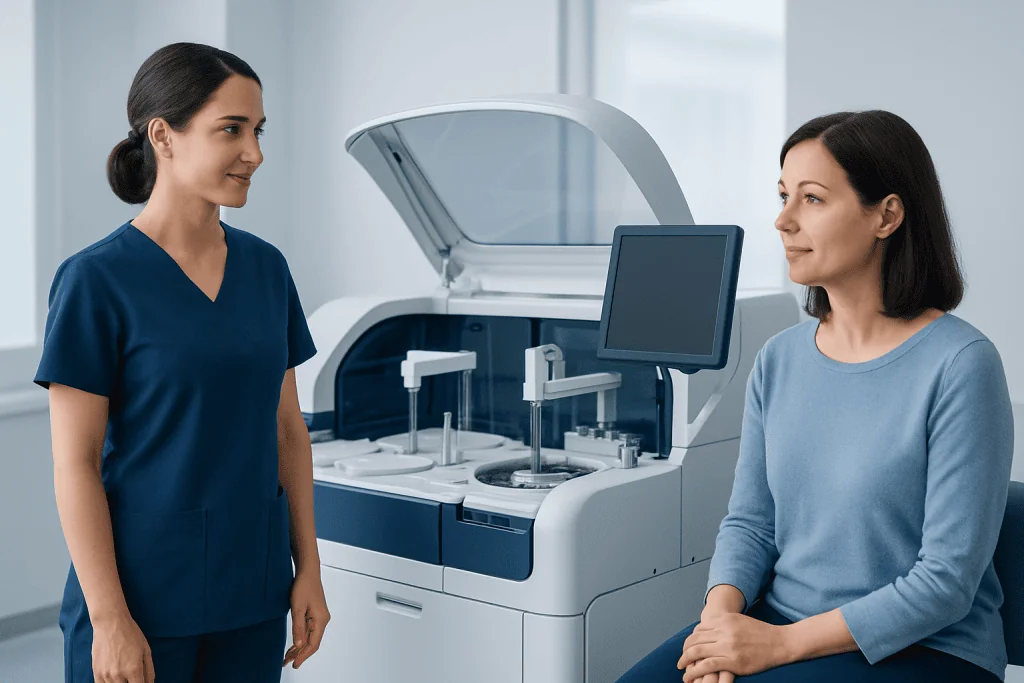
Booking a Quest Diagnostics appointment is often done online through the laboratory’s scheduling system, although some locations may also support phone scheduling. Patients are usually asked to choose the type of visit, confirm the location, and select an available appointment time. If the doctor has already placed a test order, it helps to have that information ready during booking.
When scheduling, patients may be asked for details such as their full name, date of birth, contact information, and insurance information if relevant. In some situations, the laboratory may also request the reason for testing or the ordering clinician’s details. Entering information carefully can reduce problems at check-in.
Before confirming the appointment, it is wise to review whether the selected test has any special instructions. Some tests require fasting, a specific collection time, or temporary limits on eating, drinking, or exercise. If the booking system does not clearly explain the preparation, the patient should confirm instructions with the ordering doctor or the lab site before the visit.
- Choose a convenient location and appointment time
- Have the doctor’s order or test request available if possible
- Check whether fasting or special timing is required
- Review cancellation or rescheduling options
What to Prepare Before the Visit

Preparation depends on the test being performed. Many routine blood tests do not require major preparation, but some do. For example, fasting tests may require avoiding food for a set number of hours beforehand, while still allowing water unless told otherwise. Other tests may involve avoiding certain supplements, strenuous exercise, or smoking for a period before the sample is taken.
Patients should also prepare practical items for the visit. These often include a valid photo ID, insurance card if applicable, the laboratory order or requisition if one is needed, and a list of current medications. Bringing these items can help staff confirm the correct test and reduce administrative delays.
Medication questions are especially important. Some medicines can affect test results, but patients should not stop prescription medication unless a qualified clinician specifically advises them to do so. If there is uncertainty about food, drink, medicines, or timing, it is best to ask in advance rather than guess on the day of the appointment.
Hydration may also help for certain blood draws, as being well hydrated can sometimes make veins easier to access. However, if a test has strict preparation instructions, those instructions should come first. Following the doctor’s guidance is the safest way to help ensure accurate results.
What Happens During Check-In
When arriving for a Quest Diagnostics appointment, patients usually check in by confirming their name, date of birth, and appointment details. Some locations may use a front desk, while others may offer self-service or digital check-in. The laboratory staff may also review the doctor’s order and verify insurance or billing information if needed.
It is a good idea to arrive a little early, especially if paperwork must be completed or if identity verification is required. Being late can shorten the available appointment window and, in some situations, may require rescheduling. If a patient is running late, contacting the site as soon as possible may help clarify the next step.
During check-in, staff may ask whether the patient followed the preparation instructions, such as fasting. This matters because incorrect preparation can affect some test results. If the instructions were not followed, the staff may still proceed for certain tests, or they may recommend rescheduling depending on what was ordered.
After check-in, patients are usually called for sample collection. For blood work, this often means a standard blood draw; for other tests, the patient may receive instructions for a urine, stool, or swab sample. If someone feels nervous about needles, letting the staff know can be helpful so they can provide support and explain the process calmly.
Common Tests and What the Visit May Involve
A Quest Diagnostics appointment may be used for a wide range of routine and specialized tests. These include complete blood counts, cholesterol checks, blood sugar tests, hormone tests, urine analysis, and infection screening. In some cases, the lab visit is part of broader medical evaluation, such as monitoring diabetes, kidney function, thyroid health, or general wellness.
The testing experience depends on what has been ordered. A simple blood draw often takes only a short time, while tests involving several samples, timed collections, or special handling may take longer. For patients undergoing broader evaluation, lab work may be one part of a care plan that also includes imaging or physician review, such as check-up and screening or diagnostic imaging.
Some people book a laboratory appointment because of symptoms such as tiredness, weight change, dizziness, or signs of infection. In these situations, the lab tests help support diagnosis but do not replace a full medical assessment. Related health concerns may include anemia or diabetes, depending on the symptoms and the clinician’s evaluation.
Results, Follow-Up, and Possible Delays
After the samples are collected, they are processed and reviewed according to the type of test ordered. Some routine results may be available relatively quickly, while other specialized tests can take longer. The timing depends on laboratory workflow, the complexity of the analysis, and whether the sample must be sent to another facility.
Results are generally shared through the ordering doctor, a patient portal, or both, depending on the healthcare system. It is important for patients to review results with a qualified clinician rather than trying to interpret numbers alone. A result that looks outside the reference range does not always mean disease, and normal ranges can vary by age, sex, and clinical context.
If there is a delay, common reasons include missing paperwork, incomplete patient information, specimen quality issues, or the need for repeat collection. While delays can be frustrating, they are often related to making sure the result is accurate and matched to the correct patient. If a patient has not received results within the expected timeframe, contacting the ordering clinician or laboratory is reasonable.
Tips for a Smoother Appointment
A little planning can make a laboratory visit much easier. Patients often benefit from confirming the appointment time the day before, reviewing any fasting instructions, and setting aside enough travel time. Wearing clothing with sleeves that can be rolled up easily can also help if a blood sample is needed.
For those who tend to feel faint during blood draws, it may help to mention this at check-in, stay seated as directed, and follow the staff’s advice afterward. Eating after a fasting test, if permitted, and drinking water can also support recovery. Patients should ask when normal activities can be resumed if they have concerns.
Parents arranging testing for a child may want to explain the visit in simple, honest language and bring a comfort item if allowed. Adults caring for older family members may wish to bring medication lists, identification, and glasses or hearing aids to make communication easier. Clear preparation can reduce stress for both patients and caregivers.
If a patient needs more comprehensive testing or specialist evaluation after lab work, coordinated care can be useful. Near the end of the care pathway, some international patients may seek services at centers such as Acibadem International, where multidisciplinary specialists and JCI-accredited hospitals provide diagnostic assessment and treatment planning.
When to Contact a Doctor or the Lab
Patients should contact the ordering doctor or the laboratory before the appointment if they are unsure about fasting, medications, sample timing, or whether they need to bring paperwork. It is also sensible to call ahead if they are feeling unwell, think they may miss the appointment, or believe the test order may be incomplete. Clarifying these points early can help avoid unnecessary repeat visits.
Medical advice is especially important when symptoms are new, persistent, or worsening. Laboratory testing is only one part of care, and symptoms such as chest pain, severe shortness of breath, confusion, or signs of dehydration need prompt medical attention rather than routine scheduling. In urgent situations, patients should seek immediate care according to local emergency guidance.
After the appointment, a doctor should also be contacted if results are difficult to understand, if the clinician requested follow-up, or if symptoms continue despite normal test findings. Good communication helps ensure that test results are used appropriately and that the next steps in care are clear.
Frequently asked questions
How does a person book a Quest Diagnostics appointment?
A Quest Diagnostics appointment is commonly booked online by choosing the test type, location, and available time slot. Some sites may also allow scheduling by phone. It helps to have the doctor's order and personal details ready before starting the booking process.
Does every Quest Diagnostics appointment require fasting?
No, not every laboratory test requires fasting. Preparation depends on the specific test ordered by the clinician. If the instructions are unclear, the patient should confirm them with the doctor or laboratory before the visit.
What should a patient bring to the appointment?
Most patients should bring a photo ID, insurance card if applicable, and any test order or requisition that the laboratory requires. A list of current medications can also be helpful. Bringing the correct documents may speed up check-in and reduce confusion.
What happens if someone is late for their appointment?
If a patient is late, the laboratory may still be able to see them, but this depends on the site's schedule and policies. In some cases, the appointment may need to be moved or rescheduled. Calling the location as soon as possible is the best step if a delay is expected.
How long does a Quest Diagnostics appointment usually take?
The length of the visit depends on the type of test and how busy the location is. A routine blood draw may take only a short time, while more complex or timed testing can take longer. Arriving early and completing preparation correctly can help the process go more smoothly.
When are test results usually available?
Result timing varies by the kind of test ordered. Some routine tests may be processed fairly quickly, while specialized tests can take longer. Patients should review the results with their doctor, who can explain what they mean in the right medical context.
This article is for general information only and is not a substitute for professional medical advice. Please consult a qualified doctor about your individual situation.
Explore treatments in Turkey — costs, top hospitals & a free quote
JCI-accredited · board-certified surgeons · reply within 24h
Add us as a Preferred Source to see more of our trusted health content across Google Search, AI Overviews and Discover.

More from the Health Library

Fasting Blood Tests: Which Ones Require It and What Happens If You Forget?

Ultrasound vs Mammogram: How Doctors Choose the Right Breast Imaging Test

Ultrasound Imaging: Abdomen, Pelvis, Thyroid, and Pregnancy Uses

Common Reasons Doctors Order Lab Tests: Screening, Diagnosis, and Monitoring

Diagnostic Criteria for PTSD: How F43.1 Is Diagnosed