

Radiation Oncology: How It Works and Who It May Help
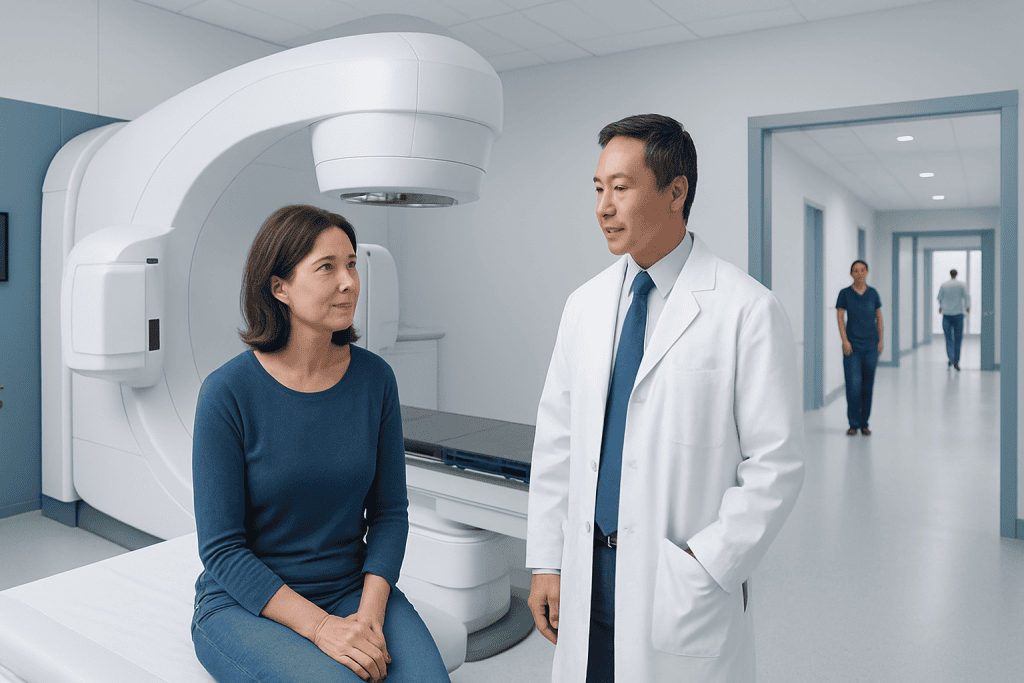
Radiation oncology uses high-energy radiation to damage cancer cells while protecting as much healthy tissue as possible. It can be used to cure cancer, lower the risk of recurrence, shrink tumors before surgery, or relieve symptoms.
Key Takeaways
- Radiation oncology uses high-energy radiation to damage cancer cells while protecting as much healthy tissue as possible.
- It can be used to cure cancer, lower the risk of recurrence, shrink tumors before surgery, or relieve symptoms.
- Treatment plans are personalized and may involve external beam radiation, internal radiation, or other advanced techniques.
- Most radiation treatments are painless during delivery, but side effects can develop gradually and depend on the area treated.
- Careful planning, imaging, and follow-up help improve precision and support safety throughout treatment.
Radiation oncology is a medical specialty that uses carefully planned radiation to treat cancer and, in some situations, ease symptoms caused by tumors. It may be used alone or together with surgery, chemotherapy, immunotherapy, or other targeted treatments depending on the cancer type, stage, and the person’s overall health.
Overview of Radiation Oncology
Radiation oncology is the branch of medicine that uses high-energy radiation to treat cancer. The goal is to damage the genetic material inside cancer cells so they can no longer grow and divide normally. Healthy cells can also be affected, but modern planning techniques are designed to limit exposure to nearby normal tissues as much as possible.
Radiation therapy is one of the main cancer treatments used worldwide. It may be given with the aim of curing disease, reducing the chance that cancer returns, shrinking a tumor before another treatment, or easing symptoms such as pain, bleeding, or pressure. In many cases, radiation oncology is part of a broader care plan that may also include medical oncology care or surgical oncology treatment.
Several specialists are involved in radiation treatment planning and delivery. A radiation oncologist leads the process, while medical physicists, dosimetrists, radiation therapists, oncology nurses, and imaging teams all play important roles. This team approach helps make treatment precise, safe, and tailored to the person’s diagnosis and needs.
How Radiation Therapy Works
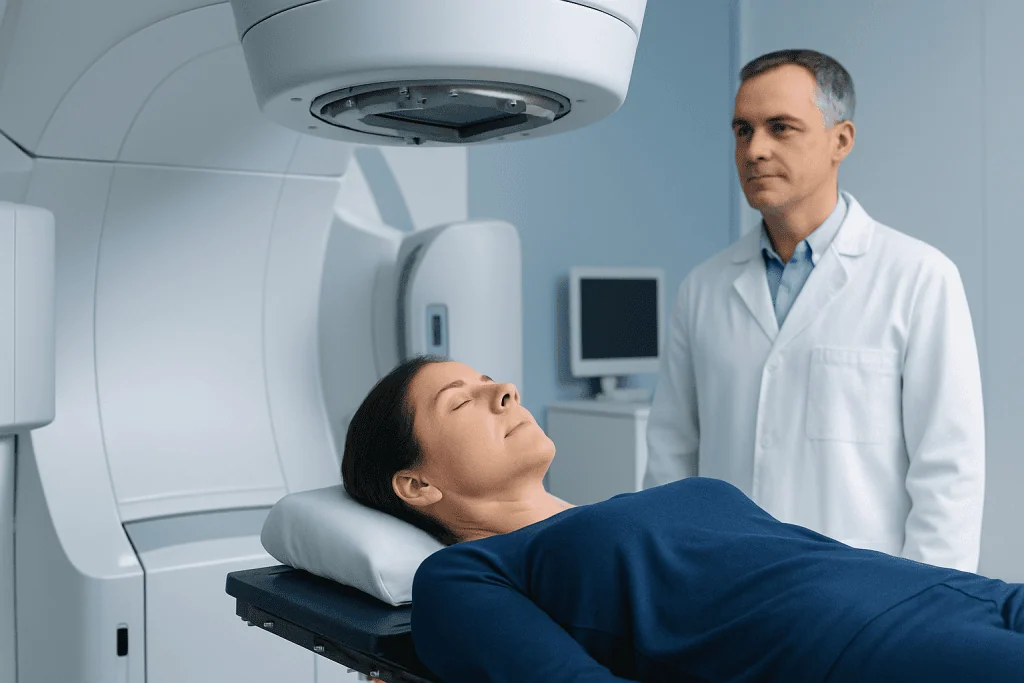
Radiation therapy works by directing energy at cancer cells. This energy damages DNA, making it hard for abnormal cells to repair themselves. Because cancer cells usually divide more quickly and less accurately than normal cells, they are often more vulnerable to the effects of radiation over time.
Treatment is commonly delivered in small doses over several sessions, called fractions. Spreading treatment out allows healthy tissues time to recover between sessions while continuing to affect cancer cells. Some situations call for a single treatment or a shorter course, while others need several weeks of therapy.
There are different ways to deliver radiation. The main approaches include:
- External beam radiation therapy: A machine outside the body directs radiation at the tumor.
- Brachytherapy: Radioactive material is placed inside or very near the tumor for a period of time.
- Stereotactic techniques: Highly focused treatment delivers radiation to small targets with great precision.
- Proton therapy: In selected cases, proton beams may help reduce radiation to certain nearby tissues.
Radiation itself is not usually felt during treatment. The session is similar to having an imaging scan: the person lies still while the machine moves around them. The treatment team watches closely from another room and can communicate throughout the session.
Who It May Help
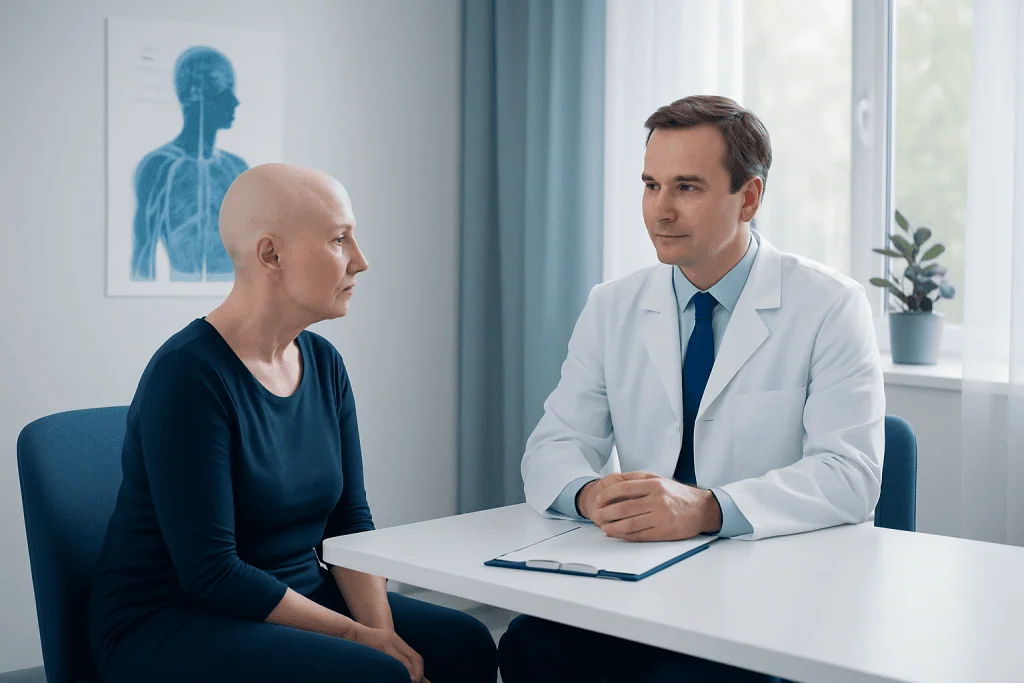
Radiation oncology may help people with many different cancer types. It is commonly used in breast, prostate, lung, head and neck, cervical, rectal, skin, and brain cancers, among others. It can also play a role in certain blood-related cancers and in cancers that have spread to bone or other organs.
Some people receive radiation as the main treatment, especially when surgery is not needed or not possible. Others receive it before surgery to shrink a tumor, or after surgery to destroy any microscopic cancer cells that may remain. It may also be combined with chemotherapy or other medicines to improve treatment effectiveness in selected cancers.
Radiation therapy is not used only with curative intent. Palliative radiation can be very helpful when cancer causes pain, pressure, bleeding, trouble swallowing, or symptoms from spread to bones or the brain. In this setting, treatment focuses on comfort, quality of life, and symptom control.
The decision to use radiation depends on several factors, including the type of cancer, its exact location, stage, previous treatments, age, overall health, and personal preferences. A doctor may also consider whether the area being treated has had radiation before and how close the tumor is to sensitive organs.
Types of Radiation Oncology Treatment
External beam radiation therapy is the most common form of radiation treatment. Before treatment begins, the team performs a planning session, often called simulation, using imaging such as CT and sometimes MRI or PET scans. This helps map the tumor and nearby organs so the dose can be shaped carefully.
Advanced external techniques may include three-dimensional conformal radiation therapy, intensity-modulated radiation therapy, image-guided radiation therapy, or stereotactic body radiation therapy. These methods can help deliver radiation more precisely, especially when tumors are close to important structures.
Brachytherapy is another established option. In this approach, radioactive sources are placed in or near the tumor temporarily or, less commonly, permanently. It is often used in cancers such as prostate, cervical, uterine, and some breast cancers because it can deliver a high dose directly to the target area while limiting exposure to surrounding tissues.
Some people may need treatment that involves a wider cancer care team, such as chemotherapy or systemic therapy alongside radiation. In selected situations, radiation may also be part of treatment for conditions such as brain tumors, where precise planning is especially important to protect brain function.
Diagnosis, Planning, and What to Expect
Radiation oncology begins with a detailed consultation. The doctor reviews biopsy results, imaging, overall health, symptoms, and previous treatments. They explain why radiation is being recommended, what benefits are expected, and what side effects may occur based on the part of the body being treated.
After the consultation, a planning scan is usually arranged. Small skin marks or custom positioning devices may be used to help the body stay in the same position for each session. The radiation oncologist then outlines the treatment area and nearby organs on the images, and the physics team calculates the safest and most effective dose plan.
During treatment, each session is usually brief, although setup may take longer than the radiation delivery itself. Most people go home the same day and continue many of their usual activities. Weekly check-ins with the treatment team help monitor side effects, nutrition, fatigue, and any practical concerns.
Follow-up continues after treatment ends. Doctors may use physical examinations, blood tests, and imaging to check how well the cancer has responded and to watch for late side effects. Because some tumors shrink slowly after radiation, results are not always immediate and are assessed over time.
Benefits, Risks, and Side Effects
The main benefit of radiation oncology is that it can target a known cancer area with great precision. For many people, this can help preserve organs, avoid or reduce the extent of surgery, and control cancer effectively. It is also a valuable option for symptom relief when cure is not possible.
Side effects vary depending on the body area treated, total dose, treatment schedule, and whether other therapies are given at the same time. Common general effects include tiredness and skin irritation in the treated area. Other side effects are usually specific to the location, such as sore throat with head and neck treatment, bowel changes with pelvic treatment, or cough and swallowing discomfort with chest treatment.
Most side effects begin gradually during treatment and improve in the weeks or months afterward, although some can appear later. The care team usually provides advice on skin care, mouth care, hydration, nutrition, and medicines that may help. Reporting new or worsening symptoms early often makes them easier to manage.
Radiation is planned carefully to reduce risk to healthy tissues, but no treatment is completely free of side effects. The doctor balances the potential benefits with the possible short- and long-term risks before recommending therapy. If questions arise, patients should feel comfortable asking how the treatment area, dose, and expected outcomes were chosen.
Self-care During Treatment and When to Seek Medical Advice
Good self-care can support comfort and recovery during radiation therapy. Many people benefit from getting enough rest, staying hydrated, eating regular nourishing meals, and accepting help with daily tasks when fatigue builds up. Gentle activity, such as walking if approved by the doctor, may also help maintain energy and well-being.
Skin in the treated area may become sensitive, so it is often helpful to use mild soap, avoid friction, and follow the team’s instructions about creams or dressings. People having treatment to the mouth, throat, chest, abdomen, or pelvis may receive specific guidance on oral care, swallowing, bowel habits, or bladder comfort.
Medical advice should be sought promptly if there is fever, severe pain, trouble breathing, uncontrolled vomiting, inability to eat or drink, heavy bleeding, confusion, or a sudden worsening of symptoms. Contacting the care team early is important whenever side effects interfere with normal eating, sleeping, mobility, or medication use.
For people seeking coordinated cancer care, Acibadem International’s multidisciplinary specialists and JCI-accredited hospitals diagnose and treat cancer for international patients, including radiation-based treatment when appropriate. A radiation oncologist can explain whether referral for radiation oncology is suitable and how it fits into the wider treatment plan.
Frequently asked questions
Is radiation oncology the same as chemotherapy?
No. Radiation oncology uses targeted high-energy radiation aimed at a specific area, while chemotherapy uses medicines that travel through the body. Some people receive one treatment, and others receive both as part of a combined cancer care plan.
Does radiation treatment hurt?
The radiation itself is usually painless during delivery. However, side effects can develop over time, such as skin irritation, tiredness, or discomfort related to the area being treated. The care team can suggest ways to manage these symptoms.
How long does radiation therapy usually take?
The total length of treatment depends on the cancer type, the treatment goal, and the technique being used. Some courses last only a few sessions, while others continue for several weeks. Each visit is often fairly short, although setup and positioning take additional time.
Can radiation oncology cure cancer?
In some situations, yes. Radiation therapy can be used with curative intent either alone or together with surgery, chemotherapy, or other treatments. In other situations, its main role is to control symptoms and improve quality of life.
Will a person be radioactive after treatment?
Most people treated with external beam radiation are not radioactive afterward and can safely be around others. Some types of brachytherapy or radioactive medicines may involve special precautions for a limited time. The treatment team explains this clearly if it applies.
What side effects are most common?
Common side effects include fatigue and irritation of the skin in the treated area. Other effects depend on where the radiation is directed, such as bowel changes, swallowing discomfort, urinary symptoms, or mouth soreness. Many side effects improve after treatment ends, though some can last longer.
References
- World Health Organization
- National Cancer Institute
- American Society for Radiation Oncology
- National Comprehensive Cancer Network
- European Society for Radiotherapy and Oncology
This article is for general information only and is not a substitute for professional medical advice. Please consult a qualified doctor about your individual situation.
Oncology care in Turkey — second opinion and treatment plan
JCI-accredited · board-certified surgeons · reply within 24h
Add us as a Preferred Source to see more of our trusted health content across Google Search, AI Overviews and Discover.

Medical Oncology Department
Medical treatment of cancer with chemotherapy, immunotherapy and targeted therapies under a multidisciplinary tumor board.
60 specialists in this unitMore from the Health Library



Related Specialists

Prof. Dr. Yüksel Ersoy
Physical Medicine & Rehabilitation
Assoc. Prof. Dr. Tunç Özdemir
Pediatric Surgery
Dr. Salih Demir
Internal Medicine
Assoc. Prof. Dr. Onur Tunali
Orthopedic Surgery & Traumatology