Radiation Science: How It Works, Results and What to Expect
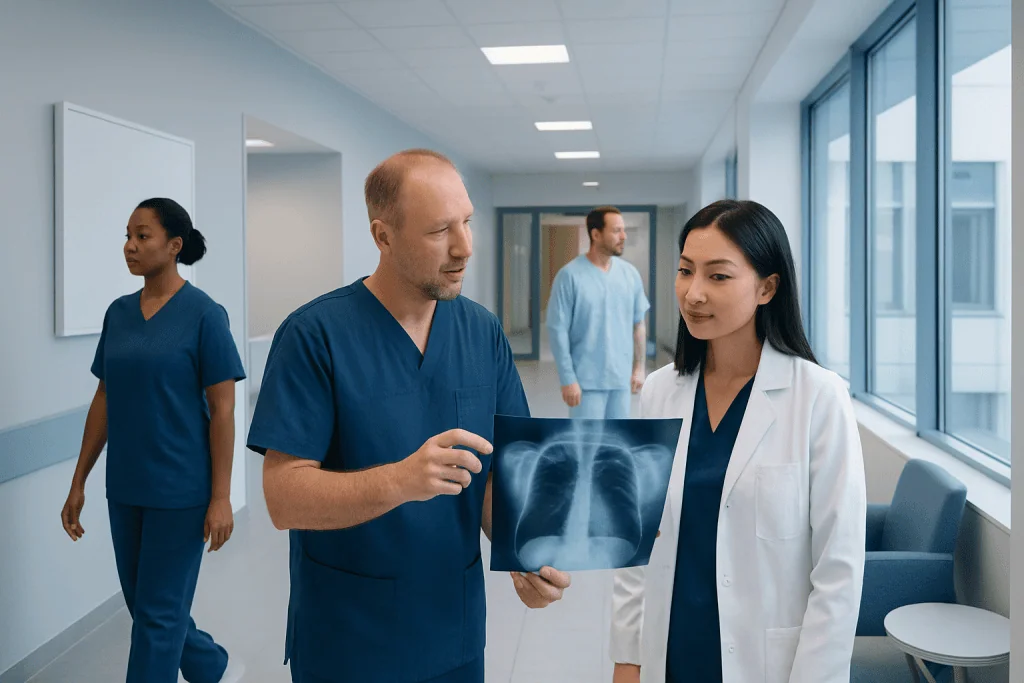
Radiation therapy uses high-energy particles or waves to damage the DNA of targeted cells, particularly cancer cells. Treatment may be delivered from outside the body, placed close to the treatment area, or occasionally given through systemic radioactive medicines.
Key Takeaways
- Radiation therapy uses high-energy particles or waves to damage the DNA of targeted cells, particularly cancer cells.
- Treatment may be delivered from outside the body, placed close to the treatment area, or occasionally given through systemic radioactive medicines.
- Planning scans and positioning devices help the care team direct treatment accurately and protect nearby healthy tissues.
- Side effects vary with the body area treated, dose, technique, and individual health; many are temporary and can be managed with supportive care.
- Radiation results often develop gradually because damaged cells may take weeks or months to stop growing and be cleared by the body.
- Patients should contact their care team promptly for severe, sudden, or worsening symptoms during or after treatment.
Radiation science explains how controlled energy, usually delivered as radiation therapy, can damage cancer cells and help treat or control some noncancerous conditions. Each plan is individualized, using imaging, treatment planning, and regular monitoring to focus radiation on the intended area as safely as possible.
Overview: what radiation science means in medical care
Radiation science is the study and medical use of radiation, including the ways energy can be measured, directed, and used safely in diagnosis and treatment. In cancer care, it most often refers to radiation therapy, also called radiotherapy: a treatment that uses precisely planned ionizing radiation to damage cells in a defined area of the body.
Cancer cells are often less able than normal cells to repair radiation-related DNA damage. Over time, damaged cancer cells may stop dividing and die. Healthy tissues can also be affected, which is why radiation treatment is carefully designed to deliver an effective dose to the target while reducing exposure to surrounding organs.
Radiation therapy may be used with curative intent, to lower the chance of cancer returning after surgery, to shrink a tumor before another treatment, or to relieve symptoms such as pain, bleeding, or pressure from advanced cancer. It is also used for selected noncancerous conditions. The purpose, expected benefit, and likely side effects depend on the diagnosis and the treatment area.
How radiation therapy works
Ionizing radiation carries enough energy to alter atoms and molecules inside cells. When it passes through tissue, it can directly damage DNA or create charged particles that cause DNA damage indirectly. Cells with significant damage may no longer reproduce successfully. Because tumors generally contain rapidly dividing cells, they can be particularly sensitive to this effect.
Radiation is commonly divided into external beam radiation therapy and internal radiation therapy. External beam treatment uses a machine outside the body to aim radiation at the target. Internal treatment may involve brachytherapy, in which a radioactive source is placed in or near a tumor, or systemic treatment, in which a radioactive medicine travels through the body to particular tissues.
Modern techniques use imaging, computerized planning, and daily position checks to shape treatment fields around the target. Depending on the diagnosis, a radiation oncologist may recommend approaches such as intensity-modulated radiation therapy, image-guided radiation therapy, stereotactic treatment, or proton therapy. The most suitable method is determined by the tumor location, size, stage, nearby organs, previous treatments, and the person’s overall health.
Who may be a candidate for radiation treatment
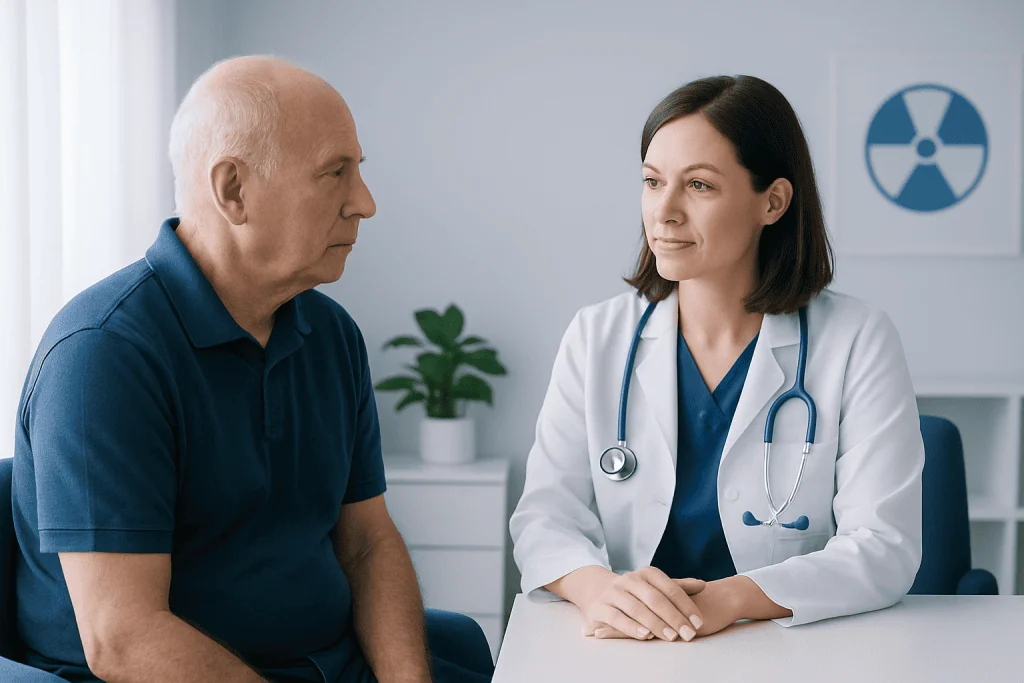
Radiation therapy is considered by a multidisciplinary cancer team rather than chosen on the basis of one test alone. The team reviews the pathology result, imaging findings, tumor stage, molecular characteristics when relevant, prior treatments, symptoms, and personal treatment goals. Radiation may be recommended alone or combined with surgery, chemotherapy, immunotherapy, hormone therapy, or targeted treatments.
People may be candidates when radiation can treat a localized cancer, reduce the risk of recurrence after surgery, make surgery more feasible, or provide symptom relief. Some tumors are particularly responsive to radiation, while others may need a combined approach. For example, treatment planning for breast, prostate, head and neck, lung, brain, gynecologic, and colorectal cancers differs substantially because the organs at risk are different.
Previous radiation to the same area, pregnancy, certain connective tissue disorders, implanted medical devices, and difficulty remaining still for treatment can influence planning. These factors do not always rule out treatment, but they require careful evaluation. Patients should tell the team about all medical conditions, prior procedures, medications, and any possibility of pregnancy before planning begins.
What happens before and during treatment
The process usually begins with a consultation with a radiation oncologist. The clinician explains why radiation is being considered, alternatives, expected benefits, possible short- and long-term effects, and the likely schedule. Patients can ask how treatment fits with work, travel, nutrition, other cancer therapies, and daily activities.
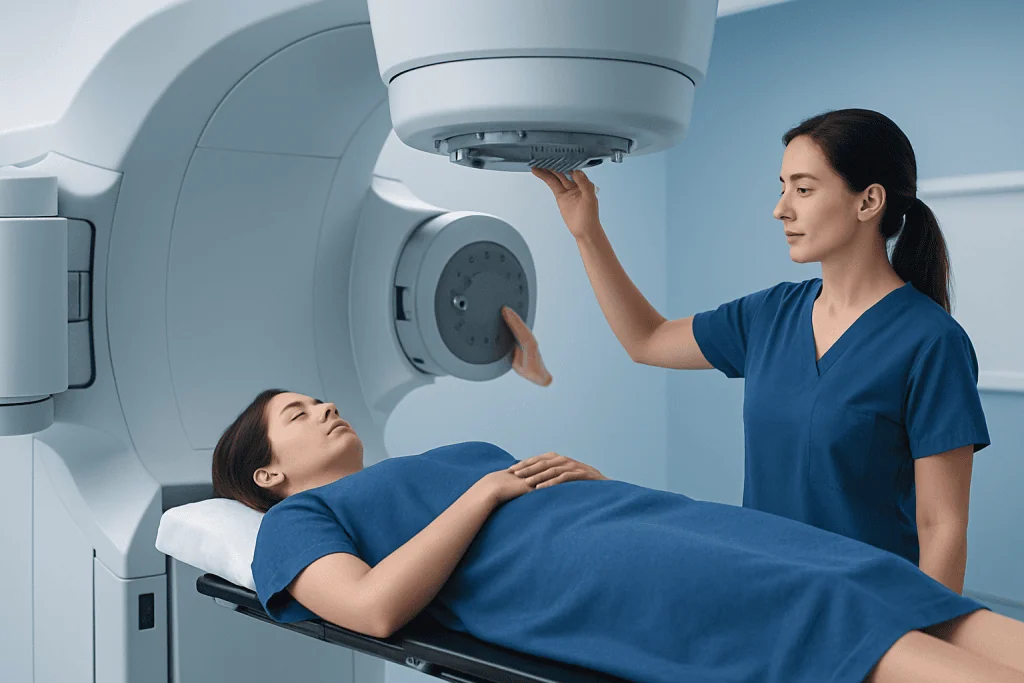
For external beam therapy, the next step is typically a planning appointment called simulation. A CT scan is often performed in the treatment position, sometimes alongside MRI or PET imaging. The team may make a small skin mark or create a personalized device, such as a mask, cushion, or body mold, to help ensure the same position is reproduced at each session.
Radiation oncologists, medical physicists, and dosimetrists then develop and verify a treatment plan. During each treatment visit, radiographers position the patient and may take images to confirm alignment. The machine moves around the treatment couch but does not usually touch the person. External beam radiation is painless, and patients do not feel the radiation being delivered.
Most external treatments are given as outpatient visits over days or several weeks, although some conditions require fewer, more focused sessions. A treatment appointment is usually brief, but accurate positioning and safety checks are important. The clinical team monitors progress throughout treatment and can adjust supportive care when symptoms arise.
Results, benefits, and recovery timeline
The timing of results depends on the condition being treated. Radiation does not usually make a tumor disappear immediately. Damaged cells often lose their ability to divide over days to weeks, and imaging changes may continue for months. Follow-up scans, examinations, blood tests, and symptom reviews are used to assess response at appropriate intervals.
A key benefit of radiation therapy is its ability to treat a defined area without an operation. It may preserve organ function, improve local control of cancer, and ease symptoms that affect comfort or daily life. In some situations, radiation is used after surgery to address microscopic cells that cannot be seen on scans; therefore, treatment success may not always be visible as a measurable tumor change.
Recovery also varies by treatment site and technique. Fatigue can develop gradually during a course of therapy and may continue for several weeks afterward. Skin changes in the treated area, if they occur, often improve over the weeks following treatment. Other effects, such as bowel, bladder, mouth, throat, or swallowing symptoms, depend on which tissues receive radiation and should be discussed before treatment starts.
Follow-up care remains important after the last session. The team monitors recovery, helps manage persistent symptoms, and watches for signs of recurrence or late effects. Healthy routines, including adequate rest, balanced nutrition, gentle activity as tolerated, and avoiding tobacco, can support overall wellbeing during recovery.
Risks and side effects: what to expect
Radiation therapy is planned to minimize risk, but it can affect nearby healthy cells. Short-term side effects are usually limited to the body area being treated. Common examples include tiredness, redness or sensitivity of the skin, hair loss within the treated field, and irritation of nearby organs. Radiation to the head and neck may affect the mouth or swallowing, while pelvic radiation may affect bowel or bladder habits.
Many early side effects can be managed with practical measures and medications recommended by the care team. Patients should use only skincare products, supplements, or over-the-counter medicines approved by their clinicians, since some products may irritate treated skin or interact with other treatments. The team can also arrange nutrition, rehabilitation, pain management, dental, fertility, or psychosocial support when needed.
Some effects can appear months or years later, depending on the radiation dose and location. These may include tissue stiffness, changes in organ function, hormonal effects, fertility concerns, lymphedema, or, rarely, a new cancer caused by radiation. The risk of late effects is considered alongside the expected benefit of treatment, and advanced planning methods are designed to reduce unnecessary exposure.
External beam radiation does not make a person radioactive. Most people can safely be around family members, including children and pregnant people, after each session. Certain internal or systemic radioactive treatments may require temporary distance or hygiene precautions; the treating team will provide clear instructions if these apply.
When to seek medical care
Patients should contact their radiation oncology team if side effects are new, severe, worsening, or interfering with eating, drinking, sleep, movement, or usual activities. It is especially important to report fever, uncontrolled pain, persistent vomiting, signs of dehydration, heavy bleeding, severe diarrhea, new confusion, worsening shortness of breath, or difficulty passing urine or stool.
Emergency medical help is appropriate for severe breathing difficulty, chest pain, sudden weakness or facial drooping, a seizure, loss of consciousness, or signs of a serious allergic reaction. These symptoms may not always be caused by radiation, but they need urgent assessment.
Regular follow-up is part of safe radiation care. Patients should keep scheduled appointments even if they feel well, because the team can identify manageable problems early and discuss recovery, surveillance, and any further treatment. Acibadem International’s multidisciplinary specialists and JCI-accredited hospitals provide assessment and treatment planning for international patients who may need coordinated cancer care.
Frequently asked questions
Is radiation therapy painful?
External beam radiation therapy is not painful during delivery. The treatment machine may make sounds and move around the treatment couch, but the patient does not feel the radiation itself. Some side effects, such as skin irritation or inflammation in the treated area, may develop later and can often be managed with the care team’s guidance.
How long does radiation therapy take?
The overall schedule depends on the diagnosis, treatment goal, technique, and area of the body being treated. Some plans involve a few sessions, while others are delivered on weekdays over several weeks. Each visit may be short, although positioning and imaging checks are necessary for accuracy.
Will a person be radioactive after radiation therapy?
People receiving standard external beam radiation are not radioactive afterward and can usually be around others normally. Some internal radiation treatments or radioactive medicines involve temporary precautions. The radiation team will explain any necessary safety steps before treatment begins.
Can radiation therapy be given with chemotherapy?
Yes, radiation may be combined with chemotherapy for some cancers. Chemotherapy can sometimes make cancer cells more sensitive to radiation, but the combination may also increase certain side effects. The oncology team considers the expected benefit, health status, and treatment goals before recommending combined therapy.
What should patients do during radiation treatment?
Patients should attend appointments as scheduled, share symptoms early, and follow the team’s advice about skin care, medicines, nutrition, and activity. Rest and gentle movement may help with fatigue when appropriate. It is also helpful to ask before taking new supplements or using products on treated skin.
Can radiation therapy cause cancer later in life?
Radiation exposure can very rarely contribute to a new cancer years after treatment. However, treatment plans are designed to limit radiation to healthy tissues, and the potential long-term risk is weighed against the expected benefit of treating the current condition. The radiation oncologist can discuss individual risk in the context of the planned treatment area and dose.
References
- National Cancer Institute
- American Society for Radiation Oncology
- International Atomic Energy Agency
- World Health Organization
- National Health Service
This article is for general information only and is not a substitute for professional medical advice. Please consult a qualified doctor about your individual situation.
Oncology care in Turkey — second opinion and treatment plan
JCI-accredited · board-certified surgeons · reply within 24h
Add us as a Preferred Source to see more of our trusted health content across Google Search, AI Overviews and Discover.

More from the Health Library


Related Specialists

Assoc. Prof. Dr. Murat Yassa
Gynecology & Obstetrics
Prof. Dr. Hülya Dede
Gynecology & Obstetrics
Prof. Dr. Necmi Aksaray
Pediatrics
Prof. Dr. Korhan Özkan
Orthopedic Surgery & Traumatology