Radiation Therapy for Hodgkin’s Lymphoma: How It Works, Results and What to Expect
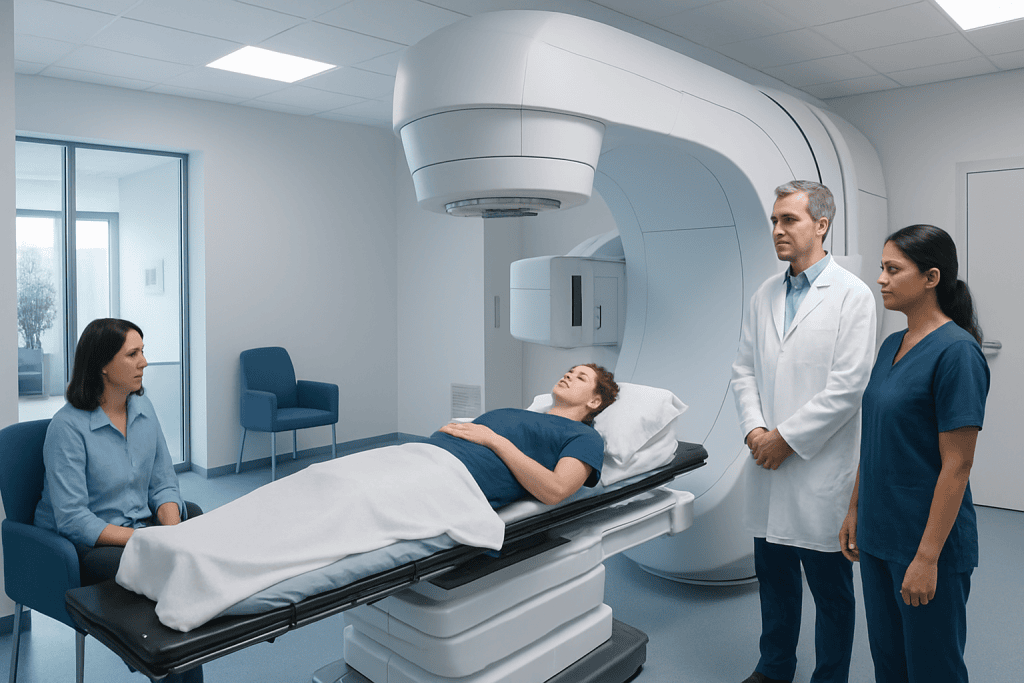
Radiation therapy is a local treatment that targets known areas of Hodgkin's lymphoma while limiting exposure to nearby healthy tissue. Many people receive radiation after chemotherapy, but the plan depends on disease stage, scan results, age, health, and the location of involved lymph nodes.
Key Takeaways
- Radiation therapy is a local treatment that targets known areas of Hodgkin's lymphoma while limiting exposure to nearby healthy tissue.
- Many people receive radiation after chemotherapy, but the plan depends on disease stage, scan results, age, health, and the location of involved lymph nodes.
- Modern techniques use detailed imaging and treatment planning to reduce dose to organs such as the heart, lungs, breasts, thyroid, and salivary glands when appropriate.
- Treatment is usually given on weekdays over several weeks, with each daily appointment typically brief and painless.
- Fatigue and skin changes are common short-term effects; longer-term risks vary by the area treated and are discussed during planning.
- Hodgkin's lymphoma is often highly treatable, and follow-up care remains important after treatment ends.
Radiation therapy for Hodgkin's lymphoma uses carefully planned high-energy radiation to destroy lymphoma cells in specific areas of the body. It is commonly used after chemotherapy for selected early-stage or localized disease, and sometimes for lymphoma that remains in one area or returns after treatment.
Overview: How Radiation Therapy for Hodgkin's Lymphoma Works
Radiation therapy for Hodgkin’s lymphoma delivers high-energy beams to areas where lymphoma cells were found. The radiation damages the DNA inside rapidly dividing cells, making it difficult for them to continue growing or survive. Although healthy cells in the treatment field can also be affected, they are generally better able to repair themselves between treatments.
This treatment is local, meaning it works in the part of the body being treated rather than throughout the bloodstream. It may be used as part of combined treatment with chemotherapy, particularly for some people with early-stage Hodgkin’s lymphoma or a remaining lymphoma mass after chemotherapy. In other situations, chemotherapy or other systemic treatments may be the main approach.
Today, radiation oncologists use imaging, computerized planning, and precise beam delivery to treat the involved lymph node regions while reducing radiation to nearby normal tissues. The exact role of radiation is individualized after review by a hematologist, medical oncologist, radiation oncologist, radiologist, and, when needed, other specialists.
Who May Be a Candidate for Radiation Treatment?
Whether radiation is recommended depends on the subtype and stage of Hodgkin’s lymphoma, the size and location of involved lymph nodes, symptoms at diagnosis, results of interim or end-of-treatment PET/CT scans, and the response to chemotherapy. It may be considered for localized early-stage disease, bulky disease, or a residual area that needs further local control.
Doctors also consider factors that affect potential long-term effects. These include a person’s age, prior treatments, pregnancy status, heart and lung health, and whether the planned field is close to organs such as the heart, breasts, lungs, thyroid, spinal cord, or reproductive organs. Radiation is not automatically needed for every person with Hodgkin’s lymphoma.
A multidisciplinary discussion helps balance the expected benefit of lowering the chance of lymphoma returning in a treated area against possible short- and long-term side effects. Patients should ask why radiation is being advised, what area will be treated, what alternatives exist, and how follow-up scans will be used to assess response.
Step by Step: What Happens During Radiation Therapy?

Before treatment begins, the patient has a planning visit called simulation. They lie in the position that will be used for treatment while a CT scan is taken. A customized support, mask, cushion, or body mold may be made to help maintain the same position each day. Small skin marks or tiny tattoo dots may be used as alignment guides.
The radiation oncology team then contours the treatment target and nearby organs on the planning scan. A medical physicist and dosimetry team help design a plan that delivers the prescribed dose accurately. In some cases, special approaches such as deep-inspiration breath hold may be used to increase the distance between the heart and chest treatment area.
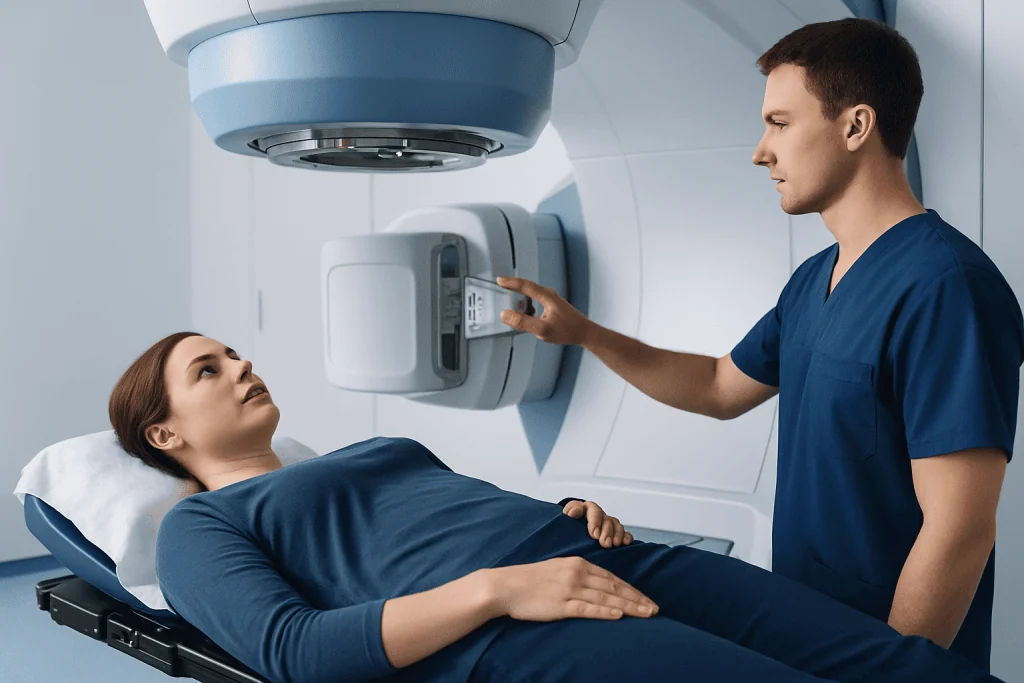
At each appointment, radiation therapists position the patient and use imaging to confirm alignment. The machine moves around the body but does not touch the patient, and radiation itself cannot be felt. Treatment delivery often takes only a few minutes, though the full visit may take longer. Most courses are given once daily, Monday through Friday, for a number of weeks determined by the treatment plan.
Radiation does not make a person radioactive. They can usually be around family members, children, and pregnant people after each session. For a fuller explanation of planning and delivery, patients may review radiation therapy.
Benefits, Results and Limits of Radiation Therapy
The main benefit of radiation therapy is strong local control: it can help eliminate lymphoma cells in a defined region after chemotherapy or treat a limited site of persistent or recurrent disease. For appropriately selected patients, it can be an important part of curative-intent treatment. It may also be used to relieve symptoms caused by a localized lymphoma mass in some circumstances.
There is no single success rate that applies to all lymphoma patients because outcomes differ between Hodgkin’s lymphoma and other lymphoma types, as well as by stage, risk features, treatment response, and the type of therapy received. In Hodgkin’s lymphoma, radiation results are usually assessed as part of the overall treatment plan rather than as a stand-alone outcome.
Imaging after treatment can show changes that take time to settle. A residual lump or scar on a scan does not always mean active lymphoma. The oncology team interprets PET/CT and other results alongside symptoms, examination findings, and the timing of the scan.
People diagnosed with Hodgkin's lymphoma benefit from discussing their individual outlook with their treating team. They can explain the goal of radiation in that specific case and what results are realistically expected.
Side Effects and Recovery Timeline
Side effects depend mainly on the body area treated, the radiation dose, and whether chemotherapy was recently given. Fatigue is common and may build gradually during treatment. Skin in the treatment field can become pink, dry, itchy, or sensitive, often beginning after the first few weeks. These effects usually improve in the weeks after treatment finishes.
Radiation to the neck may cause a sore throat, dry mouth, taste changes, or temporary swallowing discomfort. Chest treatment may cause throat irritation, cough, or swallowing symptoms. Abdominal or pelvic treatment can cause nausea, bowel changes, or bladder irritation. The care team can recommend supportive medicines, dietary adjustments, and skin care that are safe for the treated area.
The most difficult period is often toward the end of a treatment course and during the first one to two weeks afterward, when fatigue and local irritation may peak. Recovery is gradual rather than immediate. Many people feel noticeably better within several weeks, although energy can take longer to return, especially after chemotherapy.
Long-term effects are less common with modern limited-field techniques but remain important to discuss. Depending on the treated area, they can include thyroid problems, changes in heart or lung health, fertility-related concerns, or a small increased risk of a second cancer later in life. Long-term follow-up is designed to identify and manage these risks early.
What I Wish I Knew Before Radiation
Many patients find it helpful to know that radiation appointments are usually outpatient visits and the treatment itself is painless. However, planning takes time because precision matters. The first simulation appointment may be longer than daily sessions, and the team may need several days to finalize the treatment plan before the first dose is given.
It is also useful to plan for changing energy levels. Keeping a simple routine, accepting practical help, eating regular nourishing meals, drinking enough fluids, and allowing time for rest can make treatment weeks more manageable. Gentle activity, such as walking, may be appropriate for some people if their clinician agrees.
Skin in the treatment area should be treated gently. Patients should ask their radiation team before using creams, deodorants, supplements, or new skin products on or near the field. They should protect the treated skin from direct sun and avoid friction, heating pads, ice packs, and tight clothing if these worsen irritation.
Before starting, patients may wish to ask about the treatment schedule, expected effects for their specific field, work and travel plans, fertility preservation where relevant, dental care for head and neck treatment, and the follow-up plan. Clear communication with the radiation team helps symptoms be addressed early.
Can You Be Completely Cured of Hodgkin's Lymphoma?
Yes, many people with Hodgkin’s lymphoma can be cured, particularly when the disease is diagnosed at an earlier stage and responds well to first-line treatment. Even when the lymphoma returns, additional treatments may still achieve long-term remission or cure for some patients. Individual outcomes depend on disease characteristics and response to therapy.
Doctors usually use the term remission when there is no evidence of active lymphoma after treatment. With time and ongoing follow-up, a durable remission can be considered a cure in many cases. Regular appointments remain important because they allow the team to monitor recovery, manage late effects, and investigate new symptoms when necessary.
Radiation may contribute to cure when it is included in a treatment plan for the right clinical situation. It is one component of care rather than a guarantee, and the oncology team can provide the most meaningful prognosis based on the patient’s staging results and treatment response.
What Is the Success Rate of Radiation Therapy for Lymphoma?
A single percentage cannot accurately describe the success rate of radiation therapy for lymphoma. Lymphoma includes many diseases, and radiation may be used with different goals: as part of curative treatment, to improve local control after systemic therapy, or to ease symptoms from a particular affected area.
For Hodgkin’s lymphoma, radiation is often combined with chemotherapy in selected patients. Its effectiveness is measured within the overall treatment strategy, including PET/CT response and the chance of controlling disease in the original involved area. A radiation oncologist can explain how much benefit is expected for an individual’s stage and treatment response.
Patients should be cautious about comparing their situation with broad survival figures found online. Those figures may include people treated in different eras, with different stages and lymphoma subtypes, and with treatment plans that are not comparable to their own.
When to Seek Medical Care
During radiation treatment, patients should contact their oncology team promptly for symptoms that are severe, sudden, or difficult to manage. Examples include a fever, trouble breathing, chest pain, inability to swallow fluids, persistent vomiting, signs of dehydration, rapidly worsening skin reactions, uncontrolled pain, or unusual bleeding. The team can advise whether same-day assessment is needed.
After treatment, medical review is important for new or persistent symptoms such as unexplained fevers, drenching night sweats, unintentional weight loss, enlarging lymph nodes, ongoing cough, worsening shortness of breath, or marked fatigue that does not improve. These symptoms often have causes other than lymphoma, but they deserve clinical assessment.
Acibadem International’s multidisciplinary specialists and JCI-accredited hospitals diagnose and treat Hodgkin’s lymphoma for international patients, with coordinated input from hematology, medical oncology, radiation oncology, imaging, and supportive-care teams.
Frequently asked questions
How long does radiation therapy for Hodgkin's lymphoma take?
The schedule varies according to the treatment goal, stage, prior chemotherapy, and the planned radiation dose. Treatment is commonly delivered on weekdays over several weeks, while each daily session is usually short. The planning process before the first session can take longer than a routine treatment visit.
Are patients radioactive after lymphoma radiation therapy?
No. External beam radiation therapy does not leave radiation in the body. Patients can generally spend time with family, children, and pregnant people after treatment unless their care team gives separate instructions for another reason.
What are the hardest days after radiation treatment?
For many people, side effects are most noticeable near the end of treatment and during the first one to two weeks after the final session. Fatigue, skin irritation, and symptoms related to the body area treated may temporarily intensify before improving. The care team should be contacted if symptoms are severe or interfere with drinking, eating, breathing, or daily function.
Will radiation therapy make Hodgkin's lymphoma come back?
Radiation therapy is intended to reduce or eliminate lymphoma cells in treated areas and may lower the chance of local recurrence in selected cases. It cannot eliminate every risk of recurrence elsewhere in the body, which is why it is often combined with systemic treatment and followed by regular monitoring. The expected benefit depends on the individual's disease and treatment response.
Can radiation therapy affect fertility?
Fertility effects depend on whether reproductive organs are in or near the treatment field and whether chemotherapy has also been used. Modern planning aims to limit exposure whenever possible. People who may want children in the future should discuss fertility preservation and reproductive health before treatment starts.
Can a person work during radiation therapy for Hodgkin's lymphoma?
Some people continue working, especially with flexible hours, while others need time away because of fatigue, travel, appointments, or treatment-related symptoms. Energy levels can change over the course of treatment. Discussing work demands with the care team can help patients plan appropriate adjustments.
References
- National Cancer Institute
- American Cancer Society
- European Society for Medical Oncology
- International Lymphoma Study Group
- American Society for Radiation Oncology
This article is for general information only and is not a substitute for professional medical advice. Please consult a qualified doctor about your individual situation.
Radiation Therapy in Turkey — costs, top hospitals & a free quote
JCI-accredited · board-certified surgeons · reply within 24h
Add us as a Preferred Source to see more of our trusted health content across Google Search, AI Overviews and Discover.

Radiation Oncology
Precision radiotherapy and radiosurgery using advanced linear accelerators and image-guided techniques.
26 specialists in this unitMore from the Health Library



Related Specialists

Dr. Muzaffer Ağır
Orthopedic Surgery & Traumatology
Dr. Ahmet Doğan
Emergency Service
Fzt. İrem Derici Akgüç
Physical Medicine & Rehabilitation
Psk. Gözde Genç İşleyen
Psychology