Can You Take Benadryl Before Colonoscopy: Preparation, Procedure and Results

Do not take Benadryl before a colonoscopy without direct approval from the endoscopy team. Benadryl can increase drowsiness and may add to the effects of anesthesia or sedation medicines.
Key Takeaways
- Do not take Benadryl before a colonoscopy without direct approval from the endoscopy team.
- Benadryl can increase drowsiness and may add to the effects of anesthesia or sedation medicines.
- A clear-liquid diet and bowel-cleansing medicine are central to a successful colonoscopy preparation.
- Patients should ask about prescription medicines, diabetes medicines, blood thinners, and over-the-counter products well before the procedure.
- After sedation, a responsible adult is usually needed to accompany the patient home and stay available for the rest of the day.
Benadryl (diphenhydramine) should not be taken before a colonoscopy unless the prescribing clinician or endoscopy team has specifically said it is safe. Because it can cause drowsiness and interact with sedatives, patients should report all medicines, supplements, and recent doses during pre-procedure planning.
Can You Take Benadryl Before Colonoscopy?
Whether a person can take Benadryl before a colonoscopy depends on why they use it, the planned sedation or anesthesia, their medical history, and the instructions from the endoscopy team. In general, it is best not to take Benadryl, also called diphenhydramine, on the day before or day of the procedure unless a clinician has specifically advised it.
Benadryl is an antihistamine that can cause sleepiness, dizziness, dry mouth, blurred vision, and confusion in some people. These effects may be stronger when it is combined with sedatives, pain medicines, or anesthesia used during colonoscopy. The team needs to know about any dose taken, including products used for allergies, sleep, cold symptoms, motion sickness, or itching.
If Benadryl is needed for a severe allergic reaction or another urgent reason, the patient should seek appropriate medical care rather than simply skipping treatment. For non-urgent symptoms such as mild seasonal allergies, the safest approach is to call the endoscopy unit or the clinician who prescribed the colonoscopy and follow their individualized guidance.
Why Medication Instructions Matter Before Colonoscopy
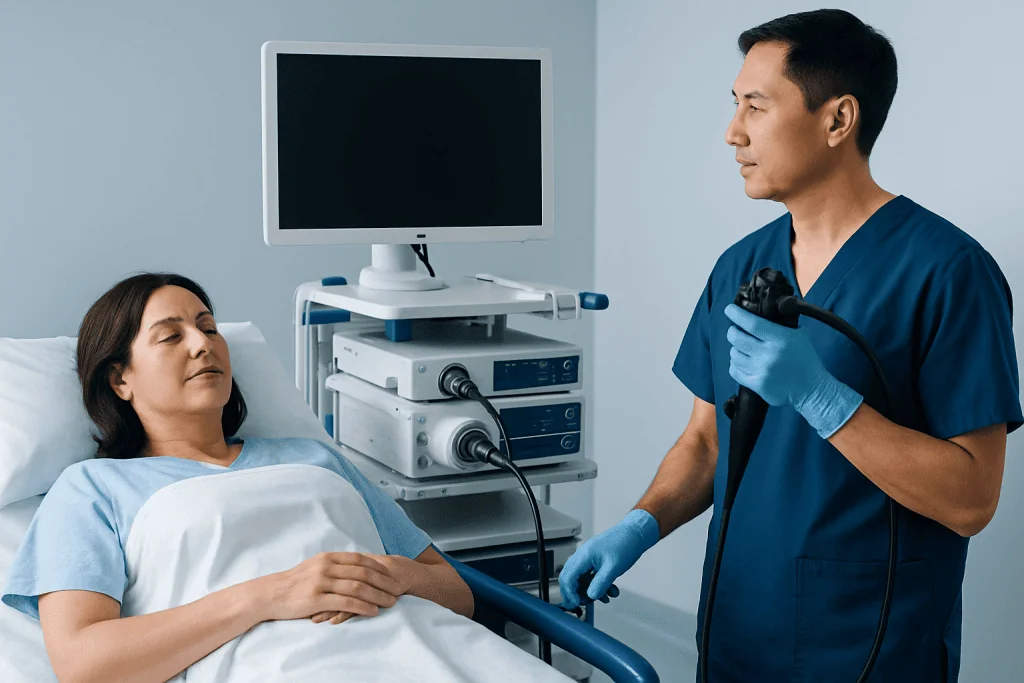
A colonoscopy is a procedure that allows a gastroenterologist to examine the lining of the rectum and colon using a thin, flexible instrument with a camera. It may be recommended for colorectal cancer screening, investigation of symptoms such as rectal bleeding or changes in bowel habits, monitoring of certain bowel conditions, or removal of polyps.
For the examination to be accurate, the bowel must be as clean as possible. Medication instructions also help clinicians reduce risks related to dehydration, blood sugar changes, bleeding, blood pressure, and sedation. Even familiar non-prescription medicines can be important because some affect alertness, heart rhythm, bleeding risk, or the ability to complete bowel preparation comfortably.
Benadryl is sometimes used in medical settings as part of individualized sedation plans, but that decision is made by trained clinicians who consider the patient’s health and other medicines. Patients should not add it independently to help with sleep, anxiety, allergies, or nausea before a colonoscopy.
Who May Need Extra Preparation Planning

Most adults can have a colonoscopy safely when they receive clear preparation and medication guidance. However, additional planning may be needed for people with sleep apnea, chronic lung disease, heart disease, kidney disease, liver disease, diabetes, glaucoma, prostate or urinary problems, or a history of difficult reactions to sedation.
Older adults can be more sensitive to Benadryl’s anticholinergic effects, which may include confusion, urinary retention, constipation, or unsteadiness. People who take medicines that cause drowsiness, such as opioid pain medicines, anti-anxiety medicines, sleeping tablets, certain antidepressants, or some anti-nausea medicines, should be especially careful about combining them with diphenhydramine.
People taking blood thinners or antiplatelet medicines should never stop these drugs on their own before colonoscopy. The gastroenterology team and, when needed, the clinician managing the blood thinner will provide a plan based on the reason for the medication and the likelihood that a biopsy or polyp removal may be needed. Those being evaluated for symptoms such as ongoing bleeding or bowel changes may also benefit from reading about colorectal cancer as part of informed assessment, although these symptoms often have non-cancer causes.
How to Prepare: A Step-by-Step Overview
Preparation instructions vary by clinic and by the type of bowel-cleansing product prescribed, so the written instructions from the endoscopy team should always take priority. Planning usually begins several days before the test, when the patient reviews all prescription medicines, over-the-counter products, vitamins, herbal remedies, and allergies with the care team.
In the days before the procedure, the patient may be asked to adjust high-fiber foods, iron supplements, or other products that can interfere with bowel cleansing or visibility. On the day before colonoscopy, most people follow a clear-liquid diet and take the prescribed bowel preparation solution according to a timed schedule. Adequate clear-fluid intake is important unless a clinician has given fluid restrictions.
The evening before and morning of the procedure, the patient should take only medications specifically listed as safe in the instructions, often with small sips of water. They should not assume that Benadryl is permitted. Calling ahead is preferable to taking an unapproved medicine and discovering it may affect sedation plans or require a delay.
- Confirm the time to stop solid foods and clear liquids.
- Follow the bowel-preparation schedule exactly, including any split-dose instructions.
- Arrange a responsible adult to take the patient home if sedation is planned.
- Bring an updated medication and allergy list to the appointment.
What Happens During the Procedure
At the clinic or hospital, staff review the patient’s medical history, preparation results, medicines, allergies, and escort arrangements. The clinician may check blood pressure, pulse, oxygen level, and other relevant information. The patient should mention any Benadryl taken recently, even if the dose was small or was part of a combination cold or sleep medicine.
Most colonoscopies are performed with sedation, although the exact approach differs among facilities and individuals. During the procedure, the patient lies on their side while the colonoscope is gently passed through the rectum and around the colon. Air or carbon dioxide may be introduced to open the bowel slightly for a clearer view; this can cause temporary pressure or bloating.
If the clinician sees a polyp, they may remove it during the same procedure. Small tissue samples, called biopsies, may also be collected for laboratory assessment. Colonoscopy is both a diagnostic and preventive procedure because removing certain polyps can help reduce the future risk of colorectal cancer. Patients can learn more about colonoscopy evaluation and treatment planning when discussing their procedure with a gastroenterology team.
Recovery, Results, Benefits and Possible Risks
After colonoscopy, the patient is monitored until the effects of sedation have worn off sufficiently. Mild bloating, gas, or cramping can occur for a short time and often improves as air passes from the bowel. Sedation can affect judgment, coordination, and memory for the rest of the day, so driving, operating machinery, drinking alcohol, signing important documents, and making major decisions should be avoided until the next day or as advised.
The doctor may be able to discuss initial visual findings before the patient leaves. If polyps were removed or biopsies were taken, final results may take several days because a laboratory must examine the tissue. The care team will explain when and how results will be communicated, as well as any follow-up screening interval or treatment recommendation.
Colonoscopy can identify inflammation, bleeding sources, polyps, and cancerous or precancerous changes. Serious complications are uncommon but can include bleeding after polyp removal, a tear in the bowel wall, reaction to sedation, or infection. The risk may vary according to the patient’s health, the findings, and whether an intervention is performed. The team balances these considerations against the important diagnostic and preventive benefits of the test.
When to Seek Medical Care
Before the colonoscopy, patients should contact the endoscopy team promptly if they are unsure whether to take Benadryl or another medicine, cannot complete the bowel preparation, vomit repeatedly, develop a fever, or have symptoms of an acute illness. They should also report new chest pain, shortness of breath, fainting, or a significant allergic reaction, as these may require urgent evaluation rather than routine procedure planning.
After colonoscopy, mild gas discomfort is expected for many people. However, urgent medical assessment is important for severe or worsening abdominal pain, persistent vomiting, fever, fainting, difficulty breathing, black stools, or more than a small amount of rectal bleeding. A small amount of blood can occur after a biopsy or polyp removal, but the patient should follow the specific advice given at discharge and contact the care team if concerned.
For international patients, Acibadem International’s multidisciplinary specialists and JCI-accredited hospitals can support diagnostic planning and treatment for digestive concerns, including coordinated colonoscopy care. A qualified clinician can provide the most appropriate medication and preparation instructions for the individual patient.
Frequently asked questions
Can Benadryl affect colonoscopy sedation?
Yes. Benadryl can cause drowsiness and may add to the sedating effects of medicines used during colonoscopy. The endoscopy team should know if it has been taken recently so they can make safe decisions about the sedation plan.
Can Benadryl be taken during colonoscopy bowel preparation?
It should only be taken if the endoscopy team has approved it. Although Benadryl does not usually interfere directly with bowel cleansing, its side effects and possible interaction with sedation can be relevant. Patients should ask before taking any dose.
What should a patient do if they accidentally took Benadryl before colonoscopy?
They should call the endoscopy center as soon as possible and report the product name, dose, and time it was taken. The team can advise whether the procedure can proceed, whether the sedation plan needs adjustment, or whether rescheduling is safer.
Can a person take allergy medicine before a colonoscopy?
Some allergy medicines may be acceptable, but the answer depends on the specific product and the patient’s health history. Non-drowsy antihistamines may be handled differently from Benadryl, but patients should still obtain instructions from their procedure team.
Why is a responsible adult needed after colonoscopy?
Sedation can impair alertness, coordination, memory, and decision-making for hours after the procedure, even when a person feels well. A responsible adult can provide transport home and help monitor the patient as the sedation wears off.
When are colonoscopy results available?
The doctor may share preliminary findings shortly after the procedure. If biopsies or polyps are sent to a laboratory, final results generally take longer. The care team will explain the expected timeframe and any next steps.
References
- American Society for Gastrointestinal Endoscopy
- American College of Gastroenterology
- National Institute of Diabetes and Digestive and Kidney Diseases
- U.S. Food and Drug Administration
- National Cancer Institute
This article is for general information only and is not a substitute for professional medical advice. Please consult a qualified doctor about your individual situation.
Persistent digestive symptoms? Get evaluated in Turkey
JCI-accredited · board-certified surgeons · reply within 24h
Add us as a Preferred Source to see more of our trusted health content across Google Search, AI Overviews and Discover.
Check your numbers in seconds
BMI, calories, due date, blood pressure and 30+ more clinical calculators — free, instant, doctor-reviewed ranges.