Radiation Therapy for Leukemia: How It Works, Results and What to Expect
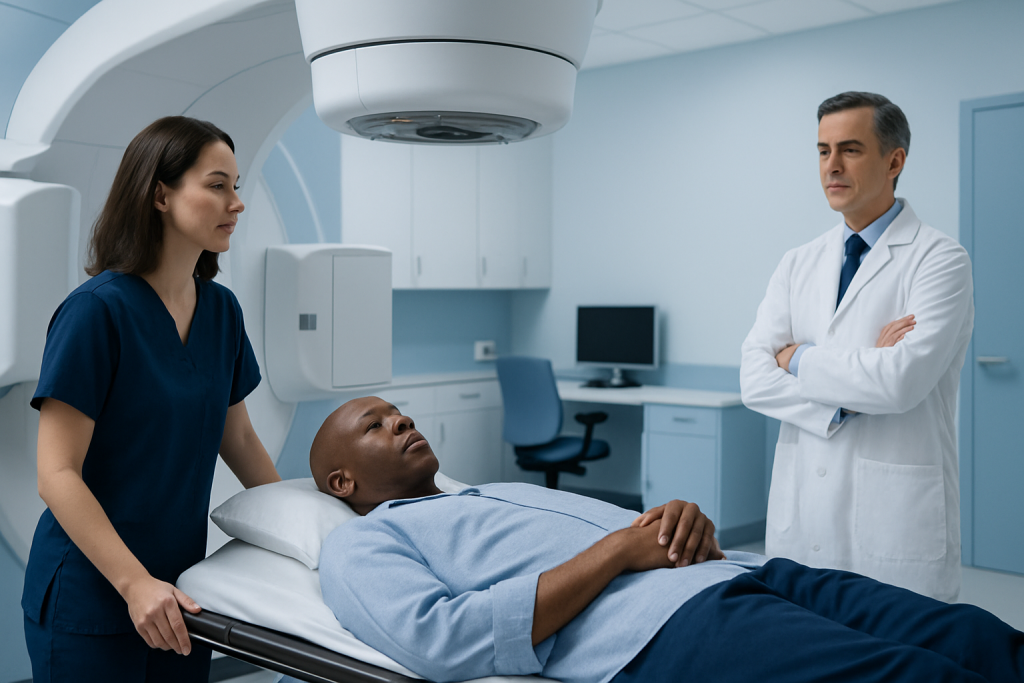
Radiation is used selectively in leukemia, rather than as the main treatment for most people. It may target leukemia outside the bone marrow, relieve pressure-related symptoms, or be part of transplant conditioning.
Key Takeaways
- Radiation is used selectively in leukemia, rather than as the main treatment for most people.
- It may target leukemia outside the bone marrow, relieve pressure-related symptoms, or be part of transplant conditioning.
- Planning scans and careful positioning help the team deliver radiation accurately while limiting exposure to nearby healthy tissue.
- Side effects depend mainly on the treated area, dose, and whether chemotherapy or transplant treatment is also planned.
- Leukemia outlook varies widely by leukemia type, genetic features, age, overall health, and response to treatment.
Radiation therapy for leukemia uses high-energy radiation to destroy leukemia cells in a specific area or throughout the body before certain stem cell transplants. It is not a routine treatment for most leukemias, but it can be valuable for particular complications, disease locations, and treatment plans.
Overview: How radiation therapy for leukemia works
Radiation therapy for leukemia uses high-energy beams, usually X-rays, to damage the DNA of leukemia cells so they cannot continue dividing. It may be delivered to one defined area of the body, called external-beam radiation therapy, or as total body irradiation, which exposes the whole body to controlled radiation before some stem cell transplants.
Unlike many solid tumors, leukemia usually starts in the bone marrow and circulates in the blood. For this reason, systemic treatments such as chemotherapy, targeted therapy, immunotherapy, and stem cell transplantation are more commonly central to care. Radiation therapy for leukemia is generally used for a specific purpose: treating a localized collection of leukemia cells, easing symptoms caused by enlarged organs or tissue, treating involvement in certain body sites, or preparing the body for transplant.
The radiation oncology team works closely with hematologists, medical oncologists, transplant specialists, imaging teams, and supportive-care clinicians. The recommended approach depends on the leukemia subtype, where disease is present, previous treatments, and the person’s overall treatment goals.
Do you treat leukemia with radiation?
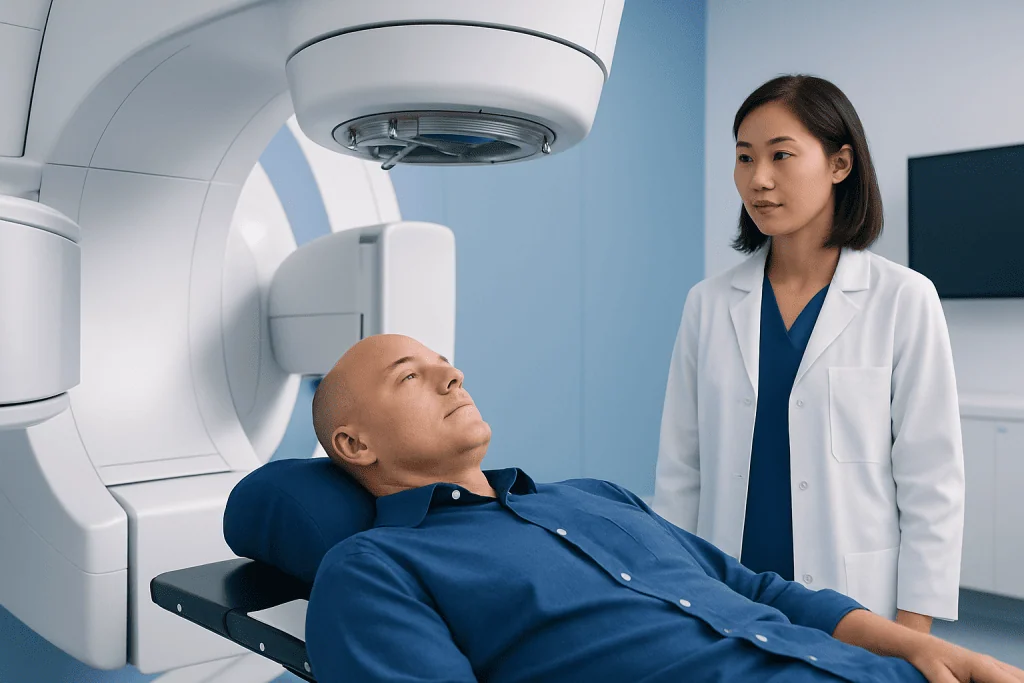
Yes, leukemia can be treated with radiation, but radiation is not the standard primary treatment for most cases. Because leukemia cells are often present throughout the blood and bone marrow, treatments that circulate through the body are usually better able to address the disease broadly.
Radiation may be recommended when leukemia has formed a localized mass outside the marrow, sometimes called a chloroma or myeloid sarcoma. It may also help control leukemia affecting areas such as the brain, spinal region, testes, skin, lymph nodes, or other tissues when local treatment is needed. In selected situations, it can relieve symptoms from an enlarged spleen or from tissue that is pressing on nearby structures.
Total body irradiation may be used as part of conditioning before an allogeneic stem cell transplant. Conditioning aims to reduce remaining leukemia cells and suppress the immune system enough to allow donor stem cells to engraft. The transplant team carefully considers whether total body irradiation, chemotherapy-based conditioning, or a combination is most appropriate.
Who may be a candidate for radiation therapy?
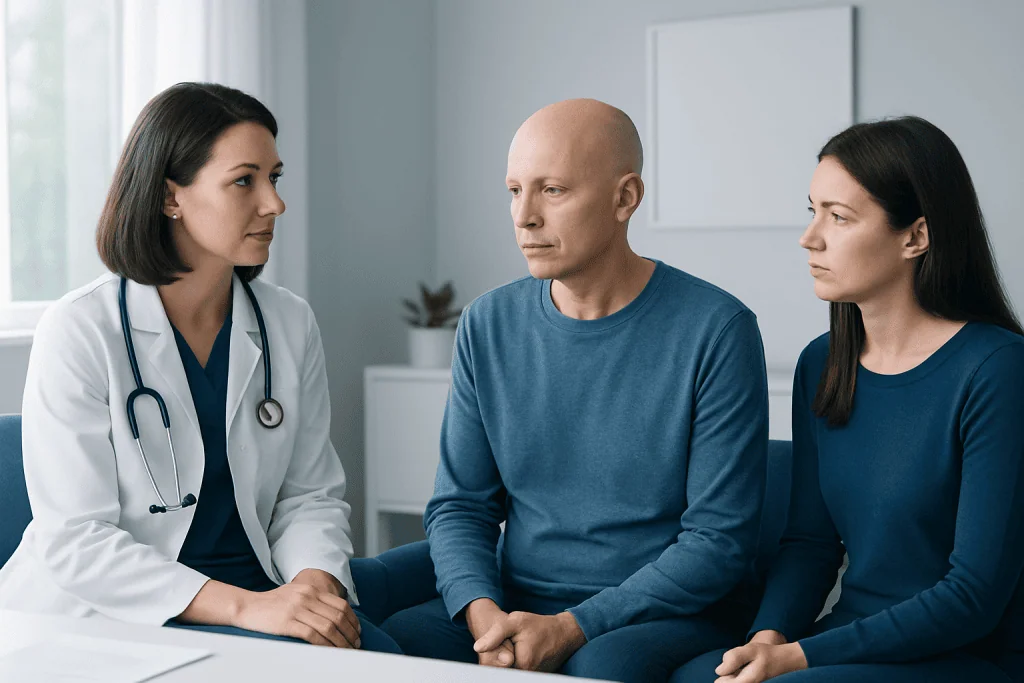
Candidacy is individualized. A clinician may consider radiation when imaging, physical examination, laboratory results, and sometimes biopsy findings show a localized area of leukemia involvement that could benefit from focused treatment. The aim may be disease control in that area, symptom relief, or preparation for another treatment such as transplantation.
The team reviews the leukemia type, including acute lymphoblastic leukemia, acute myeloid leukemia, chronic lymphocytic leukemia, or chronic myeloid leukemia. They also consider molecular and chromosome findings, disease response to earlier therapy, prior radiation exposure, current blood counts, infection risk, organ function, and whether pregnancy is possible.
For transplant conditioning, suitability also depends on the donor and transplant plan, age, general fitness, lung and heart health, and the intensity of conditioning that can be safely tolerated. Some people may be better suited to non-radiation conditioning regimens. A discussion with both a hematology and radiation oncology team helps clarify the potential role of radiation.
What happens during radiation treatment?
Radiation treatment begins with a planning appointment, often called simulation. The patient lies in the treatment position while the team uses a CT scan, and sometimes MRI or PET images, to map the area requiring treatment. Small skin marks or temporary positioning aids may be used to help reproduce the same position at each session.
A radiation oncologist and medical physics team design a plan that delivers treatment to the intended target while reducing dose to nearby healthy organs. The plan may involve a short course of daily weekday sessions for localized treatment, although the exact schedule varies. Total body irradiation follows a specialized protocol and is coordinated closely with the transplant timetable.
During each external-beam session, the patient is positioned on the treatment table and the machine moves around them without touching them. Treatment itself is painless and typically lasts only a few minutes, though setup takes longer. The patient is alone in the room but can communicate with staff through cameras and an intercom.
- Radiation does not make a person radioactive after external-beam treatment.
- Appointments should not be skipped without discussing this with the care team.
- Other leukemia treatments may continue before, during, or after radiation according to the overall treatment plan.
How long does it take radiation to start killing cancer?
Radiation begins damaging targeted leukemia cells during treatment, but cells do not disappear immediately. The biological effects continue after each session because damaged cells may stop dividing and die over days to weeks. The timing of improvement depends on why radiation is being given, the size and location of the affected area, and whether other treatments are being used at the same time.
When radiation is used to relieve symptoms from pressure, swelling, or a localized mass, some people notice improvement during treatment or within several weeks afterward. Others need more time. Follow-up examinations, blood tests, and imaging are used when appropriate to assess response; symptoms alone do not always show the full effect of treatment.
In transplant conditioning, radiation is not expected to produce an immediate visible change in a localized mass. Instead, it contributes to the conditioning process before donor stem cells are infused. The transplant team monitors blood counts, engraftment, infections, and other recovery markers closely afterward.
Benefits, risks, and recovery timeline
The potential benefit of radiation therapy for leukemia is focused disease control or symptom relief in a particular area. It can also be an important component of some transplant regimens. Whether its expected benefit outweighs its risks depends on the clinical situation and on effective alternatives that may be available.
Short-term side effects vary with the treatment site. Common effects can include tiredness, skin redness or irritation in the treated area, nausea, reduced appetite, loose stools, sore mouth or throat, hair loss in the treated field, or temporary worsening of local symptoms from inflammation. Radiation to the brain may cause fatigue, headache, or scalp hair loss; treatment near the abdomen or pelvis may affect digestion. The team can recommend supportive measures and medicines when needed.
Recovery after a short, localized course often begins within a few weeks, although fatigue can last longer. Total body irradiation is followed by intensive transplant care, and recovery is shaped primarily by the transplant process, low blood counts, infection prevention, and possible transplant-related complications. Long-term risks can include effects on fertility, hormone function, cataracts, heart or lung health, growth in children, and a small risk of later cancers, depending on the radiation field and dose.
Patients should tell their team about new or worsening symptoms promptly. Good nutrition, adequate fluids when permitted, gentle activity as tolerated, skin-care advice from the radiation team, and keeping scheduled blood tests can support recovery. Individual instructions are especially important for people receiving a transplant or chemotherapy.
What I wish I knew before radiation
Before radiation, it can help to know that treatment planning is highly personalized and may take more time than the daily treatment itself. Questions about the purpose of radiation, the expected benefit, alternatives, likely side effects, fertility preservation, work or travel, and how radiation fits with chemotherapy or transplant care can make the process easier to understand.
It is also useful to arrange practical support. Fatigue may build gradually, so some people benefit from help with transport, meals, childcare, or daily tasks. The care team should know about all medicines, supplements, allergies, implanted devices, prior radiation, and any possibility of pregnancy before planning begins.
People receiving treatment should not use creams, herbal products, or supplements on the treated area without checking with their clinicians. There is no need to avoid family members after standard external-beam radiation because the person does not retain radiation in their body. Emotional support, including counseling or patient-support services, can be an important part of care as well.
What is the life expectancy for leukemia patients with treatment?
Life expectancy for leukemia patients with treatment cannot be described by one number. Leukemia includes several distinct diseases with very different patterns, treatments, and outcomes. Prognosis may be influenced by the leukemia subtype, genetic and molecular findings, age, general health, blood counts at diagnosis, response to initial treatment, whether the leukemia returns, and access to suitable treatments such as transplantation when indicated.
Some leukemias can often be controlled for many years, while others require urgent intensive treatment and may have a greater risk of relapse. Advances in targeted therapies, immunotherapies, supportive care, and transplantation have improved outcomes for many people. The treating hematology team is best placed to explain what the available evidence means for an individual situation.
For international patients, Acibadem International’s multidisciplinary specialists and JCI-accredited hospitals can assess leukemia treatment plans, including the selective use of radiation therapy and transplant-related care. A second opinion can be helpful when treatment options, disease features, or transplant decisions are complex.
When to seek medical care
Anyone being treated for leukemia should contact their care team urgently for a fever, chills, new shortness of breath, chest pain, uncontrolled vomiting, severe diarrhea, confusion, unusual bleeding, rapidly spreading rash, or a sudden worsening of pain. These symptoms may be related to infection, low blood counts, treatment side effects, or another condition that needs prompt assessment.
During or after radiation, patients should also report severe skin reactions, difficulty swallowing, persistent dehydration, new weakness or numbness, severe headache, vision changes, or symptoms that interfere with eating, drinking, or taking prescribed medicines. The team can advise whether same-day review, emergency assessment, or routine follow-up is appropriate.
Regular follow-up remains important even when a person feels well. Follow-up may include examinations, blood tests, imaging when needed, review of treatment effects, vaccination planning, fertility and endocrine support, and surveillance for late effects after transplant or radiation.
Frequently asked questions
Is radiation therapy commonly used for leukemia?
Radiation therapy is used less often for leukemia than systemic treatments because leukemia commonly affects the blood and bone marrow throughout the body. It may be used for localized disease, symptom relief, involvement of particular organs or tissues, or as part of conditioning before selected stem cell transplants.
Is radiation therapy painful?
External-beam radiation treatment is painless while it is being delivered. The person must remain still during setup and treatment, but the machine does not touch them. Side effects, if they occur, usually develop gradually over the course of treatment or shortly afterward.
Will I be radioactive after leukemia radiation treatment?
No. Standard external-beam radiation does not leave radiation in the body, so a patient is not radioactive after a session. They can generally be around family, friends, and children as usual unless their wider leukemia or transplant care plan includes separate precautions.
Can radiation therapy cure leukemia?
Radiation alone is usually not considered a cure for leukemia because the disease often involves blood and bone marrow throughout the body. In specific situations, radiation can provide important local control or contribute to a potentially curative transplant treatment plan alongside other therapies.
What side effects should be reported immediately?
Fever, chills, breathing difficulty, unusual bleeding, severe vomiting or diarrhea, confusion, and inability to drink fluids should be reported urgently, particularly during chemotherapy or transplant care. Patients should also contact their team for severe pain, rapidly worsening skin changes, or new neurological symptoms.
Can radiation affect fertility?
Radiation may affect fertility when reproductive organs are within or near the treatment field, and total body irradiation can also affect ovarian or testicular function. Fertility preservation options may be available before treatment, so this should be discussed with the care team as early as possible.
References
- National Cancer Institute
- American Cancer Society
- Leukemia & Lymphoma Society
- American Society of Hematology
- European Society for Blood and Marrow Transplantation
This article is for general information only and is not a substitute for professional medical advice. Please consult a qualified doctor about your individual situation.
Radiation Therapy in Turkey — costs, top hospitals & a free quote
JCI-accredited · board-certified surgeons · reply within 24h
Add us as a Preferred Source to see more of our trusted health content across Google Search, AI Overviews and Discover.

Radiation Oncology
Precision radiotherapy and radiosurgery using advanced linear accelerators and image-guided techniques.
26 specialists in this unit