Radiation Therapy: Planning, Treatment Sessions, and Side Effects
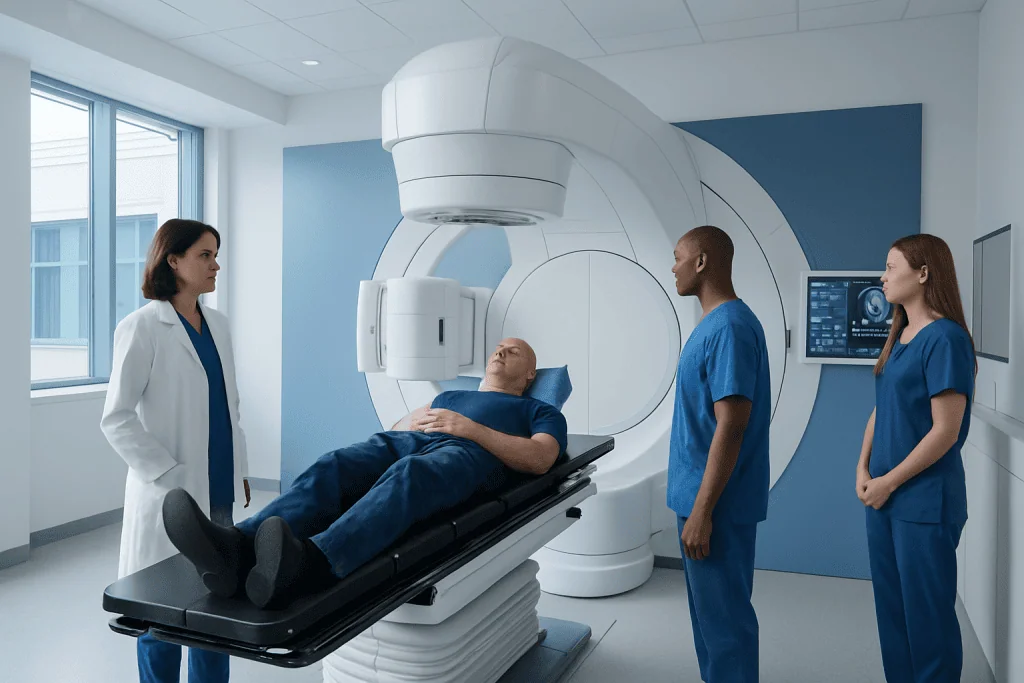
Radiation therapy is customized for each patient based on cancer type, location, stage, and overall health. Treatment planning often includes imaging, body positioning, and a detailed dose plan created by a multidisciplinary team.
Key Takeaways
- Radiation therapy is customized for each patient based on cancer type, location, stage, and overall health.
- Treatment planning often includes imaging, body positioning, and a detailed dose plan created by a multidisciplinary team.
- External beam radiation sessions are usually painless and brief, although the full visit may take longer due to positioning and safety checks.
- Side effects depend on the treated area and may include fatigue, skin changes, and local symptoms such as swallowing, bowel, or urinary changes.
- Patients should report new or worsening symptoms early so the care team can adjust supportive care and help treatment continue safely.
Radiation therapy is a carefully planned cancer treatment that uses targeted radiation to destroy cancer cells while protecting healthy tissue as much as possible. Understanding the planning process, daily sessions, and possible side effects can help patients feel more prepared and confident.
Overview
Radiation therapy, also called radiotherapy, is a common cancer treatment that uses high-energy rays or particles to damage the DNA of cancer cells. When cancer cells are damaged in this way, they can no longer divide and grow effectively. Over time, the body clears away the treated cells. Radiation can be used alone or together with surgery, chemotherapy, immunotherapy, targeted therapy, or hormone therapy.
The main goal is to deliver an effective dose to the tumor or treatment area while limiting radiation exposure to nearby healthy tissues. This is why planning is a central part of radiation therapy. Modern techniques use detailed imaging, computer-based dose calculations, and quality checks to make treatment as precise and safe as possible.
Radiation therapy may be recommended to cure cancer, reduce the chance of recurrence after surgery, shrink a tumor before surgery, or relieve symptoms such as pain, bleeding, or pressure. The recommended approach depends on the cancer diagnosis, stage, tumor location, previous treatments, and the patient’s general health and preferences.
Types of Radiation Therapy
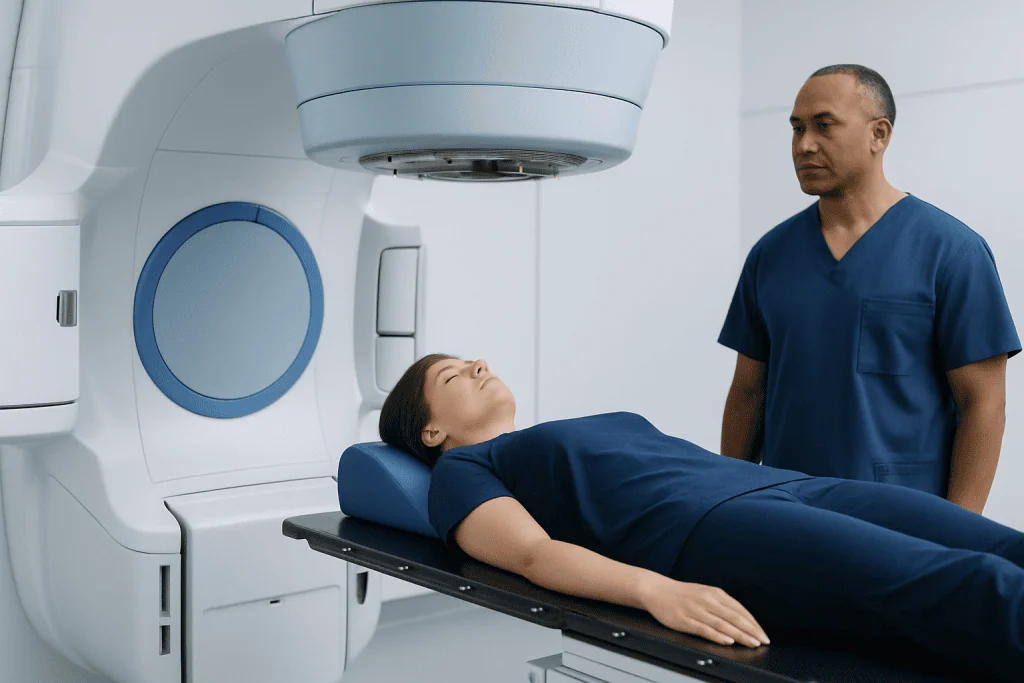
The most common form is external beam radiation therapy. A machine called a linear accelerator directs radiation beams from outside the body toward the treatment area. The patient does not feel or see the radiation during the session, and the body does not become radioactive after standard external beam treatment.
Several external beam techniques may be used depending on the clinical need. Three-dimensional conformal radiation therapy shapes beams to match the tumor area. Intensity-modulated radiation therapy and volumetric modulated arc therapy can vary beam intensity to better protect nearby organs. Stereotactic radiosurgery or stereotactic body radiation therapy delivers highly focused radiation in fewer sessions for selected tumors.
Another form is internal radiation therapy, also known as brachytherapy. In this approach, a radiation source is placed inside or very close to the tumor area, often for certain gynecologic, prostate, breast, or skin cancers. Some patients may receive systemic radiation therapy, in which a radioactive medicine travels through the bloodstream to target specific cancer cells. The care team explains any temporary safety precautions if a treatment can leave radiation in the body for a short time.
Radiation Treatment Planning

Radiation treatment planning begins with a consultation with a radiation oncologist. The doctor reviews the diagnosis, imaging studies, pathology results, previous treatments, medications, and any medical conditions that may affect treatment. This visit is also a time for patients to ask questions about goals, expected benefits, possible side effects, and practical details such as the number of sessions.
Most patients then have a simulation appointment. During simulation, imaging such as CT is performed in the exact position that will be used for treatment. Special positioning devices may be made to help the patient lie still and comfortably in the same way each day. Small skin marks or temporary tattoos may be used to guide accurate setup.
After simulation, the radiation oncology team creates the treatment plan. This team may include a radiation oncologist, medical physicist, dosimetrist, radiation therapist, oncology nurse, and other specialists. They define the target area, identify organs that should be protected, calculate the dose, and perform safety checks before treatment begins.
Planning can take several days or longer, depending on the complexity of the case. This time is used to personalize the treatment and verify accuracy. Patients may not feel anything happening during this period, but detailed work is being done to ensure that each treatment session follows the approved plan.
What Happens During Treatment Sessions
For external beam radiation therapy, patients usually attend treatment on an outpatient basis. The schedule may be daily on weekdays for several weeks, or it may involve fewer sessions for selected cancers and techniques. Each session is commonly short, although the total appointment may take longer because of check-in, changing clothes, positioning, imaging verification, and safety procedures.
During the session, radiation therapists help the patient lie in the planned position. The machine may rotate around the body and make sounds as it moves. The therapists leave the treatment room while radiation is delivered, but they monitor the patient by camera and intercom at all times. The patient should remain still but can breathe normally unless given specific instructions.
Radiation treatment itself is painless. It is similar to having an X-ray in the sense that patients do not feel the radiation beam. If a patient becomes uncomfortable, anxious, or needs to stop, they can tell the therapists through the intercom. The care team can pause the process and assist.
Regular review visits are often scheduled during the course of treatment. These visits help the team monitor side effects, answer questions, review medications, and provide supportive care. Patients should bring up even mild symptoms, because early management can improve comfort and help treatment proceed as planned.
Common Side Effects
Side effects vary from person to person and depend mainly on the part of the body being treated, the radiation dose, the number of sessions, and whether other treatments are given at the same time. Some people have only mild effects, while others need additional supportive care. Most side effects develop gradually during treatment and often improve in the weeks after treatment ends.
Fatigue is one of the most common side effects. It may feel different from ordinary tiredness and may not always improve completely with rest. Gentle activity, balanced meals, hydration, and planned rest periods may help. Patients should also tell the care team if fatigue is severe, sudden, or accompanied by symptoms such as dizziness, fever, or shortness of breath.
Skin in the treated area may become pink, dry, itchy, sensitive, or darker in color. The care team may recommend gentle washing, fragrance-free moisturizers, loose clothing, and protection from sun exposure. Patients should avoid applying creams, oils, heat, cold packs, or adhesive products to the treatment area unless approved by the radiation team.
Area-specific side effects may include mouth dryness or swallowing discomfort when the head, neck, or chest is treated; nausea or bowel changes when the abdomen or pelvis is treated; urinary frequency when the pelvis is treated; or localized hair loss in the treated area. Many side effects can be managed with nutrition support, medicines, skin care, mouth care, pelvic care, or treatment breaks when medically necessary.
Safety, Preparation, and Self-care
Radiation therapy departments follow strict safety procedures. Before and during treatment, the plan is checked multiple times, and imaging may be used to confirm positioning. The dose is prescribed and monitored carefully. Patients receiving standard external beam radiation do not carry radiation with them afterward and can usually be around family members, children, and pregnant people unless the care team gives different instructions.
Good preparation can make treatment days easier. Patients may be advised to wear comfortable clothing, follow bladder or bowel preparation instructions if required, bring an updated medication list, and arrive on time for reproducible positioning. It is important not to miss sessions unless instructed, because the treatment schedule is part of the prescribed plan.
Self-care during radiotherapy focuses on protecting energy, nutrition, skin, and emotional well-being. Helpful steps may include:
- Eating small, nourishing meals if appetite is reduced.
- Drinking fluids unless fluid restriction has been advised.
- Doing light movement as tolerated, such as walking.
- Sleeping regularly and accepting help with daily tasks.
- Avoiding smoking and discussing alcohol use with the care team.
- Reporting pain, fever, bleeding, severe diarrhea, dehydration, or rapidly worsening symptoms promptly.
Patients should check with their oncology team before taking new supplements, herbal products, or over-the-counter medicines. Some products may irritate tissues, affect bleeding risk, or interact with cancer treatments. The safest approach is coordinated care between the radiation oncologist and the patient’s other doctors.
Recovery and Follow-up
After the final radiation session, the body continues to respond to treatment. Some side effects may peak shortly after treatment ends before they begin to improve. The care team usually provides written instructions about skin care, nutrition, medicines, activity, and symptoms that should be reported.
Follow-up visits are an important part of radiation therapy. The radiation oncologist may examine the treated area, review side effects, and coordinate imaging or blood tests when appropriate. The timing of follow-up depends on the diagnosis and treatment goal. In many cases, imaging is not done immediately because tissues need time to heal and treatment effects may take weeks or months to become clear.
Some side effects can appear later, months or years after treatment, although modern planning aims to reduce this risk. Patients should keep a record of the radiation treatment area and inform future healthcare providers that they have received radiotherapy. Long-term follow-up helps detect recurrence, manage late effects, and support general health after cancer treatment.
When to See a Doctor
Patients should contact their radiation oncology team if side effects interfere with eating, drinking, sleeping, walking, urination, bowel movements, or daily activities. They should also report fever, signs of infection, uncontrolled pain, persistent vomiting, dehydration, bleeding, sudden swelling, shortness of breath, new neurological symptoms, or any symptom that feels unusual for them.
It is also appropriate to ask for help with emotional distress, anxiety about the treatment machine, transportation challenges, financial concerns, or family communication. Cancer care includes practical and emotional support, not only the delivery of radiation. Early discussion often allows the team to adjust supportive care and connect patients with useful resources.
For international patients seeking evaluation or treatment planning, Acibadem International provides access to multidisciplinary specialists and JCI-accredited hospitals that diagnose and treat cancer with coordinated oncology services. Any patient considering radiotherapy should have an individualized consultation with a qualified radiation oncologist to understand the expected benefits, risks, and alternatives.
Frequently asked questions
Is radiation therapy painful?
External beam radiation therapy is not painful while it is being delivered. Patients do not feel the radiation beam, although lying in the same position may sometimes be uncomfortable. If discomfort occurs, the therapists can pause and help the patient reposition when safe.
Will radiation therapy make a person radioactive?
Standard external beam radiation therapy does not make the body radioactive. Patients can usually be around others after each session without special precautions. Certain internal or systemic radiation treatments may require temporary safety instructions, which the care team explains in advance.
How long does a course of radiation therapy take?
The length of treatment depends on the cancer type, location, treatment goal, and technique used. Some courses involve one or a few sessions, while others take several weeks. The radiation oncologist will explain the schedule and why it is recommended.
Can radiation therapy be given with chemotherapy?
Yes, radiation therapy is sometimes given with chemotherapy or other cancer treatments. Combining treatments can improve effectiveness for certain cancers, but it may also increase side effects. The oncology team weighs the expected benefits and risks before recommending a combined approach.
What should patients avoid during radiation therapy?
Patients should avoid applying unapproved creams, oils, heat, cold packs, or adhesive bandages to the treated skin. They should also check with their doctor before starting supplements or herbal products. Smoking should be avoided, and alcohol use should be discussed with the care team.
When do radiation side effects go away?
Many short-term side effects improve within weeks after treatment ends, although the timing varies. Some symptoms may take longer depending on the treated area and whether other therapies were used. Follow-up visits help monitor healing and manage any ongoing concerns.
References
- National Cancer Institute
- American Cancer Society
- American Society for Radiation Oncology
- European Society for Radiotherapy and Oncology
- International Atomic Energy Agency
This article is for general information only and is not a substitute for professional medical advice. Please consult a qualified doctor about your individual situation.
Radiation Therapy in Turkey — costs, top hospitals & a free quote
JCI-accredited · board-certified surgeons · reply within 24h
Add us as a Preferred Source to see more of our trusted health content across Google Search, AI Overviews and Discover.

Radiation Oncology
Precision radiotherapy and radiosurgery using advanced linear accelerators and image-guided techniques.
26 specialists in this unit