

Reactive Airway Treatment: How It Works, Results and What to Expect

“Reactive airway disease” is a descriptive term, not usually a final diagnosis. Treatment commonly combines trigger reduction, quick-relief medicine and, when needed, anti-inflammatory controller treatment.
Key Takeaways
- “Reactive airway disease” is a descriptive term, not usually a final diagnosis.
- Treatment commonly combines trigger reduction, quick-relief medicine and, when needed, anti-inflammatory controller treatment.
- Inhaler technique and a written action plan can strongly affect symptom control.
- Persistent, recurrent or severe symptoms should be assessed for asthma and other possible causes.
- Urgent care is needed for severe breathing difficulty, blue or gray lips, confusion, or poor response to prescribed rescue medicine.
Reactive airway treatment aims to calm narrowed, inflamed airways and prevent future episodes of coughing, wheezing, chest tightness or breathlessness. The right plan depends on the cause, symptom pattern, age, lung-function testing and whether asthma or another respiratory condition is present.
Overview: What Reactive Airway Treatment Means
Reactive airway treatment refers to care for airways that become unusually sensitive and narrow in response to triggers. This can lead to coughing, wheezing, shortness of breath or a tight feeling in the chest. Treatment is designed to relieve symptoms promptly, reduce airway inflammation when present and lower the chance of future flare-ups.
“Reactive airway disease” is often used when someone has asthma-like symptoms but a clinician has not yet confirmed a specific diagnosis. It is particularly common in young children who wheeze with viral infections, because standard breathing tests may be difficult to perform reliably at that age. In adults, recurrent symptoms should be evaluated carefully, as asthma, chronic obstructive pulmonary disease, infection, vocal cord conditions, reflux and heart conditions can cause similar complaints.
Care is not one fixed procedure. It is an individualized plan that may include inhaled medicines, allergy and irritant avoidance, education on inhaler use and scheduled review. When asthma is diagnosed, the long-term aim is good day-to-day control with the lowest effective treatment intensity.
How It Works: Calming Sensitive and Narrowed Airways
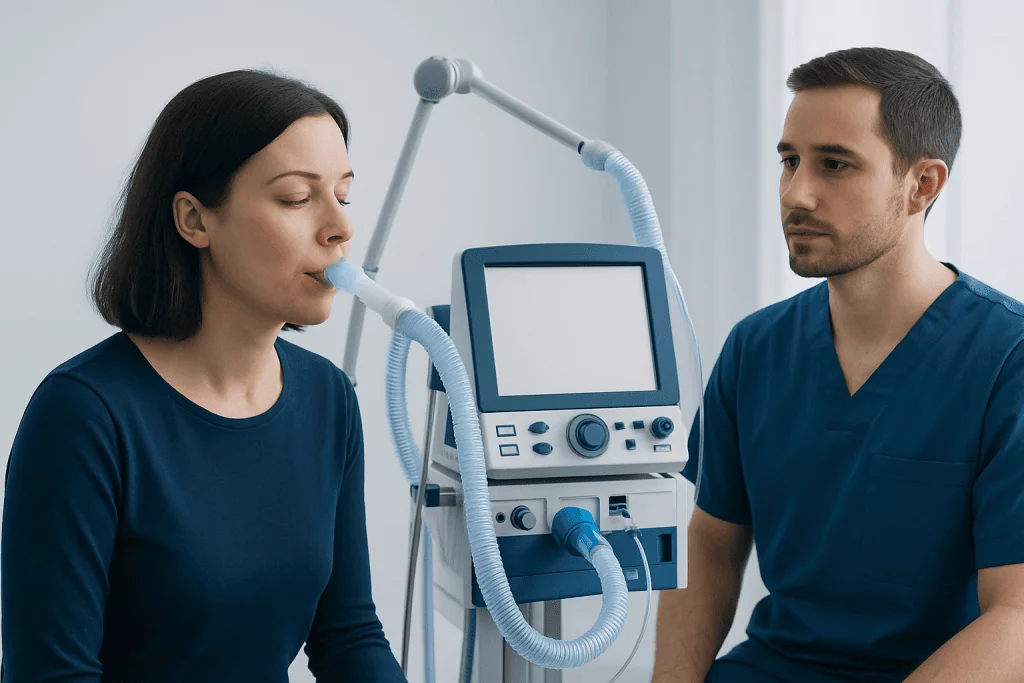
During a reactive airway episode, the muscles around the bronchial tubes may tighten, the lining may swell and mucus production may increase. These changes reduce the space available for airflow, making exhalation especially difficult. Different treatments address different parts of this process.
Quick-relief bronchodilator medicines relax airway muscles and can improve airflow within minutes. Anti-inflammatory controller medicines, most often inhaled corticosteroids, reduce inflammation and airway sensitivity over time. They are used regularly when a clinician determines that symptoms are persistent, recurrent or associated with a meaningful risk of flare-ups.
Non-medication measures also matter. Avoiding tobacco smoke and vaping aerosols, managing allergies where relevant, treating nasal symptoms and following a personalized action plan can reduce exposure to triggers. A clinician may recommend asthma treatment when the symptom pattern and testing support an asthma diagnosis.
Who May Need Assessment and Treatment

Assessment is appropriate for people with repeated wheezing, coughing that is worse at night or with exercise, episodes of breathlessness, or symptoms triggered by colds, allergens, smoke, cold air or occupational exposures. Children who wheeze during viral illnesses may need monitoring over time to clarify whether episodes are isolated or part of an evolving asthma pattern.
A clinician will consider symptom frequency, severity, nighttime waking, activity limitation, past urgent visits and response to prior inhalers. Personal or family history of eczema, allergies or asthma may support an asthma-related pattern, but these factors alone do not establish a diagnosis.
Not everyone with a cough or wheeze needs the same medication. Inhalers should be selected after an appropriate clinical assessment, especially for people with heart disease, glaucoma, pregnancy, medication sensitivities or other chronic health conditions. A respiratory specialist may be helpful when symptoms remain difficult to control or the diagnosis is uncertain.
What to Expect During Evaluation and Treatment
Reactive airway treatment usually begins with a clinical review rather than an invasive procedure. The clinician will ask about the timing of symptoms, possible triggers, work and home exposures, previous respiratory infections, medicines and family history. A physical examination may include listening to the lungs and checking oxygen saturation when symptoms are active.
For many adults and older children, spirometry is used to measure airflow before and after an inhaled bronchodilator. This can help identify reversible airway narrowing. Depending on the situation, clinicians may also consider peak-flow monitoring, allergy evaluation, chest imaging, blood tests or assessment for alternative causes of breathing symptoms.
Once a plan is chosen, the patient is shown how to use the prescribed inhaler device. This step is important: even an appropriate medicine may not work well if technique is incorrect. A spacer device may be recommended for some inhalers, particularly for children or people who have difficulty coordinating inhalation.
- Relief plan: instructions for managing sudden symptoms with prescribed medicine.
- Control plan: regular treatment, if indicated, to reduce inflammation and prevent attacks.
- Trigger plan: practical steps for limiting exposure to known irritants or allergens.
- Review plan: follow-up to assess symptoms, inhaler technique, side effects and the need to adjust care.
Benefits, Risks and Recovery Timeline
The main benefits of effective reactive airway treatment are easier breathing, fewer symptoms, better sleep, safer participation in work or exercise and fewer acute flare-ups. Quick-relief inhalers can work rapidly during bronchospasm, while controller treatment generally provides benefit over days to weeks and is most effective when used consistently as prescribed.
There is usually no recovery period in the surgical sense. After a mild episode, symptoms may improve shortly after prescribed rescue treatment and removal from the trigger. Recovery from a viral-triggered flare-up can take longer, and the treating clinician may advise closer follow-up until breathing is stable. Medication plans should not be stopped or changed without medical guidance, even when symptoms improve.
Possible side effects depend on the medicine. Short-acting bronchodilators may cause temporary shakiness, a fast heartbeat or nervousness. Inhaled corticosteroids can cause throat irritation, hoarseness or oral thrush; rinsing the mouth after use can reduce this risk. A clinician can help balance expected benefits with potential side effects and adjust treatment when needed.
Can Reactive Airway Disease Go Away?
Reactive airway symptoms can improve or disappear, especially when they occur only during a temporary respiratory infection or after a short-lived irritant exposure. Some children who wheeze when they are young no longer have recurrent wheeze as they grow older. However, other people develop persistent asthma or continue to have symptoms with certain triggers.
Because reactive airway disease is not a precise diagnosis, the outlook depends on the underlying cause. When asthma is present, it is often a long-term condition, but many people achieve excellent symptom control and lead active lives with an appropriate management plan. Regular review helps determine whether treatment can be stepped down safely or needs to be intensified.
Improvement should not be assumed to mean the underlying tendency has resolved. Anyone with a history of severe episodes, repeated rescue-inhaler use or worsening nighttime symptoms should discuss their ongoing risk and prevention plan with a qualified doctor.
What Calms a Reactive Airway?
A reactive airway is calmed by reducing the trigger and using prescribed treatment that opens narrowed airways and, where needed, reduces inflammation. For sudden symptoms, a clinician may prescribe a rapid-acting bronchodilator. For recurring symptoms, an inhaled anti-inflammatory medicine may be recommended as part of a longer-term plan.
Helpful supportive measures include avoiding cigarette smoke, vaping, strong fumes and known allergens when possible. During respiratory infections, adequate fluids, rest and careful monitoring may be appropriate, but over-the-counter products should not replace prescribed respiratory medicine. People should follow their individual action plan rather than borrowing another person’s inhaler.
Good inhaler technique is one of the most practical ways to improve treatment results. A pharmacist, nurse or doctor can observe technique and correct common problems, such as failing to seal the lips around the mouthpiece, inhaling too quickly or not holding the breath briefly after inhalation.
What Are the First Signs of Reactive Airway Disease?
Early symptoms may include an intermittent dry cough, wheezing, chest tightness or feeling short of breath. Coughing may be more noticeable at night, early in the morning, during laughter or exercise, or after exposure to cold air, smoke, dust, fragrances or a respiratory virus. In children, reduced play, tiring quickly or persistent coughing after a cold may be clues.
Symptoms can vary from episode to episode and may not always include an audible wheeze. A cough that continues after a viral illness, recurrent nighttime awakening, or breathing symptoms that interfere with school, work or exercise should be discussed with a clinician. Keeping a short symptom and trigger diary can make patterns easier to identify.
Sudden severe symptoms require prompt assessment. Breathing difficulty can have causes beyond reactive airways, so new or unusual symptoms should not be self-diagnosed solely from an online description.
Does Albuterol Help a Reactive Airway?
Albuterol is a short-acting bronchodilator that can help relieve acute bronchospasm, the tightening of muscles around the airways. When prescribed for an appropriate condition, it may reduce wheezing, chest tightness and shortness of breath relatively quickly. It does not treat the underlying airway inflammation on its own.
Frequent need for albuterol, poor relief after use or symptoms that return quickly can indicate that the respiratory condition needs reassessment. A clinician may review inhaler technique, exposure to triggers, adherence to controller medicine and whether another diagnosis should be considered. The medication should be used only as directed by the treating professional.
People should seek urgent medical attention rather than repeatedly relying on rescue medicine if they are struggling to speak, becoming drowsy or confused, developing blue or gray discoloration of the lips or face, or not improving with their prescribed emergency plan.
When to Seek Medical Care
Medical assessment is recommended for a first episode of wheeze, recurring cough or breathlessness, symptoms that interrupt sleep, reduced exercise tolerance, or a need for a rescue inhaler more often than advised. Evaluation is also important when symptoms follow workplace exposure, occur during pregnancy, or begin later in adulthood without a previous asthma history.
Emergency care is needed for severe or rapidly worsening breathing difficulty, inability to speak in full sentences, marked chest retractions, confusion, fainting, blue or gray lips or face, or inadequate response to prescribed rescue medication. Children who are unusually sleepy, unable to drink, or showing signs of significant effort to breathe also need urgent assessment.
Acibadem International’s multidisciplinary specialists and JCI-accredited hospitals diagnose and treat respiratory conditions for international patients. Ongoing care should be coordinated with a qualified clinician who can create and update an individualized respiratory action plan.
Frequently asked questions
Is reactive airway disease the same as asthma?
Not exactly. Reactive airway disease is a non-specific term sometimes used for asthma-like symptoms, while asthma is a defined chronic condition diagnosed using a clinical history and, when possible, lung-function testing. Some people described as having reactive airways will later be diagnosed with asthma, while others will have a different cause for symptoms.
Can a viral infection cause reactive airway symptoms?
Yes. Viral respiratory infections commonly trigger coughing and wheezing, especially in young children and in people with asthma. Symptoms may settle as the infection improves, but repeated episodes or significant breathing difficulty should be medically assessed.
How quickly does reactive airway treatment work?
A prescribed quick-relief bronchodilator may ease airway muscle tightening within minutes. Controller treatments work differently and may take days to weeks to provide their full preventive benefit. The expected response depends on the cause and severity of symptoms.
Should someone use a rescue inhaler every day?
A rescue inhaler should be used according to the clinician’s instructions. Needing it frequently can be a sign that airway inflammation or another underlying issue is not adequately controlled. A healthcare professional should review recurring symptoms and the treatment plan.
Can exercise trigger a reactive airway?
Yes. Some people develop coughing, wheezing or chest tightness during or shortly after activity, particularly in cold, dry air. With appropriate evaluation and a personalized plan, many people can continue to exercise safely and comfortably.
What triggers should people with reactive airways avoid?
Common triggers include tobacco smoke, vaping aerosols, air pollution, strong chemical fumes, dust, pollen, pet dander, cold air and respiratory infections. Triggers differ between individuals, so identifying personal patterns is useful. Avoidance should be practical and combined with clinician-guided medical treatment when needed.
References
- Global Initiative for Asthma
- American Lung Association
- National Heart, Lung, and Blood Institute
- Centers for Disease Control and Prevention
- World Health Organization
This article is for general information only and is not a substitute for professional medical advice. Please consult a qualified doctor about your individual situation.
Explore treatments in Turkey — costs, top hospitals & a free quote
JCI-accredited · board-certified surgeons · reply within 24h
Add us as a Preferred Source to see more of our trusted health content across Google Search, AI Overviews and Discover.

More from the Health Library



Related Specialists

Dr. Mohammad Youssef Halak Fattal
Emergency Service
Prof. Dr. Mustafa Parildar
Interventional Radiology
Assoc. Prof. Dr. Emrullah Hayta
Physical Medicine & Rehabilitation
Dr. Mehmet Ali Sayan
Anesthesiology