Recovering From a Cesarean: What Patients Need to Know

Cesarean recovery is major abdominal surgery recovery and often takes several weeks. Pain, fatigue, vaginal bleeding, and limited mobility are common early on and usually improve gradually.
Key Takeaways
- Cesarean recovery is major abdominal surgery recovery and often takes several weeks.
- Pain, fatigue, vaginal bleeding, and limited mobility are common early on and usually improve gradually.
- Walking, hydration, incision care, and avoiding heavy lifting support healing.
- Warning signs such as fever, worsening pain, heavy bleeding, chest symptoms, or incision problems need prompt medical review.
- Emotional recovery matters too, and support should be sought for low mood, anxiety, or bonding difficulties.
Recovering from a cesarean usually involves a gradual return to comfort and daily activity over about 6 to 8 weeks, although each person heals at a different pace. Most patients improve steadily with pain control, gentle movement, incision care, rest, and timely medical follow-up.
Overview: What recovering from a cesarean usually involves
Recovering from a cesarean means healing from both childbirth and abdominal surgery. In most cases, the first few days focus on pain control, getting out of bed safely, urinating normally, passing gas, and beginning light activity. Over the following weeks, the incision closes, swelling and soreness ease, and stamina slowly returns.
A cesarean birth can be planned or unplanned, but recovery needs are similar. The uterus must contract after delivery, vaginal bleeding still occurs, and the abdominal wall and skin incision need time to heal. Many patients also manage breastfeeding, sleep disruption, and the emotional adjustment to caring for a newborn while recovering physically.
There is no single “normal” day-by-day experience. Recovery can be influenced by prior health conditions, anemia, infection risk, emergency surgery, multiple birth, sleep loss, and the level of support available at home. A patient who has had a difficult labor before surgery may feel more tired or sore than someone who had a scheduled cesarean.
Most people are significantly better by 6 weeks, but full comfort may take longer. A doctor or maternity team can explain what is expected in an individual case and whether additional support, such as physical therapy and rehabilitation, may be useful for mobility, pelvic discomfort, or scar-related tightness.
What symptoms are common during recovery
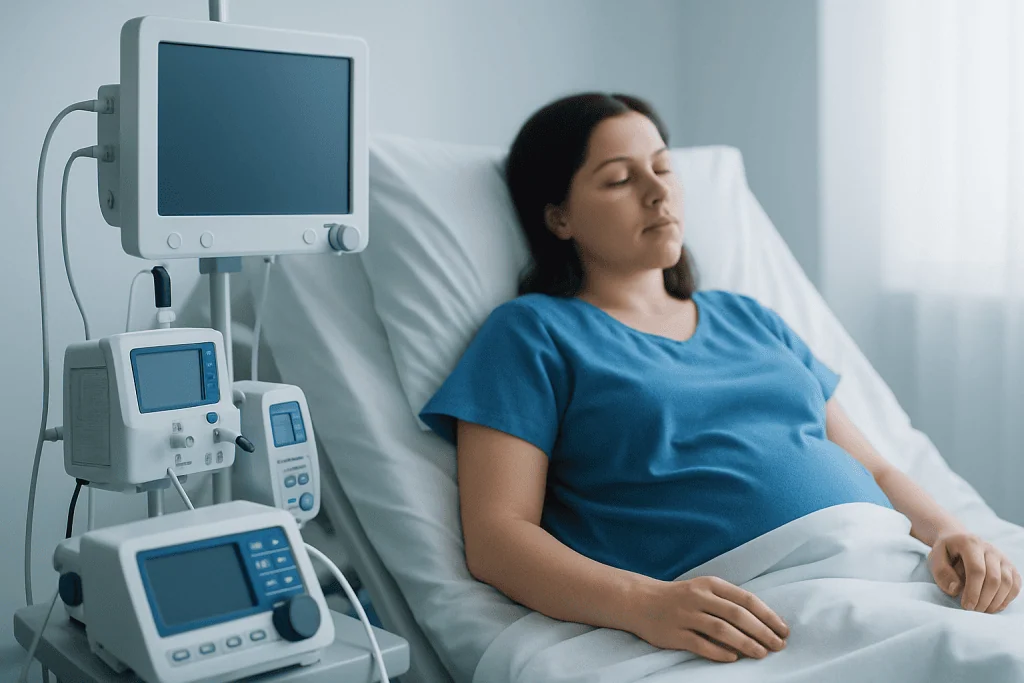
Common early symptoms include incision pain, cramping, fatigue, abdominal tenderness, shoulder discomfort from trapped gas, and difficulty standing fully upright. Vaginal bleeding, called lochia, is also expected after a cesarean because the uterus is still healing inside. Bleeding is often heavier in the first days and then gradually becomes lighter.
Bowel changes are also common. Constipation, bloating, and gas pain may occur because of surgery, pain medicines, and reduced movement. Urination can feel uncomfortable at first, especially if a urinary catheter was used or if the pelvic area is swollen after labor.
It is also normal for movement to feel slow and awkward initially. Coughing, laughing, sneezing, or changing positions in bed may briefly increase pain. Many patients find that supporting the abdomen with a pillow helps during these moments.
- Pain or burning around the incision
- Tiredness and reduced stamina
- Vaginal bleeding and discharge that gradually decrease
- Breast fullness as milk comes in
- Mood changes, tearfulness, or feeling overwhelmed in the early days
Some symptoms may overlap with other postpartum concerns, including postpartum depression, which deserves medical attention if sadness, anxiety, hopelessness, or difficulty bonding with the baby persist or worsen.
How long recovery takes and what the timeline may look like
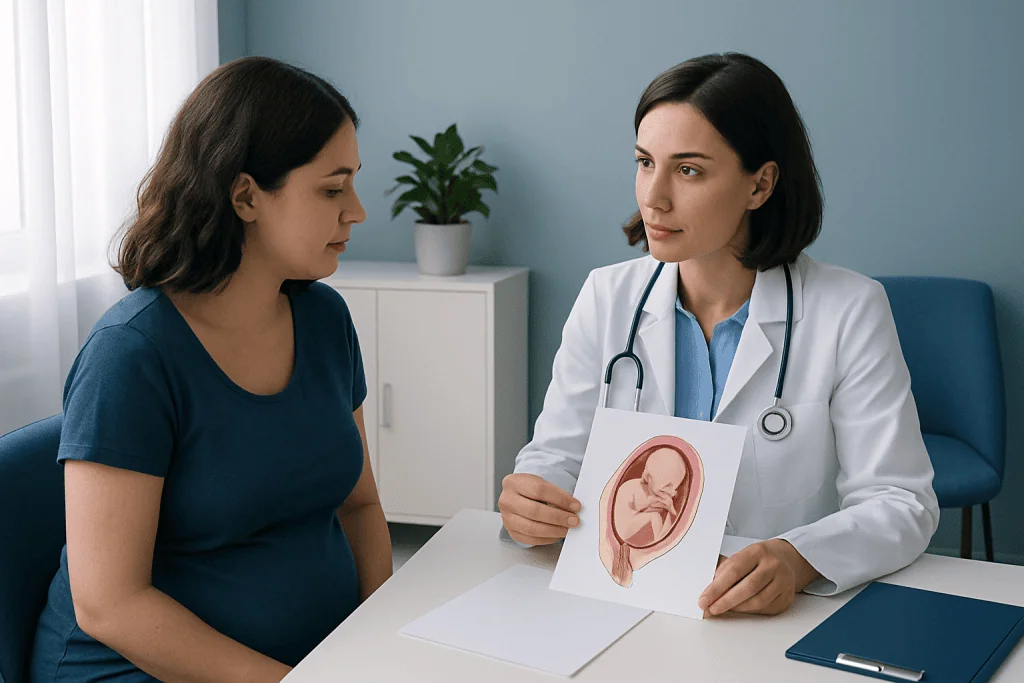
The first 24 to 72 hours after surgery are usually the most physically demanding. During this period, the care team monitors pain, bleeding, blood pressure, urination, and the incision. Patients are often encouraged to stand and walk as soon as it is safe because movement helps reduce the risk of blood clots and supports bowel function.
During the first 2 weeks at home, rest is important, but so is gentle activity. Many people still need regular pain relief, help with household tasks, and frequent breaks. Driving, climbing stairs repeatedly, or lifting anything heavier than the baby may need to be limited based on the surgeon’s advice.
From about weeks 3 to 6, everyday movement usually becomes easier. Incision discomfort often lessens, bleeding typically fades, and energy starts to improve. Even at this stage, overexertion can increase pain or bleeding, so a gradual pace is better than trying to “bounce back” quickly.
At around 6 weeks, many patients have a postpartum follow-up visit to review healing, bleeding, bladder and bowel function, contraception, and emotional well-being. Some people feel close to normal by then, while others need more time, especially after complications, severe anemia, wound problems, or emergency surgery.
Daily self-care that supports healing
Good cesarean recovery care is practical and consistent. Rest, pain management, hydration, and gentle walking are the basics. Walking a little several times a day is often more helpful than doing too much at once, and it may ease stiffness, gas, and constipation.
Incision care should follow the surgical team’s instructions. In general, the area should be kept clean and dry, and patients should watch for redness, warmth, swelling, discharge, or a bad odor. Loose clothing and breathable underwear can reduce friction over the scar. If staples, strips, or dressings were used, the team will explain when they can be removed or when they will fall off.
Eating regular meals with fiber and drinking enough fluids may help bowel function. If pain medicines cause constipation, the care team may recommend stool softeners or other supportive measures. Patients should not strain with bowel movements, as this can worsen discomfort.
- Take prescribed or recommended pain relief as directed
- Use gentle movement rather than prolonged bed rest
- Avoid heavy lifting until cleared by a doctor
- Support the abdomen when coughing or changing position
- Ask for practical help with meals, laundry, and night care
If recovery is affected by ongoing musculoskeletal pain, scar discomfort, or weakness, some patients benefit from postpartum rehabilitation as part of a structured return to activity.
Pain control, movement, and return to normal activities
Pain should be manageable, not ignored. A combination of medicines may be used after cesarean birth, and the safest options can vary depending on breastfeeding, allergies, and other medical conditions. Patients should use medications exactly as advised and contact their doctor if pain suddenly worsens or is not controlled.
Movement can feel intimidating after abdominal surgery, but it is usually part of healing. Rolling onto the side before sitting up, using the arms for support, and standing slowly can reduce strain. Short walks around the room or hallway can be started early and extended gradually as comfort improves.
Return to work, exercise, sexual activity, and driving should be individualized. Many patients need several weeks before they can comfortably brake a car, lift shopping bags, or resume structured exercise. High-impact activity and abdominal workouts are generally delayed until healing is confirmed.
If persistent pelvic pain, urinary leakage, pressure, or weakness develops, evaluation may be needed for issues such as pelvic floor dysfunction. In some cases, a doctor may also assess for related concerns such as umbilical hernia or abdominal wall strain if a bulge or ongoing tenderness is present.
Emotional recovery, sleep, and adjusting at home
Physical healing is only one part of recovering from a cesarean. Many people feel relieved, grateful, disappointed, exhausted, or emotionally unsettled all at once. These feelings can be especially complex if the cesarean was unplanned, followed a long labor, or involved a frightening delivery experience.
Sleep disruption can intensify pain, stress, and tearfulness. A useful approach is to simplify routines, accept help, and prioritize rest whenever possible. Feeding support, pain control, and safe newborn care planning can all make the early weeks less overwhelming.
Partners, family, and friends often play an important role in recovery. Help with lifting, bathing the baby, meals, housework, or older children may allow the patient to heal more safely. Emotional support matters too, especially if the patient feels guilty, numb, unusually anxious, or unable to enjoy the baby.
If low mood or anxiety continues beyond the early adjustment period, or if there are thoughts of self-harm or fear of harming the baby, urgent professional help is needed. These symptoms are treatable and should never be dismissed as a normal part of recovery.
When to seek medical care
Some symptoms during cesarean recovery need prompt medical review because they may signal infection, heavy bleeding, a blood clot, or another complication. Patients should not wait for a routine follow-up if they feel significantly unwell or if symptoms are quickly worsening.
Medical attention is important for fever, increasing redness or discharge from the incision, foul-smelling vaginal discharge, severe or worsening abdominal pain, heavy bleeding, or passing large clots. New calf pain, leg swelling, chest pain, or shortness of breath also need urgent evaluation because they can be signs of a blood clot.
- Fever or chills
- Heavy bleeding or bleeding that suddenly increases after slowing down
- Incision opening, pus, warmth, or bad odor
- Severe headache, vision changes, or high blood pressure concerns
- Painful urination or inability to urinate
- Chest pain, fainting, shortness of breath, or one-sided leg swelling
Persistent nausea, vomiting, inability to eat, severe constipation, or no improvement in pain should also be discussed with a doctor. Multidisciplinary specialists at Acibadem International, in JCI-accredited hospitals, diagnose and treat postpartum and surgical recovery concerns for international patients, including evaluation with check-up services when appropriate.
Frequently asked questions
How long does recovering from a cesarean usually take?
Many patients need about 6 to 8 weeks for basic recovery, though some feel better sooner and others need longer. Recovery can take more time after an emergency cesarean, complications, anemia, or infection.
Is it normal to have bleeding after a cesarean?
Yes. Vaginal bleeding happens after a cesarean because the uterus is healing after birth, not because the baby was delivered vaginally. It should gradually lessen over time rather than become heavier.
When can normal exercise start again after a c-section?
Gentle walking usually starts early, often within the first days, if the doctor agrees. More strenuous exercise, core work, and impact activities are usually delayed until healing is assessed and a clinician says it is safe.
What helps reduce pain when getting out of bed or coughing?
Rolling onto the side before sitting up can reduce strain on the abdomen. Many patients also find it helpful to hold a pillow against the incision when coughing, laughing, or sneezing.
When should a cesarean incision be checked by a doctor?
A doctor should review the incision if there is increasing redness, swelling, warmth, discharge, opening of the wound, or worsening pain. Fever or a bad odor from the incision area also needs prompt medical attention.
Can emotional symptoms be part of recovering from a cesarean?
Yes. Tiredness, hormonal changes, pain, and a difficult birth experience can affect mood and coping. Persistent sadness, intense anxiety, hopelessness, or trouble bonding with the baby should be discussed with a healthcare professional.
This article is for general information only and is not a substitute for professional medical advice. Please consult a qualified doctor about your individual situation.
Explore treatments in Turkey — costs, top hospitals & a free quote
JCI-accredited · board-certified surgeons · reply within 24h
Add us as a Preferred Source to see more of our trusted health content across Google Search, AI Overviews and Discover.
Check your numbers in seconds
BMI, calories, due date, blood pressure and 30+ more clinical calculators — free, instant, doctor-reviewed ranges.

More from the Health Library

Otc Constipation Drugs: What Patients Need to Know

Stubbed Toe: An Evidence-Based Guide for Patients

Wide Pulse Pressure: An Evidence-Based Guide for Patients

Carob: A Complete Medical Overview

Levocarnitine: A Complete Medical Overview