Rectal Therapy: How It Works, Results and What to Expect

Rectal therapy may involve suppositories, enemas, foams or gels prescribed for specific medical conditions. The rectal route can provide local treatment for bowel symptoms or allow absorption of selected medicines.
Key Takeaways
- Rectal therapy may involve suppositories, enemas, foams or gels prescribed for specific medical conditions.
- The rectal route can provide local treatment for bowel symptoms or allow absorption of selected medicines.
- Rectal ozone therapy has not been proven effective for most conditions and is not part of routine guideline-based care.
- Ozone should never be injected into a vein or used as a substitute for urgent or established treatment.
- Rectal bleeding, severe pain, fever or worsening bowel symptoms need prompt medical assessment.
Rectal therapy is a route for delivering prescribed medicines locally or into the bloodstream when swallowing medication is difficult or unsuitable. Rectal ozone therapy is sometimes promoted for wellness or chronic illness, but it is not an established, evidence-based medical treatment and should not replace standard care.
Overview: what rectal therapy means
Rectal therapy means giving a treatment through the rectum, the final part of the large bowel. In conventional medicine, this may include a suppository, enema, foam, gel or liquid medication. It can be used to treat inflammation, constipation, certain infections or symptoms such as nausea, depending on the medicine selected and the person’s clinical needs.
This route is useful when a medication needs to work directly in the rectum or lower colon, or when a person cannot comfortably swallow, keep down or absorb an oral medicine. The treatment itself is not a diagnosis; its usefulness depends on the underlying condition, the medicine used and correct clinical guidance.
Online searches for “rectal therapy” also commonly refer to rectal ozone therapy. This involves introducing an oxygen-ozone gas mixture into the rectum. It is promoted for a wide range of health concerns, but high-quality evidence does not establish it as an effective treatment for most conditions, and it is not a standard option in major clinical guidelines.
How rectal therapy works
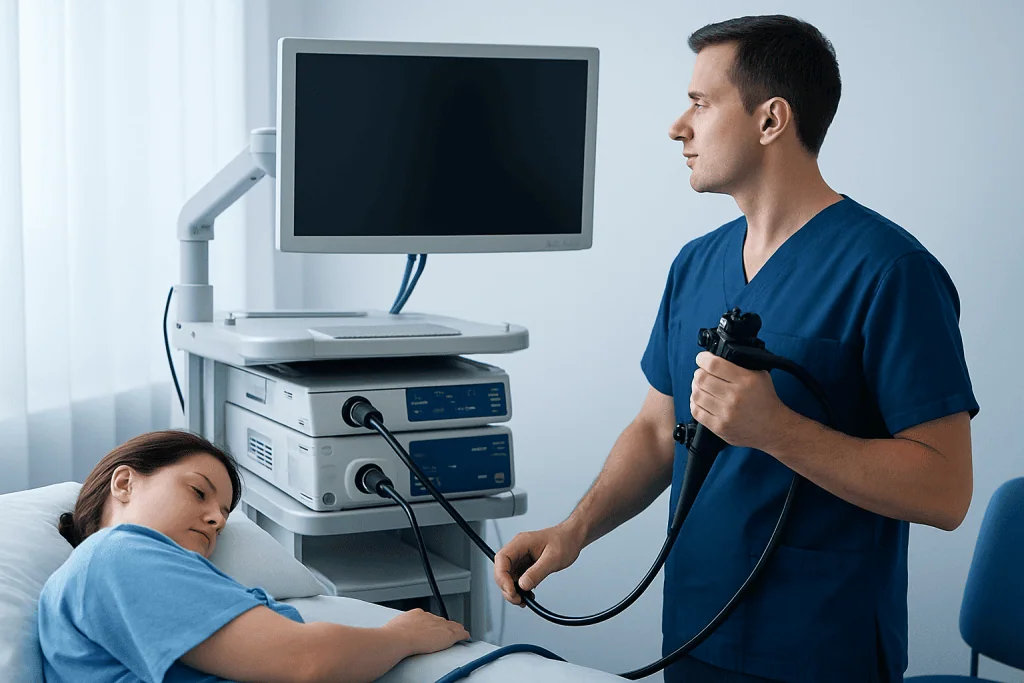
Conventional rectal medicines work through local contact with the bowel lining or by absorption through that lining. For example, anti-inflammatory rectal preparations may reduce inflammation in the rectum and lower colon, while some laxative enemas soften stool or stimulate bowel emptying. The amount of medicine absorbed and how quickly it acts varies by product.
A clinician chooses the route based on where symptoms are located, the treatment goal, other health conditions and whether oral therapy is appropriate. For inflammatory bowel disease affecting the rectum, rectal medicines can be used alone or alongside oral medicines. Readers can learn more about ulcerative colitis and why treatment is tailored to the location and severity of inflammation.
Rectal ozone therapy is proposed to act through chemical and immune-related effects, but these proposed mechanisms do not demonstrate clinical benefit. Ozone is a reactive gas, and claims that it detoxifies the body, treats cancer, eliminates infection or reliably improves chronic disease are not supported by robust clinical evidence. Decisions about any experimental or complementary approach should be discussed openly with a qualified doctor.
Who may be a candidate for prescribed rectal treatment?

A person may be considered for prescribed rectal therapy when a clinician identifies a clear indication. Examples include inflammation limited to the rectum or lower colon, constipation or fecal impaction requiring a specific bowel regimen, and situations in which nausea, vomiting or swallowing problems make oral medication impractical. The exact medicine, form and duration should be individualised.
Rectal treatment may not be suitable for everyone. Active rectal bleeding without a known cause, recent rectal surgery, severe anal or rectal pain, suspected bowel obstruction, significant diarrhea or an allergy to the medication may require a different approach or further assessment first. Children, pregnant people and people with serious chronic illness should use rectal medicines only with professional advice.
People should be particularly cautious about unregulated ozone products and providers who recommend rectal ozone for serious conditions without a proper diagnosis or advise stopping prescribed care. Evidence-based management may involve gastroenterology, primary care, surgery, oncology or other specialties depending on the cause of symptoms.
How is rectal ozone therapy done?
Rectal ozone therapy is usually described as introducing a measured oxygen-ozone gas mixture through a small rectal catheter after the person lies on their side. Some providers may ask the person to empty their bowel beforehand. The gas is generally introduced slowly, and the catheter is then removed. This description explains the method but should not be considered an endorsement or instruction for home use.
There is no universally accepted, guideline-based protocol for rectal ozone therapy. The concentration, volume, equipment, frequency and safety procedures may differ between providers, which makes outcomes difficult to compare and creates additional uncertainty. It should not be self-administered, and equipment that is not sterile or appropriately designed can increase the risk of injury or infection.
In contrast, prescribed rectal medicines have product-specific instructions that should be followed exactly. A healthcare professional can demonstrate the correct use of a prescribed suppository, foam or enema and explain how to reduce discomfort while ensuring the medicine is delivered as intended.
How long to hold in rectal ozone?
There is no evidence-based holding time for rectal ozone because rectal ozone therapy is not a standard, validated medical treatment. Online recommendations vary widely and should not be relied on as medical guidance. A person should not attempt to retain gas for a specified time based on non-medical advice.
For prescribed rectal medications, retention instructions depend entirely on the product and the reason it has been prescribed. Some products are intended to stay in place for a defined period, while others are designed to produce a bowel movement relatively quickly. The medicine leaflet and prescribing clinician are the appropriate sources for individual instructions.
If pain, cramping, leakage, bleeding, dizziness or a strong urge to evacuate occurs during any rectal treatment, the person should stop and seek clinical advice. Severe or persistent symptoms need urgent assessment.
Benefits, results and what is known about success
The expected benefit of conventional rectal therapy depends on the prescribed medicine and the condition being treated. When used appropriately, local treatment can reduce rectal inflammation, ease urgency or discomfort, support bowel evacuation, or deliver a necessary medication when oral treatment is unsuitable. Results may be noticed quickly for some products, while anti-inflammatory treatment can take longer to provide full symptom control.
What is the success rate of ozone injection? There is no reliable, general success rate for ozone injection or rectal ozone therapy. These approaches are studied inconsistently, are used for very different conditions, and lack sufficient high-quality evidence to support a meaningful estimate of effectiveness. Importantly, ozone injected into a vein is unsafe and can cause serious complications, including gas embolism.
For a persistent bowel condition, outcomes are best assessed through symptom review, physical examination and, when appropriate, laboratory tests, imaging or endoscopy. Treatments with proven benefit should form the foundation of care. For conditions involving rectal or colon inflammation, a gastroenterologist can discuss evidence-based options, including colonoscopy when evaluation of the bowel lining is needed.
What are the potential side effects of rectal ozone therapy?
What are the potential side effects of rectal ozone therapy? Reported short-term effects can include abdominal bloating, cramping, gas, rectal discomfort, urgency and diarrhea. Rectal insertion can also cause irritation, small tears or bleeding, especially if performed improperly or in someone with hemorrhoids, active inflammation or other anorectal conditions.
Because rectal ozone is not a standardised medical treatment, its full safety profile is uncertain. Risks may be greater if the equipment is not appropriately cleaned, if excessive pressure or volume is used, or if treatment delays evaluation of an important medical problem. Ozone can be harmful when inhaled because it irritates the lungs, and it must not be injected intravenously.
Prescribed rectal medicines can also cause side effects, such as local irritation, cramps, changes in bowel habits or medication-specific reactions. A person should tell their clinician about allergies, other medicines and new symptoms. They should not use a rectal product that was prescribed for someone else or use an enema repeatedly without advice.
Recovery, self-care and when to seek medical care
After a prescribed rectal medication, most people can return to normal activities unless their clinician gives different instructions. Mild, brief discomfort can occur, but ongoing pain is not expected. Keeping hydrated, following the treatment plan and recording bowel symptoms can help a clinician judge whether therapy is working.
When to seek medical care: medical advice is important for rectal bleeding, black stools, severe or worsening abdominal pain, fever, fainting, vomiting, inability to pass stool or gas, unexplained weight loss, or new bowel changes that persist. Urgent assessment is needed for heavy bleeding, severe weakness, severe pain or signs of an allergic reaction. These symptoms can have causes that require prompt diagnosis rather than self-treatment.
Acibadem International’s multidisciplinary specialists and JCI-accredited hospitals support international patients with assessment and evidence-based treatment of digestive and rectal conditions. A clinician can help determine whether symptoms may relate to inflammatory bowel disease, constipation, hemorrhoids, infection or another cause, and can recommend safe, appropriate care.
Frequently asked questions
Is rectal therapy the same as rectal ozone therapy?
No. Rectal therapy is a broad term for delivering a prescribed medicine through the rectum, such as a suppository, foam or enema. Rectal ozone therapy is a specific, non-standard practice involving an oxygen-ozone gas mixture and is not an established treatment for most health conditions.
Can rectal therapy treat ulcerative colitis?
Some prescribed rectal medicines can help treat ulcerative colitis affecting the rectum or lower colon. The choice may include anti-inflammatory preparations and is based on disease location and severity. A gastroenterologist should guide treatment because untreated or poorly controlled inflammation can lead to complications.
How quickly do prescribed rectal medicines work?
Timing varies by medicine and purpose. Some bowel-emptying products may act within a short period, whereas anti-inflammatory rectal treatments may require regular use over days or weeks before symptoms improve. The product information and clinician’s instructions should guide expectations.
Can rectal ozone therapy be used for cancer or infection?
Rectal ozone therapy should not replace evidence-based treatment for cancer, infection or any serious disease. There is not enough reliable evidence to show that it treats these conditions effectively. A person with concerning symptoms should seek assessment from a qualified healthcare professional.
Is rectal ozone therapy safe to do at home?
It should not be performed at home. There is no standardised, evidence-based home protocol, and incorrect insertion, pressure, equipment hygiene or delays in diagnosis can cause harm. Medical concerns should be evaluated before any treatment is considered.
What should someone do if rectal treatment causes bleeding or severe pain?
They should stop the treatment and contact a healthcare professional promptly. Heavy bleeding, severe abdominal or rectal pain, fainting, fever, or inability to pass stool or gas requires urgent medical assessment. These symptoms may indicate a condition that needs prompt care.
References
- U.S. Food and Drug Administration
- National Institute of Diabetes and Digestive and Kidney Diseases
- American Gastroenterological Association
- Crohn's & Colitis Foundation
- World Health Organization
This article is for general information only and is not a substitute for professional medical advice. Please consult a qualified doctor about your individual situation.
Persistent digestive symptoms? Get evaluated in Turkey
JCI-accredited · board-certified surgeons · reply within 24h
Add us as a Preferred Source to see more of our trusted health content across Google Search, AI Overviews and Discover.

More from the Health Library



Related Specialists

Dr. Emre Şentürk
Anesthesiology
Assoc. Prof. Dr. Ata Can
Orthopedic Surgery & Traumatology
Dr. Helin Kuşsever Topçu
Oral & Dental Health
Dr. Moslem Eshghı
Inpatient Clinic Physicians