Rectus Diastasis: Procedure, Recovery and Results

Rectus diastasis is not a muscle tear and is different from an abdominal hernia, although both can occur together. A physical examination, sometimes supported by imaging, helps identify diastasis and rule out a hernia or another cause of abdominal bulging.
Key Takeaways
- Rectus diastasis is not a muscle tear and is different from an abdominal hernia, although both can occur together.
- A physical examination, sometimes supported by imaging, helps identify diastasis and rule out a hernia or another cause of abdominal bulging.
- Specialized exercise and rehabilitation are often the first approach; surgery is usually reserved for persistent, bothersome cases.
- Repair generally involves tightening the stretched connective tissue between the abdominal muscles, sometimes alongside hernia repair or abdominoplasty.
- Recovery is gradual and includes protected movement, walking, wound care, and a phased return to core strengthening.
Rectus diastasis is a widening of the connective tissue between the paired abdominal muscles, often noticed as a midline bulge. Many people improve with targeted rehabilitation, while surgery may be considered when symptoms or functional concerns persist and an individualized assessment supports repair.
What Is Rectus Diastasis?
Rectus diastasis is a widening of the connective tissue in the midline of the abdomen, called the linea alba, between the two rectus abdominis muscles. It often develops during or after pregnancy but can also affect men and people who have not been pregnant. Most cases can be managed without an operation, while surgery may be an option when a persistent bulge, discomfort, or loss of abdominal wall function affects daily life.
The condition is also called diastasis recti. It does not mean that the abdominal muscles have torn; rather, the tissue joining them has stretched and become thinner or less supportive. This can create a ridge or dome down the center of the abdomen during activities that increase pressure inside the abdomen, such as sitting up, coughing, or lifting.
Rectus diastasis is different from a hernia. A hernia is an opening or weakness in the abdominal wall through which tissue may protrude, whereas diastasis is a widening of the midline tissue. A person can have both conditions, which is why a clinical assessment is important before choosing exercises or considering repair.
Symptoms, Causes and Assessment
Some people notice only a change in abdominal contour. Others report a sense of core weakness, abdominal pressure, difficulty with certain movements, or doming along the midline during effort. Back pain, pelvic floor symptoms, and digestive complaints may occur at the same time, but they can have several possible causes and should not automatically be attributed to rectus diastasis.
Pregnancy is a common contributing factor because the growing uterus stretches the abdominal wall. Other factors that may contribute include repeated heavy straining, substantial weight changes, chronic coughing, constipation, previous abdominal changes, and natural differences in connective-tissue strength. These factors do not mean that a person will necessarily develop symptoms or require treatment.
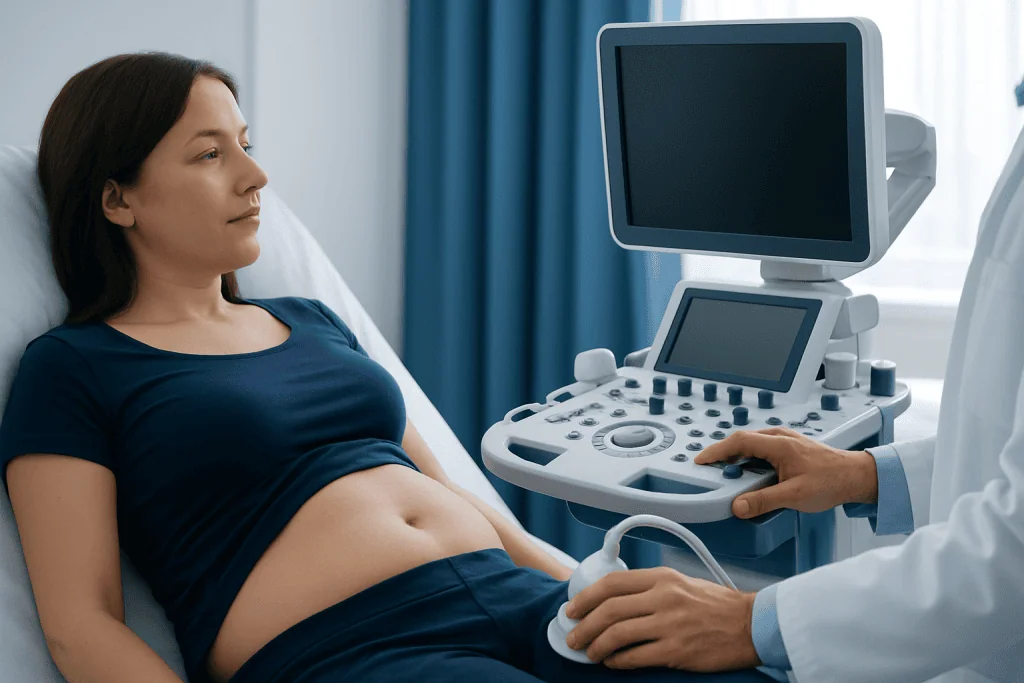
A clinician usually assesses the abdomen while the person is relaxed and while the abdominal muscles are gently activated. The examination considers the width and depth of the midline tissue, the quality of abdominal-wall tension, posture, symptoms, and daily function. Ultrasound or CT imaging may be used when the diagnosis is unclear, a hernia is suspected, or surgical planning is needed; the measured gap alone does not determine whether treatment is necessary.
Choosing Between Rehabilitation and Surgery
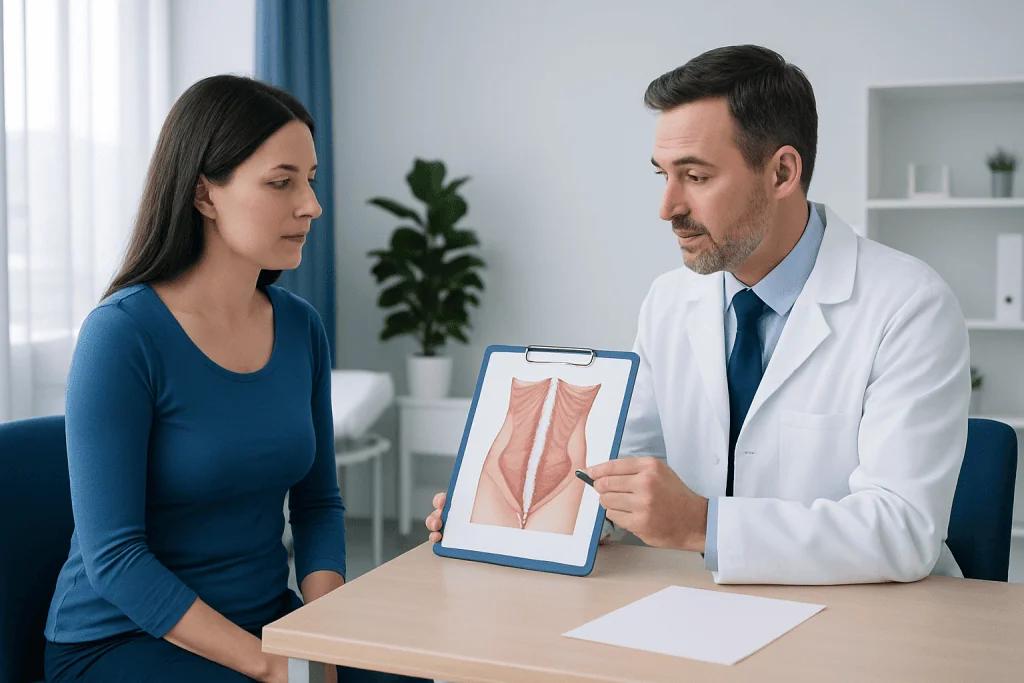
For many people, the first step is a structured program with a physiotherapist or other clinician experienced in abdominal-wall and pelvic health rehabilitation. Nonsurgical rectus diastasis recovery focuses on improving pressure management, breathing coordination, deep core control, posture, and safe movement patterns. It may improve function and reduce visible doming, although exercises do not reliably close the gap completely for every person.
During rehabilitation, a clinician may modify activities that cause pronounced bulging, pain, breath-holding, or straining. A gradual program may include functional movements such as getting out of bed, carrying, squatting, and lifting with appropriate technique. Repeatedly checking the gap or performing demanding abdominal exercises too early can be unhelpful; the focus is usually on comfortable function rather than on one measurement.
Surgery may be discussed when a person has persistent symptoms or abdominal-wall instability despite appropriate rehabilitation, a bothersome contour change, or an associated hernia. The decision is individualized and may involve a general surgeon, plastic surgeon, physiotherapist, and other relevant specialists. Future pregnancy plans, overall health, smoking status, weight stability, scar pattern, and personal goals all influence whether and when a repair is appropriate.
How Rectus Diastasis Repair Is Performed
Rectus diastasis repair commonly involves plication, a technique in which the surgeon uses sutures to bring the stretched midline connective tissue closer together and restore tension to the abdominal wall. The muscles themselves are not usually cut or reattached. If a hernia is present, it may be repaired during the same operation; mesh reinforcement is used selectively, often when a hernia or broader abdominal-wall weakness requires additional support.
The operation may be performed through an open incision or, in selected cases, with minimally invasive techniques. Some people have repair as part of an abdominoplasty, which can also address excess lower abdominal skin when this is clinically appropriate and desired. The planned approach affects the incision, scar location, use of drains, postoperative restrictions, and expected recovery experience.
Before surgery, the care team reviews medical conditions, previous operations, medications, allergies, smoking or nicotine use, and plans for pregnancy. Patients receive specific instructions about preparation, anesthesia, wound care, activity, and follow-up. A surgeon should explain the expected benefits, alternatives, scars, and potential risks so that the person can make an informed decision.
Recovery and Rehabilitation After Repair
Immediately after surgery, care focuses on pain control, wound monitoring, gentle walking, and protecting the repaired abdominal wall. Patients are usually encouraged to move regularly as advised to support circulation, while avoiding straining and movements that place excessive pressure on the incision. The surgical team provides individualized guidance on showering, dressings, compression garments if prescribed, driving, and returning to work.
Rectus diastasis surgery recovery time is not one fixed number. Some people can resume light, sedentary tasks within a relatively short period, but lifting, vigorous exercise, and direct abdominal training are typically limited during early healing. Rectus diastasis repair recovery time depends on the surgical approach, whether a hernia repair or abdominoplasty was also performed, the person’s health, and the physical demands of work and caregiving; full healing and a return to unrestricted activity may take several months.
A personalized rectus diastasis rehab protocol is usually introduced in stages after the surgeon confirms that healing is progressing appropriately. Early rehabilitation may include walking, diaphragmatic breathing, safe bed mobility, and gentle activation of the deep abdominal muscles. Later phases may add mobility work, progressive strength training, and return-to-sport preparation. For successful rectus diastasis repair recovery, exercises should be advanced according to symptoms, wound healing, and professional guidance rather than a fixed online schedule.
Expected Results, Risks and Long-Term Self-Care
A successful repair may reduce midline bulging and improve the sense of abdominal support. Some people also find daily movements, exercise, or clothing fit more comfortable. Results vary, and surgery may not resolve every symptom, particularly when back, pelvic, bowel, or pain concerns have another contributing cause. Swelling and changes in sensation can take time to settle, so the final contour is assessed gradually during follow-up visits.
As with other abdominal operations, possible complications include bleeding, fluid collection, infection, delayed wound healing, scarring, altered skin sensation, anesthesia-related problems, blood clots, or recurrence of the separation or bulge. These complications are not inevitable, but discussing them allows patients to recognize concerns early. Avoiding nicotine, following lifting restrictions, maintaining balanced nutrition, managing constipation, and attending follow-up appointments can support healing.
Rectus diastasis cannot always be prevented, especially during pregnancy, but gradual strengthening, attention to breathing and lifting mechanics, and avoiding repeated straining may help support abdominal-wall function. Significant weight changes or a later pregnancy can stretch the midline tissues again after repair. A clinician can help a person develop a sustainable exercise plan that matches their recovery stage and longer-term goals.
When to Seek Medical Care
Medical advice is appropriate for a new or persistent abdominal bulge, pain with activity, a feeling of weakness that limits daily tasks, or uncertainty about whether a bulge is diastasis or a hernia. People who are pregnant or postpartum can discuss abdominal-wall changes with their obstetric clinician, primary care doctor, or a qualified pelvic health physiotherapist. An assessment can also identify other conditions that may need different care.
Urgent evaluation is needed for a sudden, painful, firm bulge that cannot be gently reduced, especially if it is accompanied by nausea, vomiting, fever, or an inability to pass stool or gas. These symptoms may suggest a hernia-related complication rather than uncomplicated rectus diastasis. Acibadem International coordinates multidisciplinary assessment and treatment of rectus diastasis for international patients through its JCI-accredited hospitals.
Frequently asked questions
Is rectus diastasis the same as a hernia?
No. Rectus diastasis is a widening of the connective tissue between the abdominal muscles, while a hernia involves tissue pushing through an opening or defect in the abdominal wall. They can occur together, so a clinician should assess a persistent or painful bulge.
Can rectus diastasis improve without surgery?
Yes, many people improve their core function and reduce doming with targeted rehabilitation. The gap may not close completely, but symptoms and movement control can still improve. Surgery is usually considered only when concerns persist after appropriate conservative care or when another condition, such as a hernia, also needs treatment.
How long does it take to recover from rectus diastasis repair?
Early recovery commonly involves several weeks of protected activity, while heavier lifting and more demanding exercise are reintroduced gradually. The overall timeline varies with the operation performed, whether other repairs were done at the same time, and individual healing. The surgical team should provide the most relevant timeline for work, childcare, exercise, and travel.
Will surgery relieve back pain or pelvic floor symptoms?
Repair may improve abdominal-wall support for some people, but it does not guarantee relief of back pain, pelvic floor symptoms, or digestive complaints. These symptoms often have more than one cause. A broader assessment and coordinated rehabilitation can help identify which treatments are most appropriate.
Can someone become pregnant after rectus diastasis surgery?
Pregnancy may still be possible after repair, but it can stretch the abdominal wall and affect the surgical result. For this reason, people planning another pregnancy should discuss the timing of surgery with their surgeon and obstetric clinician. The decision depends on individual health, symptoms, and family plans.
Which exercises should be avoided with rectus diastasis?
An exercise does not need to be avoided permanently simply because a person has diastasis. However, movements that cause pain, repeated midline doming, breath-holding, or uncontrolled straining may need to be modified, particularly early in recovery. A physiotherapist can adapt core and strength exercises to the person's current ability and goals.
References
- European Hernia Society
- American Society of Plastic Surgeons
- American College of Obstetricians and Gynecologists
- National Institute of Diabetes and Digestive and Kidney Diseases
This article is for general information only and is not a substitute for professional medical advice. Please consult a qualified doctor about your individual situation.
Explore treatments in Turkey — costs, top hospitals & a free quote
JCI-accredited · board-certified surgeons · reply within 24h
Add us as a Preferred Source to see more of our trusted health content across Google Search, AI Overviews and Discover.