Recurrent Miscarriage: Possible Causes, Evaluation, and Care Planning

Recurrent miscarriage is commonly evaluated after two or more pregnancy losses, especially when losses are confirmed by ultrasound or pathology. Possible causes include chromosomal factors, uterine shape or scarring, hormonal or metabolic conditions, antiphospholipid syndrome, and lifestyle or health factors.
Key Takeaways
- Recurrent miscarriage is commonly evaluated after two or more pregnancy losses, especially when losses are confirmed by ultrasound or pathology.
- Possible causes include chromosomal factors, uterine shape or scarring, hormonal or metabolic conditions, antiphospholipid syndrome, and lifestyle or health factors.
- A structured evaluation may include blood tests, genetic testing, uterine imaging, and review of previous pregnancy records.
- Treatment depends on the cause and may involve surgery, hormone or endocrine care, anticoagulant therapy for specific conditions, IVF with genetic testing in selected cases, or close early pregnancy monitoring.
- Emotional support is an important part of care, as recurrent loss can affect mental health, relationships, and confidence about future pregnancy.
Recurrent miscarriage, also called recurrent pregnancy loss, can be emotionally difficult and medically complex, but a careful evaluation can often identify treatable factors. Care planning usually combines medical testing, individualized treatment, and supportive follow-up before and during the next pregnancy.
Overview
Recurrent miscarriage, or recurrent pregnancy loss, means having repeated miscarriages before the pregnancy reaches viability. Many professional groups recommend medical evaluation after two or more pregnancy losses, particularly when the pregnancies were confirmed by ultrasound, blood testing, or tissue examination. Some clinicians may suggest evaluation sooner depending on age, medical history, infertility, or the pattern of losses.
A miscarriage is usually not caused by something a person did or did not do. Most single early miscarriages happen because the embryo did not develop normally, often due to a random chromosomal change. When miscarriage happens more than once, doctors look for patterns and potentially treatable factors, while also recognizing that sometimes no single cause is found.
Although recurrent miscarriage can feel isolating, many people go on to have a successful pregnancy with careful care planning. The goal of evaluation is to identify risks that can be addressed, avoid unnecessary treatments, and create a clear plan for preconception health and early pregnancy monitoring.
Symptoms and Patterns That Matter
The physical symptoms of miscarriage may include vaginal bleeding, cramping, pelvic pain, passing tissue, or a sudden decrease in pregnancy symptoms. Some losses are discovered during ultrasound when the pregnancy has stopped developing but symptoms have not yet started. Others may occur very early, around the time of an expected period, and are sometimes called biochemical pregnancies when detected only by pregnancy hormone testing.
For recurrent miscarriage evaluation, the pattern of losses can provide important clues. Doctors may ask how far along each pregnancy was, whether a fetal heartbeat was seen, whether tissue testing was performed, and whether there were complications such as heavy bleeding, infection, or the need for a procedure. Losses in the first trimester may have different common causes than later pregnancy losses.
It can be helpful to bring records from previous pregnancies, including ultrasound reports, blood test results, pathology reports, genetic testing results, and discharge summaries. If records are not available, a detailed timeline is still useful. Patients are encouraged to share emotional symptoms as well, including anxiety, sleep difficulty, grief, or fear about becoming pregnant again, because these are valid health concerns that deserve support.
Possible Causes and Risk Factors

Recurrent miscarriage can have more than one contributing factor. In some couples, testing identifies a clear cause; in others, results are normal. A normal evaluation does not mean the losses were imagined or unimportant. It means that current medical testing did not find a specific correctable problem, and care can still focus on optimizing health and monitoring early pregnancy.
Possible causes and risk factors include:
- Chromosomal factors: An embryo may have too many or too few chromosomes. Sometimes one parent carries a balanced chromosomal rearrangement, such as a balanced translocation, which may increase the chance of embryos with unbalanced chromosomes.
- Uterine factors: A uterine septum, fibroids that distort the uterine cavity, adhesions from previous procedures or infections, or certain congenital uterine shapes may affect implantation or pregnancy growth.
- Hormonal and metabolic conditions: Thyroid disease, poorly controlled diabetes, polycystic ovary syndrome, obesity, and abnormal prolactin levels may contribute in some cases.
- Antiphospholipid syndrome: This autoimmune clotting condition is a well-recognized, treatable cause of recurrent pregnancy loss when specific laboratory and clinical criteria are met.
- Other medical or lifestyle factors: Smoking, heavy alcohol use, some environmental exposures, uncontrolled chronic illness, and certain medications may increase risk.
Age is also important because the chance of chromosomal abnormalities in eggs increases over time. Male factors may contribute as well, including sperm DNA fragmentation in selected situations, although testing and treatment approaches vary. Infections are a common worry, but routine screening for many infections is not always useful unless symptoms, history, or pregnancy findings suggest a specific concern.
Evaluation and Diagnostic Tests
A recurrent miscarriage evaluation usually begins with a detailed medical history for both partners when applicable. The clinician will ask about pregnancy history, menstrual cycles, prior surgeries, chronic illnesses, medications, family history of genetic conditions or blood clots, and lifestyle factors. A physical examination may be recommended, along with review of previous pregnancy records.
Common tests may include blood tests for thyroid function, diabetes screening, prolactin level when indicated, and antiphospholipid antibodies. Antiphospholipid syndrome testing usually requires specific antibodies and may need repeat confirmation after a time interval. If pregnancy tissue from a miscarriage is available, chromosomal testing of the tissue can sometimes help distinguish a random chromosomal loss from other causes.
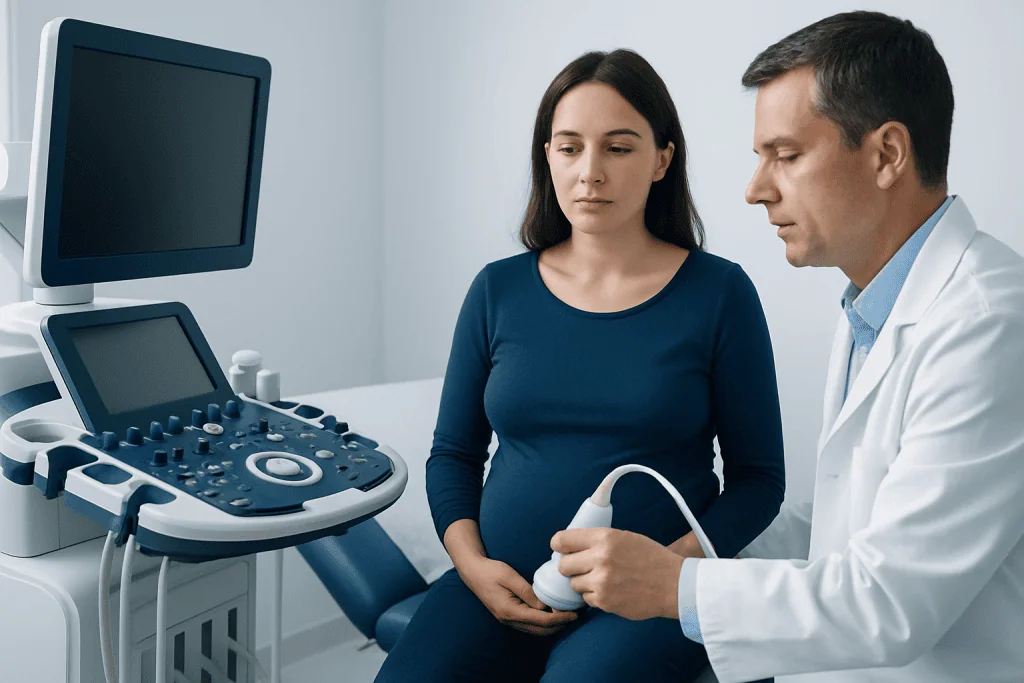
Imaging is often used to assess the uterus. Options may include transvaginal ultrasound, saline infusion sonography, hysterosalpingography, hysteroscopy, or MRI in selected cases. These tests look for a uterine septum, polyps, fibroids, adhesions, or other structural findings that may influence care.
Genetic testing of the parents, called karyotyping, may be suggested when the history or tissue results raise concern for a balanced chromosomal rearrangement. Testing is individualized; not every person needs every test. A good evaluation avoids both under-testing important causes and over-testing areas that do not change management.
Treatment Options and Care Planning
Treatment for recurrent miscarriage depends on what the evaluation shows. If a uterine septum or cavity-distorting abnormality is identified, minimally invasive surgery such as hysteroscopic correction may be considered. If thyroid disease, diabetes, or another medical condition is present, optimizing control before conception and during pregnancy can reduce risk and support overall health.
For confirmed antiphospholipid syndrome, doctors may recommend pregnancy-specific treatment with low-dose aspirin and an anticoagulant such as heparin, based on individual risk and specialist guidance. These medicines should not be started without medical supervision, because the diagnosis and safety considerations matter. If a parental chromosomal rearrangement is found, genetic counseling can explain reproductive options, including natural conception with testing during pregnancy or IVF with preimplantation genetic testing in selected circumstances.
When no specific cause is found, care is still active and meaningful. A plan may include preconception counseling, folic acid or prenatal vitamin guidance, review of medications for pregnancy safety, early ultrasound monitoring, and prompt access to the care team if symptoms occur. Some treatments that are widely discussed online, such as immune therapies or blood thinners without a confirmed indication, are not routinely recommended because evidence of benefit is limited or inconsistent.
Emotional care should be part of the plan. Counseling, support groups, grief-informed care, and clear communication can help patients feel less alone. Partners may grieve differently, and both may benefit from support. Planning the next pregnancy often includes discussing when it is physically and emotionally reasonable to try again, based on the type of loss, treatment received, and the patient’s readiness.
Prevention and Self-Care Before the Next Pregnancy
Not all miscarriages can be prevented, and self-care should never be viewed as a guarantee or a way to assign blame. However, improving general health before pregnancy can support fertility, early development, and maternal well-being. A preconception visit gives the clinician an opportunity to review medical conditions, medicines, supplements, vaccines, and timing of pregnancy attempts.
Helpful steps may include stopping smoking, avoiding alcohol and recreational drugs, limiting caffeine according to medical guidance, maintaining a balanced diet, and reaching a healthy weight range when possible. People with diabetes, thyroid disease, high blood pressure, autoimmune disease, epilepsy, or other chronic conditions should ask their doctor to optimize treatment before conception. Some medicines that are safe outside pregnancy may need to be changed before trying to conceive.
Patients may also wish to plan practical support for early pregnancy. This can include deciding when to schedule the first blood test or ultrasound, how to manage anxiety between appointments, and whom to contact if bleeding occurs. For many people, having a written care plan reduces uncertainty and helps them feel more prepared.
When to See a Doctor
Medical advice is recommended after two or more miscarriages, after any second-trimester loss, or after a miscarriage with severe pain, heavy bleeding, fever, or signs of infection. People should also seek care promptly if they have known medical conditions, a history of blood clots, autoimmune disease, repeated infertility, or a family history of chromosomal rearrangements or inherited conditions.
During pregnancy, urgent assessment is appropriate for heavy bleeding, fainting, severe one-sided pelvic pain, shoulder pain, fever, or feeling very unwell. These symptoms do not always mean miscarriage, but they need timely medical evaluation to rule out complications such as ectopic pregnancy or significant blood loss. For milder spotting or cramping, the care team can advise whether monitoring, blood tests, or ultrasound is needed.
Patients seeking coordinated evaluation may benefit from a multidisciplinary team that includes obstetrics and gynecology, reproductive medicine, genetics, endocrinology, hematology, and mental health support when needed. Acibadem International’s multidisciplinary specialists and JCI-accredited hospitals diagnose and treat recurrent miscarriage for international patients, including evaluation and care planning tailored to the individual situation.
Frequently asked questions
How many miscarriages are considered recurrent miscarriage?
Many specialists begin evaluation after two or more pregnancy losses, especially if the pregnancies were clinically confirmed. Some guidelines and clinics may define recurrent miscarriage differently, so the decision to test is individualized. Age, medical history, and the timing of losses can influence when evaluation is recommended.
Does recurrent miscarriage mean a person cannot have a baby?
No. Many people with recurrent miscarriage later have a successful pregnancy, including some whose evaluation does not identify a specific cause. A structured assessment can help find treatable factors and guide monitoring in the next pregnancy.
What tests are usually done after repeated miscarriages?
Testing may include blood tests for thyroid function, diabetes risk, prolactin when appropriate, and antiphospholipid antibodies. Doctors may also recommend uterine imaging and, in selected cases, genetic testing of pregnancy tissue or parental chromosomes. The exact test plan depends on the individual history.
Can stress cause recurrent miscarriage?
Everyday stress, grief, or anxiety is not considered a proven direct cause of recurrent miscarriage. However, repeated loss can be emotionally exhausting and may affect sleep, mood, relationships, and quality of life. Psychological support can be an important part of care even when stress is not the medical cause.
Are blood thinners helpful for recurrent miscarriage?
Blood thinners can be helpful for specific conditions such as confirmed antiphospholipid syndrome when prescribed by a doctor. They are not routinely recommended for everyone with recurrent miscarriage because they carry risks and may not help without a clear indication. Patients should not start aspirin, heparin, or similar medicines without medical advice.
When can someone try to get pregnant again after a miscarriage?
The right timing depends on physical recovery, the type of miscarriage, any procedures or complications, and emotional readiness. Some people may be able to try again relatively soon, while others need time for testing, treatment, or grieving. A clinician can provide personalized guidance based on the situation.
References
- American Society for Reproductive Medicine
- European Society of Human Reproduction and Embryology
- Royal College of Obstetricians and Gynaecologists
- American College of Obstetricians and Gynecologists
- World Health Organization
This article is for general information only and is not a substitute for professional medical advice. Please consult a qualified doctor about your individual situation.
Explore treatments in Turkey — costs, top hospitals & a free quote
JCI-accredited · board-certified surgeons · reply within 24h
Add us as a Preferred Source to see more of our trusted health content across Google Search, AI Overviews and Discover.