Recurrent miscarriage Symptoms: Early Signs You Should Not Ignore

Recurrent miscarriage, also called recurrent pregnancy loss, generally describes two or more pregnancy losses. Bleeding, cramping, fluid or tissue passing from the vagina, and a sudden reduction in pregnancy symptoms need timely clinical advice.
Key Takeaways
- Recurrent miscarriage, also called recurrent pregnancy loss, generally describes two or more pregnancy losses.
- Bleeding, cramping, fluid or tissue passing from the vagina, and a sudden reduction in pregnancy symptoms need timely clinical advice.
- Some miscarriages have no warning signs and are identified during an ultrasound appointment.
- Possible causes include chromosome changes, uterine conditions, hormone or metabolic conditions, and blood-clotting or immune-related disorders.
- A structured evaluation can help identify contributing factors and guide treatment before or during a future pregnancy.
Recurrent miscarriage symptoms most often involve two or more pregnancy losses, usually in the first trimester. Vaginal bleeding and cramping can occur in a miscarriage, but these symptoms do not always mean a pregnancy will end; medical assessment is important, especially after repeated losses.
Overview: What Recurrent Miscarriage Symptoms Mean
Recurrent miscarriage symptoms refer to symptoms that may occur during repeated pregnancy losses. A miscarriage is the loss of a pregnancy before the fetus can survive outside the uterus, most often during the first 12 to 13 weeks. Recurrent pregnancy loss is commonly defined as having two or more miscarriages, although definitions and the timing of investigations may vary between health systems.
The most common warning signs are vaginal spotting or bleeding, lower abdominal cramping, pelvic pain, and passing clots or tissue. However, light bleeding and mild cramps can also occur in healthy early pregnancies. Symptoms alone cannot confirm whether a pregnancy is continuing normally, so ultrasound and blood tests may be needed.
It is important to know that many miscarriages are caused by random chromosome changes in the embryo. They are not usually caused by everyday activities, work, exercise, sexual intercourse, or an isolated stressful event. After repeated losses, specialist assessment can look for factors that may be addressed in a future pregnancy.
Symptoms and Early Signs to Watch For
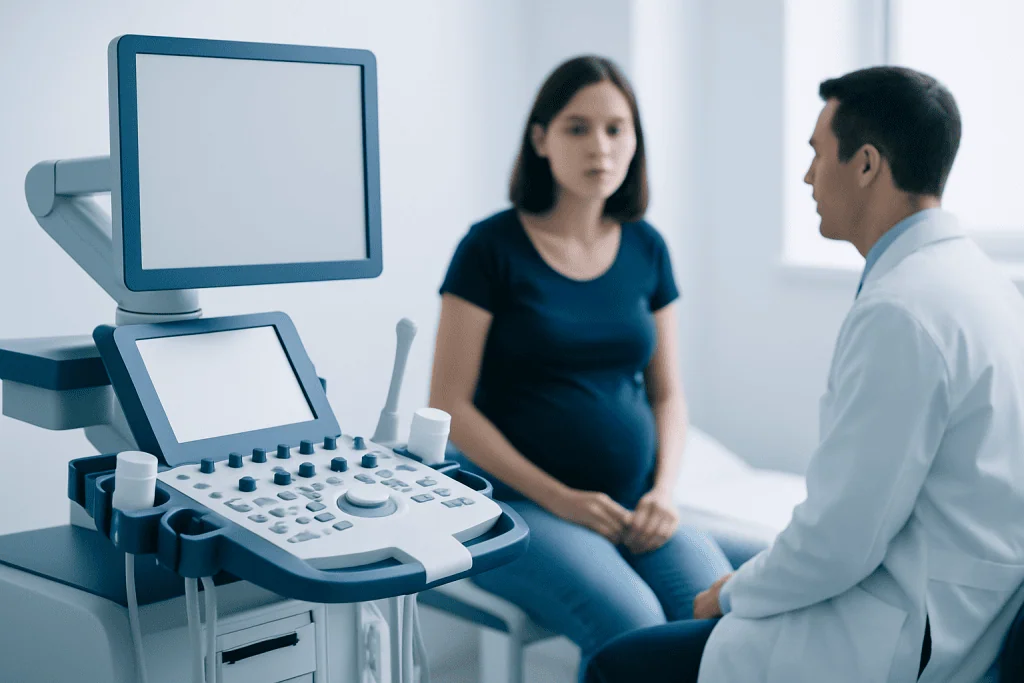
Vaginal bleeding is the most recognized miscarriage symptom. It may begin as light brown or pink spotting, or become heavier and bright red. Bleeding may be intermittent or continuous, and its amount does not reliably show whether a miscarriage is happening. Any bleeding in pregnancy should be discussed with a maternity care professional.
Cramping in the lower abdomen, pelvis, or lower back may occur with bleeding. The cramps can feel similar to menstrual pain or may become stronger and more regular. Passing blood clots, grayish tissue, or fluid from the vagina can also occur. If these symptoms happen, the person should contact their care team promptly for guidance.
Some people notice that nausea, breast tenderness, or fatigue lessen suddenly. A change in pregnancy symptoms alone is not a reliable sign of miscarriage because symptoms naturally vary. In a missed miscarriage, there may be no bleeding or pain; an ultrasound may show that the pregnancy has stopped developing.
- Light spotting or heavier vaginal bleeding
- Pelvic, abdominal, or lower-back cramps
- Passing clots, tissue, or fluid
- Persistent or worsening pelvic pain
- Pregnancy symptoms reducing suddenly, especially alongside bleeding or pain
Why Recurrent Miscarriage Can Happen

Repeated miscarriage can have more than one possible cause, and in some cases no clear explanation is found despite thorough testing. Random chromosome differences in an embryo are a frequent cause of isolated miscarriages. In recurrent loss, clinicians may also consider whether either parent carries a balanced chromosome rearrangement that can affect embryo development.
Changes in the shape or structure of the uterus can sometimes contribute. Examples include a uterine septum, certain fibroids, scar tissue, or adhesions within the uterine cavity. Conditions affecting hormones or metabolism, such as poorly controlled diabetes or thyroid disease, may also need assessment and treatment.
Antiphospholipid syndrome is an autoimmune condition associated with blood clots and pregnancy complications, including recurrent miscarriage. Age is another important factor because the chance of chromosome changes in eggs rises with age. Smoking, heavy alcohol use, recreational drugs, and significant uncontrolled chronic illness may increase risk, but many losses occur without an identifiable lifestyle-related reason.
People experiencing repeated loss may also benefit from information about related recurrent miscarriage care pathways, which can help coordinate testing, counselling, and future pregnancy planning.
Diagnosis and Recurrent Miscarriage Evaluation
A clinician will usually begin with a detailed pregnancy history, including the timing of each loss, ultrasound findings, any testing of pregnancy tissue, medical conditions, medications, family history, and previous pregnancies. This conversation is an important part of identifying patterns and deciding which tests are appropriate.
During a current pregnancy with bleeding or pain, assessment may include a pelvic examination, ultrasound, and blood tests that measure pregnancy hormone levels over time. Ultrasound can help confirm the pregnancy location, estimate gestational age, and assess development. It is also essential to rule out ectopic pregnancy, which requires urgent care.
After recurrent losses, testing may include blood tests for antiphospholipid antibodies, thyroid function, and other conditions based on the individual history. A pelvic ultrasound, saline ultrasound, hysteroscopy, or other imaging can evaluate the uterine cavity. Chromosome testing of pregnancy tissue, when available, and genetic testing for both partners may be discussed in selected situations.
Not every test is useful for every person. A fertility, obstetrics, or reproductive medicine specialist can tailor the evaluation, explain uncertain findings, and avoid unnecessary investigations.
Treatment Options and Fertility Procedures
Treatment depends on the findings rather than on the number of miscarriages alone. For example, thyroid disease or diabetes may be treated to improve overall pregnancy health. Antiphospholipid syndrome may require carefully supervised medication during pregnancy. A significant uterine septum or other cavity abnormality may sometimes be treated with surgery before trying to conceive again.
When genetic testing suggests that embryo chromosome changes are likely to be a major factor, genetic counselling can clarify reproductive options. In some circumstances, assisted reproduction with embryo testing may be considered. The most suitable approach depends on age, medical history, test results, prior pregnancy outcomes, and personal preferences.
Recurrent miscarriage treatment typically begins with targeted investigations and a personalized plan. If assisted reproductive treatment is recommended, candidacy is assessed through medical history, ovarian reserve testing, semen analysis where appropriate, uterine evaluation, and genetic counselling when indicated.
In vitro fertilization generally involves ovarian stimulation, egg collection, fertilization in the laboratory, embryo culture, and embryo transfer to the uterus. If embryo genetic testing is appropriate, a small sample is taken from an embryo in the laboratory before transfer. Recovery after egg collection is usually brief, though follow-up is needed for bleeding, pain, or symptoms of ovarian hyperstimulation. Benefits may include more information for treatment planning, while risks include medication effects, procedural complications, and the possibility that treatment may not lead to pregnancy.
Prevention, Self-Care, and Emotional Support
Not all miscarriages can be prevented, particularly those caused by random chromosome changes. Still, preparing for pregnancy can support general health. This includes taking folic acid as advised, attending appointments for long-term conditions, reviewing medicines with a clinician, avoiding smoking and recreational drugs, and avoiding alcohol when trying to conceive and during pregnancy.
Maintaining a balanced diet, regular movement that is suitable for the individual, and a healthy sleep routine can help overall well-being. These measures should never be presented as a guarantee against miscarriage. People should not blame themselves for a loss or assume that a single activity caused it.
Repeated pregnancy loss can bring grief, anxiety, anger, and uncertainty. Emotional support from a partner, trusted family members, a support group, mental health professional, or specialist pregnancy-loss service can be valuable. It is also reasonable to ask a clinician when it is medically and emotionally appropriate to try for another pregnancy.
Acibadem International’s multidisciplinary specialists and JCI-accredited hospitals support international patients with evaluation and treatment planning for recurrent miscarriage and related fertility concerns.
When to Seek Medical Care
Anyone who has had two or more pregnancy losses should arrange a consultation with an obstetrician, gynecologist, or reproductive medicine specialist, even if they are not currently pregnant. An evaluation can identify conditions that may be treatable and can provide a plan for monitoring a future pregnancy.
During pregnancy, contact a clinician promptly for any vaginal bleeding, new cramping, pelvic pain, or passage of tissue. Early assessment is especially important after previous miscarriage because ultrasound and blood tests can clarify what is happening and guide safe next steps.
Emergency care is needed for heavy bleeding that soaks pads quickly, severe or one-sided abdominal pain, shoulder-tip pain, fainting, dizziness, fever, chills, or feeling very unwell. These symptoms can indicate significant bleeding, infection, or an ectopic pregnancy and should not be managed at home.
Frequently asked questions
What are the most common recurrent miscarriage symptoms?
The main symptoms are vaginal bleeding, pelvic or lower abdominal cramping, back pain, and passing clots or tissue. Some miscarriages have no obvious symptoms and may only be found during an ultrasound. Bleeding and cramps can also occur in a continuing pregnancy, so professional assessment is important.
How many miscarriages are considered recurrent?
Recurrent pregnancy loss is commonly described as two or more miscarriages. Some guidelines previously used three losses, but many clinicians now recommend considering evaluation after two. The right time for testing also depends on age, medical history, and the details of prior pregnancies.
Can recurrent miscarriage happen without bleeding?
Yes. A missed miscarriage may cause little or no bleeding, cramping, or change in how a person feels. It is often diagnosed when an ultrasound shows that development has stopped or that there is no heartbeat when one would be expected.
Can stress cause recurrent miscarriage?
Ordinary stress, work, exercise, or sexual activity are not usually causes of miscarriage. Recurrent loss may be associated with chromosome changes, uterine conditions, certain medical conditions, or antiphospholipid syndrome, though no cause is found in some cases. Emotional support remains important because pregnancy loss can be highly stressful.
What tests are done after recurrent miscarriages?
Testing may include a detailed pregnancy and health history, ultrasound or other uterine imaging, blood tests for antiphospholipid syndrome and thyroid disease, and selected genetic tests. The exact work-up is individualized because not every test is useful in every situation. A specialist can explain what each result may mean for future pregnancies.
Can someone have a healthy pregnancy after recurrent miscarriage?
Many people with recurrent pregnancy loss go on to have a successful pregnancy, including some for whom no specific cause is identified. The outlook depends on factors such as age, pregnancy history, and whether a treatable condition is found. Early prenatal care and a personalized follow-up plan can provide appropriate support.
References
- American College of Obstetricians and Gynecologists
- American Society for Reproductive Medicine
- Royal College of Obstetricians and Gynaecologists
- National Institute for Health and Care Excellence
- World Health Organization
This article is for general information only and is not a substitute for professional medical advice. Please consult a qualified doctor about your individual situation.
Explore treatments in Turkey — costs, top hospitals & a free quote
JCI-accredited · board-certified surgeons · reply within 24h
Add us as a Preferred Source to see more of our trusted health content across Google Search, AI Overviews and Discover.