Recurrent Stroke: Why It Happens and How Prevention Plans Change

A recurrent stroke is another stroke that happens after a person has already had one. The risk of another stroke is often lowered by identifying the stroke type and its underlying cause.
Key Takeaways
- A recurrent stroke is another stroke that happens after a person has already had one.
- The risk of another stroke is often lowered by identifying the stroke type and its underlying cause.
- Prevention plans may include medicines, procedures, lifestyle changes, and regular follow-up.
- Blood pressure control, diabetes management, cholesterol treatment, and smoking cessation are central to prevention.
- Urgent medical help is needed for any new stroke warning signs, even if symptoms improve quickly.
Recurrent stroke means having another stroke after a previous one. Preventing it depends on understanding why the first stroke happened, reducing personal risk factors, and following a treatment plan that may change over time.
Overview
Recurrent stroke refers to a second or later stroke in someone who has already had a previous stroke. It can happen weeks, months, or years after the first event. A stroke occurs when blood flow to part of the brain is blocked or when a blood vessel in the brain ruptures, leading to brain injury. Because the underlying causes may continue unless they are treated, people who have had one stroke remain at higher risk for another.
Prevention after a first stroke is one of the most important parts of long-term care. The goal is not only recovery from the initial event, but also lowering the chance of future brain injury, disability, and complications. This usually involves a careful review of the original stroke, testing for hidden risk factors, and a plan that is tailored to the person’s age, medical history, stroke subtype, and daily habits.
Not all strokes have the same cause, so prevention is not the same for everyone. Some strokes are caused by a blood clot coming from the heart, some by narrowing in a neck artery, and others by disease in the small blood vessels of the brain. A person who has had a stroke or a transient ischemic attack may need a different prevention strategy depending on what doctors find during evaluation.
Symptoms of Another Stroke
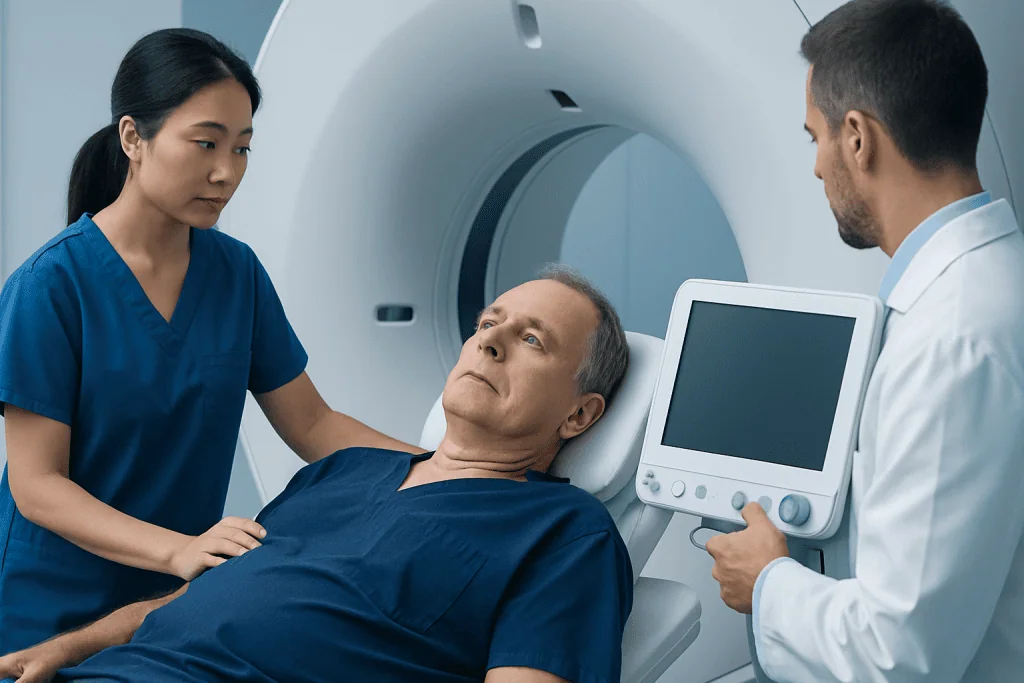
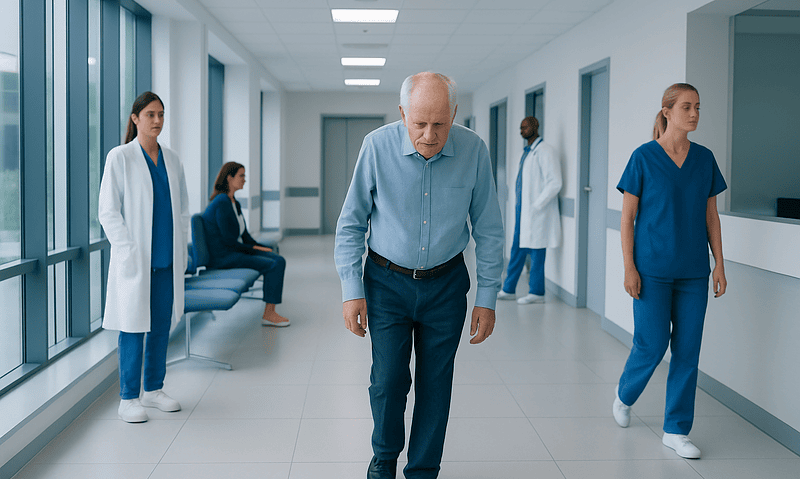
The warning signs of a recurrent stroke are usually the same as those of a first stroke. Symptoms often begin suddenly and may include weakness or numbness on one side of the face, arm, or leg; trouble speaking or understanding speech; sudden confusion; vision loss or double vision; severe dizziness; loss of balance; or a sudden severe headache, especially if bleeding is involved.
Some people experience only mild symptoms at first, and others may notice that signs come and go. Even brief symptoms matter. A transient ischemic attack, or TIA, is sometimes called a “mini-stroke,” but it should not be ignored. A TIA does not cause lasting brain injury in the same way a stroke does, yet it is an important warning that a more serious stroke may follow.
Family members and caregivers also play an important role. They may be the first to notice facial drooping, slurred speech, or unusual confusion. Seeking emergency care immediately is essential because rapid treatment can improve outcomes and may reduce the amount of brain tissue that is damaged.
- Sudden one-sided weakness or numbness
- Difficulty speaking or understanding words
- New vision changes
- Sudden trouble walking, loss of coordination, or severe dizziness
- A sudden severe headache unlike usual headaches
Why Recurrent Stroke Happens
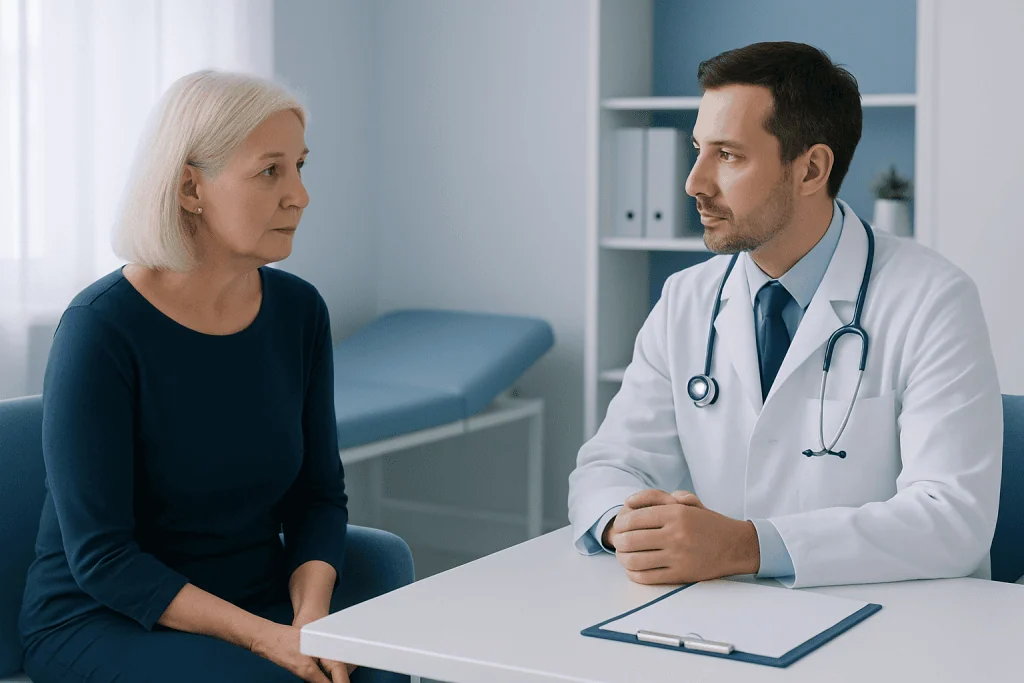
A recurrent stroke happens when the conditions that caused or contributed to the first stroke are still present or new risks develop over time. One common reason is ongoing vascular disease. High blood pressure, diabetes, high cholesterol, smoking, obesity, and physical inactivity can damage blood vessels and make clotting or bleeding more likely. If these factors are not well controlled, the risk of another stroke rises.
Another important reason is that the first stroke may have come from a specific source that requires targeted treatment. For example, atrial fibrillation can allow clots to form in the heart and travel to the brain. Narrowing in the carotid arteries can reduce blood flow or release plaque material. Small vessel disease can affect the tiny arteries deep in the brain. In some people, the cause may be a blood clotting disorder, inflammation of blood vessels, or an uncommon structural problem.
Sometimes a prevention plan needs to change because new information becomes available after the first stroke. Additional heart monitoring may reveal an irregular rhythm that was not seen before. Repeat imaging may show significant artery narrowing. In other cases, medicines may need adjustment because blood pressure remains high, cholesterol goals are not reached, or side effects make treatment hard to follow. These changes are one reason follow-up care is so important.
Risk Factors and Who Needs Closer Monitoring
Anyone who has had a stroke or TIA needs ongoing prevention, but some people need especially close monitoring. Risk is often higher in older adults and in people with uncontrolled blood pressure, diabetes, kidney disease, high cholesterol, sleep apnea, heart disease, or a history of smoking. Heavy alcohol use and use of certain drugs can also increase risk.
The pattern of the first stroke matters too. People with atrial fibrillation, significant carotid artery narrowing, repeated TIAs, or multiple prior strokes may need more intensive follow-up. Difficulty taking medicines consistently, problems with mobility, and cognitive changes after the first stroke can also affect prevention because they make it harder to follow daily treatment plans.
Social and practical factors matter as well. Limited access to healthy food, difficulty attending appointments, low health literacy, or living alone can all affect recovery and prevention. For this reason, effective stroke care often involves a team that includes neurologists, cardiologists, rehabilitation specialists, nurses, dietitians, and family or caregivers.
How Doctors Diagnose the Cause and Reassess Prevention
After a person has had one stroke, doctors try to determine exactly what type it was and why it happened. This helps shape the prevention plan for recurrent stroke. Evaluation may include brain imaging such as CT or MRI, imaging of the neck and brain arteries, blood tests, and heart tests such as an electrocardiogram, echocardiogram, or extended rhythm monitoring.
If a person develops new symptoms or has another stroke despite treatment, doctors usually reassess the entire picture. They may check whether the stroke was caused by a clot or bleeding, whether the original diagnosis was complete, and whether risk factors are being controlled. Sometimes this process leads to a change in medicine or to a procedure aimed at treating a narrowed artery or another identified source.
This reassessment is one reason follow-up visits should not be skipped even when recovery seems stable. Prevention is not a one-time decision. It often evolves over time as health conditions change, new tests are reviewed, and the balance between benefit and risk is reconsidered for each person.
Treatment Options and How Prevention Plans Change
Treatment to prevent recurrent stroke depends on the stroke type and cause. For ischemic stroke, which is caused by a blocked blood vessel, prevention often includes antiplatelet medicines or anticoagulants, depending on whether the clot likely formed in an artery or came from the heart. Cholesterol-lowering treatment, careful blood pressure control, diabetes management, and treatment of underlying heart conditions are also common parts of care. Hemorrhagic stroke, caused by bleeding, has a different prevention approach that focuses on blood pressure control, reviewing blood-thinning medicines, and identifying vascular abnormalities.
Some people benefit from procedures in addition to medication. If severe carotid artery narrowing is found, doctors may consider surgery or stenting in selected patients. If a clot-related stroke is happening acutely, hospital teams may use emergency treatments such as stroke thrombectomy when appropriate. Ongoing care may also include stroke rehabilitation to improve function, independence, and safety after the event.
Prevention plans often change after a second event or after new findings appear. For example, antiplatelet therapy may be reconsidered, an anticoagulant may be started if atrial fibrillation is detected, or a person may be referred for carotid endarterectomy if carotid disease is thought to be contributing. In some situations, treatment for associated conditions such as carotid artery disease becomes a key part of prevention.
Care should always be individualized. Factors such as age, kidney function, bleeding risk, memory, mobility, and other medical conditions all influence the best plan. At the end of the prevention pathway, some patients may seek care in specialized centers; Acibadem International’s multidisciplinary specialists and JCI-accredited hospitals diagnose and treat stroke-related conditions for international patients.
Prevention and Self-care After a Stroke
Daily self-care is a major part of preventing recurrent stroke. Taking prescribed medicines consistently is one of the most effective steps. Patients are usually advised not to stop blood pressure medicine, antiplatelet therapy, anticoagulants, cholesterol treatment, or diabetes medication without speaking to a doctor first. Regular follow-up visits help make sure treatment is working and that side effects are addressed early.
Lifestyle measures also make a meaningful difference. A heart-healthy eating pattern, limiting salt when advised, staying physically active within a doctor’s recommendations, maintaining a healthy weight, avoiding tobacco, and limiting alcohol can all support vascular health. Good sleep, stress management, and treatment of sleep apnea may also be part of the plan.
Safety and organization can help people stay on track. Pill organizers, written medication lists, home blood pressure checks, and family support are often useful. Rehabilitation teams may also suggest exercises, swallowing strategies, and home modifications that reduce falls and support long-term recovery. Prevention works best when medical treatment and everyday habits reinforce each other.
When to See a Doctor Urgently
Any possible stroke symptom should be treated as an emergency, even if it seems mild or goes away quickly. Fast treatment can save brain tissue and may improve the chance of recovery. A person should seek emergency care right away for sudden weakness, facial drooping, speech problems, new vision loss, severe dizziness, loss of coordination, or a sudden severe headache.
People who have already had a stroke should also contact their doctor promptly if they are having trouble taking medicines, noticing high home blood pressure readings, experiencing side effects, or finding it difficult to manage diabetes, mobility, or daily activities. These issues may not be emergencies, but they can increase future stroke risk if not addressed.
Ongoing follow-up is important even when a person feels well. Preventing recurrent stroke is a long-term process that depends on monitoring, adjustment, and communication with a qualified healthcare team. With a clear plan and consistent care, many people can lower their risk and protect their brain health.
Frequently asked questions
What is a recurrent stroke?
A recurrent stroke is another stroke that happens after a person has already had a previous stroke. It may be caused by the same underlying problem as the first stroke or by a new risk factor that develops later.
Is a TIA the same as a recurrent stroke?
No. A transient ischemic attack, or TIA, is a temporary interruption of blood flow to the brain and is different from a full stroke. However, a TIA is an important warning sign and should be treated urgently because it can signal a high risk of a future stroke.
Can recurrent stroke be prevented?
In many cases, risk can be lowered significantly with the right prevention plan. This often includes finding the cause of the first stroke, controlling blood pressure and other risk factors, taking prescribed medicines, and maintaining regular medical follow-up.
Why might the prevention plan change after the first stroke?
The plan may change if new test results reveal a cause that was not known at first, such as atrial fibrillation or carotid artery narrowing. It may also change if medicines are not controlling risk factors well enough or if side effects make another approach safer or more effective.
What lifestyle changes help reduce the risk of another stroke?
Stopping smoking, staying physically active, eating a heart-healthy diet, limiting alcohol, and managing weight can all support stroke prevention. It is also important to control diabetes, cholesterol, sleep apnea, and blood pressure with the help of a doctor.
When should someone seek emergency help for possible recurrent stroke?
Emergency help is needed immediately for sudden facial drooping, arm or leg weakness, speech trouble, vision loss, severe dizziness, or a sudden severe headache. Even if symptoms improve quickly, urgent evaluation is still important.
References
- World Health Organization
- American Stroke Association
- National Institute of Neurological Disorders and Stroke
- Centers for Disease Control and Prevention
- European Stroke Organisation
This article is for general information only and is not a substitute for professional medical advice. Please consult a qualified doctor about your individual situation.
Explore treatments in Turkey — costs, top hospitals & a free quote
JCI-accredited · board-certified surgeons · reply within 24h
Add us as a Preferred Source to see more of our trusted health content across Google Search, AI Overviews and Discover.
Check your numbers in seconds
BMI, calories, due date, blood pressure and 30+ more clinical calculators — free, instant, doctor-reviewed ranges.