Rehab Protocol for Shoulder Impingement: An Evidence-Based Patient Guide
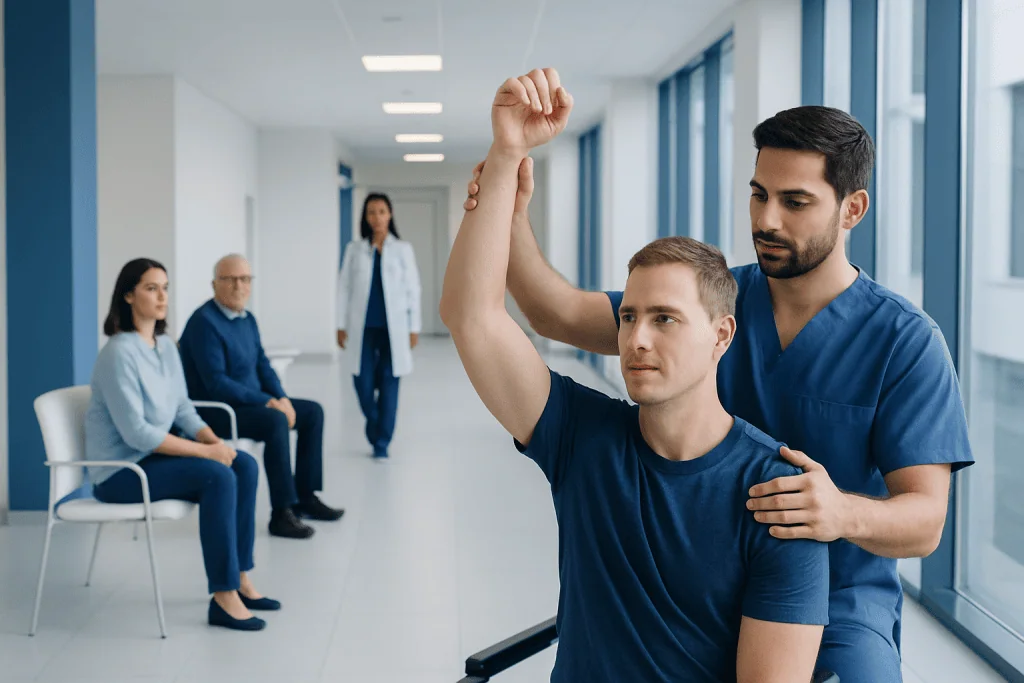
Shoulder impingement is often managed first with education, activity adjustment and progressive rehabilitation rather than complete rest. Exercises typically progress from pain-calming movement and posture work to rotator cuff, shoulder-blade and functional strengthening.
Key Takeaways
- Shoulder impingement is often managed first with education, activity adjustment and progressive rehabilitation rather than complete rest.
- Exercises typically progress from pain-calming movement and posture work to rotator cuff, shoulder-blade and functional strengthening.
- Mild exercise discomfort can be acceptable, but pain that is sharp, worsening or persists well after exercise should be discussed with a clinician.
- A clinician should assess significant weakness, sudden injury, loss of movement, deformity, fever, numbness or symptoms that do not improve.
- Surgery is not routinely needed, but may be considered when a structural problem and persistent symptoms remain despite appropriate non-surgical care.
A rehab protocol for shoulder impingement usually combines temporary activity modification with progressively targeted exercises for shoulder mobility, rotator cuff strength and shoulder-blade control. Most people improve with a personalized, consistent program, although the correct diagnosis and pace of progression are important.
Overview: What a Rehab Protocol for Shoulder Impingement Involves
A rehab protocol for shoulder impingement is a structured, gradual plan designed to improve comfortable shoulder movement, build strength and help a person return to daily activities, work or sport. The term “shoulder impingement” is commonly used for pain around the front or outer shoulder that is aggravated when the arm is lifted, particularly overhead. Clinicians may also describe this pattern as rotator cuff-related shoulder pain or subacromial shoulder pain.
Rehabilitation is not one fixed set of exercises. A physiotherapist or doctor tailors it to the person’s symptoms, job demands, sport, range of motion, strength and possible contributing conditions. The central aim is to restore the shoulder’s ability to tolerate load, rather than to avoid all use of the arm indefinitely.
Many people improve with non-surgical care over time. Improvement is often gradual, and symptoms can fluctuate as activity levels change. A careful assessment is valuable because similar pain can occur with a rotator cuff tear, frozen shoulder, neck-related pain, arthritis or instability.
Symptoms and Why Shoulder Pain Develops
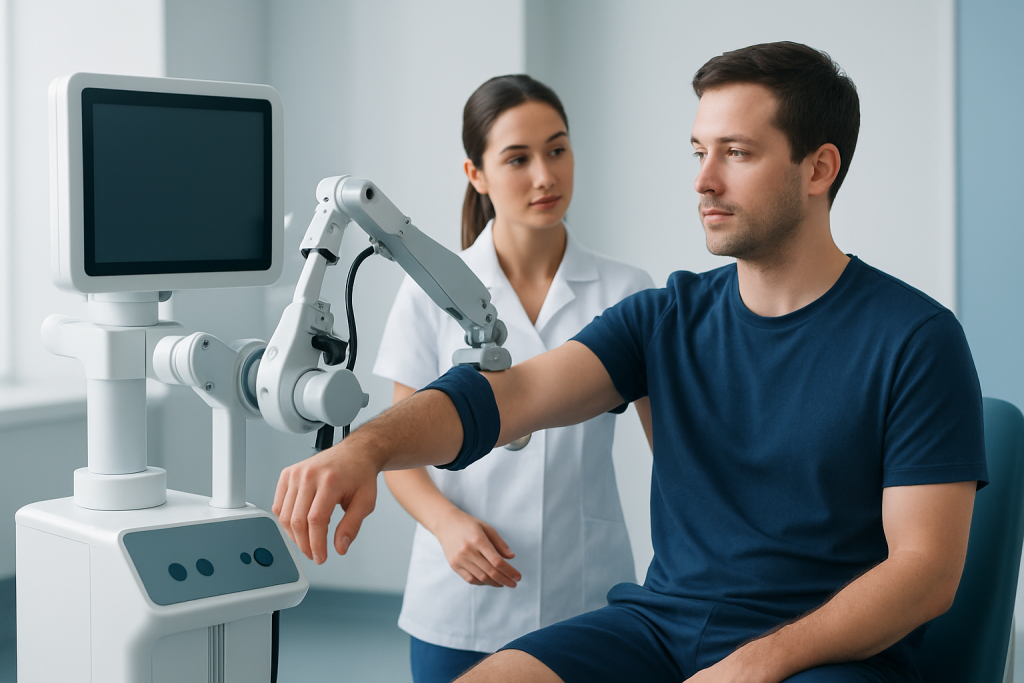
Typical symptoms include pain at the front or side of the shoulder when reaching overhead, lifting, dressing, fastening a seat belt or lying on the affected side. Some people notice a painful arc while raising the arm, a sense of weakness, stiffness or reduced confidence using the shoulder. Clicking or popping can occur, but does not by itself prove damage or determine whether treatment is needed.
The shoulder is a mobile joint that depends on coordinated movement of the upper arm bone, shoulder blade, collarbone and surrounding muscles. Pain may develop when the rotator cuff tendons and nearby tissues become sensitive to repeated loading, a sudden increase in activity, reduced strength, altered movement patterns or age-related tendon changes. The word “impingement” does not always mean that a tendon is being permanently pinched by bone.
Risk can increase with repetitive overhead work or sport, a recent change in exercise volume, previous shoulder injury, reduced shoulder or upper-back mobility, and weakness or poor endurance in the rotator cuff and shoulder-blade muscles. Diabetes, thyroid disease and smoking may also influence tendon health or recovery in some people.
Assessment, Candidacy and How Rehabilitation Is Planned
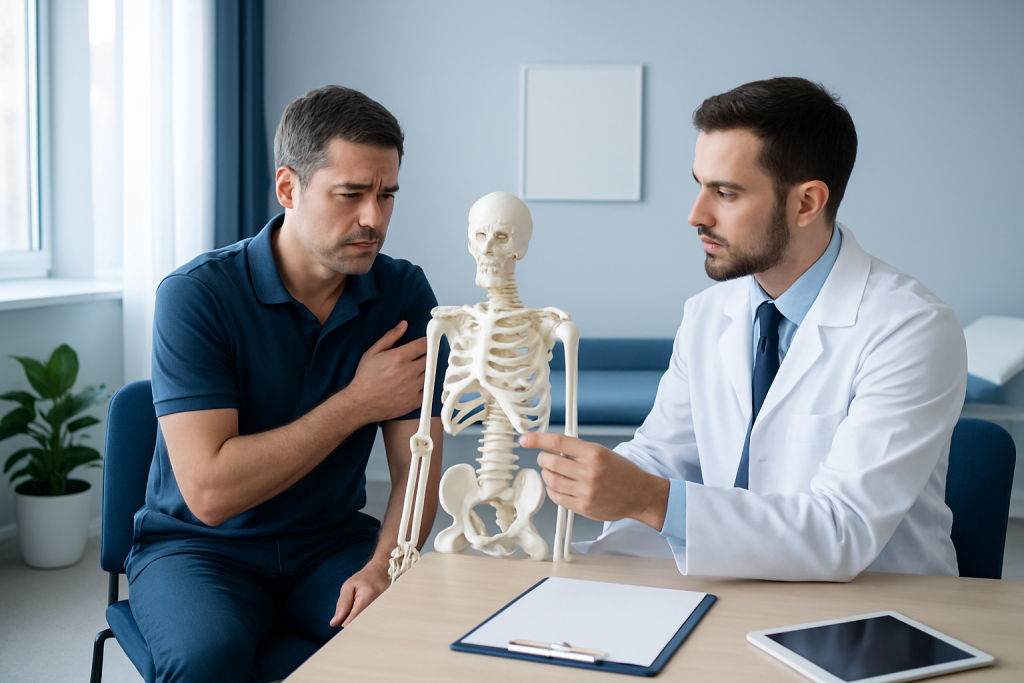
Most adults with non-traumatic shoulder pain are candidates for a guided rehabilitation program. A clinician will ask about the onset of symptoms, aggravating activities, previous injuries, work and sport requirements, sleep disturbance and medical history. The examination usually assesses neck movement, shoulder range of motion, strength, shoulder-blade control and signs that another condition may be present.
Imaging is not always necessary at the start. X-rays, ultrasound or MRI may be considered after a substantial injury, marked weakness, suspected arthritis or tendon tear, or persistent symptoms that do not respond as expected. Imaging findings must be interpreted alongside symptoms and examination, since tendon changes can also be present in people without shoulder pain.
A suitable program begins at a level the person can tolerate. Severe resting pain, a recent dislocation, fracture, suspected infection, progressive neurological symptoms or substantial loss of strength require medical assessment before starting routine exercises. Rehabilitation may also be adapted for people recovering from a shoulder operation or managing related conditions such as frozen shoulder.
At Acibadem International, orthopedic, physical medicine and rehabilitation specialists can assess persistent shoulder symptoms and coordinate individualized care for international patients at JCI-accredited hospitals.
Step-by-Step Rehabilitation: From Pain Control to Strength
Phase 1: Settle symptoms and maintain movement. The first stage focuses on avoiding repeated movements that sharply provoke pain while maintaining gentle, comfortable use of the arm. Complete immobilization is usually not helpful unless specifically advised after an injury. A clinician may recommend supported arm movements, pendulum exercises, gentle range-of-motion work and strategies to modify lifting, workstation setup or sleep position.
Phase 2: Restore mobility and shoulder-blade control. As pain becomes more manageable, the program may include active-assisted elevation, controlled rotation exercises, chest and upper-back mobility work, and low-load exercises for muscles that guide the shoulder blade. Good technique matters more than using heavy resistance. The objective is smooth, controlled movement without repeated symptom flare-ups.
Phase 3: Build rotator cuff and functional strength. Progression often includes resistance-band or light-weight exercises for external rotation, internal rotation, rowing patterns and shoulder-blade muscles. Exercises are advanced by changing resistance, repetitions, range or position. The affected shoulder needs enough capacity for real-life tasks, not simply the ability to complete a clinic exercise.
Phase 4: Return to specific activities. Work, recreation and sport are reintroduced gradually. This may involve practicing reaching, carrying, pushing, pulling or overhead tasks at manageable loads before returning to full demands. A supervised physical therapy and rehabilitation program can help select exercises and guide safe progression.
Recovery Timeline, Benefits and Possible Setbacks
Recovery varies according to the duration and cause of pain, daily demands, overall health and adherence to the program. Some people notice early improvement within several weeks, while meaningful gains in strength, endurance and confidence may take a few months. A gradual pace is normal, particularly when symptoms have been present for a long time.
The benefits of rehabilitation can include less pain during daily activity, improved movement, stronger shoulder support muscles, better tolerance of work or sport and reduced reliance on passive treatments. Regular practice is generally more important than performing many exercises at once. A clinician can advise how often to exercise and when to increase resistance or activity.
Temporary muscle fatigue or mild discomfort during rehabilitation can occur. However, sharp pain, a clear deterioration in function, substantial swelling, pain that remains markedly worse after activity, or symptoms that repeatedly flare after each session suggests the plan may need adjustment. Increasing exercise intensity too quickly is a common reason for setbacks.
Anti-inflammatory medicines or other pain-relieving options may be appropriate for some individuals, depending on their health history and clinician advice. In selected cases, an injection may provide short-term symptom relief that allows participation in rehabilitation, but it does not replace progressive strengthening and activity management.
When Procedures or Surgery May Be Considered
Most people with rotator cuff-related shoulder pain do not need surgery. A doctor may discuss additional treatment when there is persistent, function-limiting pain despite a well-planned rehabilitation program, or when assessment identifies another problem such as a significant traumatic rotator cuff tear, recurrent instability or advanced joint disease.
Possible procedures depend on the diagnosis. For example, a repair may be considered for certain rotator cuff tears, especially after an acute injury with weakness. Surgery to decompress the space above the rotator cuff is not routinely recommended for uncomplicated shoulder pain, as outcomes may not be better than carefully delivered non-surgical care for many patients.
When surgery is appropriate, recovery includes a staged rehabilitation plan. Early phases protect healing tissue and restore safe movement; later phases rebuild strength and return the person to functional tasks. Decisions should be made with an orthopedic specialist after discussing expected benefits, alternatives, rehabilitation requirements and the specific risks of the planned procedure. For appropriate structural conditions, shoulder surgery may be part of an individualized treatment plan.
Prevention, Self-Care and When to Seek Medical Care
To reduce recurrent shoulder symptoms, it can help to increase new activities gradually, vary repetitive tasks, take movement breaks during prolonged desk or overhead work, and continue a maintenance program for shoulder and upper-back strength. Good sleep, regular physical activity and avoiding tobacco can also support general musculoskeletal health. There is no single “perfect posture,” but changing positions regularly and maintaining comfortable work ergonomics may reduce sustained strain.
Medical care should be sought promptly after a fall, collision or sudden pulling injury if there is severe pain, visible deformity, inability to lift the arm, significant bruising or sudden weakness. Urgent assessment is also appropriate for shoulder pain with chest pressure, shortness of breath, sweating, dizziness or nausea, as these symptoms may have a cause outside the shoulder.
A non-urgent appointment is advisable if pain lasts several weeks, disrupts sleep, limits work or daily activities, causes increasing weakness or stiffness, or does not improve with sensible activity changes. A doctor should also assess fever, redness, warmth, unexplained swelling, persistent numbness or tingling, or pain spreading from the neck into the arm.
A qualified clinician can confirm the likely source of pain and provide a program that matches the person’s goals. Early guidance can be particularly useful for athletes, manual workers and anyone whose shoulder symptoms affect essential activities.
Frequently asked questions
What is the best rehab protocol for shoulder impingement?
The best protocol is individualized, but it usually progresses from comfortable movement and activity modification to rotator cuff strengthening, shoulder-blade exercises and task-specific loading. A physiotherapist can adapt the exercises to the person’s pain level, range of motion, work and sport demands. Programs should progress gradually rather than following a one-size-fits-all timetable.
Should shoulder impingement exercises hurt?
Mild, manageable discomfort during an exercise may be acceptable for some people, especially when symptoms are longstanding. Sharp pain, pain that increases steadily, or pain that remains substantially worse later that day or the next day is a sign to reduce the load and seek advice. Exercise should build tolerance, not repeatedly provoke a flare-up.
How long does rehabilitation for shoulder impingement take?
Some people begin to notice improvement within a few weeks, but recovery commonly takes several weeks to a few months. The timeline depends on how long symptoms have been present, the cause of pain, activity demands and consistency with the program. Strength and confidence for overhead tasks can take longer to return than basic daily movement.
Is rest enough to treat shoulder impingement?
Short-term reduction of painful activities can help settle symptoms, but prolonged complete rest may lead to stiffness and reduced strength. Most rehabilitation plans encourage gentle, tolerable movement followed by progressively increased loading. A clinician can advise which activities to temporarily modify and which movements are appropriate to continue.
Do I need an MRI for shoulder impingement?
Not always. Many cases can be assessed through history and physical examination, and initial treatment may be the same without imaging. MRI or ultrasound may be useful after a significant injury, with marked weakness, when a tendon tear is suspected, or when symptoms do not improve as expected.
When is surgery needed for shoulder impingement?
Surgery is generally not the first treatment for uncomplicated shoulder impingement symptoms. It may be considered when a clearly defined structural problem, such as certain traumatic rotator cuff tears, causes ongoing functional limitation despite appropriate non-surgical care. An orthopedic specialist can explain whether surgery is likely to offer meaningful benefit in an individual case.
References
- American Academy of Orthopaedic Surgeons
- American Physical Therapy Association
- National Institute for Health and Care Excellence
- Journal of Orthopaedic & Sports Physical Therapy
- World Health Organization
This article is for general information only and is not a substitute for professional medical advice. Please consult a qualified doctor about your individual situation.
Shoulder Impingement in Turkey — costs, top hospitals & a free quote
JCI-accredited · board-certified surgeons · reply within 24h
Add us as a Preferred Source to see more of our trusted health content across Google Search, AI Overviews and Discover.

More from the Health Library



Related Specialists

Assoc. Prof. Dr. Burak Özturan
Orthopedic Surgery & Traumatology
Prof. Dr. Cihan Aksoy
Physical Medicine & Rehabilitation
Dr. Deniz Genç
Gynecology & Obstetrics
Dr. Damla Akçora
Anesthesiology