

Rehab Robotics: An Evidence-Based Patient Guide
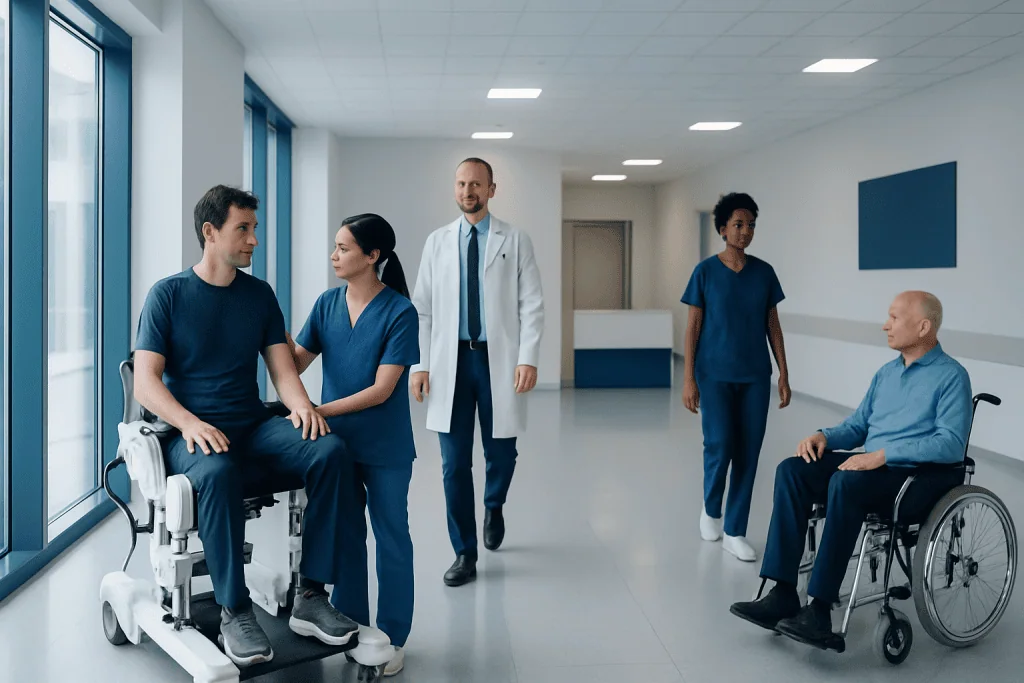
Rehab robotics includes devices for walking, balance, arm and hand movement, and daily activity practice. It is most often used after stroke, spinal cord injury, brain injury, and selected orthopedic or neurological conditions.
Key Takeaways
- Rehab robotics includes devices for walking, balance, arm and hand movement, and daily activity practice.
- It is most often used after stroke, spinal cord injury, brain injury, and selected orthopedic or neurological conditions.
- The technology provides repeated, task-focused practice while therapists set goals, monitor safety, and adjust the program.
- Benefits depend on the diagnosis, timing, functional goals, motivation, and access to conventional therapy alongside robotic sessions.
- Robotic rehabilitation is generally well tolerated, though fatigue, muscle soreness, skin irritation, and discomfort can occur.
- A rehabilitation assessment helps determine whether a device is appropriate and safe for an individual patient.
Rehab robotics uses computer-guided devices to help people practise meaningful movements during rehabilitation. It can increase the amount and consistency of therapy practice, but it complements rather than replaces skilled care from rehabilitation professionals.
Overview: What Is Rehab Robotics?
Rehab robotics refers to the use of robotic or computer-assisted devices during physical and occupational rehabilitation. These devices guide, support, resist, or measure movement while a person practises activities such as standing, walking, reaching, grasping, or moving an affected arm. The aim is not to make movement passive; it is to create safe, structured opportunities for frequent, meaningful practice.
Robotic rehabilitation is most commonly considered after neurological injury or disease, particularly following a stroke. It may also be used for people recovering from spinal cord injury, traumatic brain injury, multiple sclerosis, Parkinsonian disorders, joint surgery, or prolonged illness that has reduced mobility. The best role for the technology varies from person to person.
Evidence suggests that robot-assisted therapy can improve some movement and walking outcomes for selected patients, especially when it increases the overall amount of task-specific rehabilitation. However, results are not identical for every device, diagnosis, or stage of recovery. Rehab robotics works best as one part of an individualized rehabilitation plan that includes therapist-led exercise, education, and practice in real-life activities.
How Robotic Rehabilitation Works
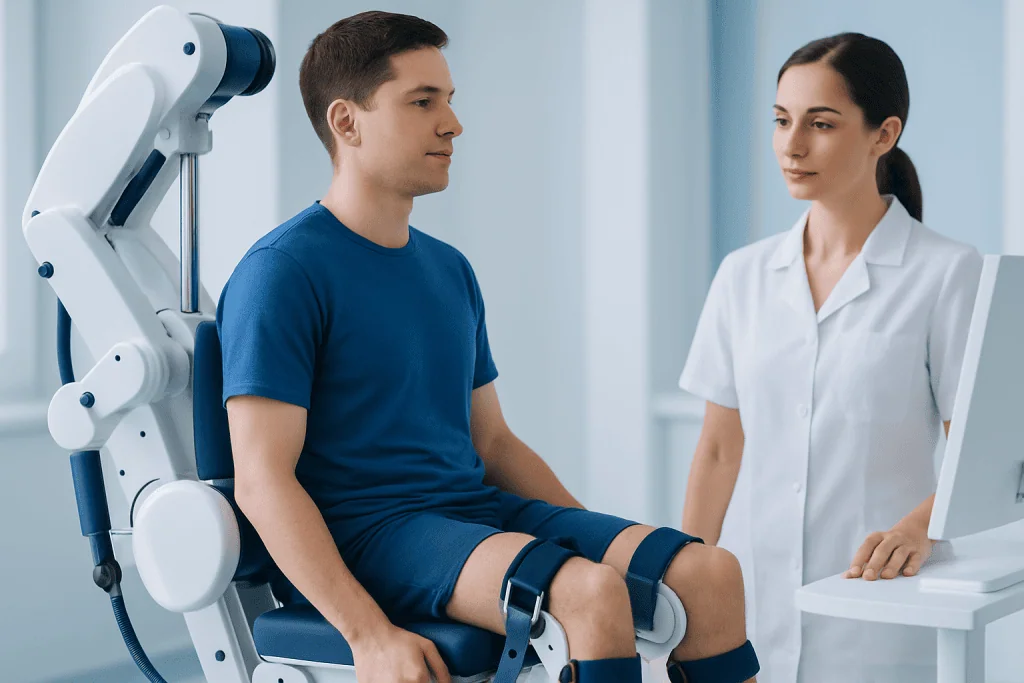
Rehabilitation robots are designed to interact safely with the body. Some are wearable systems, such as powered braces or exoskeletons that support the hips and knees during standing and walking. Others are stationary devices that support an arm on a moving platform, guide hand opening and closing, or provide balance and stepping exercises. Sensors record features such as range of motion, force, speed, weight shifting, and repetition count.
During a session, the therapist selects the task and adjusts settings such as body-weight support, assistance level, speed, resistance, and movement range. As the patient gains control, the device may provide less assistance or introduce more challenging tasks. Visual feedback, screen-based activities, and performance data can help keep the practice engaging and show progress over time.
The therapeutic principle is motor learning: the nervous system and muscles benefit from repeated, goal-directed practice. After a neurological injury, the brain can adapt through neuroplasticity, although the extent and pace of recovery differ widely. Robotics may make high-repetition practice more feasible, while the therapist ensures that movements are safe, purposeful, and relevant to the person’s daily goals.
Who May Be a Candidate?
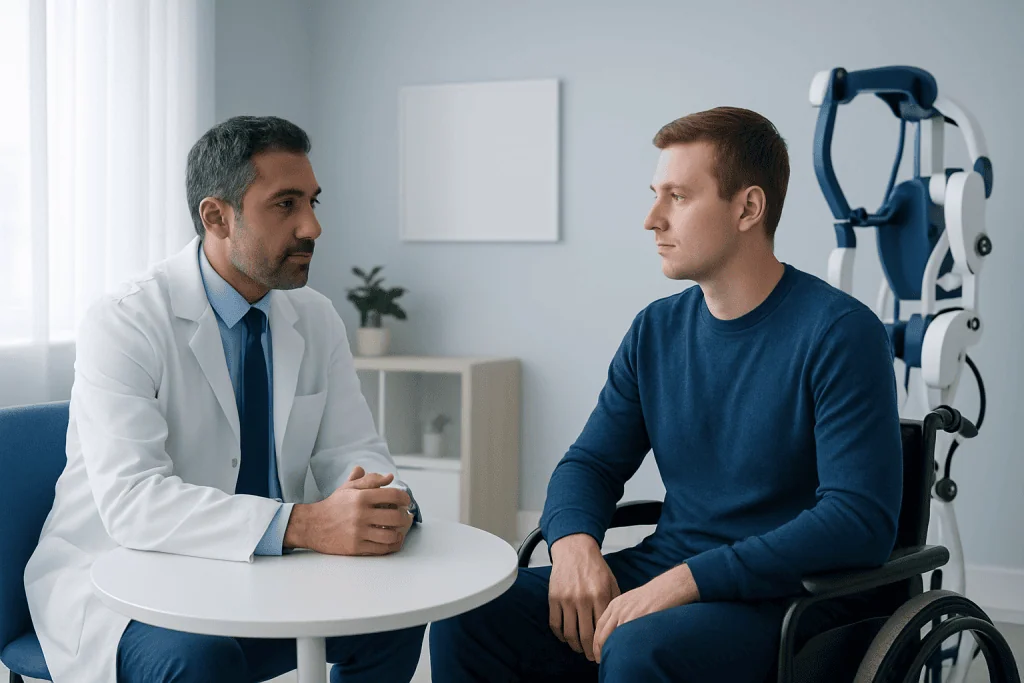
A person may be considered for rehab robotics when they have difficulty walking, maintaining balance, using an arm or hand, or completing functional tasks after an injury, surgery, or neurological condition. Early rehabilitation after a stroke or spinal cord injury may be one setting where supported movement is useful. It can also be considered later in recovery when the aim is to improve endurance, gait quality, arm function, confidence, or participation in daily activities.
Candidacy is based on more than a diagnosis. The rehabilitation team considers medical stability, alertness, ability to follow instructions, current movement ability, joint range of motion, bone health, skin condition, body size relative to device limits, and specific goals. The person’s comfort, preferences, fatigue level, and capacity to take part actively are also important.
Robotic therapy may need to be postponed, modified, or avoided in some circumstances. Examples include an unstable fracture, uncontrolled heart or breathing symptoms, active infection, severe pain, certain untreated blood clots, marked joint contractures, or skin wounds where equipment contacts the body. These decisions are individualized and should be made by a qualified clinician rather than by device availability alone.
What Happens During a Rehab Robotics Session?
Before starting, a physician and rehabilitation professionals assess the patient’s medical history, movement, strength, balance, sensation, endurance, and daily-function goals. They may use standardized tests to measure walking speed, arm use, balance, or independence with activities. This baseline helps the team decide whether robotics is suitable and provides a way to review progress.
At the session, the patient is positioned in the device, which may involve a harness, straps, supports, footwear, or a seated arm platform. The therapist checks fit, comfort, circulation, and alignment before movement begins. A brief warm-up or conventional exercise may be included, especially if muscles are stiff or the patient is new to training.
The active training phase usually involves repeated movements linked to a goal, such as stepping, transferring weight, reaching toward targets, or opening the hand to grasp an object. The device may initially support part of the movement and then gradually challenge the patient to do more independently. Therapists remain involved throughout, observing technique and adapting the program to symptoms and performance.
Afterward, the team may review feedback from the device and discuss fatigue, pain, dizziness, or other concerns. Robotic sessions are commonly combined with conventional physiotherapy, occupational therapy, speech and swallowing therapy when needed, and home exercises. For people recovering from stroke, an individualized stroke rehabilitation program may bring these elements together around functional goals.
Potential Benefits and Limits of the Evidence
A practical advantage of rehab robotics is that it can deliver consistent, measurable, high-repetition training. For people with substantial weakness, gait devices may allow earlier or safer stepping practice than unsupported walking. Upper-limb systems may enable repeated reaching and grasping practice when an arm is difficult to move against gravity. Objective measurements can also help therapists track change and tailor progression.
Research supports robot-assisted training as an option for some patients after stroke, particularly for improving aspects of arm activity or walking when delivered alongside usual rehabilitation. The size of benefit varies. A device may help one person practise more effectively while offering limited added value for another person who can already perform the same task intensively with conventional therapy.
Robotics does not replace hands-on clinical assessment, problem-solving, and practice in everyday environments. Learning to dress, cook, climb stairs, communicate needs, manage fatigue, or return safely to work often requires therapy beyond a device. The most useful plan links device-based practice with meaningful daily activities and clear goals chosen with the patient.
- Possible goals include safer standing, improved gait symmetry, better arm reach, greater endurance, and increased confidence with movement.
- Progress may be gradual and may include small but important gains in comfort, efficiency, or independence.
- Continuing conventional exercise and activity practice remains important whether or not robotics is used.
Risks, Comfort and Recovery Timeline
Rehab robotics is generally designed with safety features, but it is still a form of exercise and movement training. Temporary muscle soreness, fatigue, mild joint discomfort, skin redness under straps, or dizziness can occur. Some people feel anxious when first using a harness or moving device. Clear explanations, proper fitting, rest breaks, and gradual progression can improve comfort.
Less common concerns include loss of balance during transfers, excessive strain on a painful joint, pressure-related skin problems, or symptom worsening if training is too demanding. Therapists monitor vital signs and movement quality when appropriate and should stop or adjust a session if there is chest pain, severe shortness of breath, new neurological symptoms, marked dizziness, severe pain, or unusual weakness.
There is no single recovery timeline. Some people notice improved confidence or tolerance for practice within several sessions, while measurable changes in walking or arm function may take weeks or months. Recovery is influenced by the underlying condition, severity, time since injury, other health conditions, therapy frequency, sleep, mood, and opportunities to practise outside formal sessions.
Families can support recovery by encouraging safe participation, helping patients follow the agreed home program, and recognizing functional gains beyond device scores. A rehabilitation team can explain what outcomes are realistic, how progress will be measured, and when goals or treatment methods should change.
Prevention, Self-Care and When to Seek Medical Care
Rehab robotics is not a preventive treatment in itself, but maintaining general health can support rehabilitation. Patients should follow advice on prescribed medicines, nutrition, hydration, sleep, and gradual physical activity. Managing risk factors such as high blood pressure, diabetes, smoking, and inactivity is particularly important after stroke and other vascular conditions. Home exercises should be performed only as instructed, with appropriate support or mobility aids.
Patients should contact their rehabilitation clinician if pain, swelling, skin irritation, repeated falls, worsening weakness, new spasticity, or fatigue interferes with therapy. The team can review equipment fit, exercise intensity, and other possible causes. It is helpful to report concerns early rather than trying to push through symptoms.
Urgent medical assessment is needed for possible stroke symptoms, including sudden facial drooping, arm weakness, speech difficulty, new loss of balance, or sudden vision changes. Emergency help is also needed for chest pain, severe shortness of breath, fainting, or a sudden severe headache. These symptoms should not be attributed to rehabilitation exercise without prompt evaluation.
Acibadem International’s multidisciplinary rehabilitation specialists and JCI-accredited hospitals assess and treat neurological and orthopedic rehabilitation needs for international patients. A clinician can advise whether robotic therapy is appropriate within a broader, personalized recovery plan.
Frequently asked questions
Does rehab robotics replace physical therapy?
No. Rehab robotics is a tool used within physical therapy or occupational therapy, not a replacement for rehabilitation professionals. Therapists set goals, monitor safety, adapt training, and help patients transfer improvements into everyday activities.
Is robotic rehabilitation only for stroke?
No. Stroke is a common reason for robotic rehabilitation, but the technology may also be used after spinal cord injury, traumatic brain injury, orthopedic surgery, or with some progressive neurological conditions. Suitability depends on the person’s goals, medical condition, and ability to participate safely.
Is rehab robotics painful?
It should not be painful. Some people experience normal exercise-related muscle fatigue or mild soreness, especially when beginning a new program. Patients should tell the therapist promptly about pain, pressure, dizziness, or discomfort so the session can be adjusted.
How many robotic rehabilitation sessions are needed?
There is no universal number of sessions. Frequency and duration depend on the diagnosis, stage of recovery, endurance, goals, and the rest of the rehabilitation plan. The care team reviews progress regularly and adjusts the program as needed.
Can someone who cannot walk use a robotic walking device?
In some cases, yes. Certain systems provide harness support and guided stepping for people with significant weakness. A medical and rehabilitation assessment is needed first to confirm that the person can use the device safely.
What should a patient wear to a robotic rehabilitation session?
Comfortable clothing that allows movement is usually best, such as a T-shirt and flexible trousers or shorts. Closed, supportive footwear may be needed for gait training. The rehabilitation team can provide specific instructions based on the device being used.
References
- World Health Organization
- American Heart Association
- American Stroke Association
- Cochrane
- National Institute of Neurological Disorders and Stroke
This article is for general information only and is not a substitute for professional medical advice. Please consult a qualified doctor about your individual situation.
Explore treatments in Turkey — costs, top hospitals & a free quote
JCI-accredited · board-certified surgeons · reply within 24h
Add us as a Preferred Source to see more of our trusted health content across Google Search, AI Overviews and Discover.

More from the Health Library


Related Specialists

Dr. Nihan Akça Gür
Otorhinolaryngology
Fzt. Hamdi Kandemir
Physical Medicine & Rehabilitation
Dr. Nıloufar Poat Kısomı
Emergency Service
Dr. Ayşe Göbel
Internal Medicine