

Relapse: An Evidence-Based Guide for Patients

Relapse means symptoms or a condition return after a period of improvement, remission, or recovery. It can affect mental health, substance use, and many chronic physical illnesses.
Key Takeaways
- Relapse means symptoms or a condition return after a period of improvement, remission, or recovery.
- It can affect mental health, substance use, and many chronic physical illnesses.
- Relapse often develops gradually, with warning signs that may be noticed early.
- Treatment depends on the underlying condition and may involve medication changes, therapy, lifestyle adjustments, or further testing.
- Early medical review can reduce complications and help people regain control sooner.
Relapse is the return of a medical condition, symptoms, or a harmful behavior after a period of improvement or remission. It can happen in mental health conditions, substance use disorders, chronic illnesses, and some physical diseases, and it often signals a need to reassess treatment and support rather than a personal failure.
Overview: what relapse means
Relapse is the return of a disease, symptoms, or an unhealthy behavior after a person has improved. In everyday use, the term is often linked to addiction or mental health, but clinicians also use it for many physical conditions, including autoimmune disorders, inflammatory bowel disease, cancer, and neurological illnesses. A relapse may be mild and brief, or it may signal that the treatment plan needs to be reviewed.
Importantly, relapse is not the same as a temporary bad day or a short-lived flare that resolves quickly without consequence. In medicine, it usually refers to a meaningful return of symptoms after a period of remission, recovery, or stable control. The exact definition depends on the condition, so a doctor may use tests, symptom patterns, and timing to decide whether a person is experiencing a relapse.
For patients, the most helpful way to think about relapse is as a clinical event that deserves attention, not blame. Many conditions naturally follow a relapsing-remitting pattern, and even with good treatment, symptoms can recur. Recognizing change early can make treatment more effective and may prevent complications.
How relapse can appear in different conditions

Relapse does not look the same in every person or every disease. In depression or anxiety disorders, it may mean the return of low mood, panic, sleep problems, or loss of interest after improvement. In substance use disorders, it may involve returning to alcohol, nicotine, or drug use after a period of abstinence or reduced use. In chronic physical diseases, relapse can mean inflammation, pain, digestive symptoms, breathing problems, seizures, or other signs that the underlying illness has become active again.
Some conditions are especially known for periods of remission and recurrence. For example, inflammatory bowel disease can alternate between calm periods and active flares, and some neurological conditions can worsen and then improve. Cancer specialists may use the term relapse when cancer returns after treatment and remission, while other teams may use words such as recurrence or flare depending on the diagnosis.
Because the term is broad, patients should ask what relapse means in their specific case. A doctor can explain what symptoms matter most, what level of change should trigger a call, and whether monitoring blood tests, scans, or symptom diaries could help. For some people, understanding their diagnosis in the context of Crohn’s disease or multiple sclerosis makes the idea of relapse easier to recognize and manage.
Symptoms and warning signs
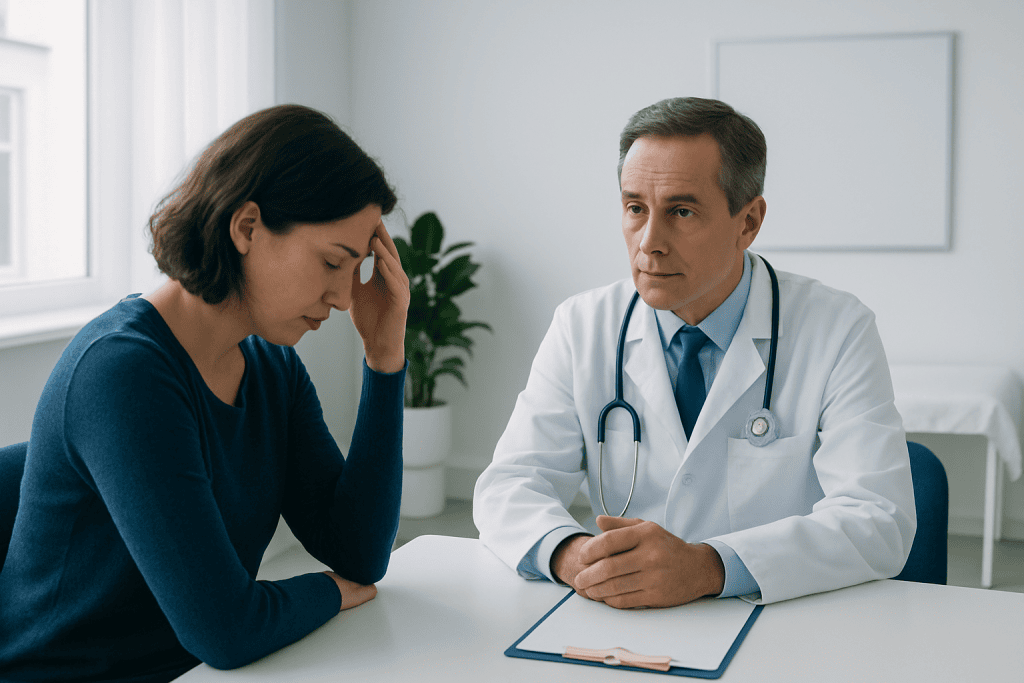
Warning signs often appear before a full relapse becomes obvious. These may include a gradual return of the same symptoms a person had before treatment, such as pain, fatigue, changes in appetite, low mood, irritability, concentration problems, bowel changes, shortness of breath, or sleep disruption. In substance use recovery, warning signs can also include cravings, avoiding support systems, secrecy, stress overload, or returning to high-risk situations.
Some relapses begin suddenly, but many build over days or weeks. A person may first notice reduced energy, more emotional reactivity, missed medications, reduced self-care, or increasing difficulty functioning at work, school, or home. Family members sometimes spot these changes earlier than the patient does, especially when behavior, memory, or motivation shifts gradually.
A simple way to respond is to track what has changed: when symptoms started, how severe they are, what may have triggered them, and whether medicines were missed or routines changed. Keeping a brief diary can help a clinician distinguish relapse from medication side effects, infection, stress-related worsening, or another new health problem.
- Return of previous symptoms after a stable period
- New difficulty with daily activities or self-care
- Worsening sleep, appetite, mood, or concentration
- Cravings or return to unhealthy coping behaviors
- Signs of inflammation or disease activity in chronic illness
Causes and risk factors
Relapse usually has more than one cause. Common contributors include stopping medication too early, not taking treatment regularly, untreated stress, poor sleep, major life changes, alcohol or drug use, infections, and inadequate follow-up care. In chronic physical illnesses, relapse can also happen despite good adherence because the disease itself has a variable course.
Risk factors differ by diagnosis. In mental health conditions, a previous history of repeated episodes, high stress, social isolation, and coexisting anxiety or substance use can increase risk. In autoimmune or inflammatory conditions, triggers may include infections, smoking, certain medicines, or loss of response to treatment over time. In cancer care, relapse risk depends on the tumor type, stage, and how it responded to treatment.
Relapse should not be understood as a lack of willpower. Biological factors, life circumstances, treatment access, and the natural history of disease all matter. A relapse-prevention plan is most effective when it addresses the whole picture, including symptoms, medications, daily habits, emotional health, and practical support.
How doctors diagnose and assess relapse
Diagnosis starts with a careful review of symptoms, timing, and the person’s baseline health. A clinician will ask when improvement occurred, how long remission lasted, what changed before symptoms returned, and whether there have been missed doses, medication changes, infections, or new stressors. In mental health and addiction care, structured questionnaires and clinical interviews may be used to assess severity and safety.
Testing depends on the underlying condition. Blood tests can look for inflammation, infection, organ function, or medication levels. Imaging such as MRI or CT may be needed if doctors suspect disease activity in the brain, spine, lungs, or other organs. Endoscopy, pathology, and other specialist tests may be used in gastrointestinal or oncological conditions. If relapse is suspected in a serious physical illness, doctors may evaluate for recurrence with targeted investigations, sometimes including PET-CT scanning when clinically appropriate.
The goal is not only to confirm relapse but also to rule out other explanations. For example, medication side effects, thyroid problems, anemia, infection, sleep disorders, or a new condition can mimic relapse. An accurate diagnosis helps avoid unnecessary treatment changes and ensures the person receives the most appropriate care.
Treatment options and relapse prevention
Treatment depends on what is relapsing and how severe the symptoms are. For mental health conditions, this may include restarting or adjusting medication, psychotherapy, improving sleep and daily structure, and addressing stress or substance use. For substance use disorders, treatment can involve counseling, relapse-prevention therapy, medication-assisted treatment when appropriate, and stronger recovery supports. In chronic physical disease, doctors may change medications, treat inflammation, manage complications, or recommend procedures and specialist monitoring.
Many people benefit from a written relapse-prevention plan. This usually lists personal warning signs, likely triggers, medications, follow-up appointments, emergency contacts, and the steps to take if symptoms return. Practical measures such as sleep regularity, medication reminders, exercise within medical limits, nutrition, stress management, and avoiding known triggers can all help reduce risk. In some conditions, treatment may involve specialist services such as chemotherapy or immunotherapy if relapse is related to cancer care.
Relapse prevention is not about perfection. It is about reducing risk, recognizing early changes, and responding quickly. If a person has repeated relapses, clinicians may reassess the diagnosis, review barriers to treatment, screen for coexisting conditions, and consider a more intensive care plan. Near the end of the care pathway, some patients may also seek evaluation at centers such as Acibadem International, where multidisciplinary specialists in JCI-accredited hospitals diagnose and treat complex relapsing conditions for international patients.
Self-care and when to seek medical care
Self-care during a possible relapse should focus on safety, observation, and early communication. It can help to continue prescribed medicines unless a doctor advises otherwise, maintain hydration and regular meals, prioritize sleep, avoid alcohol or non-prescribed drugs, and ask a trusted family member or friend for support. People with chronic illnesses may benefit from keeping their symptom diary, test results, and medication list organized for appointments.
Medical care should be sought promptly if symptoms are clearly returning, becoming more intense, or interfering with everyday life. A person should also contact a clinician if they have stopped medication, think a treatment is no longer working, or are unsure whether they are experiencing relapse or a new problem. Early review is especially important in diseases where relapse can cause organ damage, neurological symptoms, severe dehydration, or respiratory distress.
Urgent care is needed for red flags such as suicidal thoughts, overdose, chest pain, severe shortness of breath, sudden weakness, confusion, seizures, high fever, significant bleeding, or rapidly worsening symptoms. If a person is in immediate danger, emergency services should be contacted. Even when symptoms seem mild, a healthcare professional can help determine whether this is a short-term setback or a true relapse that needs treatment.
Frequently asked questions
What is the difference between relapse and recurrence?
The terms are sometimes used differently depending on the condition. Relapse often means symptoms return after improvement or remission, while recurrence is commonly used when a disease, especially cancer, comes back after treatment. In practice, doctors choose the term that best fits the diagnosis and pattern of illness.
Is relapse the same as treatment failure?
Not necessarily. A relapse can happen even when treatment was appropriate and helpful, especially in conditions that naturally come and go. It usually means the care plan should be reviewed, adjusted, or strengthened.
Can relapse be prevented completely?
Complete prevention is not always possible because some diseases have an unpredictable course. However, regular follow-up, taking treatment as prescribed, managing stress, sleeping well, and recognizing early warning signs can lower the risk and reduce severity.
How long does a relapse last?
The duration varies widely depending on the underlying condition and how quickly treatment begins. Some relapses improve within days, while others need weeks or longer to stabilize. A doctor can give a more realistic timeline based on the specific diagnosis.
What should a person do at the first sign of relapse?
The safest first step is to note the symptoms, continue prescribed treatment unless told otherwise, and contact the relevant healthcare professional. Early action can sometimes prevent a more severe episode. If there are emergency symptoms such as suicidal thoughts, trouble breathing, or sudden neurological changes, urgent care is needed.
Does one relapse mean a person will keep relapsing?
No. One relapse does not guarantee repeated episodes, although a history of relapse can increase future risk in some conditions. The experience can also be useful, because it helps patients and clinicians identify triggers and build a stronger prevention plan.
References
- World Health Organization
- National Institute of Mental Health
- National Institute on Drug Abuse
- Centers for Disease Control and Prevention
- National Health Service
This article is for general information only and is not a substitute for professional medical advice. Please consult a qualified doctor about your individual situation.
Persistent digestive symptoms? Get evaluated in Turkey
JCI-accredited · board-certified surgeons · reply within 24h
Add us as a Preferred Source to see more of our trusted health content across Google Search, AI Overviews and Discover.

More from the Health Library



Related Specialists

Dr. Burak Sercan Erçin (m)
Aesthetic Plastic & Reconstructive Surgery
Dr. Melisa Ulufi
Inpatient Clinic Physicians Clinical Service
Dt. İpek Mehmetoğlu Torun
Oral & Dental Health
Dr. Jülide Çeldir Emre
Pulmonary Medicine