Remedy for Hemorrhoids: An Evidence-Based Guide for Patients

Most hemorrhoids improve with fiber, hydration, toilet habit changes, and warm baths. Rectal bleeding should not be assumed to be hemorrhoids without medical evaluation.
Key Takeaways
- Most hemorrhoids improve with fiber, hydration, toilet habit changes, and warm baths.
- Rectal bleeding should not be assumed to be hemorrhoids without medical evaluation.
- Persistent pain, prolapse, or recurrent bleeding may need office procedures or surgery.
- Constipation, pregnancy, prolonged sitting, and straining are common contributing factors.
- Medical assessment is important if symptoms are severe, new, or do not improve.
A remedy for hemorrhoids usually starts with simple measures such as increasing fiber, drinking more water, avoiding straining, and using warm sitz baths. If symptoms do not improve, or if there is significant bleeding or pain, a doctor can confirm the cause and recommend office-based or surgical treatment when needed.
Overview: What is the best remedy for hemorrhoids?
A remedy for hemorrhoids depends on the type of hemorrhoid and how severe the symptoms are. For many people, the most effective first steps are practical and conservative: eating more fiber, drinking enough fluids, avoiding straining during bowel movements, limiting time on the toilet, and taking warm sitz baths. These steps reduce pressure in the rectal area and often allow irritated tissue to settle.
Hemorrhoids are swollen veins in or around the lower rectum and anus. Internal hemorrhoids develop inside the rectum and may cause painless bleeding or a feeling of prolapse. External hemorrhoids form under the skin around the anus and are more likely to cause itching, swelling, tenderness, or pain, especially if a clot forms.
Many people use the word “hemorrhoids” to describe any anal discomfort, but symptoms such as bleeding, pain, or a lump can also have other causes. Conditions such as anal fissures, colorectal polyps, inflammatory bowel disease, or infection may need different care. That is why a symptom-based approach is helpful, but medical confirmation matters when symptoms are persistent or unclear.
Symptoms and how hemorrhoids may feel
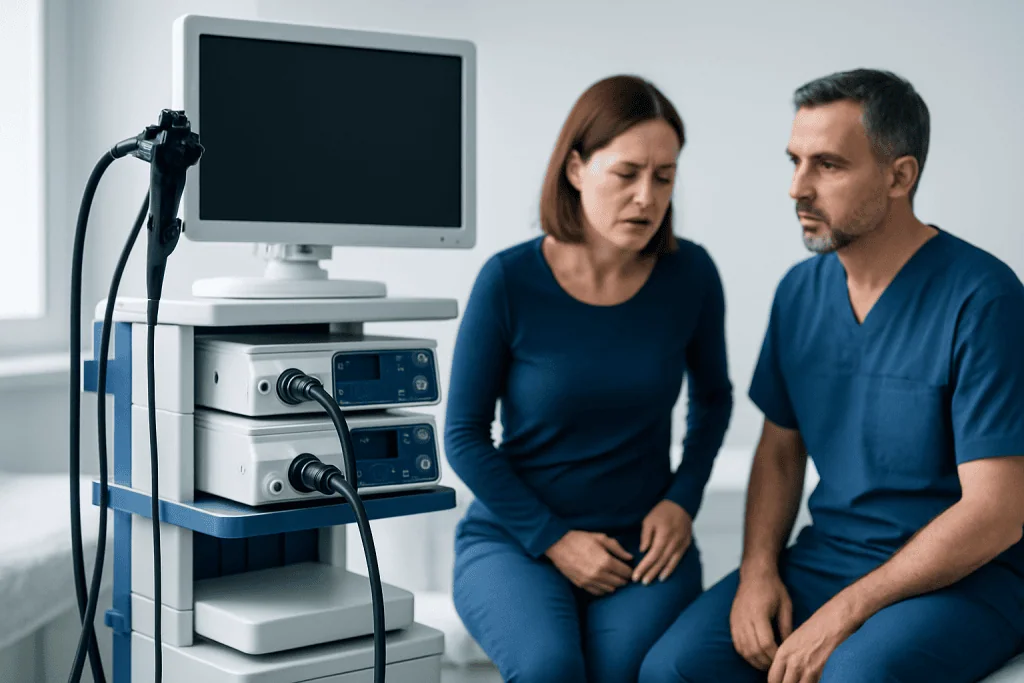
Hemorrhoid symptoms can vary. Internal hemorrhoids often cause bright red blood on toilet paper, in the bowl, or on the stool surface. They may also create a feeling of fullness or tissue bulging out during a bowel movement. External hemorrhoids may lead to itching, irritation, tenderness, or a painful lump at the anal opening.
Pain is not always present. In fact, small internal hemorrhoids may bleed without causing discomfort. By contrast, a thrombosed external hemorrhoid, where blood clots inside the swollen vein, can become suddenly painful and swollen over a short period.
Symptoms that deserve careful attention include:
- Rectal bleeding, even if it seems minor
- Persistent or worsening anal pain
- A lump that does not improve
- Mucus leakage or soiling
- Changes in bowel habits or unexplained weight loss
Because not all rectal symptoms are caused by hemorrhoids, a clinician may need to rule out related anorectal disorders or digestive conditions. In some cases, symptoms overlap with anal fissure or other causes of rectal bleeding that need a different treatment plan.
Why hemorrhoids develop: causes and risk factors
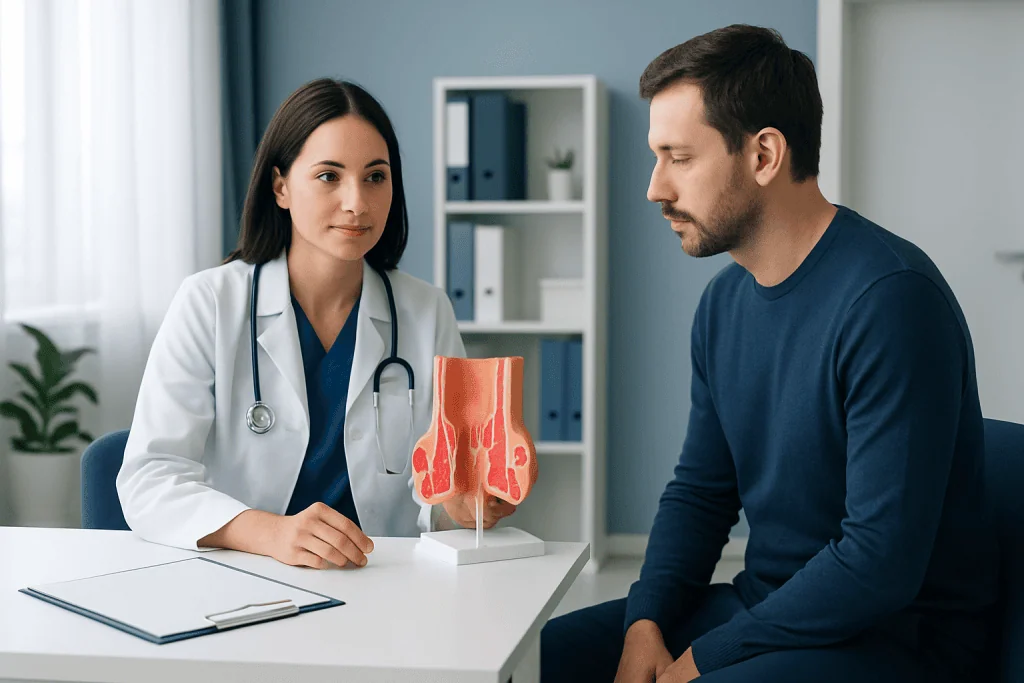
Hemorrhoids tend to develop when pressure repeatedly increases in the veins of the lower rectum and anus. This can happen with constipation, hard stools, straining, chronic diarrhea, or sitting on the toilet for a long time. Over time, this pressure can stretch and irritate the tissues that support the veins.
Pregnancy is another common factor because hormonal changes and pressure from the growing uterus can make hemorrhoids more likely. Aging also plays a role, as the tissues that support anal cushions may weaken. Heavy lifting, obesity, low-fiber eating patterns, and long periods of sitting can contribute as well.
Not everyone with these risk factors develops symptoms, and flare-ups may come and go. People who already live with digestive disorders may also notice more anorectal symptoms during bowel habit changes. For example, chronic constipation or diarrhea can be part of a broader digestive issue that deserves evaluation, such as irritable bowel syndrome.
Evidence-based home care and self-care remedies
For mild to moderate symptoms, conservative care is often the best remedy for hemorrhoids. The goal is to reduce irritation and make bowel movements easier. Fiber is one of the most consistently recommended measures. This may come from food, such as fruits, vegetables, legumes, and whole grains, or from a fiber supplement if a doctor advises it. It is usually important to increase fiber gradually and drink enough water to help prevent bloating and support softer stools.
Warm sitz baths can soothe irritation and help relax the area. Many patients also benefit from simple toilet habit changes: going when the urge appears, avoiding prolonged sitting on the toilet, and not straining. Gentle cleaning after bowel movements, rather than vigorous wiping, may reduce local irritation.
Some over-the-counter products may temporarily relieve itching or discomfort, but they do not correct underlying causes such as constipation or repeated straining. It is usually best to use these products exactly as directed and avoid extended self-treatment without medical advice, especially if symptoms continue.
Helpful self-care steps often include:
- Eating more fiber-rich foods
- Drinking water regularly unless a doctor has advised fluid restriction
- Using warm sitz baths for comfort
- Exercising regularly to support bowel function
- Avoiding heavy straining and long toilet sessions
- Managing constipation early rather than waiting for it to worsen
How doctors diagnose hemorrhoids
Diagnosis begins with a medical history and a focused physical examination. A doctor will ask about bleeding, pain, bowel habits, constipation, diarrhea, pregnancy, and any prior hemorrhoid treatment. The examination may include inspection of the anal area and, when appropriate, a digital rectal exam to assess tenderness, masses, or other abnormalities.
Internal hemorrhoids are not always visible externally, so additional office tools may be used. An anoscope can help the doctor see the lower rectum and identify internal hemorrhoids, irritation, or other lesions. If symptoms include bleeding, especially in older adults or in anyone with warning signs, further evaluation may be advised to rule out other causes.
Tests such as sigmoidoscopy or colonoscopy are not needed for everyone with suspected hemorrhoids, but they may be appropriate depending on age, medical history, family history, anemia, or changes in bowel habits. This is one reason self-diagnosis should be cautious: rectal bleeding deserves a proper explanation rather than assumptions.
Medical treatments when home remedies are not enough
If conservative measures do not bring enough relief, doctors can offer effective next-step treatments. Office-based procedures are often used for internal hemorrhoids that bleed or prolapse. These may include rubber band ligation, injection therapy, or infrared coagulation, depending on the hemorrhoid type and the person’s symptoms. The choice depends on comfort, severity, and how often symptoms return.
For large, recurrent, or complicated hemorrhoids, surgery may be recommended. Surgical options can be especially helpful when hemorrhoids prolapse significantly, recur despite office treatment, or cause substantial discomfort. In some settings, care may overlap with general surgery or a specialist in colorectal disease, depending on local practice and the exact procedure needed.
Painful thrombosed external hemorrhoids sometimes need urgent assessment, particularly if pain is severe and recent in onset. In selected cases, a doctor may consider a minor procedure to remove the clot or may recommend symptom control and observation. The right plan depends on timing, symptom intensity, and examination findings.
When hemorrhoids are part of broader bowel or pelvic floor problems, treatment may also involve digestive or pelvic health specialists. At the appropriate stage, some patients may be assessed through services such as gastroenterology to address contributing factors like constipation, bleeding, or overlapping digestive symptoms.
Prevention and long-term bowel habits
The most reliable long-term remedy for hemorrhoids is often prevention of repeated strain. A bowel routine that supports soft, easy-to-pass stools can lower the chance of flare-ups. This generally means enough dietary fiber, regular hydration, movement throughout the day, and prompt treatment of constipation.
It can also help to respond to the urge to pass stool rather than delaying repeatedly. Delaying bowel movements may lead to harder stools and more straining later. People who sit for long periods may benefit from standing, stretching, or walking breaks during the day.
Pregnant patients should discuss safe constipation prevention with their clinician, since hemorrhoids are especially common during pregnancy and after delivery. People with repeated anorectal complaints may also need evaluation for related causes of chronic bowel habit changes or bleeding, including digestive disease. In some cases, specialists may investigate overlapping lower digestive symptoms through colonoscopy when clinically indicated.
When to seek medical care
Medical care is advisable if hemorrhoid symptoms do not improve within a reasonable time, return frequently, or interfere with daily life. A doctor should also assess any rectal bleeding, because hemorrhoids are common but not the only cause. New bleeding, especially with fatigue, weight loss, or altered bowel habits, should not be ignored.
Urgent evaluation is important for severe pain, a rapidly enlarging painful lump, fever, weakness, heavy bleeding, black stools, or dizziness. These symptoms may point to a different problem or to bleeding significant enough to need prompt attention. Patients taking blood thinners should be especially careful and seek advice early if bleeding occurs.
Near the end of the care pathway, some patients benefit from multidisciplinary evaluation when symptoms are persistent or diagnosis is uncertain. Acibadem International’s multidisciplinary specialists in JCI-accredited hospitals diagnose and treat hemorrhoids and related digestive conditions for international patients.
Frequently asked questions
What is the most effective remedy for hemorrhoids at home?
For many people, the most effective home approach is a combination of more fiber, adequate fluids, warm sitz baths, and avoiding straining during bowel movements. These measures address the pressure and irritation that often keep hemorrhoids symptomatic. If symptoms continue, medical assessment is appropriate.
How long does it take for hemorrhoids to improve?
Mild hemorrhoid symptoms may improve over several days to a couple of weeks with consistent self-care. Recovery time varies depending on whether the hemorrhoid is internal, external, or thrombosed, and whether constipation or straining continues. Symptoms that persist or recur should be evaluated by a doctor.
Can hemorrhoids go away without treatment?
Some hemorrhoids, especially mild flare-ups, can settle on their own when the trigger passes and bowel habits improve. However, the underlying tendency may remain, so symptoms can return if constipation, diarrhea, or straining continues. Preventive bowel habits are important even after symptoms improve.
Is bleeding from hemorrhoids dangerous?
Bleeding from hemorrhoids is often minor, but rectal bleeding should not automatically be assumed to be harmless. Other conditions can also cause bleeding, including anal fissures, polyps, and colorectal disease. A clinician should confirm the cause, especially if bleeding is new, recurrent, heavy, or associated with other symptoms.
Do all hemorrhoids need surgery?
No. Most hemorrhoids do not require surgery and improve with conservative care or office-based procedures. Surgery is usually reserved for large, prolapsing, recurrent, or very symptomatic hemorrhoids, or when less invasive treatment has not worked.
Are hemorrhoids the same as anal fissures?
No. Hemorrhoids are swollen veins, while an anal fissure is a small tear in the lining of the anus. Both can cause discomfort and bleeding, but fissures often cause sharp pain during bowel movements. Because symptoms can overlap, an accurate diagnosis is helpful.
References
- National Institute of Diabetes and Digestive and Kidney Diseases
- American Society of Colon and Rectal Surgeons
- Mayo Clinic
- National Health Service
- Cleveland Clinic
This article is for general information only and is not a substitute for professional medical advice. Please consult a qualified doctor about your individual situation.
Hemorrhoids in Turkey — costs, top hospitals & a free quote
JCI-accredited · board-certified surgeons · reply within 24h
Add us as a Preferred Source to see more of our trusted health content across Google Search, AI Overviews and Discover.

General Surgery
Open, laparoscopic and robotic surgery for a broad range of abdominal and soft-tissue conditions.
120 specialists in this unitMore from the Health Library

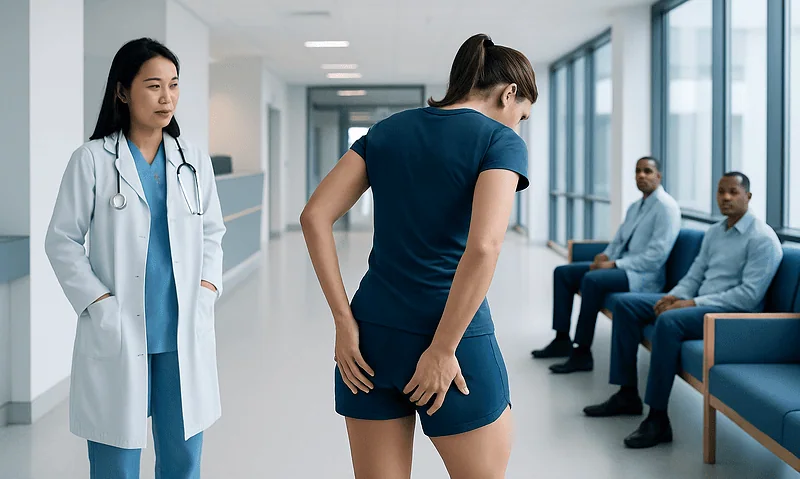

Related Specialists

Prof. Dr. Fulya Ağaoğlu
Radiation Oncology
Dr. İffet Ebru Saraç
Gynecology & Obstetrics
Fzt. Serkan Başkurt
Physical Medicine & Rehabilitation
Prof. Dr. Erkin Öztaş
Gastroenterology