Resection — Explained by Medical Evidence, Not Myths

Resection means surgically removing part or all of a structure such as an organ, tissue, or tumor. The procedure can be used for cancer, infection, injury, blockage, bleeding, or severe chronic disease.
Key Takeaways
- Resection means surgically removing part or all of a structure such as an organ, tissue, or tumor.
- The procedure can be used for cancer, infection, injury, blockage, bleeding, or severe chronic disease.
- Different techniques may be used, including open surgery, laparoscopic surgery, and robotic-assisted surgery.
- Recovery depends on the body area treated, the extent of surgery, and the person’s overall health.
- A doctor explains the benefits, risks, and alternatives before planning a resection.
Resection is a surgical procedure that removes part or all of a diseased organ, tissue, or growth. It is used to treat many conditions, including cancer, bowel disease, and damaged tissue, with the goal of improving health, relieving symptoms, or preventing disease from spreading.
Overview: what resection means
Resection is a medical term for surgery that removes part or all of a body structure. That structure may be an organ, a section of tissue, or a tumor. In simple terms, a resection is done when a surgeon needs to take out abnormal, damaged, infected, blocked, or diseased tissue to protect health or improve symptoms.
People often hear the word in cancer care, such as a bowel resection, liver resection, or lung resection. However, resection is not limited to cancer. It may also be used for conditions such as severe inflammation, trauma, intestinal blockage, bleeding, benign growths, or tissue that has lost blood supply.
The exact meaning depends on what is being removed. For example, a partial resection removes only the affected section, while a total resection removes the entire organ or structure if needed. Surgeons aim to remove the problem area while preserving as much healthy tissue and function as possible.
Why a resection may be needed
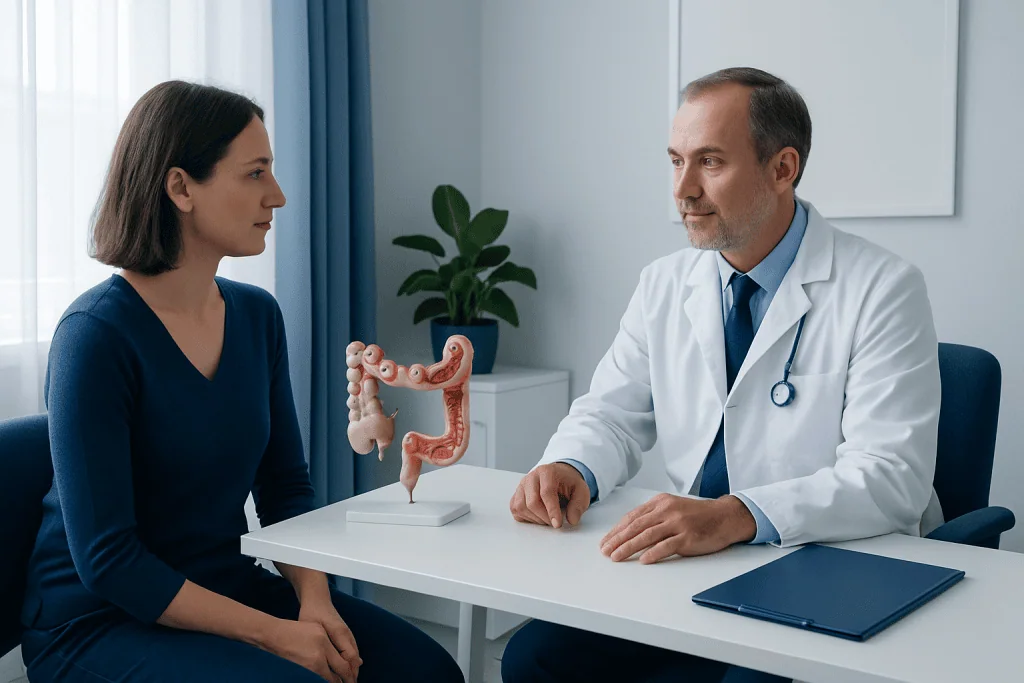
A doctor may recommend a resection when non-surgical treatment is unlikely to solve the problem or when removing tissue offers the best chance of control, cure, or symptom relief. In cancer care, resection may be done to remove a tumor and sometimes nearby tissue or lymph nodes. In non-cancer conditions, it may help when tissue is badly damaged, chronically inflamed, or causing repeated complications.
Common reasons for resection include disease that is limited to one area, severe symptoms that affect daily life, failure of medicines or less invasive procedures, or concern that a condition could worsen without surgery. A resection may also be part of emergency treatment, such as for a perforated bowel, severe bleeding, or dead tissue caused by a blocked blood supply.
Examples include removing a diseased part of the intestine in colon cancer, taking out a liver segment affected by a tumor, or removing tissue damaged by advanced diverticular disease. In some cases, resection is combined with reconstruction so the body can continue to function as normally as possible after the diseased part is removed.
Types of resection and how surgery is performed
There are many types of resection, and the name usually reflects the body part involved. A bowel resection removes part of the small or large intestine. A lung resection removes a section of lung tissue. A liver resection removes one or more segments of the liver. A gastric resection involves part of the stomach, and a pancreatic resection removes part of the pancreas. The principle is the same: remove the diseased area while preserving healthy tissue when possible.
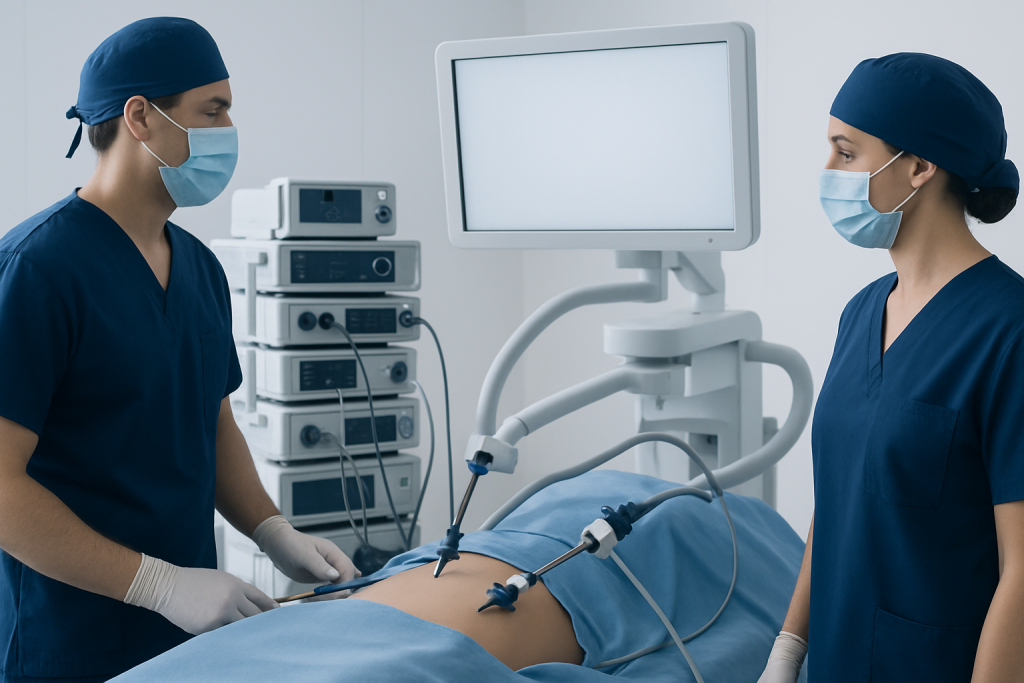
The operation may be performed through traditional open surgery or with minimally invasive methods. Open surgery uses a larger incision and may be needed for complex disease or emergency situations. Minimally invasive surgery uses smaller incisions, often with a camera and specialized instruments. Depending on the condition, some patients may be candidates for laparoscopic surgery or robotic-assisted surgery.
In many resections, the surgeon also restores continuity or function. For example, after a bowel resection, the healthy ends of the intestine may be joined together. In some situations, a temporary or permanent stoma is needed. If cancer is involved, the surgeon may remove nearby lymph nodes and send tissue for laboratory examination to help guide further care.
- Partial resection: only part of a structure is removed
- Total resection: the whole organ or structure is removed
- Segmental resection: one defined segment is removed
- Radical resection: a wider removal that may include nearby tissues
Conditions commonly treated with resection
Resection is used across many areas of medicine. In oncology, it is often a key treatment for solid tumors when the disease can be safely removed. This can include cancers of the colon, rectum, stomach, liver, pancreas, kidney, and lung. In digestive disease, it may be considered for strictures, repeated infections, severe inflammation, or tissue injury.
Non-cancer reasons are also common. A resection may be used for benign tumors, severe endometriosis, traumatic injury, bowel obstruction, uncontrolled bleeding, infection, or dead tissue after loss of blood flow. Sometimes it is planned in advance; in other cases, it is urgent or emergency surgery.
Because resection is a broad surgical concept rather than one single operation, treatment planning varies by specialty. Someone with liver cancer may need a different form of resection than a person with severe bowel disease. For selected cancers and other complex conditions, surgery may be part of a wider plan that includes imaging, pathology review, endoscopy, chemotherapy, radiation therapy, or intensive follow-up care.
Diagnosis and surgical planning before resection
Before a resection, doctors confirm the diagnosis and assess whether surgery is appropriate and safe. The evaluation usually includes a medical history, physical examination, blood tests, and imaging such as ultrasound, CT, or MRI. Depending on the condition, additional tests may include endoscopy, colonoscopy, biopsy, lung function testing, or heart assessment.
Planning focuses on three main questions: what needs to be removed, whether it can be removed safely, and how the body will function afterward. In cancer care, surgeons also consider tumor size, location, nearby structures, and whether there is evidence of spread. In non-cancer care, they look at the severity of symptoms, response to prior treatment, and the risk of complications without surgery.
Patients are also assessed for fitness for anesthesia and recovery. Factors such as age, nutrition, smoking status, diabetes, heart disease, lung disease, and kidney function can affect surgical risk. The care team explains the expected benefits, possible alternatives, likely recovery time, and risks such as infection, bleeding, leakage from a join in the bowel, or reduced organ function depending on the area treated.
Recovery, possible risks, and long-term outlook
Recovery after resection depends on the type of surgery, the extent of tissue removed, and the person’s overall health. Some patients go home within a few days after minimally invasive surgery, while major open procedures may require a longer hospital stay. Pain control, early movement, breathing exercises, wound care, and gradual return to eating are common parts of recovery.
All surgery carries some risk, but the exact risks vary by procedure. General risks include bleeding, infection, blood clots, and reactions to anesthesia. Procedure-specific risks may include leakage where tissues are reconnected, bowel changes, reduced organ function, scarring, or need for additional surgery. In cancer treatment, pathology results after surgery help determine whether more treatment is needed.
Long-term outlook depends mainly on the underlying condition rather than the word resection itself. For benign or localized disease, surgery may relieve symptoms or resolve the problem. For cancer, outcomes depend on the stage, margins, lymph node findings, and whether the disease has spread. Follow-up appointments are important to monitor healing, check function, review pathology, and adjust any ongoing treatment plan.
Prevention, self-care, and when to seek medical care
Not every condition that leads to resection can be prevented, but general health measures may lower risk and support better recovery if surgery becomes necessary. These include not smoking, limiting alcohol, staying physically active, managing chronic conditions, attending recommended cancer screening, and seeking care early for concerning symptoms. Good nutrition before and after surgery also supports healing.
If a doctor has already recommended resection, patients can prepare by asking clear questions about the reason for surgery, expected benefits, possible alternatives, and the recovery process. Following preoperative instructions closely, including fasting rules and medication guidance, can help reduce complications. After surgery, careful wound care and prompt attention to warning signs are important.
Medical care should be sought promptly for severe or persistent abdominal pain, unexplained bleeding, ongoing vomiting, new bowel blockage symptoms, difficulty breathing, chest pain, fever after surgery, worsening redness or drainage from a wound, or inability to eat or drink adequately. A resection is a significant procedure, but decisions are made carefully and with attention to both safety and quality of life.
For people needing evaluation or treatment, Acibadem International’s multidisciplinary specialists and JCI-accredited hospitals provide diagnosis and surgical care for international patients, including advanced oncology care and selected general surgery procedures when appropriate.
Frequently asked questions
What does resection mean in medicine?
In medicine, resection means surgically removing part or all of a body structure, such as an organ, tissue, or tumor. The goal is to remove diseased, damaged, or problematic tissue while preserving as much healthy function as possible.
Is resection always done for cancer?
No. Although the term is often used in cancer treatment, resection is also performed for non-cancer conditions such as severe inflammation, infection, blockage, bleeding, injury, or benign growths. The reason depends on the underlying disease and whether surgery is the best option.
What is the difference between resection and excision?
Both terms refer to surgical removal of tissue, but resection often implies removing part of a larger organ or structure. Excision may describe removing a smaller lesion or area of tissue. In practice, the exact wording can vary by specialty and procedure.
How long does recovery after resection take?
Recovery can range from days to several weeks or longer, depending on the body area treated, the size of the operation, and the patient’s overall health. Minimally invasive surgery may allow faster recovery than open surgery, but each case is individual.
What are the risks of resection surgery?
Common surgical risks include bleeding, infection, blood clots, and anesthesia-related complications. Some resections also carry specific risks related to the organ involved, such as leakage, reduced function, or need for further surgery. A surgeon explains these risks before treatment.
Can a person live normally after a resection?
Many people return to normal or near-normal daily life after a resection, especially when enough healthy tissue remains and recovery is uncomplicated. Long-term function depends on which organ was treated, how much was removed, and the condition being treated.
References
- National Cancer Institute
- MedlinePlus
- American College of Surgeons
- National Institute of Diabetes and Digestive and Kidney Diseases
- Mayo Clinic
This article is for general information only and is not a substitute for professional medical advice. Please consult a qualified doctor about your individual situation.
Persistent digestive symptoms? Get evaluated in Turkey
JCI-accredited · board-certified surgeons · reply within 24h
Add us as a Preferred Source to see more of our trusted health content across Google Search, AI Overviews and Discover.