Reverse Hyper Machine: What Patients Need to Know
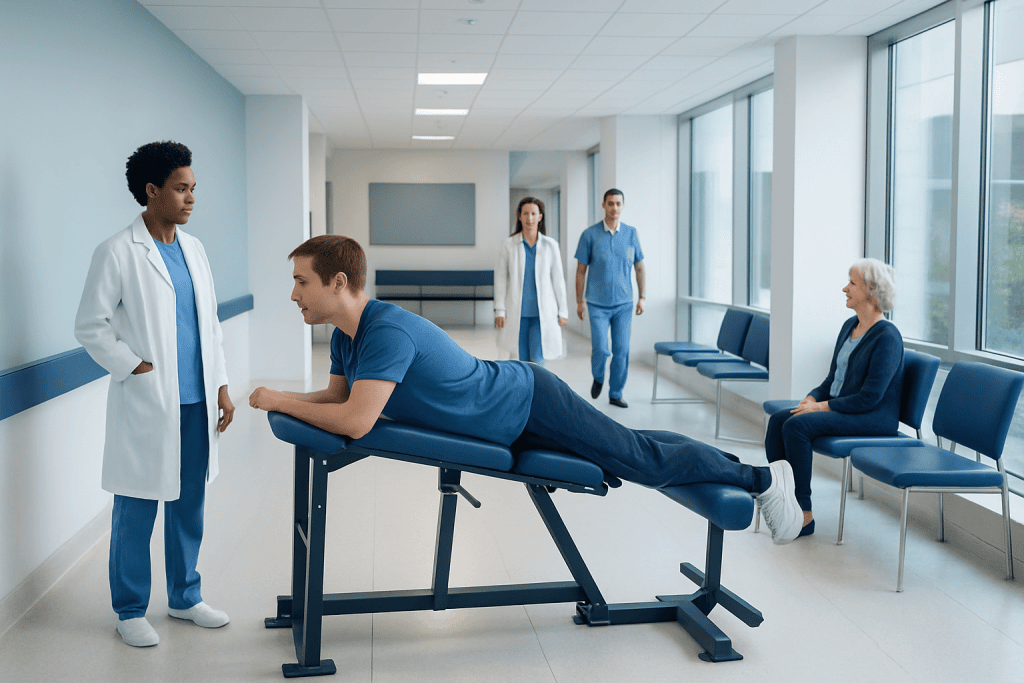
A reverse hyper machine targets the glutes, hamstrings, and spinal support muscles through hip extension. It may support strength and rehabilitation in selected cases, but it is not a universal treatment for back pain.
Key Takeaways
- A reverse hyper machine targets the glutes, hamstrings, and spinal support muscles through hip extension.
- It may support strength and rehabilitation in selected cases, but it is not a universal treatment for back pain.
- Poor technique, excessive range of motion, or heavy loading can aggravate back, hip, or nerve symptoms.
- People with active pain, recent injury, osteoporosis, or prior spine surgery should ask a clinician before using it.
- Starting with light resistance and controlled movement is safer than using momentum.
A reverse hyper machine is a gym device designed to train the glutes, hamstrings, and lower back through controlled hip movement. It can be helpful for some people, but safe use depends on technique, current symptoms, and whether a spine, hip, or nerve condition is present.
Overview: What a Reverse Hyper Machine Does
A reverse hyper machine is an exercise device that allows the legs to move behind the body while the pelvis is supported on a pad. The movement mainly comes from the hips, and the exercise is intended to work the glutes, hamstrings, and muscles that help support the lower spine. In practical terms, it is a form of posterior chain training rather than a direct treatment for a medical condition.
Some people use the reverse hyper machine to build strength, improve athletic conditioning, or return gradually to exercise after a period of inactivity or supervised rehabilitation. It is often discussed in connection with low back comfort because the machine can encourage hip extension while reducing the amount of body weight the spine carries during the movement. However, comfort during exercise does not always mean the exercise is appropriate for every person or every diagnosis.
For patients, the key question is not whether the machine is “good” or “bad,” but whether it matches their body, symptoms, and goals. A person with weak gluteal muscles and no acute pain may benefit from a carefully supervised program. By contrast, someone with severe back pain, leg numbness, or a recent injury may need assessment first, especially if there is concern for a condition such as a herniated disc.
How It Works in the Body
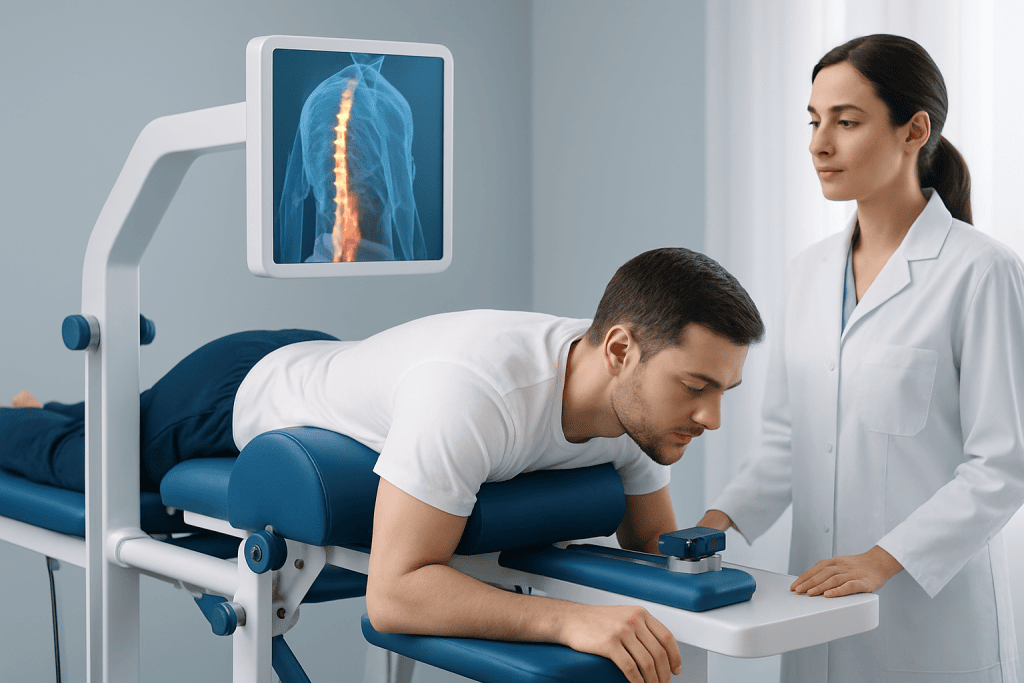
During a reverse hyper exercise, the pelvis stays supported while the legs swing or lift backward. This creates hip extension, which primarily uses the gluteus maximus and hamstring muscles. The abdominal muscles and lower back stabilizers also work to control the movement and keep the trunk steady.
The machine is different from floor back extensions or Roman chair exercises because the torso remains supported while the legs move. This changes the force pattern through the hips and lumbar area. Depending on the design of the machine and the user’s technique, some people feel a gentle traction-like sensation in the low back at the bottom of the movement, while others may feel compression or strain if they swing too forcefully.
From a rehabilitation point of view, the reverse hyper machine may be used as one part of a broader program that also includes mobility work, core control, breathing, walking, and other strengthening exercises. It should not replace a full evaluation when symptoms suggest a structural or nerve-related problem. If persistent symptoms are present, doctors may recommend a clinical assessment and, in some cases, MRI imaging to better understand the cause.
Potential Benefits and Who May Benefit

Used appropriately, a reverse hyper machine may help improve strength in the muscles that extend the hip and support everyday movement. Stronger gluteal and hamstring muscles can contribute to better lifting mechanics, stair climbing, balance, and exercise tolerance. For some individuals, this type of training may also reduce the overload placed on the lower back during daily tasks by improving how the hips share the work.
It may be especially useful for people who have difficulty activating the glutes, those returning to structured exercise after deconditioning, or athletes who need posterior chain conditioning. In a rehabilitation setting, trained professionals may use reverse hyper variations in a graded way after first assessing pain triggers, movement control, and tissue healing. The goal is usually to restore function, not simply to strengthen one body part in isolation.
That said, a reverse hyper machine is only one option among many. Similar training goals may sometimes be reached with bridges, hip hinges, cable pull-throughs, pool exercises, or guided physical therapy and rehabilitation. For patients with significant or recurring low back symptoms, individualized exercise selection is often more important than the specific machine used.
Risks, Limits, and Who Should Be Cautious
The main risk of the reverse hyper machine is that the movement can be performed with momentum rather than control. When the legs swing too high or too quickly, the lower back may move into excessive extension. This may aggravate pain in people with facet joint irritation, muscle strain, spondylolysis, some postsurgical spines, or conditions made worse by repeated extension.
Caution is also wise for people with active sciatica, radiating leg pain, numbness, tingling, recent disc injury, hip impingement, pelvic pain, severe osteoporosis, or poor balance getting on and off the machine. Pregnancy, recent abdominal or spine surgery, and uncontrolled pain are other situations where the exercise may not be appropriate without medical advice. If there is concern for nerve compression or spinal narrowing, such as spinal stenosis, exercise choice should be guided by a clinician.
Not every painful back responds well to strengthening right away. Sometimes the first step is reducing inflammation, restoring gentle movement, or confirming the diagnosis. People who already have a rehabilitation plan should not add heavy reverse hyper training without checking whether it fits their stage of recovery.
- Stop if pain sharply increases during the exercise.
- Do not use the machine to “push through” leg numbness or weakness.
- Avoid heavy resistance until technique is consistent and symptoms are stable.
- Ask for supervision if there is any history of back injury or surgery.
How to Use a Reverse Hyper Machine More Safely
Safer use begins with setup. The pelvis should be well supported on the pad, the hands should hold the handles securely, and the movement should come mainly from the hips rather than a forceful arching of the low back. Most people benefit from starting without added weight or with very light resistance while they learn the correct range of motion.
The legs usually only need to rise until the hips are extended in a controlled, comfortable range. Lifting higher is not necessarily better. A slow tempo, a brief pause, and a smooth return often provide a more useful training effect than swinging. If the machine causes pinching in the low back or front of the hips, the range should be reduced or the exercise stopped.
Warm-up matters as well. Gentle walking, hip mobility, and core activation can prepare the body before using a reverse hyper machine. After exercise, it can help to notice how the back feels later the same day and the next morning. Delayed soreness in the muscles may be normal, but lingering joint pain, increasing stiffness, or new nerve symptoms suggest the program needs to be modified.
How Doctors Evaluate Exercise-Related Back Pain
If symptoms begin or worsen with a reverse hyper machine, a doctor will usually ask where the pain is felt, whether it stays in the back or travels into the leg, and what movements trigger it. They may review exercise technique, training history, prior injuries, and any history of surgery or bone loss. A physical examination often checks strength, reflexes, sensation, hip motion, and signs that point to muscle strain, joint irritation, or nerve involvement.
Many cases of mild exercise-related back pain improve with activity modification and time. However, imaging or specialist review may be considered if symptoms are severe, persist, or include neurological signs. Depending on the situation, evaluation may involve orthopedic rehabilitation or consultation with a spine specialist to guide safe return to activity.
For people with ongoing pain, treatment may focus on correcting movement patterns, reducing irritability of the tissues, improving hip mobility, and building strength progressively. At Acibadem International, multidisciplinary specialists in JCI-accredited hospitals diagnose and treat musculoskeletal and spine-related concerns for international patients when further assessment is needed.
When to Seek Medical Care
Medical advice is important if back pain from exercise does not settle after a short period of rest and activity modification, or if the pain keeps returning whenever training resumes. Patients should also seek evaluation if they are unsure whether the discomfort is muscular or if it feels deep, sharp, or associated with limited movement.
Urgent assessment is needed for red-flag symptoms such as new leg weakness, numbness that is spreading, severe pain after trauma, fever, unexplained weight loss, or loss of bladder or bowel control. These symptoms do not necessarily mean a serious condition is present, but they should not be ignored.
People with a known spine condition, prior surgery, osteoporosis, or chronic neurological symptoms should check with a qualified doctor or physiotherapist before starting a reverse hyper machine program. Early guidance can help them choose exercises that support recovery without aggravating the underlying problem.
Frequently asked questions
Is a reverse hyper machine good for lower back pain?
It can be helpful for some people, especially when low back symptoms are mild and exercise is introduced gradually with good technique. However, it is not suitable for every cause of back pain, and some conditions can worsen with repeated back extension or swinging. A clinician can help decide whether it fits a person’s diagnosis and recovery stage.
What muscles does the reverse hyper machine work?
The exercise mainly targets the glutes and hamstrings. It also involves the lower back stabilizers and abdominal muscles, which help control the pelvis and trunk during the movement. The exact muscle emphasis depends on machine setup, range of motion, and technique.
Can a reverse hyper machine make sciatica worse?
Yes, it can in some cases. If the exercise increases pressure on irritated spinal structures or aggravates nerve sensitivity, symptoms such as buttock pain, tingling, or pain down the leg may worsen. Anyone with active sciatica should use caution and seek professional advice before trying it.
How often should someone use a reverse hyper machine?
Frequency depends on fitness level, symptoms, and overall exercise program. Many people do better starting conservatively and allowing time to see how the body responds before increasing sessions. A physiotherapist, rehabilitation doctor, or qualified trainer can suggest a safe schedule.
Should the legs swing high on a reverse hyper machine?
No. Higher is not always better, and excessive lifting can increase strain on the lower back or hips. A controlled, comfortable range with the movement driven by the hips is usually safer than using momentum.
Who should avoid the reverse hyper machine until they get medical advice?
People with severe or unexplained back pain, radiating leg symptoms, recent injury, prior spine surgery, osteoporosis, pregnancy-related concerns, or poor balance should ask a clinician first. The same applies to anyone with numbness, weakness, or symptoms that are getting worse. Medical guidance helps reduce the risk of aggravating an underlying condition.
This article is for general information only and is not a substitute for professional medical advice. Please consult a qualified doctor about your individual situation.
Joint and spine care in Turkey — expert assessment & treatment
JCI-accredited · board-certified surgeons · reply within 24h
Add us as a Preferred Source to see more of our trusted health content across Google Search, AI Overviews and Discover.

More from the Health Library

Brewers Yeast Benefits: What Patients Need to Know

Fainting Vagal: A Complete Medical Overview

Mysophobia: An Evidence-Based Guide for Patients

Neck Rolls: A Complete Medical Overview

Lentils — Explained by Medical Evidence, Not Myths