Rhinophyma Disease: Symptoms, Causes, and Treatment Options

Rhinophyma disease causes thickened skin and tissue overgrowth on the nose. It is usually linked to long-standing rosacea, but it is not caused by poor hygiene.
Key Takeaways
- Rhinophyma disease causes thickened skin and tissue overgrowth on the nose.
- It is usually linked to long-standing rosacea, but it is not caused by poor hygiene.
- Early evaluation may help control inflammation before tissue changes become more severe.
- Treatment may include medicines for rosacea and procedures that reshape excess tissue.
- A dermatologist or plastic surgeon can help choose the safest and most effective approach.
Rhinophyma disease is a chronic skin condition that causes the nose to become thickened, enlarged, and uneven in shape. It is most often associated with advanced rosacea, and treatment can improve both skin health and appearance.
Overview
Rhinophyma disease is a skin condition in which the nose gradually becomes enlarged, thickened, and irregular in contour. The surface may look swollen, bumpy, oily, or reddened because the skin and underlying sebaceous tissue have overgrown over time. Although it mainly affects the nose, it is usually considered part of the rosacea spectrum rather than an isolated disease.
This condition tends to develop slowly. In many people, facial flushing or rosacea symptoms appear first, followed later by persistent thickening of the nasal skin. Not every person with rosacea develops rhinophyma, but when it occurs, the changes can become noticeable enough to affect comfort, self-confidence, and breathing through the nose in more advanced cases.
Rhinophyma disease is benign, meaning it is not itself a cancer. However, the enlarged tissue can sometimes hide other skin problems, so a medical assessment is important. With proper treatment, symptoms can often be controlled and the nose can often be reshaped effectively.
How Rhinophyma Develops and What It Looks Like
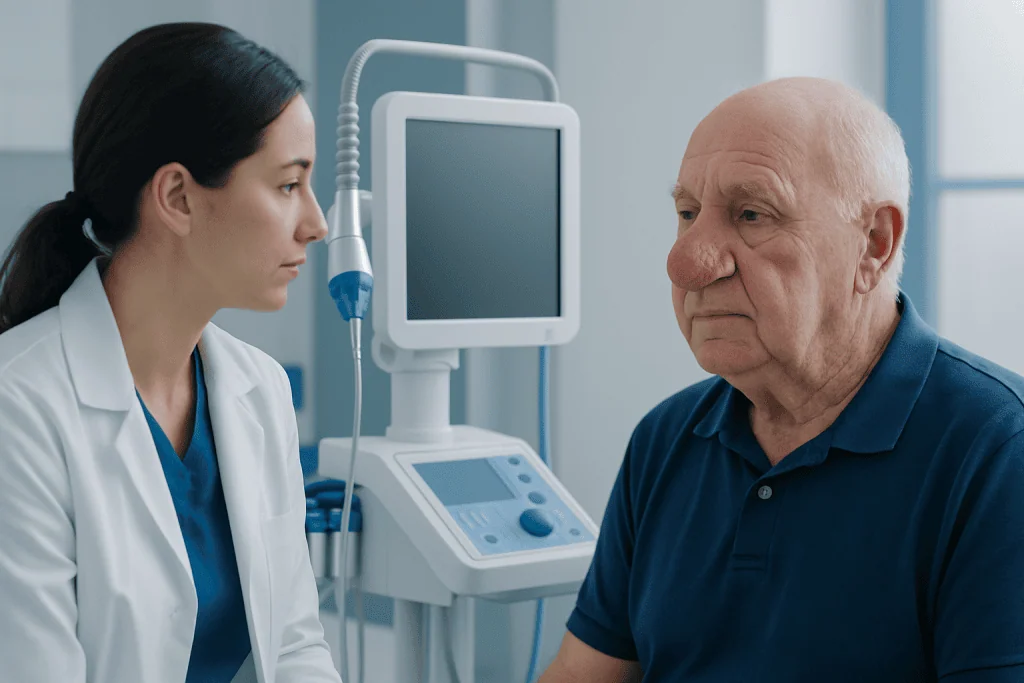
Rhinophyma disease usually develops through a gradual process of chronic inflammation and tissue overgrowth. The skin on the nose may first appear persistently red or sensitive, then become thicker and more textured over months or years. As the condition progresses, the pores may look larger and the shape of the nose may become rounder or more uneven.
The appearance can vary from person to person. Some people mainly notice diffuse thickening, while others develop obvious lobules or nodules that give the nose a bulbous look. The skin may also feel greasy because the oil glands are often enlarged.
Common features include:
- Persistent redness of the nose
- Visible enlarged pores
- Thickened or rough skin texture
- Bumpy, nodular, or bulbous nasal contour
- Swelling or a heavy feeling in the nose
- Prominent small blood vessels on the surface
These changes often progress slowly, which can make them easy to overlook at first. Some people seek help for cosmetic reasons, while others come for evaluation because the skin becomes uncomfortable, irritated, or difficult to keep clean.
Causes and Risk Factors

The exact cause of rhinophyma disease is not fully understood, but it is strongly associated with rosacea, a chronic inflammatory skin disorder that commonly affects the central face. Ongoing inflammation appears to contribute to skin thickening, enlargement of oil glands, and fibrosis, which is a type of scarring or tissue remodeling.
Rhinophyma is often discussed as a later-stage manifestation of rosacea, especially untreated or long-standing disease. Still, not everyone with rosacea will develop it. Some experts believe that genetics, immune system responses, blood vessel changes, and skin microorganisms may all play a role in how the condition develops.
Factors linked with a higher likelihood of rhinophyma include:
- Long-standing rosacea, especially rosacea with persistent redness
- Middle or older age
- Male sex
- Fair or sensitive skin types
- A history of facial flushing triggers, such as heat, spicy foods, or alcohol, in people with rosacea
A common misconception is that rhinophyma is caused by alcohol use alone. Alcohol can trigger flushing in some people with rosacea and may worsen visible redness, but it is not considered the sole cause of rhinophyma. The condition is also not the result of poor hygiene.
Diagnosis and Medical Evaluation
Doctors usually diagnose rhinophyma disease by examining the skin and reviewing the person’s history of facial redness, flushing, acne-like bumps, or other rosacea symptoms. In many cases, the appearance is characteristic enough that extensive testing is not needed. The main goal is to confirm the diagnosis and rule out other conditions that can mimic thickened skin on the nose.
A dermatologist may look closely for signs of active rosacea, enlarged blood vessels, inflammation, and the pattern of tissue overgrowth. If there is an unusual lesion, rapid change, ulceration, or an area that looks different from the surrounding tissue, a small biopsy may be recommended. This helps exclude skin cancers or other growths that can sometimes be hidden within rhinophymatous tissue.
Assessment may also include discussion of symptoms such as tenderness, recurrent irritation, crusting, or breathing difficulty. In more advanced cases, the doctor may evaluate whether the thickened tissue is narrowing the nostrils or interfering with normal airflow.
Because rhinophyma can overlap with other skin concerns, some people may benefit from a broader skin evaluation. If rosacea is active elsewhere on the face, treatment often aims to control both the visible inflammation and the tissue changes of the nose.
Treatment Options
Treatment for rhinophyma disease depends on how advanced the condition is and whether there is active rosacea-related inflammation. Medicines may help manage redness, bumps, and irritation associated with rosacea, but they usually do not reverse established thickening of the nasal tissue. For that reason, procedural treatment is often the main option once significant enlargement has developed.
For milder cases or earlier stages, a doctor may recommend medical management to control inflammation and reduce progression. This may include prescription creams, oral medicines, and lifestyle measures that help reduce rosacea flares. If the skin has become more bulky or distorted, procedures designed to remove excess tissue and reshape the nose are often considered.
Procedural options may include:
- Laser resurfacing to remove and contour thickened tissue
- Electrosurgery or radiofrequency techniques
- Dermabrasion for selected surface changes
- Surgical shaving or sculpting of excess tissue
- Reconstructive approaches when contour changes are more extensive, sometimes involving plastic and reconstructive surgery
The best method depends on skin thickness, the extent of deformity, healing goals, and the doctor’s experience. In some people, a specialist may combine reshaping techniques with ongoing dermatology care to control active rosacea and support long-term skin health. If nasal airflow is affected or there are related structural concerns, an ENT evaluation may also be helpful.
Prevention and Self-care
There is no guaranteed way to prevent rhinophyma disease, but early attention to rosacea symptoms may reduce ongoing inflammation and may lower the chance of progressive skin thickening. People who notice repeated facial flushing, redness around the nose and cheeks, visible blood vessels, or acne-like rosacea bumps should consider medical advice rather than waiting for the condition to settle on its own.
Daily skin care should be gentle and non-irritating. Harsh scrubs, strong exfoliants, and heavily fragranced products may worsen irritation in rosacea-prone skin. A mild cleanser, regular moisturizer, and broad-spectrum sun protection are often recommended to support the skin barrier.
Helpful self-care strategies may include:
- Identifying and limiting personal rosacea triggers
- Protecting the face from sun and extreme temperatures
- Using gentle skin-care products for sensitive skin
- Avoiding rubbing or picking thickened skin on the nose
- Following treatment plans consistently if rosacea has already been diagnosed
Self-care can support treatment, but it cannot remove established rhinophyma tissue. If the nose is already becoming enlarged or uneven, professional assessment is the most reliable way to understand the cause and discuss treatment options.
When to Seek Medical Care
Medical care should be sought if the nose becomes persistently red, thickened, bumpy, or enlarged, especially if these changes are getting worse over time. A doctor should also assess any area that bleeds easily, forms a sore, changes quickly, or looks different from the surrounding skin. These signs do not always mean something serious, but they do need proper evaluation.
People with diagnosed rosacea should also arrange review if usual treatments are no longer controlling symptoms or if the nose begins to change shape. Earlier treatment may make care simpler and help limit progression. If breathing through the nostrils feels obstructed because of swelling or tissue overgrowth, more prompt assessment is important.
Rhinophyma disease can have emotional as well as physical effects. Some people delay care because they feel embarrassed about facial changes. In reality, it is a recognized medical condition, and evaluation is appropriate at any stage. Near the end of the care pathway, some patients may be treated in multidisciplinary centers; Acibadem International’s JCI-accredited hospitals offer diagnosis and treatment for international patients through dermatology, ENT, and reconstructive specialists.
Frequently asked questions
Is rhinophyma disease the same as rosacea?
Rhinophyma disease is not exactly the same as rosacea, but it is commonly considered part of the rosacea spectrum. It usually develops after long-standing inflammation affecting the central face, especially the nose.
What are the first signs of rhinophyma?
Early signs may include persistent redness of the nose, visible pores, skin thickening, and a gradually rougher texture. Over time, the nose may appear more swollen, uneven, or bulbous.
Can rhinophyma go away without treatment?
Established rhinophyma usually does not go away on its own. While rosacea treatment may reduce inflammation and help prevent progression, significant thickening of the nose often requires a procedure to remove excess tissue.
Is rhinophyma caused by alcohol?
Alcohol is not considered the sole cause of rhinophyma disease. In some people, alcohol can trigger facial flushing and worsen rosacea symptoms, but the condition is linked to chronic inflammation and other underlying factors.
Is rhinophyma dangerous?
Rhinophyma itself is usually benign, but it should still be assessed by a doctor. Thickened tissue can occasionally hide other skin conditions, and severe cases may affect comfort or nasal breathing.
What doctor treats rhinophyma disease?
A dermatologist often leads diagnosis and treatment, especially when rosacea is active. Depending on the severity and the treatment plan, care may also involve a plastic surgeon or an ENT specialist.
References
- American Academy of Dermatology
- National Institute of Arthritis and Musculoskeletal and Skin Diseases
- Merck Manual Professional Edition
- NHS
- Mayo Clinic
This article is for general information only and is not a substitute for professional medical advice. Please consult a qualified doctor about your individual situation.
Explore treatments in Turkey — costs, top hospitals & a free quote
JCI-accredited · board-certified surgeons · reply within 24h
Add us as a Preferred Source to see more of our trusted health content across Google Search, AI Overviews and Discover.