Rickets Treatment: How It Works, Results and What to Expect

Rickets treatment is tailored to the cause, commonly vitamin D deficiency, low calcium intake, absorption problems or inherited conditions. Blood tests and X-rays help clinicians confirm rickets, identify its cause and monitor response to treatment.
Key Takeaways
- Rickets treatment is tailored to the cause, commonly vitamin D deficiency, low calcium intake, absorption problems or inherited conditions.
- Blood tests and X-rays help clinicians confirm rickets, identify its cause and monitor response to treatment.
- Muscle weakness, bone pain and fatigue can improve within weeks, but bone healing and growth-related correction take longer.
- Most children can recover well when treatment begins early, although established leg deformities may not always resolve completely.
- Families should not give high-dose vitamin D supplements without medical guidance, as excessive vitamin D can be harmful.
Rickets treatment focuses on correcting the cause of weak, poorly mineralized bones—most often low vitamin D or inadequate calcium intake. With early diagnosis and appropriate care, many children improve substantially, while significant bone deformities may need longer monitoring or specialist treatment.
How rickets treatment works
Rickets treatment works by restoring the minerals that growing bones need to become firm and strong. In most children, rickets develops because there is too little vitamin D, calcium, or both. Vitamin D helps the body absorb calcium and phosphate from food; without enough of these minerals, newly formed bone remains soft and can bend under normal body weight.
Treatment is not a single procedure. It is a care plan based on the child’s age, symptoms, diet, growth pattern and test results. A clinician may recommend prescribed vitamin D, calcium supplementation when needed, dietary changes and follow-up testing. Treating the underlying reason for the deficiency is essential, particularly when a child has digestive, kidney, liver or inherited metabolic conditions.
When rickets is related to a medical disorder rather than simple nutritional deficiency, management may involve pediatric endocrinology, nephrology, gastroenterology, orthopedics or genetics. The aim is to relieve symptoms, allow bones to mineralize normally, support healthy growth and reduce the risk of further skeletal changes.
Who may need treatment and how rickets is diagnosed
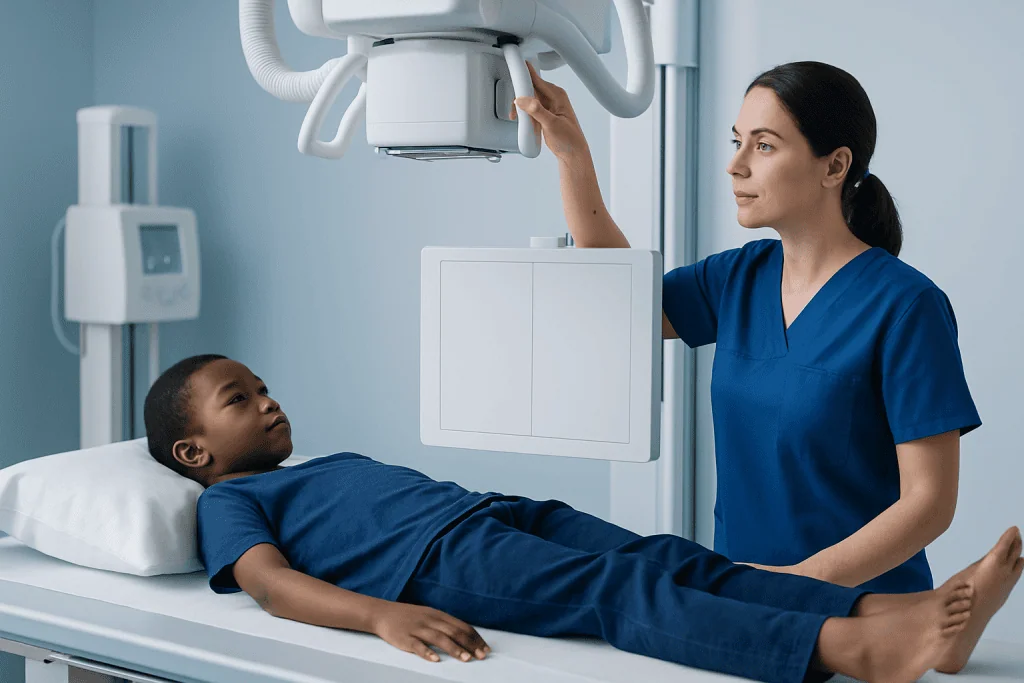
Rickets is most common in infants and children whose bones are growing quickly. A clinician may consider it when a child has delayed growth, delayed walking, muscle weakness, bone pain, bowed legs, knocked knees, widening at the wrists or ankles, or frequent fractures. Some children may have few obvious signs early on, which is why regular pediatric assessments are important.
Children at higher risk can include those with limited sun exposure, darker skin living in areas with low sunlight, a diet low in vitamin D or calcium, prolonged exclusive breastfeeding without appropriate vitamin D supplementation, malabsorption disorders, chronic kidney or liver disease, or certain inherited conditions. Risk does not confirm rickets; assessment is needed to identify the actual cause.
Diagnosis usually combines a medical history, physical examination and blood tests that measure vitamin D, calcium, phosphate and markers of bone activity. X-rays of the wrist, knee or other affected areas can show typical changes at the growth plates. In selected cases, urine tests, kidney assessment or genetic testing may be appropriate. Related conditions affecting bone strength may also need consideration, including osteomalacia, which occurs after growth is complete.
Rickets treatment step by step

The first step is confirming the cause. For nutritional rickets, the clinician develops an individualized plan to replace vitamin D and, where necessary, calcium. The exact supplement type, amount and duration depend on the child’s age, blood results, severity and local clinical guidance. Parents and caregivers should use only the plan recommended by the child’s healthcare professional.
The next step is supporting daily nutrition. Foods that may contribute vitamin D or calcium include fortified products, eggs, oily fish, dairy foods or suitable fortified alternatives, depending on dietary needs and cultural preferences. Safe, age-appropriate outdoor activity may support vitamin D production, but sunlight alone should not be relied upon to treat diagnosed rickets, and children should still be protected from sunburn.
Follow-up is an active part of treatment rather than an optional extra. Clinicians may repeat blood tests and, in some cases, X-rays to check that mineral levels and bone healing are improving. They also reassess growth, mobility and limb alignment. If tests do not improve as expected, the team looks for missed doses, inadequate calcium intake, malabsorption, kidney problems or an inherited form of rickets.
For children with pronounced bowing, severe deformity or difficulty walking, an orthopedic assessment may be useful. Many changes improve as bone health recovers and the child grows, but some established deformities require observation, bracing in selected circumstances, or corrective surgery after the metabolic problem has been controlled. Rehabilitation support may help children safely rebuild strength and confidence with movement.
Benefits, risks and recovery expectations
The main benefits of effective rickets treatment are improved bone mineralization, less bone discomfort, stronger muscles, better mobility and protection against additional deformity or fractures. In nutritional rickets, biochemical abnormalities often begin to improve within weeks after appropriate treatment starts. The pace of visible skeletal improvement is more gradual because bones need time to heal and remodel during growth.
Careful monitoring matters because supplements are medicines when used at treatment doses. Too much vitamin D can raise calcium levels and may cause symptoms such as poor appetite, nausea, constipation, unusual thirst or frequent urination. Calcium treatment may also need monitoring in some situations. These risks are uncommon when therapy is medically supervised, but they are important reasons not to self-treat with high-dose products.
Recovery also depends on the cause. A child with nutritional deficiency usually has a different outlook from a child with a kidney condition, severe malabsorption or inherited phosphate-wasting rickets. In these cases, treatment may be longer term and may include specialized medicines as well as management of the underlying disease. Regular appointments help the care team adjust treatment safely as the child grows.
Can you fully recover from rickets?
Many children with nutritional rickets recover very well when the condition is identified early and the deficiency is corrected. Blood abnormalities, pain and weakness often improve first, while bone shape and growth need more time. Whether recovery is complete depends on the cause, the child’s age, how long rickets was present and whether significant deformities developed before treatment.
How long does it take to get rid of rickets?
There is no single timeline. Symptoms and laboratory results may start improving over several weeks, while X-ray healing and correction of leg alignment can take months or longer. Children with inherited or chronic medical causes may need continuing treatment and monitoring rather than a short course of supplements.
Can a child recover from rickets?
Yes. A child can often recover from rickets, particularly when nutritional deficiency is treated promptly and follow-up confirms that bones are healing. Early care gives the growing skeleton the best opportunity to remodel naturally and helps prevent complications from progressing.
Some children need longer-term support. This is more likely if rickets was severe, diagnosis was delayed, a child has persistent low mineral levels, or the condition is caused by kidney disease, intestinal malabsorption or an inherited disorder. Recovery in these situations can still be meaningful, but it may involve coordinated care from several specialists.
Parents may find it helpful to track medication use, bring supplements to appointments, follow dietary advice and attend planned blood tests. It is also important to tell the clinical team about vomiting, diarrhea, poor intake, new pain, difficulty walking or any problems taking treatment. These details can help identify barriers to recovery early.
How painful are rickets?
Rickets can cause aching or tenderness in bones, especially in the legs, pelvis or spine, and some children have muscle weakness that makes walking, climbing stairs or standing from the floor more difficult. The level of discomfort varies: some children have mild symptoms, while others are more noticeably affected. Persistent pain, limping, refusal to walk or a suspected fracture should be assessed promptly by a clinician.
Prevention and everyday self-care
Preventing nutritional rickets usually involves ensuring children receive adequate vitamin D and calcium for their age and diet. Recommendations differ between countries and individual children, so families should follow advice from their pediatric clinician or local public health authority. Breastfed infants may need vitamin D supplementation, but the appropriate approach should be discussed with a healthcare professional.
A balanced eating pattern with age-appropriate calcium-containing foods and vitamin D sources supports bone health. Children with cow’s milk allergy, a vegan diet, selective eating, digestive conditions or restricted diets may need individual nutritional guidance. A registered dietitian can help create a practical plan that meets nutritional needs without unnecessary restrictions.
Outdoor play has many benefits for children, including physical activity and general wellbeing. However, sun exposure must be balanced with skin safety, and dietary or prescribed supplementation should not be replaced by intentional unprotected sun exposure. Families should avoid changing prescribed treatment based solely on improvement in symptoms, as blood tests may still be needed to confirm recovery.
When to seek medical care
Parents and caregivers should arrange medical assessment if a child has persistent bone pain, muscle weakness, delayed walking, limping, bowed legs, knocked knees, unusually wide wrists or ankles, poor growth, or repeated fractures. These signs can have several causes, and early evaluation helps identify whether rickets or another condition is involved.
Urgent medical advice is appropriate if a child has severe pain after a fall, cannot bear weight, has a suspected fracture, appears very weak, or has symptoms of low calcium such as muscle spasms, twitching or seizures. Emergency services should be contacted for seizures or loss of consciousness.
For international patients requiring coordinated evaluation, Acibadem International’s multidisciplinary specialists and JCI-accredited hospitals can assess and treat rickets and its underlying causes. The most suitable plan may involve pediatric, endocrine, nutritional, orthopedic and rehabilitation input, depending on the child’s needs.
Frequently asked questions
What is the main treatment for rickets?
The main treatment is correcting the underlying cause. For nutritional rickets, this commonly includes medically guided vitamin D replacement and adequate calcium intake, alongside dietary advice and follow-up blood tests. Other causes, such as kidney disease or inherited disorders, require specialist treatment.
Will bowed legs from rickets straighten after treatment?
Mild bowing may improve as mineral levels normalize and the child continues to grow. More marked or longstanding deformities may improve only partly and should be monitored by an orthopedic specialist. Surgery is considered only in selected cases after the metabolic cause is controlled.
Can rickets return after treatment?
Rickets can return if the underlying deficiency or medical cause persists or if treatment is stopped too early without professional advice. Follow-up testing and an ongoing prevention plan help reduce this risk. Children with inherited or chronic medical causes may need long-term care.
Are vitamin D supplements safe for children with rickets?
Vitamin D supplements are generally safe and effective when a clinician selects the formulation and treatment plan and monitors progress as needed. High doses should not be given without medical advice because too much vitamin D can raise calcium levels and cause harm. Families should use the prescribed product exactly as directed.
Can food alone treat rickets?
Food choices are important for recovery and prevention, but diagnosed rickets often requires prescribed supplementation to correct deficiencies reliably. The child’s clinician can advise whether calcium supplementation is also needed. Dietary support is especially important after treatment to maintain bone health.
Does rickets affect adults?
Rickets refers to defective mineralization of growing bones in children. In adults, a similar problem is called osteomalacia because the growth plates have closed. Both conditions require evaluation to identify the underlying vitamin D, calcium, phosphate or medical cause.
References
- American Academy of Pediatrics
- National Institute of Diabetes and Digestive and Kidney Diseases
- National Health Service
- Merck Manual Consumer Version
- World Health Organization
This article is for general information only and is not a substitute for professional medical advice. Please consult a qualified doctor about your individual situation.
Explore treatments in Turkey — costs, top hospitals & a free quote
JCI-accredited · board-certified surgeons · reply within 24h
Add us as a Preferred Source to see more of our trusted health content across Google Search, AI Overviews and Discover.