Risks of Colonoscopy for Elderly: Preparation, Procedure and Results

Age alone does not determine whether colonoscopy is appropriate; overall health and the reason for testing matter more. Potential complications include bleeding, bowel perforation, dehydration, heart or lung effects from sedation, and falls or confusion after the procedure.
Key Takeaways
- Age alone does not determine whether colonoscopy is appropriate; overall health and the reason for testing matter more.
- Potential complications include bleeding, bowel perforation, dehydration, heart or lung effects from sedation, and falls or confusion after the procedure.
- Careful review of medicines, kidney and heart health, mobility, and support at home can make preparation and recovery safer.
- Routine colorectal cancer screening is often individualized after age 75, while colonoscopy may still be important to investigate symptoms.
- Older adults should seek urgent medical care after colonoscopy for severe abdominal pain, persistent vomiting, heavy rectal bleeding, fever or breathing problems.
The risks of colonoscopy for elderly adults are usually low, but they increase with age, frailty, medical conditions, certain medicines and complex polyp removal. A clinician should weigh these risks against the reason for the test, expected benefit, life expectancy and the person’s preferences before recommending colonoscopy.
Overview: balancing the risks and benefits
The risks of colonoscopy for elderly adults deserve individual assessment rather than a decision based on age alone. Colonoscopy allows a gastroenterologist to examine the large intestine using a flexible camera and, when needed, remove polyps or take tissue samples. It can help investigate bleeding, anemia, changes in bowel habits, unexplained weight loss, or an abnormal stool test.
For a healthy older adult with a clear medical reason for testing, colonoscopy may offer meaningful benefit. However, complications become more likely as people develop frailty, heart, lung or kidney disease, impaired mobility, cognitive difficulties, or use medicines that affect bleeding, blood pressure or diabetes. The clinician and patient should discuss whether colonoscopy is being considered for routine screening, surveillance after previous polyps, or diagnosis of new symptoms.
Alternatives may be appropriate in selected circumstances, such as stool-based colorectal cancer tests or imaging tests. These options do not replace colonoscopy in every situation: a positive noninvasive test or concerning symptoms may still require colonoscopy for diagnosis and possible treatment.
Why is colonoscopy not recommended after age 75?
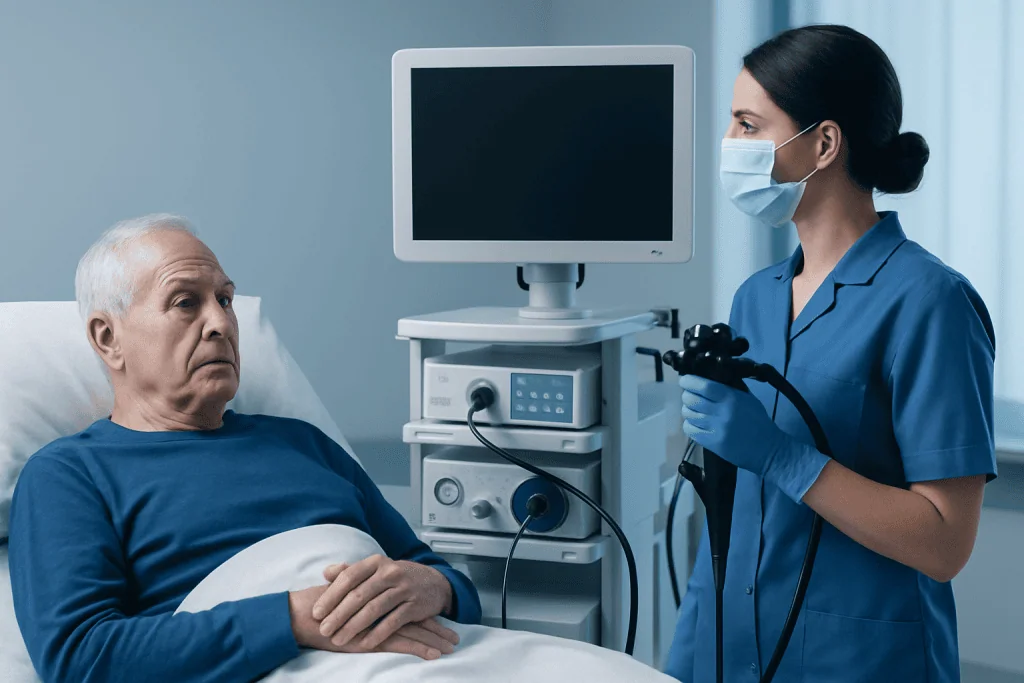
Colonoscopy is not automatically prohibited after age 75. Rather, routine colorectal cancer screening is commonly individualized in this age group because the potential benefit may be smaller for people with limited life expectancy, significant illness, or a recent history of adequate negative screening. Colorectal cancers usually develop slowly, so the benefits of finding and preventing cancer may take years to emerge.
At the same time, the immediate burdens of bowel preparation, sedation and possible complications can be greater in later life. This is why clinicians consider functional independence, frailty, other health conditions, prior screening results and personal goals. A person aged over 75 who is otherwise well and has never been screened may make a different decision from someone who has had several normal colonoscopies.
Colonoscopy can still be strongly indicated after age 75 when there are symptoms such as rectal bleeding, iron-deficiency anemia, a positive stool test, persistent change in bowel habits, or an abnormal scan. In these situations, the test is diagnostic rather than routine screening, and the possible value may be substantial.
How a colonoscopy works and who may be a candidate
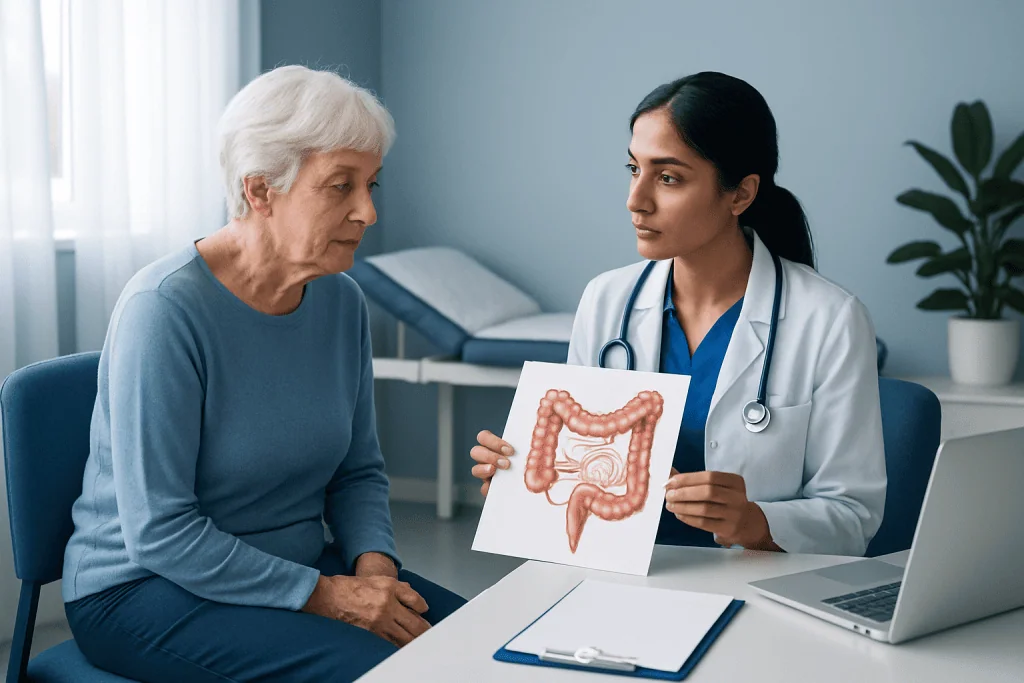
During colonoscopy, a thin, flexible instrument called a colonoscope is passed through the rectum and advanced carefully through the colon. It sends images to a monitor, allowing the doctor to inspect the bowel lining. Small growths called polyps can often be removed during the same examination, reducing the chance that some polyps will later develop into cancer.
Older adults may be candidates for colonoscopy when symptoms, test results or medical history suggest that direct examination of the colon is needed. Before scheduling the procedure, the care team reviews the patient’s medical history, previous colonoscopy findings, allergies, heart and lung function, kidney disease, diabetes, swallowing problems, bowel habits, mobility, cognition and available support at home.
The review should also include all prescription medicines, over-the-counter products and supplements. Blood thinners, antiplatelet medicines, diabetes medicines, diuretics, iron supplements and some medications for constipation may need special instructions. Patients should never stop an important medicine without advice from the clinician managing it.
Preparation and the best colonoscopy prep for seniors
Effective bowel preparation is essential because stool remaining in the colon can hide polyps or inflammation and may require the test to be repeated. For many older adults, a split-dose preparation is preferred: part of the prescribed bowel-cleansing solution is taken the evening before, and the rest is taken closer to the examination time. This approach generally improves cleansing compared with taking the full preparation the previous day.
There is no single best colonoscopy prep for seniors. The safest choice depends on kidney function, heart failure risk, electrolyte balance, constipation, diabetes, swallowing ability and the medicines a person takes. A clinician may recommend a polyethylene glycol-based preparation for some people because it is designed to limit fluid and electrolyte shifts, but the exact product and schedule must be individualized.
Older adults can reduce avoidable problems by following dietary instructions carefully, drinking permitted clear fluids as advised, arranging help if mobility is limited, and staying near a bathroom. The team should be told early if the person has severe constipation, cannot tolerate the preparation, has vomiting, is unable to keep fluids down, or feels faint. Colonoscopy evaluation and treatment planning can include tailored preparation guidance for people with complex health needs.
What percentage of people fail colonoscopy prep? Inadequate bowel cleansing is relatively common and varies across studies and patient groups; it may affect roughly one in five colonoscopies, with higher rates among people with constipation, diabetes, limited mobility, prior poor preparation or difficulty following instructions. It is not a personal failure. Early communication with the endoscopy team can allow the plan to be adjusted and may prevent an incomplete examination.
Step by step: the procedure and recovery timeline
On the day of the examination, the patient is checked in, and the team confirms the preparation, medicines, allergies and medical history. An intravenous line may be placed for fluids and sedation. Blood pressure, oxygen level and heart rate are monitored throughout the procedure. Sedation is often used to improve comfort, although the type and depth of sedation are selected with the person’s health risks in mind.
The colonoscopy itself commonly takes less than an hour, though additional time is needed for admission, preparation and recovery. If a polyp is found, it may be removed with special instruments passed through the scope. A biopsy may also be taken. Neither step necessarily means cancer is present; tissue analysis helps clarify the cause of an abnormal finding.
Afterward, the patient stays in a recovery area until alert enough to leave safely. Mild bloating, gas and brief cramping are common because air or carbon dioxide is used to expand the colon during the examination. Most people resume light meals and usual activities the next day, but anyone who receives sedation should have a responsible adult accompany them home and should avoid driving, alcohol, important decisions and operating machinery for the remainder of the day.
Older adults may need more time to regain normal energy, appetite or bowel habits, particularly after a demanding preparation or if sedation causes temporary dizziness. Drinking fluids as advised, rising slowly, using walking support when needed and having someone check in during the first night can support a safer recovery.
How risky is a colonoscopy in the elderly?
Serious complications from colonoscopy are uncommon, but the risk is higher in older adults than in younger people. The most important complications are bleeding, perforation of the bowel wall, reactions to sedation, changes in heart rhythm or blood pressure, aspiration, dehydration and electrolyte disturbances. The chance of bleeding is greater when a large or complex polyp is removed and when blood-thinning medicines are involved.
Perforation is rare but requires urgent assessment and may need hospital treatment or surgery. Sedation can be more challenging for people with lung disease, sleep apnea, heart disease, severe frailty or cognitive impairment. Some older adults experience short-term confusion, unsteadiness or a fall risk after sedatives, especially if they are dehydrated or taking other medications that affect alertness.
The preparation itself can be a major consideration. Diarrhea and restricted intake can lead to dehydration, low blood pressure, kidney stress or electrolyte changes in vulnerable patients. A careful pre-procedure assessment, medication plan and selection of an appropriate bowel preparation help reduce these risks. The benefit of detecting or treating a significant bowel problem must be considered alongside these individual risks.
Results are usually discussed after the procedure, although biopsy findings can take several days. A normal result may allow future screening intervals to be extended or stopped depending on age, health and prior findings. If polyps, inflammation or another abnormality is found, the doctor will explain what it means and whether follow-up is needed.
When to seek medical care
After colonoscopy, mild bloating and a small amount of rectal bleeding after a biopsy or polyp removal can occur. However, patients should contact the endoscopy team promptly if bleeding is more than a small amount, continues, or is accompanied by dizziness, weakness or fainting. The team should also be contacted if abdominal pain becomes severe or progressively worse.
Urgent medical assessment is needed for fever, repeated vomiting, a hard or markedly swollen abdomen, black stools, chest pain, shortness of breath, confusion that does not improve, or inability to keep fluids down. These symptoms do not always indicate a serious complication, but they should not be managed at home without medical advice.
Before the procedure, patients should seek advice if they develop a new illness, fever, severe constipation, dehydration, vomiting, or a change in medicines. At Acibadem International, multidisciplinary specialists and JCI-accredited hospitals diagnose and treat digestive conditions for international patients, with care plans tailored to the individual’s medical needs.
Frequently asked questions
Is colonoscopy safe for an 80-year-old?
Colonoscopy can be safe for an 80-year-old when there is a clear reason for it and the person’s health is assessed carefully beforehand. Age alone is not the deciding factor; frailty, heart and lung health, kidney function, medications, previous screening and the expected benefit all matter. The clinician can discuss alternatives if the risks appear to outweigh the likely value.
Should blood thinners be stopped before colonoscopy?
Some blood thinners or antiplatelet medicines may need to be adjusted before colonoscopy, particularly if polyp removal is possible. However, stopping them without medical direction can increase the risk of stroke, blood clots or other serious problems. The prescribing clinician and endoscopy team should provide an individualized plan well before the procedure.
What is the safest sedation option for older adults having colonoscopy?
There is no single safest sedation plan for every older adult. The care team considers medical conditions, sleep apnea, prior reactions to anesthesia, medicines, cognitive status and the anticipated complexity of the procedure. Monitoring during and after sedation, plus a safe ride home and supervision, are important parts of risk reduction.
Can an elderly person have colonoscopy without sedation?
In some settings, colonoscopy can be performed with little or no sedation, although comfort and availability vary. This may be an option for selected people who wish to avoid sedation-related effects or have conditions that make sedation more complicated. The decision should be discussed with the gastroenterologist and anesthesia team.
How long does it take an elderly person to recover from colonoscopy?
Many older adults feel well enough to return to usual light activities the following day, but fatigue, bloating or changes in bowel habits may last briefly. Recovery can take longer after a difficult bowel preparation, extensive polyp removal or sedation. A person should follow the discharge instructions and have support available after returning home.
What happens if bowel preparation is not adequate?
If the bowel is not clean enough, the doctor may be unable to see the lining clearly or rule out small polyps. The procedure may need to be repeated sooner, sometimes with a modified preparation plan. The care team can identify likely causes, such as constipation, medication effects or timing difficulties, and help improve the next preparation.
References
- U.S. Preventive Services Task Force
- American Society for Gastrointestinal Endoscopy
- National Institute of Diabetes and Digestive and Kidney Diseases
- American Cancer Society
This article is for general information only and is not a substitute for professional medical advice. Please consult a qualified doctor about your individual situation.
Medical weight-loss options in Turkey — costs & eligibility
JCI-accredited · board-certified surgeons · reply within 24h
Add us as a Preferred Source to see more of our trusted health content across Google Search, AI Overviews and Discover.
Check your numbers in seconds
BMI, calories, due date, blood pressure and 30+ more clinical calculators — free, instant, doctor-reviewed ranges.