Robotic Prostate Surgery: What to Expect Before, During, and After

Robotic prostate surgery usually means robotic-assisted radical prostatectomy, performed through small incisions. Preparation often includes imaging, blood tests, medication review, and planning for catheter care and recovery at home.
Key Takeaways
- Robotic prostate surgery usually means robotic-assisted radical prostatectomy, performed through small incisions.
- Preparation often includes imaging, blood tests, medication review, and planning for catheter care and recovery at home.
- Most patients stay in the hospital for a short time and go home with a urinary catheter for several days.
- Common temporary side effects include fatigue, urinary leakage, and changes in sexual function during recovery.
- Follow-up visits and PSA testing are important to monitor healing and treatment results.
Robotic prostate surgery is a minimally invasive way to remove the prostate, most often for localized prostate cancer. Understanding what happens before, during, and after surgery can help patients feel more prepared and support a smoother recovery.
Overview of Robotic Prostate Surgery
Robotic prostate surgery usually refers to robotic-assisted radical prostatectomy, an operation used to remove the prostate gland and often some nearby tissue. It is most commonly recommended for prostate cancer that appears confined to the prostate, although the exact treatment plan depends on the stage of disease, the patient’s age, overall health, urinary symptoms, and personal preferences.
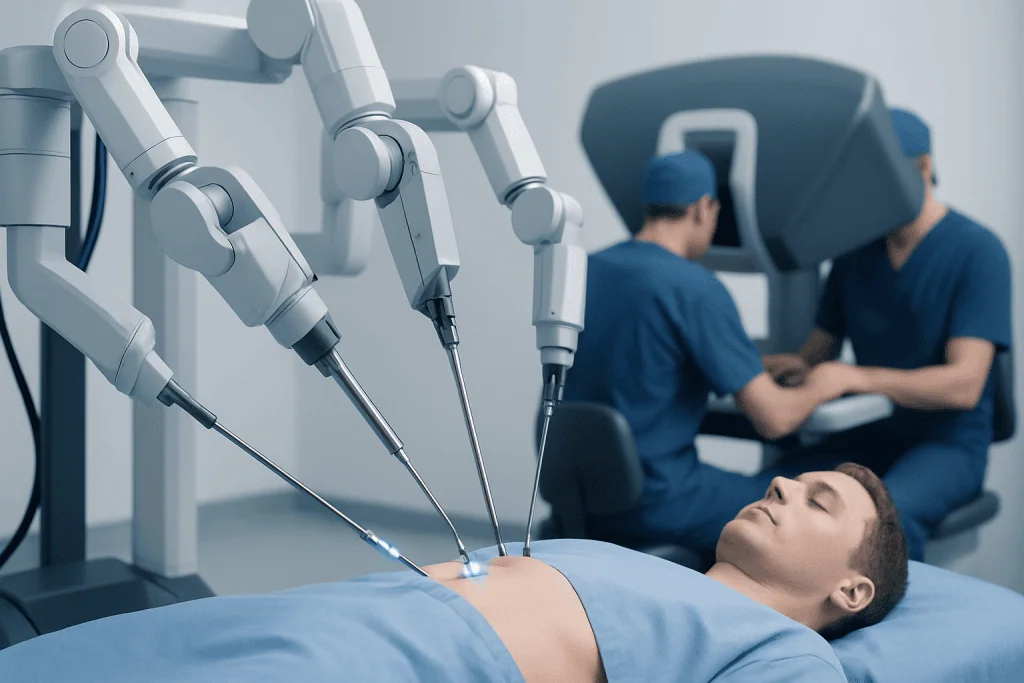
In this approach, the surgeon does not operate independently through a machine. Instead, robotic instruments are controlled by the surgeon from a console, allowing very precise movements through several small incisions. The system provides magnified, high-definition views of the surgical area, which may help with delicate work around nerves, blood vessels, and the urinary tract.
Compared with traditional open surgery, robotic prostate surgery is generally considered minimally invasive. Many patients experience less blood loss, smaller scars, and a shorter hospital stay. However, it is still a major operation, and recovery takes time. The goals of surgery are to remove the cancer effectively, preserve urinary control when possible, and protect sexual function as much as safely possible.
Who May Need It and Why It Is Chosen
Robotic prostate surgery is most often used to treat localized or locally advanced prostate cancer. For some men, surgery is chosen because it offers a chance to remove the entire prostate and to examine the tissue closely afterward. This can provide detailed information about the cancer and help guide any further treatment if needed.
Doctors consider several factors before recommending this operation. These include prostate-specific antigen (PSA) level, biopsy results, imaging findings, the grade and extent of cancer, life expectancy, and whether the patient has symptoms from the prostate. Some men may be offered surgery as one option among others, such as active surveillance, radiation therapy, or other treatments for prostate cancer.
The decision is individualized. Patients often discuss expected cancer control, possible side effects, recovery time, and how treatment could affect daily life. A careful conversation with a urologist can help clarify whether robotic surgery is the best fit for the person’s medical needs and goals.
How to Prepare Before Surgery

Preparation usually begins with a preoperative assessment. This often includes blood tests, urine tests, an electrocardiogram when appropriate, and imaging or pathology review. The surgical team will review the diagnosis, explain the procedure, and discuss possible risks, including bleeding, infection, blood clots, urinary incontinence, erectile dysfunction, and the chance that additional treatment could still be needed later.
Medication review is an important step. Patients are usually asked about prescription medicines, over-the-counter drugs, vitamins, and herbal products. Blood thinners and some supplements may need to be stopped before surgery, but this should only be done under medical guidance. The team may also give instructions about eating and drinking before the operation.
Practical planning can make recovery easier. Patients may be advised to arrange transportation, prepare loose clothing, and organize help at home for the first several days. Learning how to manage the urinary catheter in advance can reduce stress after discharge. Some surgeons also recommend pelvic floor exercises before surgery to support bladder control during recovery.
- Bring a list of all medications and allergies.
- Ask when to stop eating, drinking, or taking specific medicines.
- Prepare supplies for catheter care at home.
- Arrange follow-up appointments and help with daily tasks if needed.
What Happens During the Procedure
On the day of surgery, the patient is admitted to the hospital and prepared for general anesthesia. Once asleep, small incisions are made in the abdomen to insert a camera and slim surgical instruments. The surgeon then controls the robotic system to remove the prostate gland and reconnect the bladder to the urethra.
Depending on the cancer and the surgical plan, nearby lymph nodes may also be removed for examination. In selected cases, the surgeon may perform a nerve-sparing technique to try to preserve erectile function, but this depends on where the cancer is located and whether it is safe to protect those nerves. Cancer control remains the first priority.
A urinary catheter is placed during the operation to allow urine to drain while the connection between the bladder and urethra heals. The length of surgery can vary based on anatomy, previous procedures, and whether additional steps are needed. Afterward, the patient is moved to recovery for close monitoring.
When clinically appropriate, patients may discuss minimally invasive options such as robotic surgery as part of their urologic care plan. The exact technique should always be chosen by the treating team based on safety, cancer features, and surgical expertise.
Hospital Stay and Early Recovery After Surgery
After robotic prostate surgery, most patients stay in the hospital for a short period, often one night or sometimes a little longer depending on recovery, comfort, and any medical needs. Nurses and doctors monitor pain, urine output, mobility, and signs of bleeding or infection. Patients are encouraged to start walking as soon as it is safe because early movement can help reduce the risk of blood clots and support bowel function.
Some discomfort, fatigue, abdominal bloating, shoulder tip pain from the gas used during minimally invasive surgery, and mild drainage around the catheter can occur in the first days. Pain is usually managed with medication, and the team provides instructions about wound care, showering, diet, and activity. Heavy lifting and strenuous exercise are typically restricted for a period while healing continues.
Most patients go home with a urinary catheter still in place. The catheter usually stays for several days to allow the surgical connection to heal. Before discharge, the care team explains how to empty the drainage bag, keep the area clean, and watch for problems such as blocked flow, fever, worsening pain, or significant bleeding.
For patients receiving broader urology treatment, recovery planning may include coordinated support from surgeons, nurses, physiotherapists, and other specialists. A clear discharge plan often helps patients feel more confident during the first week at home.
Possible Side Effects, Risks, and Long-Term Recovery
All prostate surgery carries risks, even when performed robotically. Short-term risks include bleeding, infection, reactions to anesthesia, blood clots, injury to nearby structures, and urinary leakage around the catheter. Serious complications are not common, but patients should be aware of warning signs and know when to seek urgent advice.
Two of the most important long-term concerns are urinary incontinence and erectile dysfunction. Many men have some urinary leakage after the catheter is removed, especially with coughing, standing, or activity. This often improves gradually over weeks to months, especially with pelvic floor rehabilitation. Sexual function may also take time to recover, and the extent of recovery depends on age, baseline function, nerve preservation, and overall health.
Pathology results from the removed prostate help determine what happens next. These results show the extent and grade of the cancer and whether it appears fully removed. Follow-up PSA testing is a key part of care after surgery because PSA levels are expected to fall to very low or undetectable levels if the prostate has been removed successfully.
Some men may still need additional treatment after surgery, depending on pathology findings or later PSA results. In such cases, options can include prostate cancer treatment such as radiation therapy or other specialist-guided care. This does not necessarily mean surgery failed; rather, treatment is sometimes combined to give the most appropriate cancer control.
Self-Care, Follow-Up, and When to Contact a Doctor
Recovery at home is usually gradual. Patients are often advised to walk daily, drink enough fluids unless told otherwise, avoid constipation, and follow instructions about catheter care and incision care. Rest is important, but complete bed rest is usually not recommended. Light activity can support circulation and help rebuild energy.
Follow-up visits are essential. At these appointments, the catheter is typically removed, pathology results are reviewed, and the doctor checks healing and bladder control. PSA monitoring continues over time to assess the treatment result. If urinary leakage or sexual side effects continue, the care team may recommend pelvic floor therapy, medications, devices, or other supportive treatments.
Patients should contact a doctor promptly if they develop fever, chills, increasing redness or discharge from incisions, severe pain, inability to drain urine through the catheter, heavy bleeding, chest pain, shortness of breath, or swelling in the legs. These symptoms need medical attention and should not be ignored.
For international patients seeking coordinated care, Acibadem International’s multidisciplinary specialists and JCI-accredited hospitals diagnose and treat prostate conditions with individualized planning and follow-up support. The most important step is always to discuss symptoms, treatment choices, and recovery concerns with a qualified urology team.
Frequently asked questions
How long does robotic prostate surgery take?
The operation length can vary depending on the patient’s anatomy, the extent of cancer, and whether lymph nodes are removed. In many cases, the procedure takes several hours from preparation to completion. The surgical team can give a more personalized estimate before the operation.
Is robotic prostate surgery safer than open surgery?
Robotic surgery is a minimally invasive technique and may offer benefits such as smaller incisions, less blood loss, and a shorter hospital stay for some patients. However, it is still major surgery and has important risks. Safety depends greatly on the patient’s overall health, cancer features, and the experience of the surgical team.
Will the patient need a catheter after surgery?
Yes, most patients go home with a urinary catheter after robotic prostate surgery. The catheter helps urine drain while the bladder and urethra heal after being reconnected. It is usually removed at a follow-up visit after several days, depending on the surgeon’s plan.
How long does recovery take after robotic prostate surgery?
Initial recovery often takes a few weeks, but full recovery can take longer. Energy levels usually improve gradually, while bladder control and sexual function may continue to recover over several months. The exact timeline is different for each person.
Does robotic prostate surgery always cause incontinence or erectile dysfunction?
Not always, but these are recognized side effects that can happen after prostate surgery. Many men have temporary urinary leakage that improves with time, and sexual function recovery varies widely. Age, baseline health, nerve-sparing ability, and cancer location all influence the outcome.
What follow-up is needed after the prostate is removed?
Regular follow-up usually includes wound and catheter checks at first, then ongoing PSA blood tests over time. These visits help monitor healing, review pathology findings, and check for signs that further treatment may be needed. Follow-up is an important part of long-term cancer care.
References
- American Cancer Society
- National Cancer Institute
- European Association of Urology
- Urology Care Foundation
- National Health Service
This article is for general information only and is not a substitute for professional medical advice. Please consult a qualified doctor about your individual situation.
Robotic Prostate Surgery in Turkey — costs, top hospitals & a free quote
JCI-accredited · board-certified surgeons · reply within 24h
Add us as a Preferred Source to see more of our trusted health content across Google Search, AI Overviews and Discover.

Robotic Surgery
Robot-assisted procedures across urology, gynecology and general surgery for greater precision and faster recovery.